


A “racist” bar in Nashville inspired an entire Hayley Williams album

Hayley Williams has always been enraged.
If it wasn’t scream-singing about her parents’ unhappy divorce on Paramore’s first album, All We Know Is Falling, it was bemoaning the social ramifications of female licentiousness on their second album, Riot, and these days, the issues she decides to unearth pertain to the gritty world of politics; Paramore’s last album, 2023’s This Is Why, drilled into the addled consciousness of watching wars unfold halfway across the world through the beady screen of an iPhone.
Often, political matters exist in a liminal space, where you might be able to point at a city or a country and explain the particularities of the sociopolitical turmoil threading through the infrastructure, but when turning politics into lyrical ruminations, they become untethered, unattached from location. Instead, these ideas throb with a worldliness, away from the specific and toward the universal, in keeping with the ‘ism’ it might investigate: racism, sexism, the list goes on, and these concepts exist everywhere.
This is true of plenty of the Paramore albums, but not quite the case for Hayley Williams’ latest album and her third solo project, 2025’s Ego Death at a Bachelorette Party. The tongue-twister album name is lifted from one of the singles, which begins with an echoey piano refrain, the jangle of keys, and the start of an engine. As the sounds clarify and the drums kick in, Williams sings, “I’ll be the biggest star in this racist country singer’s bar. No use shooting for the moon, no use chasing waterfalls”.
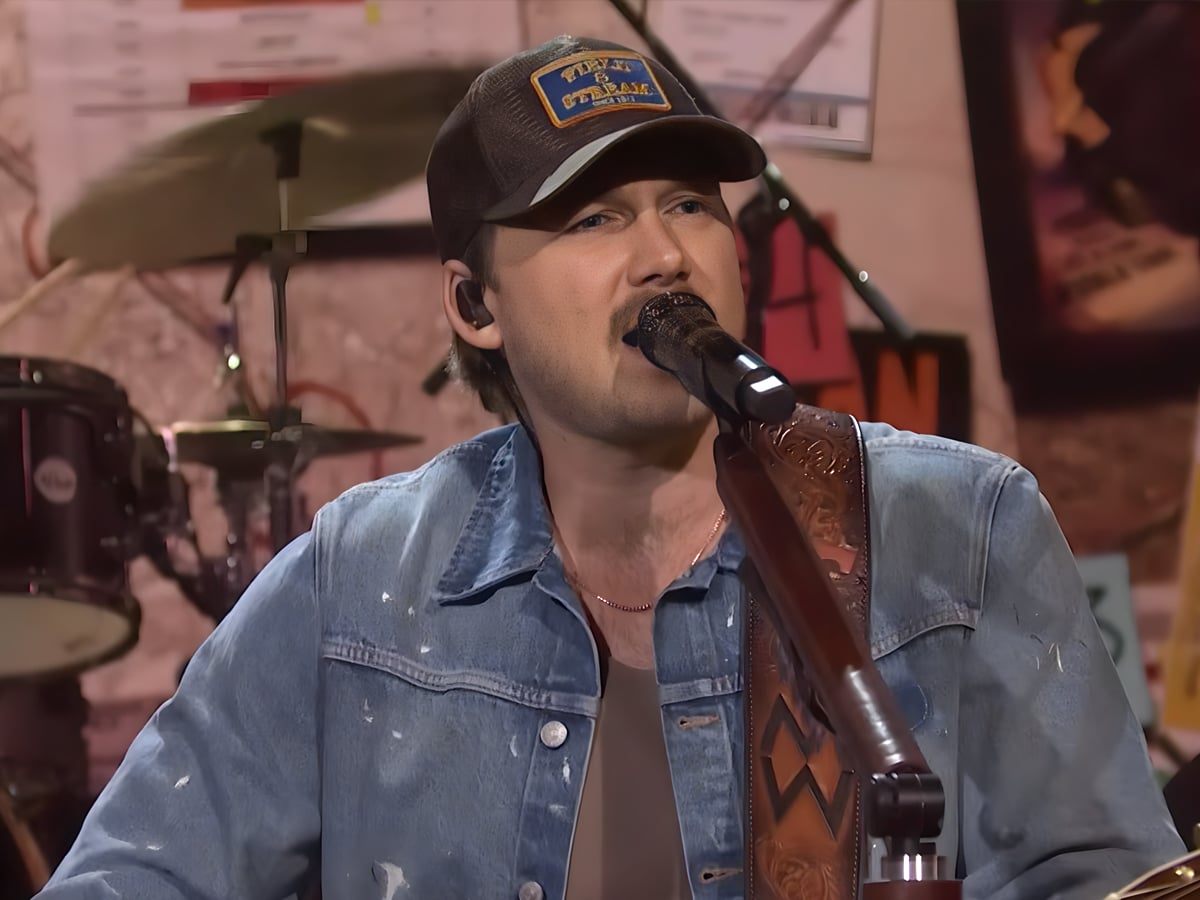
Williams has long been a Nashville resident, and this might’ve been enough for gimlet-eyed fans to dig out a list of potential locations she might mean, but the singer-songwriter happily revealed exactly which bar she’s talking about in the deceptively catchy track: Morgan Wallen’s This Bar is in downtown Nashville, where for around $20, you can grab yourself a Wallen-themed cocktail, with a side of continued controversy.
The man was caught on camera in 2021 using a racial slur, which resulted in a temporary career setback, though he’s back in the top spot now, with over 32million monthly Spotify listeners. In 2024, the singer was arrested after allegedly throwing a chair off the roof of a newly-opened bar down the road from his own, but no matter; men are untouchable in this industry, after all, but at least Williams is doing more than most to grab at the ‘I Got Better’ singer.
Not only does the Wallen take-down track define the entire album, but it’s also the tenth song out of 20. As such, it acts as a lynchpin for most of the record; in the middle, we can reflect on where we’ve been, and anticipate what’s to come. The site of Wallen’s racist bar is a starting base from which Williams ferociously points her pain at other injustices.
Though we don’t know exactly what order Williams wrote and recorded the project, the clear political current evidenced in her unabashed take-down of Wallen runs throughout the entire album. Most pertinently, it appears on ‘True Believer’, where Williams attacks southern white nationalists and the racial history of the South. “They pose in Christmas cards with guns as big as all their children. They say that Jesus is the way, but then they gave him a white face so they don’t have to pray to someone they deem lesser than them,” she sings cuttingly.
Plus, Williams has been unafraid in offering the particularities of the otherwise obscure reference: “It could be a couple, but I’m always talking about Morgan Wallen, I don’t give a shit. Meet me at Whole Foods, bitch,” she laughed in an interview, adding, “I’m never not afraid to scream about racial issues.”
Elsewhere, Williams continues this sentiment by forcing others to take accountability for their actions. For example, on the album opener ‘Ice in my OJ’, she calls out the “dumb motherfuckers that I made rich” in the industry, who forced her into a 20-year record deal at the insane age of 14.
No doubt Williams would’ve had the fire and fury to take down the bastards (Wallen included) without Nashville’s This Bar, but at least the glaring, garish reminder of his continued triumph in a city she’s long called home inspired one of her best works to date.
