


Punk, irony, and politics in ‘Green Room’

At the core of Nazism is an embarrassing sense of insecurity and bigotry, which is, above everything, pathetic, but when they’ve got weapons, their psychology becomes irrelevant, and all you can do is fight to survive.
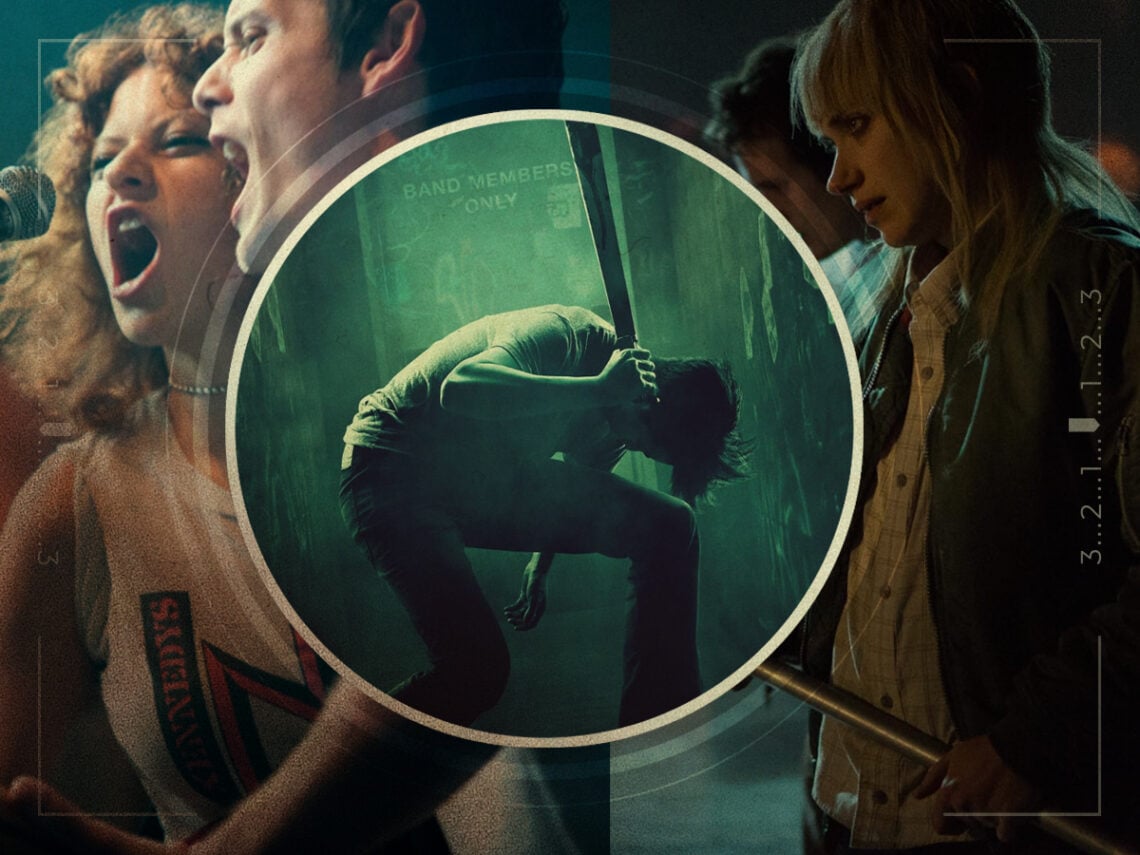
This is the case for the fictional punk band the Ain’t Rights in Jeremy Saulnier’s Green Room, who must fight off a group of extreme right-wingers after playing a gig at a neo-Nazi bar. Saulnier doesn’t shy away from emphasising the irony of a punk band accepting a gig supporting a Nazi band, clearly putting their desire for exposure and getting paid above their morals. Not even a cover of ‘Nazi Punks Fuck Off’ by Dead Kennedys is enough to absolve them of their decision, because what impact is that really going to do when they’re actively benefiting from being in their presence?
The film descends into chaos after the band witnesses a murder backstage, leading them to be trapped in the green room, the threat of being killed by increasingly hostile Nazis on the other side of the door making for a particularly adrenaline-fuelled viewing experience. In one brutal moment, Anton Yelchin’s character, Pat, gets his hand nearly hacked off by a machete, but he has to carry on, somehow finding a way to get out alive.
While the movie, on the surface, can be enjoyed simply as a thrilling, tension-laden punk-themed horror film, Saulnier offers rich commentary on the state of the genre, years on from its initial inception, and it raises great questions about the subculture’s place today. Can anyone truly embody the punk ethos and mean it, or can you only really be punk when you’re not trying?
The Ain’t Rights are obsessed with picking the coolest, most obscure punk bands when asked by a radio interviewer about their desert island bands, something they come back to throughout the movie. This is our first indication of the group being preoccupied with image and maintaining their punk credibility, refusing to select something that might make them look uncool. The movie isn’t necessarily declaring the band posers, but rather, we’re left wondering how true they’ll be to their supposed punk ethos once they find themselves in danger or in need of some cash.
It’s reminiscent of the whole debate around bands boycotting festivals and venues over sponsors with ties to awful businesses, such as those actively contributing to the genocide in Gaza, which has become a big topic in the music industry over the past few years.
It questions whether you can promote certain left-leaning values, encourage charitable donations, condemn wars, and actively write anti-establishment music if you’re then going to turn around and accept money from the very monsters contributing to the issues you’re rallying against. Is it enough to simply retaliate with a performance of ‘Nazi Punks Fuck Off’?
It’s hard to say what the easiest solution is when so many corrupt businesses are pulling the strings in the background, because if we boycotted everything bad, we wouldn’t be able to have anything nice. So is it really possible to be an authentic punk in this day and age without a level of hypocrisy seeping in?
When the Ain’t Rights take on the gig supporting a Nazi group following the cancellation of a gig they’ve travelled for, we’re stuck between admonishing them for their decision, and sympathising with them as struggling musicians who have money, exposure, and lots of travelling at stake, while we grapple with whether that is worth undermining their morals for.
They’re all high and mighty when they perform their Dead Kennedys cover on stage, but this soon comes crashing down when they’re in danger, and Pat doesn’t hesitate to call the police. This irony is fascinating because you can hardly blame them for calling the police in that life-or-death situation, yet as the film progresses, their punk attitudes well and truly fall away.
Punk is a wonderful thing, and we need people to rebel against the mainstream, against fascism and all of the fascist institutions that somehow have the world joltily spinning on its axis, but here it all falls apart. As soon as the band’s morals are challenged, as soon as they agree to play at a neo-Nazi bar, it’s all over for them, and hardly anyone makes it out alive.

Never Miss A Beat
The Far Out Punk Newsletter
All the latest Punk content from the independent voice of culture.
Straight to your inbox.