


10 times cinema lied to your face and got away with it

Film should be taken seriously as a form of art and entertainment, but not as a means of education.
There is no contract that an audience signs with a film’s distributor before they see it, and thus, filmmakers are not under any obligations to tell the truth. Most films require some sort of exaggeration or skirting around the facts, as otherwise there wouldn’t be any room for drama.
Even the most historically accurate film can’t be entirely factual; Steven Spielberg and Tony Kushner may have spent over a decade researching Lincoln, but they will never know exactly what the 16th president of the United States said during all of his private conversations. There’s also a matter of science making everything less fun. While Back to the Future and The Terminator could be pulled apart when analysing the contradictions that would form in the timeline, that’s not going to stop them from being some of the best science fiction films ever made.
Even if audiences understand that they’re going to be manipulated in some way, there are some misperceptions that arise from the way that films present reality. There are obviously some things that people recognise are exaggerations, but it’s when films lie without indication that it can get more tricky. To be fair, Hollywood has never been an entirely honest town, and most actors and directors have had at least a few miserable experiences that they’ve come to regret. Studios and marketing departments are absolutely shameless and will say just about anything to get audiences interested in seeing their film. Once the tickets are paid for, they’ve already won.
10 times the movie lied to your face:
“Based on a true story”
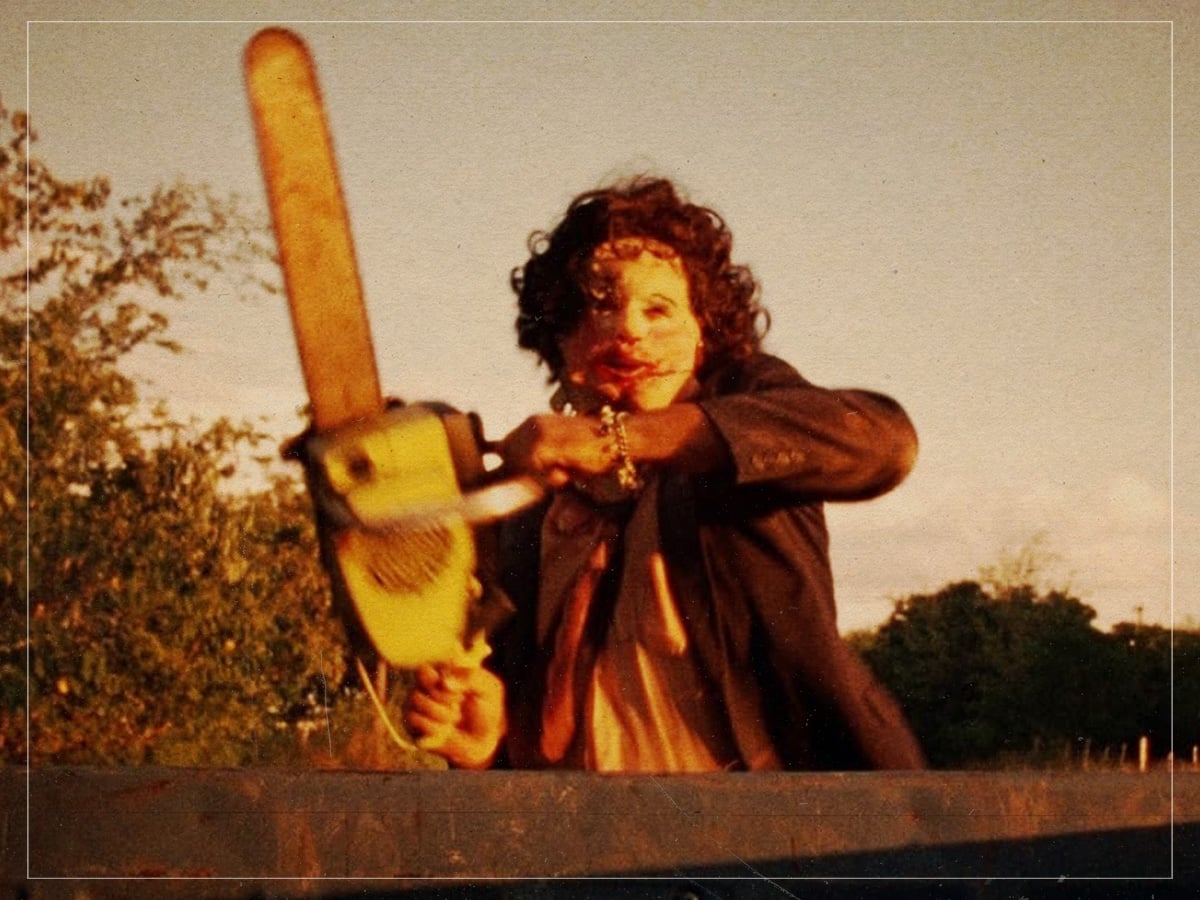
“Based on a true story” is a phrase that is used in both the title cards of a film and in its trailers, but the word based is doing a lot of hard work. Most biopics have a very loose relationship with the facts, and often the family or estate of the subject has a lot to say about what is and isn’t shown.
More amusingly, there are instances in which films blatantly lie about even being based on anything resembling the facts, which can be seen as an artistic choice. Tobe Hooper famously decided to include a title card for The Texas Chainsaw Massacre that claimed that it was based on real events in Texas; while the story of Ed Gein may have inspired the story in some ways, Hooper’s claims were merely a marketing technique used to sell audiences on the ‘realism’.
Trailer footage that isn’t in the movie
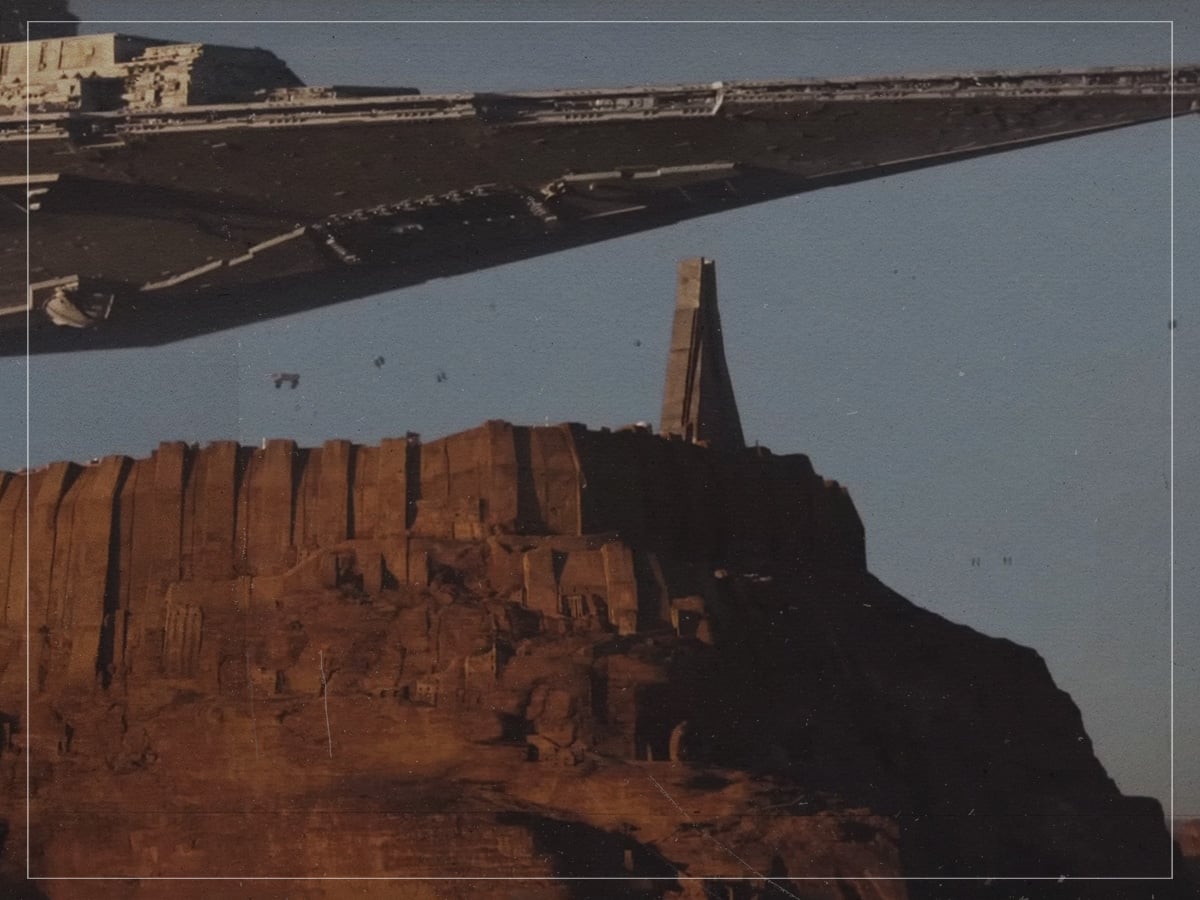
Most audiences don’t realise that films are being tinkered with right up until their release, and trailers are just compiled out of the footage that is readily available at the time. There have been multiple instances, thus, where moments from a trailer aren’t even in the final film; the Star Wars franchise has been particularly guilty of this, as Rogue One: A Star Wars Story featured a ton of footage in its first teaser that was left on the cutting room floor after Tony Gilroy came in to oversee reshoots.
Sometimes this tactic can genuinely set audiences off, with the controversy over the Danny Boyle film Yesterday being a prime example. It was after fans of Ana de Armas found that she was not actually in the film, despite being featured in the trailers, that they sued on the grounds of manipulative advertising.
The white saviour trope
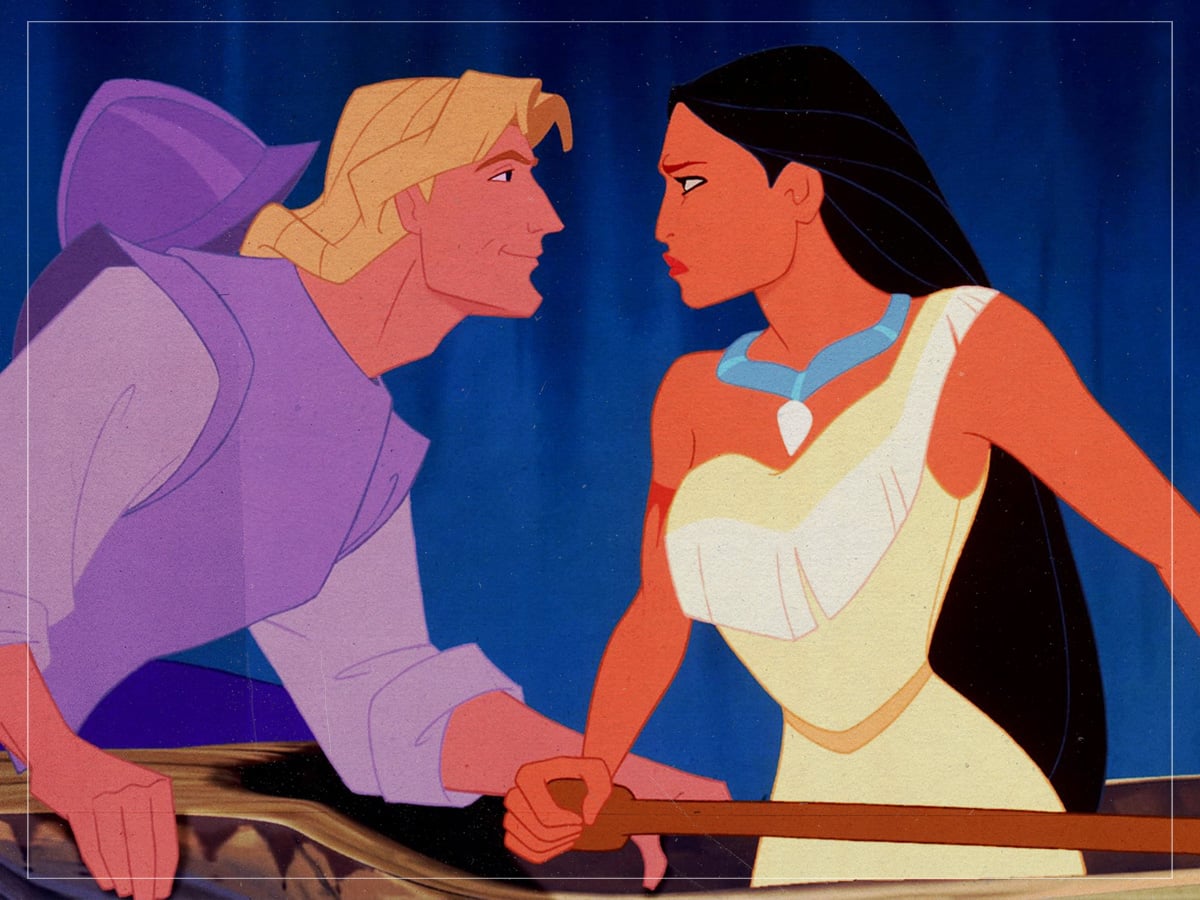
The white saviour archetype is brought up often when discussing the history of race relations in Hollywood, but it doesn’t always mean what some perceive it to be. While some pundits have found grievances with science fiction films like Avatar or John Carter that feature a metaphorical white saviour, this isn’t really a lie if it’s based on a fantastical premise.
The blatant lying comes when historical figures are either created or heavily revised in order to overstate the importance of white characters, such as Disney coming under fire for the depiction of John Smith in Pocahontas, which ignores the genocide of Native Americans by European colonists. To be fair, not every Hollywood actor has committed to this trend, as Tom Cruise famously turned down the opportunity to star in The Mask of Zorro because he knew it would be ridiculous for him to play a character of Latin descent.
The authority of the police
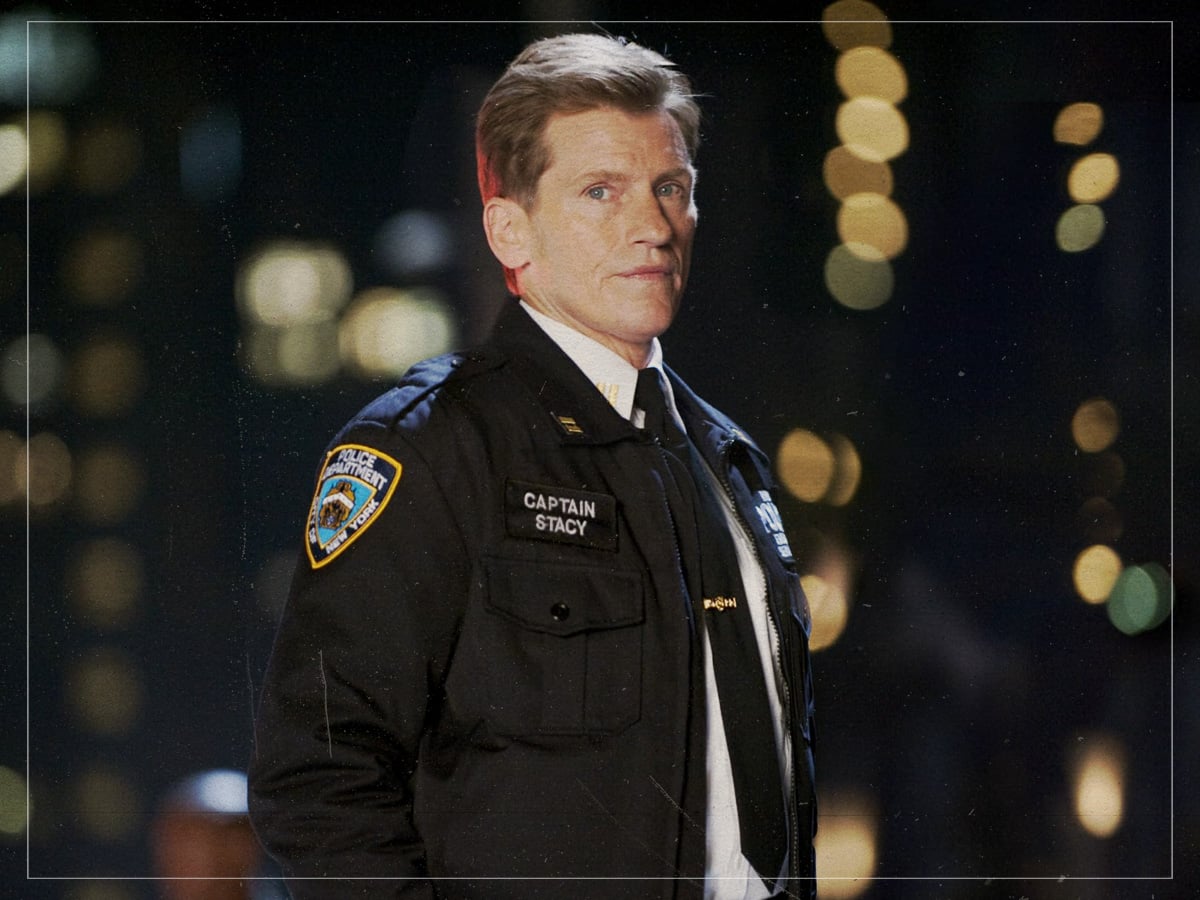
Crime cinema has a way of overstating and blowing up the authority police have, which don’t acknowledge the various laws and protocols in place. Cops don’t do much of the work on crime scenes that are left to forensic investigators, and interrogative techniques such as the ‘Rorschach test’ are rarely used in real life.
A great example of this is in the Spider-Man franchise, which frequently sees the webslinger facing off with authorities that overstep their domain. In The Amazing Spider-Man, Captain George Stacy, played by Denis Leary, issues a warrant for Spider-Man’s arrest, despite the fact that this isn’t something a cop would do. On the flipside, it is equally unlikely that the police would work alongside a masked vigilante whose identity is a secret, which the officers of the Gotham City Police Department do in most Batman films.
“I can fly anything!”
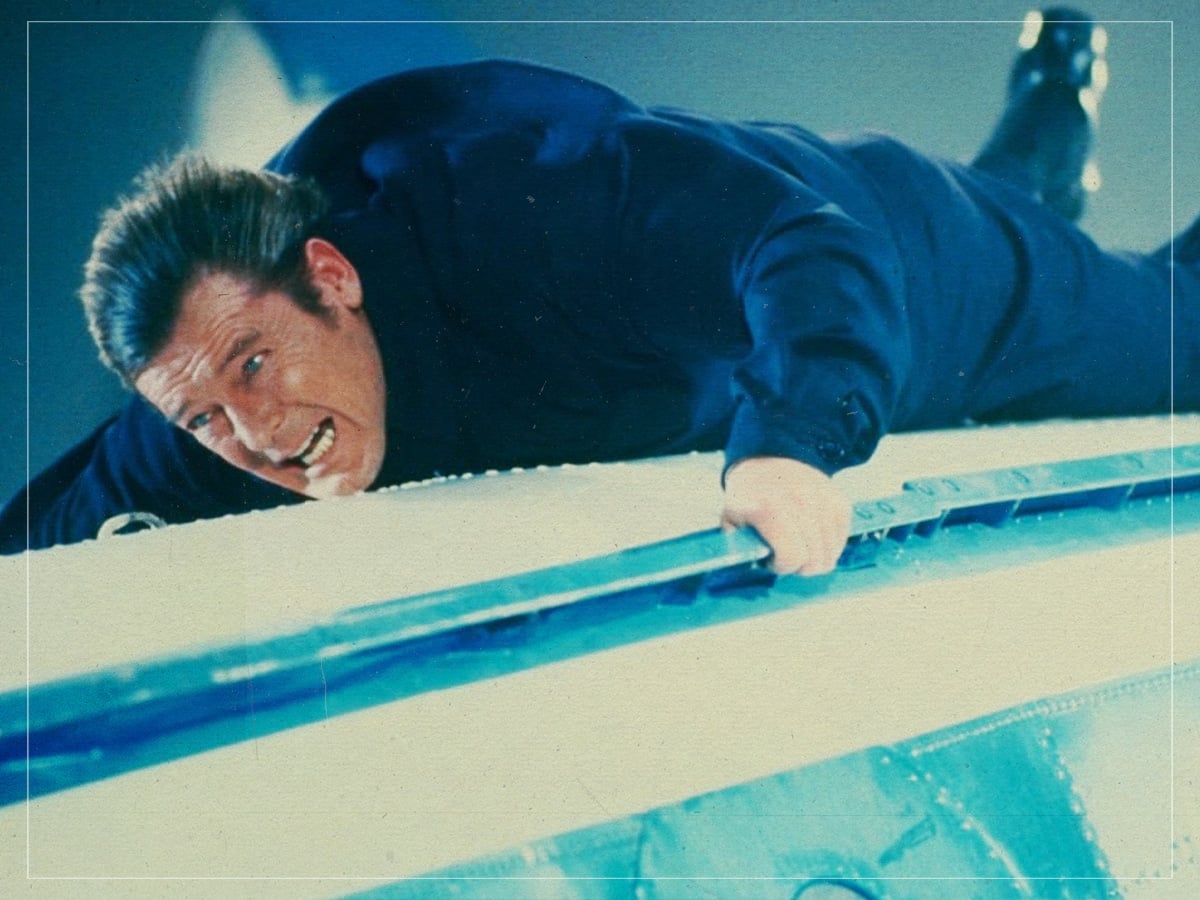
A quote voiced by countless movie heroes is “I can fly anything”, which is a gross overestimation of how much a normal person has the ability to pick up the controls of a complex moving vehicle. It’s hilarious how often chases are based on the notion of a car being stolen, as being able to kickstart a vehicle without the keys is a skill that few people possess.
There’s no bigger sinner in this regard than James Bond, a character who has seemingly adopted training on how to use a plane, a submarine, any number of cars, and motorcycles, all of which he rides without wearing a helmet. There are a lot of unrealistic gadgets in the Bond series, but they are somehow more believable than the idea that Roger Moore (in his 50s) could learn to fly a military test plane on a whim, which he does in Octopussy.
Amnesia is common
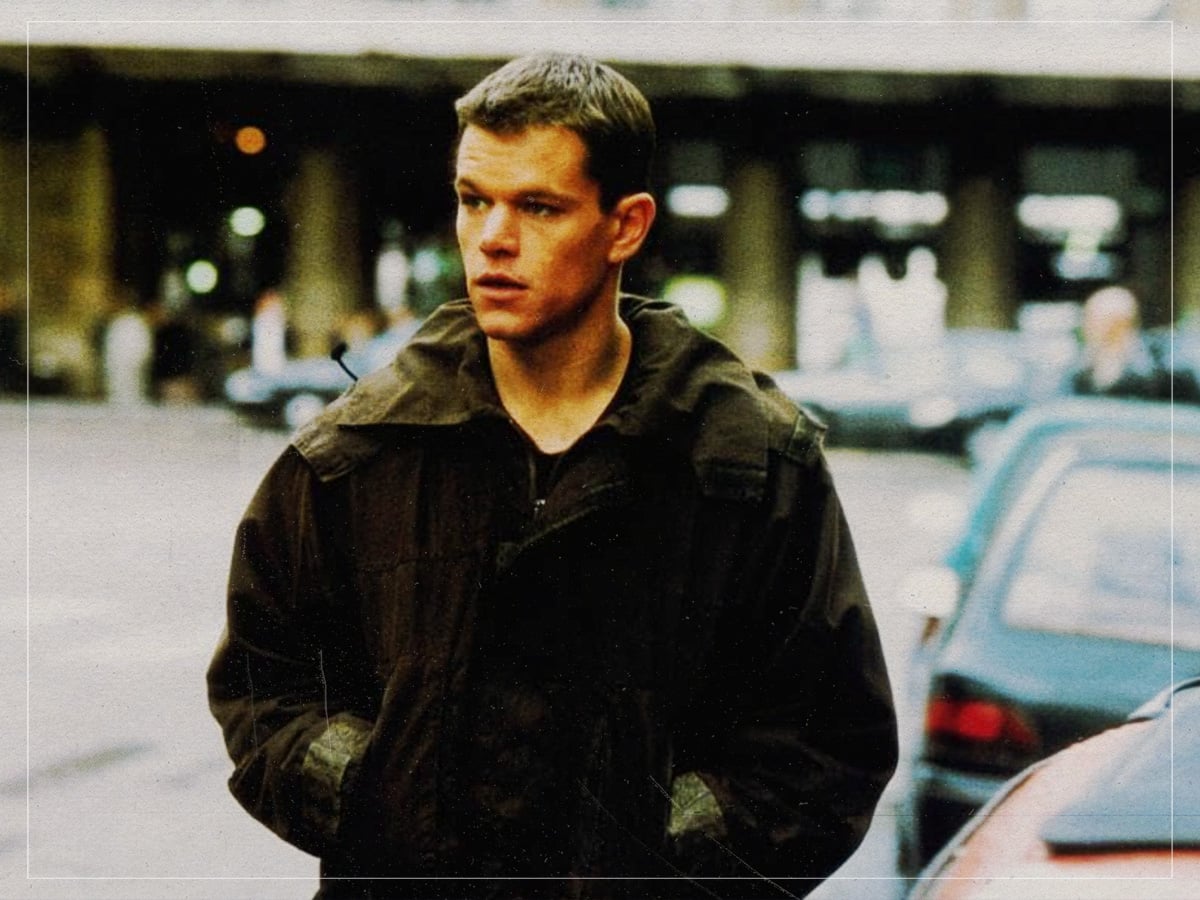
Amnesia is a medical condition that is very rare, and in real life, unfolds unlike the way it is depicted in most films. While the notion of someone suddenly suffering from amnesia has its roots in daytime soap operas, it has become a recurring cliché in cinema thanks to 50 First Dates, Memento, The Lookout, Ghost in the Shell, and Dark City, among many others.
The Bourne Identity kick-started an entire franchise and gave Matt Damon his most iconic role on the premise that a black ops agent could lose his memories, yet still remember all of the combat skills that he learned in his former life. No one would deny that the Bourne series has included some of the best and most entertaining action films of the 21st century, but it’s all based on a conciet that might as well be supernatural.
“From the brilliant mind of…”
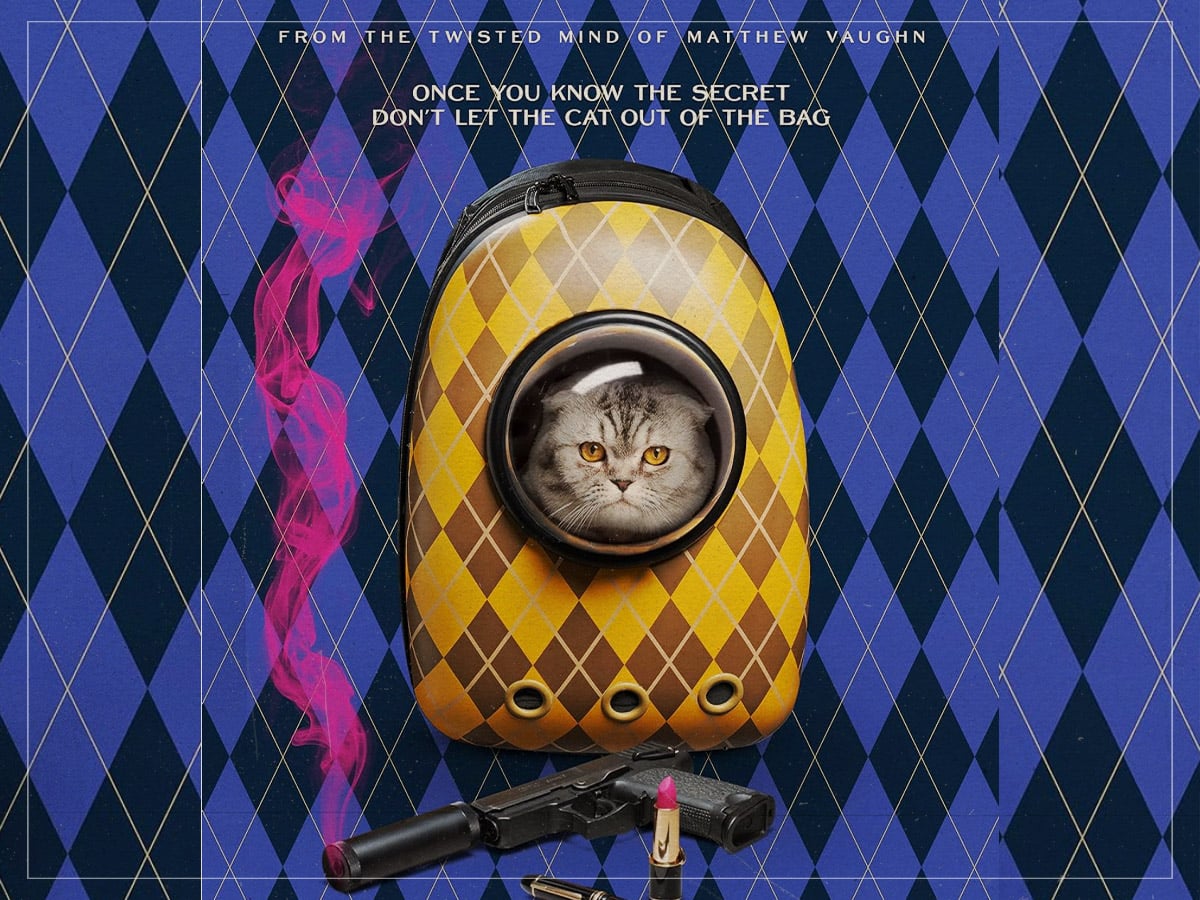
Trailers have taken up so much oxygen that studios are desperate to sell audiences on the notion of ‘prestige’, often leading them to overstate the achievements of someone involved in the production of the film. It makes sense for The Odyssey to be marketed simply as “from Christopher Nolan”, or for Disclosure Day to be listed as “from Steven Spielberg”, but it gets ridiculous when directors with only a few credits, or those without a solid track record, are framed as being worthy of the same name recognition.
No one wanted to watch Argylle because it was “from the twisted mind of Matthew Vaughn”, and The Wrinkle of Time still bombed after the trailer said it was “from visionary director Ava Duvernay”. There are also instances in which it’s just completely inaccurate, such as the trailer for Ready Player One that called the novel “Ernest Cline’s Holy Grail of pop culture”.
The gunfight at the OK Corral
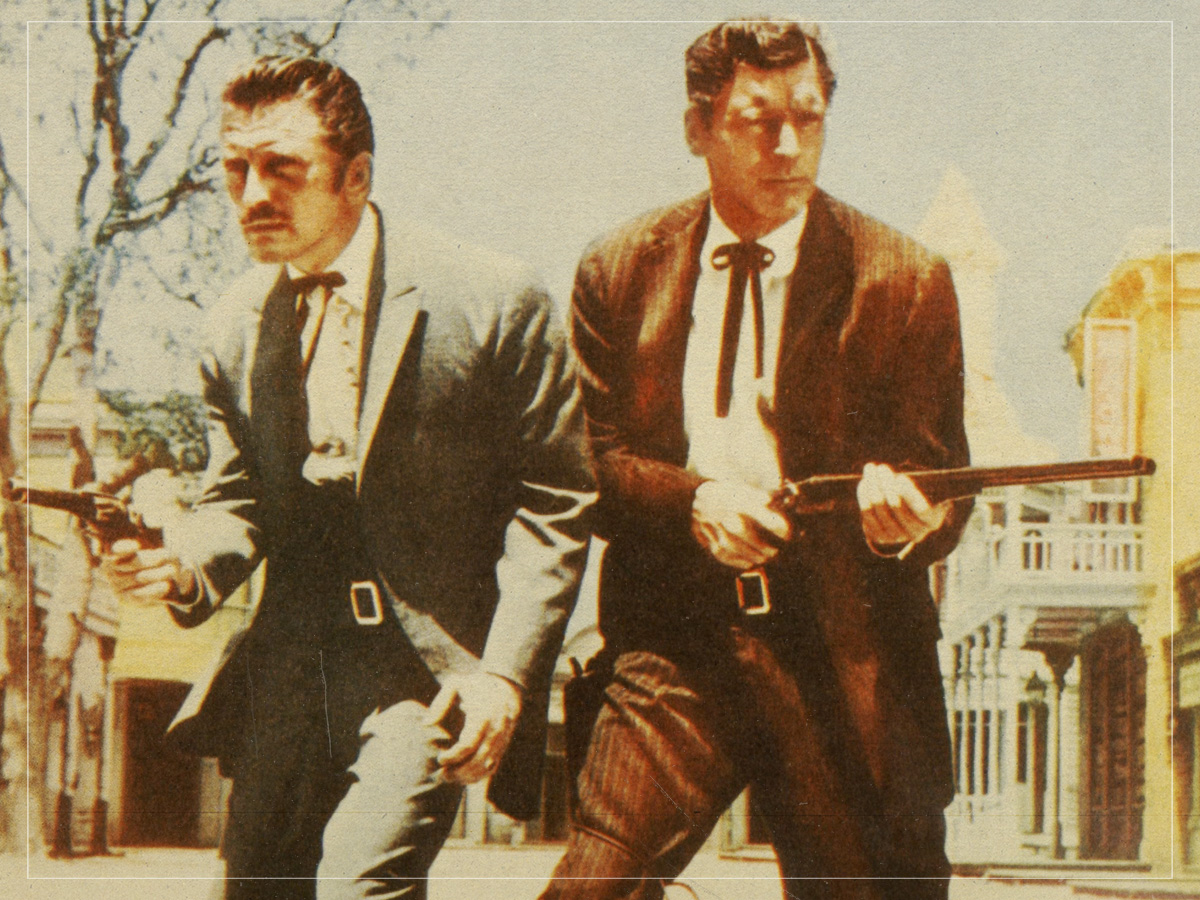
Western films have always presented the lifestyle of cowboys and gunslingers as being much more exciting than it actually was, as the real Wild West was a pretty dangerous and uncomfortable period in history. However, there is no incident in the mythology of this era that has been more overstated than the Gunfight at the OK Corral, in which Doc Holliday and the Earp brothers faced off with criminals in 1881.
The actual battle lasted less than a minute, but it was immortalised in cinema for the first time in the Walter Huston western Law and Order in 1932, and also inspired John Ford’s My Darling Clementine and the aptly named Gunfight at the OK Corral, which starred Kirk Douglas and Burt Lancaster. There was competition in the ‘90s when the Kevin Costner vehicle Wyatt Earp was released just a year after Kurt Russell starred in Tombstone, but neither film was accurate.
The Battle of the Alamo
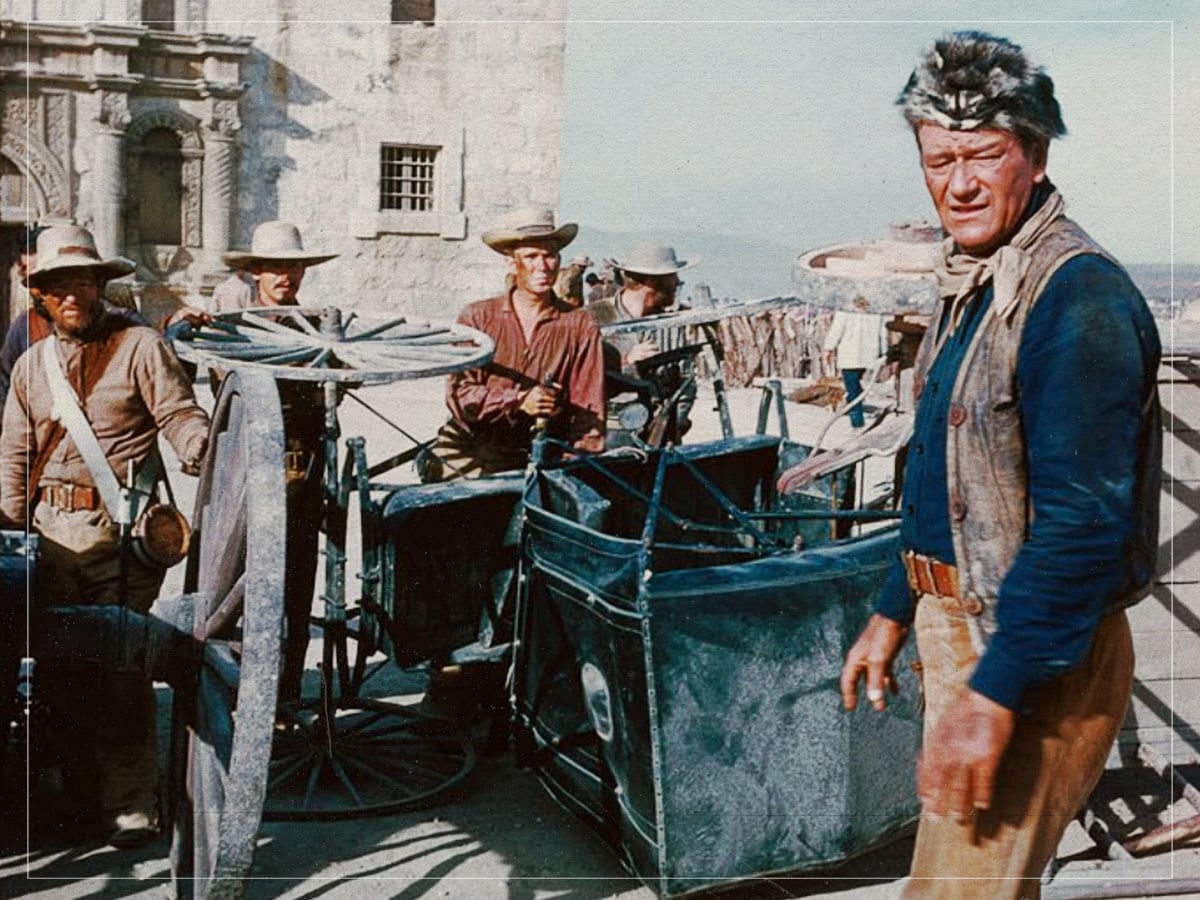
The Battle of the Alamo is another famous incident that has been mischaracterised by films, most of which portray a valiant group of freedom-fighting Texans standing up to the Mexican army, but that wasn’t the case. The 1836 battle was waged as part of the ‘Texas Revolution’, in which white colonists who had settled in Mexican territory (many of whom were slaveowners) attempted to secede as an independent nation through a violent uprising.
The Battle of the Alamo didn’t solve anything, as the Texans were wiped out, their independent ‘Republic of Texas’ only lasting ten years before it was annexed into the United States. Nonetheless, John Wayne bet his entire career when he directed and starred as Davy Crockett in The Alamo, and Billy Bob Thornton played the same role in a 2004 remake that became one of the biggest flops of all time.
The authority of journalists
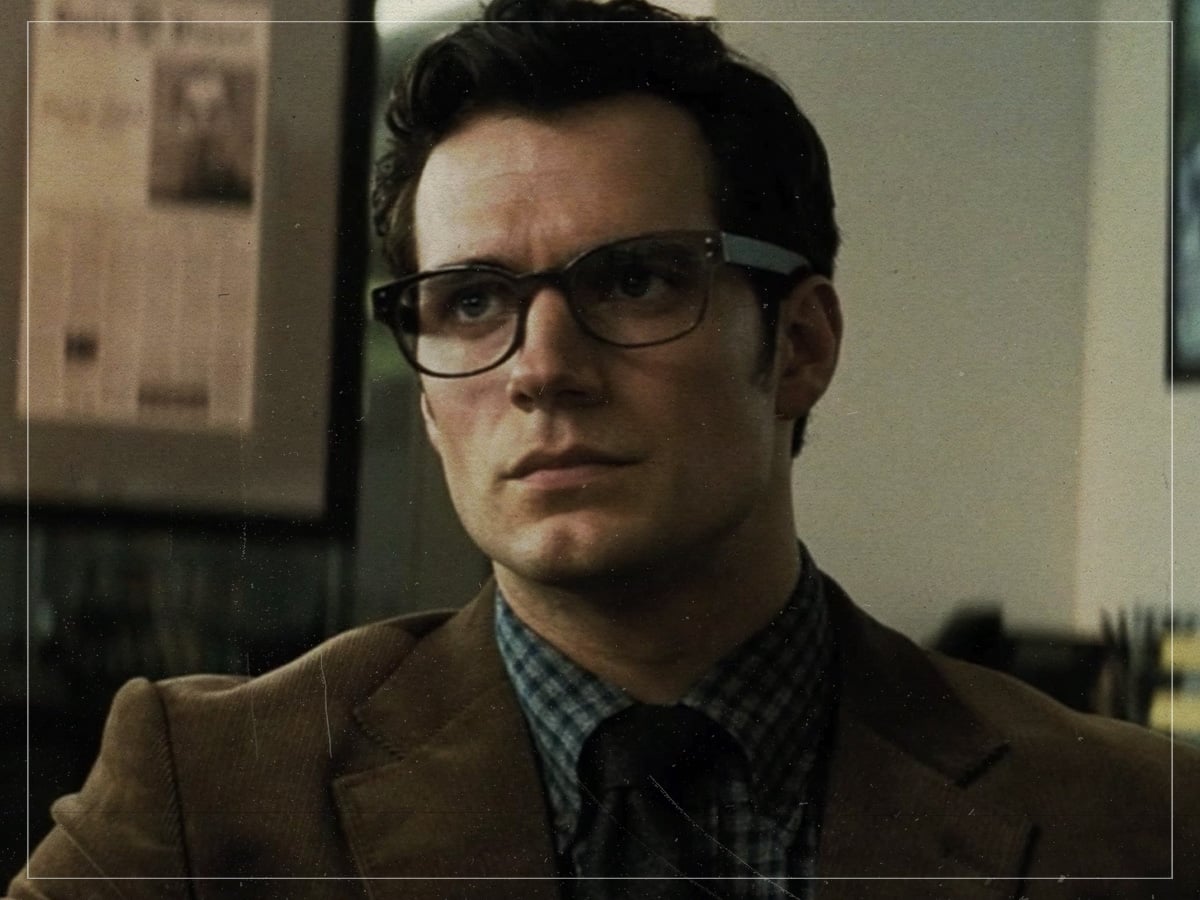
There are some great films about journalism out there, such as All the President’s Men and Spotlight, which accurately depict how reporters go through the process of vetting a story, but Hollywood is often keen to make the profession look much flashier than it actually is. News writers aren’t the sole investigators as they are in The Pelican Brief, interviewers don’t manipulate their subjects like in Top Five, anonymous photographs aren’t run as they are in Spider-Man, and reporters can’t just burst into the White House as they do in Civil War.
The most blatantly ridiculous recent example is in Batman v Superman: Dawn of Justice, in which Henry Cavill‘s Clark Kent ignores the assignment from his editor, Perry White, played by Laurence Fishburne, so that he can investigate Ben Affleck’s Batman. If the Daily Planet were an actual publication, Clark would be out of a job.
