


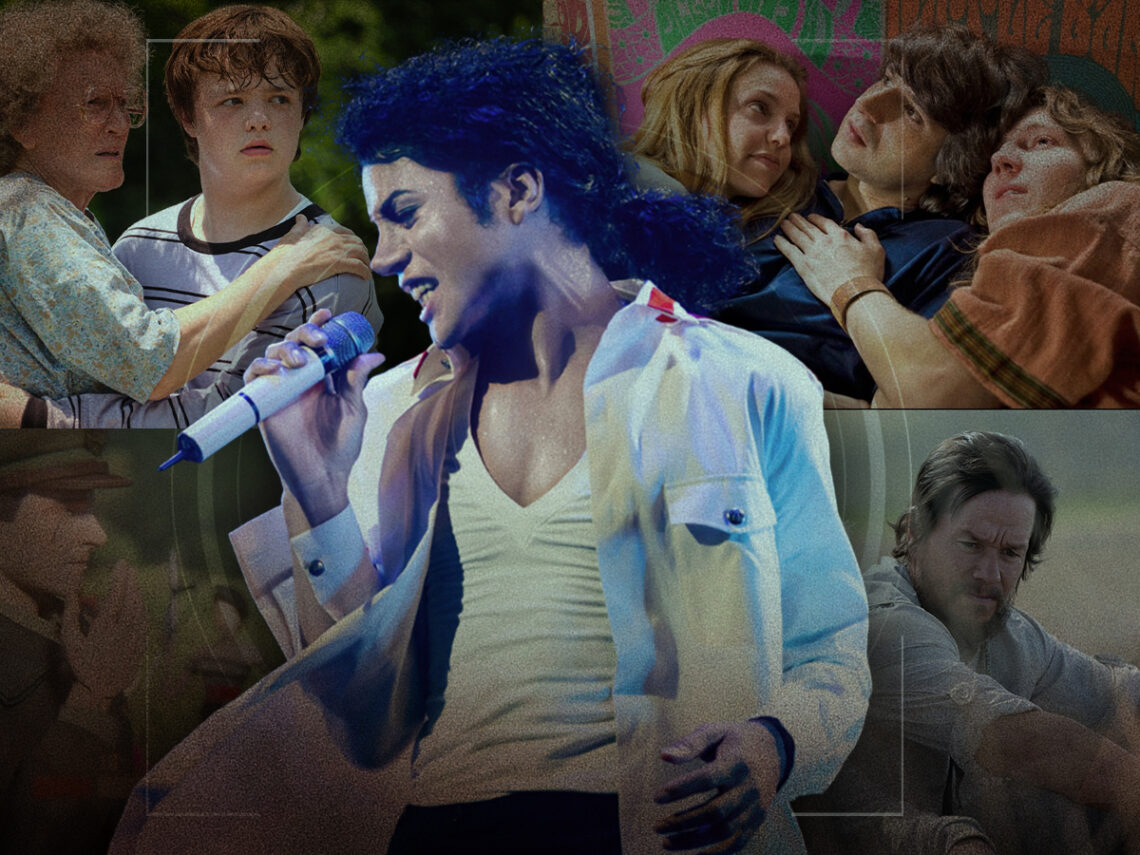
The 10 most manipulative biopics in Hollywood history

When it comes to film marketing, the phrase ‘based on a true story’ should not be taken seriously.
Originality is hard to come by in the entertainment industry, and that lack of imagination isn’t limited to the sequels, prequels, remakes, reboots, and spinoffs that are made from established franchises. Taking the life of a famous person and using it to tell a generic biopic may not require a great deal of imagination, but it has recently proven to be quite lucrative at the box office.
Of course, truth doesn’t have anything to do with a film’s performance, as it is often the case that these biopics intentionally try to avoid anything controversial as a means to not irritate any of the living family members or fans. Not every biopic that fudges the facts is necessarily manipulative.
While films like Goodfellas and Marty Supreme are ostensibly biopics about real people, they required so much imagination on the part of the filmmaker that they essentially suffice as original stories. Similarly, there are films that are very clearly taking a creative approach within their depiction of history, such as Spike Lee’s BlacKkKlansman or Todd Haynes’ I’m Not There.
The issue is when films claim to be based on true stories and simply avoid the truth, mislead the audience, and recreate situations in a way that leaves viewers with a false impression. If a film bases its entire appeal on the notion that it is presenting a faithful and accurate recreation of someone’s life, it is entirely fair to criticise those involved for misleading the viewers in order to appease the subjects.
The 10 most manipulative Hollywood biopics:
‘Whitney Houston: I Wanna Dance with Somebody’ (Kasi Lemmons, 2022)
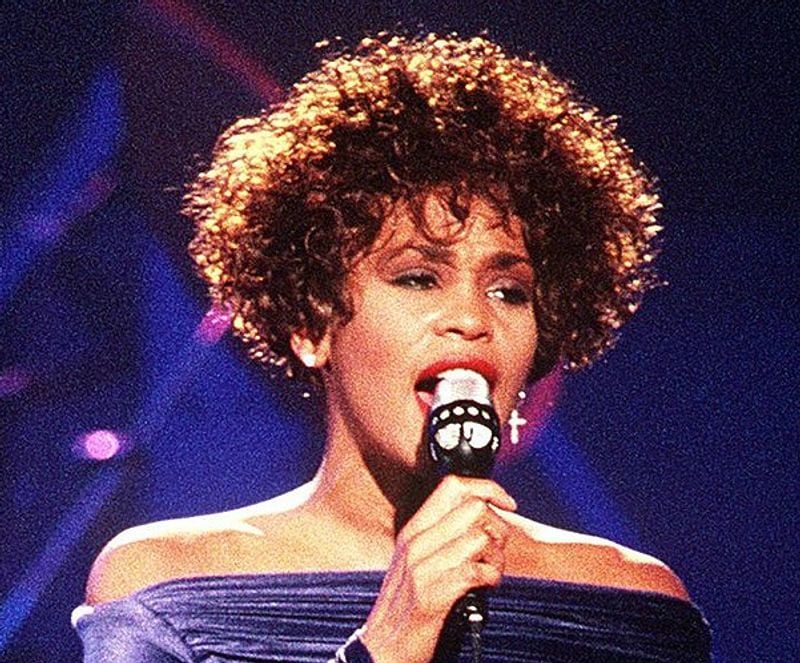
Whitney Houston broke countless records and made major leaps forward for Black representation in music, and while it’s understandable that a biopic intended to be inspirational would try to avoid anything that could feel too gloomy, offering a sanitised, PG-13 version of her life is inauthentic to Houston’s rise to prominence, where the difficult situations she faced only help make her triumph even more impressive.
Whitney Houston: I Wanna Dance With Somebody does its best to include every single one of Houston’s hits, and does feature a strong performance from Naomi Ackie, but the film barely touches on her fluid sexuality, drug use, or the unusual scenario regarding her proposal, nor does it provide anything surprising about Houston, which feels misleading when considering how highly-publicised her downfall was during the final years of her life.
‘The Blind Side’ (Michael Lewis, 2009)

Sandra Bullock is currently receiving a fair amount of backlash for her comments in support of AI, but that’s nothing compared to the controversy she earned after winning the Academy Award for ‘Best Actress’ for The Blind Side, one of the most malicious and problematic biopics Hollywood has ever made.
The film presents an idealised version of how Bullock’s character Leigh Anne Tuohy took in the Black high school student Michael Oher, played by Quinton Aaron, and suggests that it was her kindness that helped save his life and give him a career, whereas the real Oher has accused the Tuohy family of placing him in a conservatorship relationship in which he had no free will, and continues to speak out about how his life story was falsely transformed into a piece of propaganda that perpetrated harmful stereotypes about contemporary race relations.
‘Back to Black’ (Sam Taylor-Johnson, 2024)

Amy Winehouse received the ultimate cinematic tribute in the award-winning documentary Amy, which explored the heartbreaking trajectory of her career leading up to her final concert, offering the final word on her legacy, but Hollywood couldn’t help but still try to profit off of tragedy by making another formulaic biopic.
Even by those standards, Back to Black is legitimately malicious in how it evokes horrific imagery to showcase Windehouse’s struggles, and places the blame on her for drug addiction issues, seemingly valorising the efforts of her father, Mitch, played by Eddi Marsan, who is cleared of any wrongdoing and desires the significant evidence to the contrary that was provided by the Amy documentary. Despite a powerhouse performance from Industry actor Marisa Abela, Back to Black reduces Winehouse to being a difficult artist with no motivation other than to “not be a Spice Girl”.
‘LBJ’ (Rob Reiner, 2016)
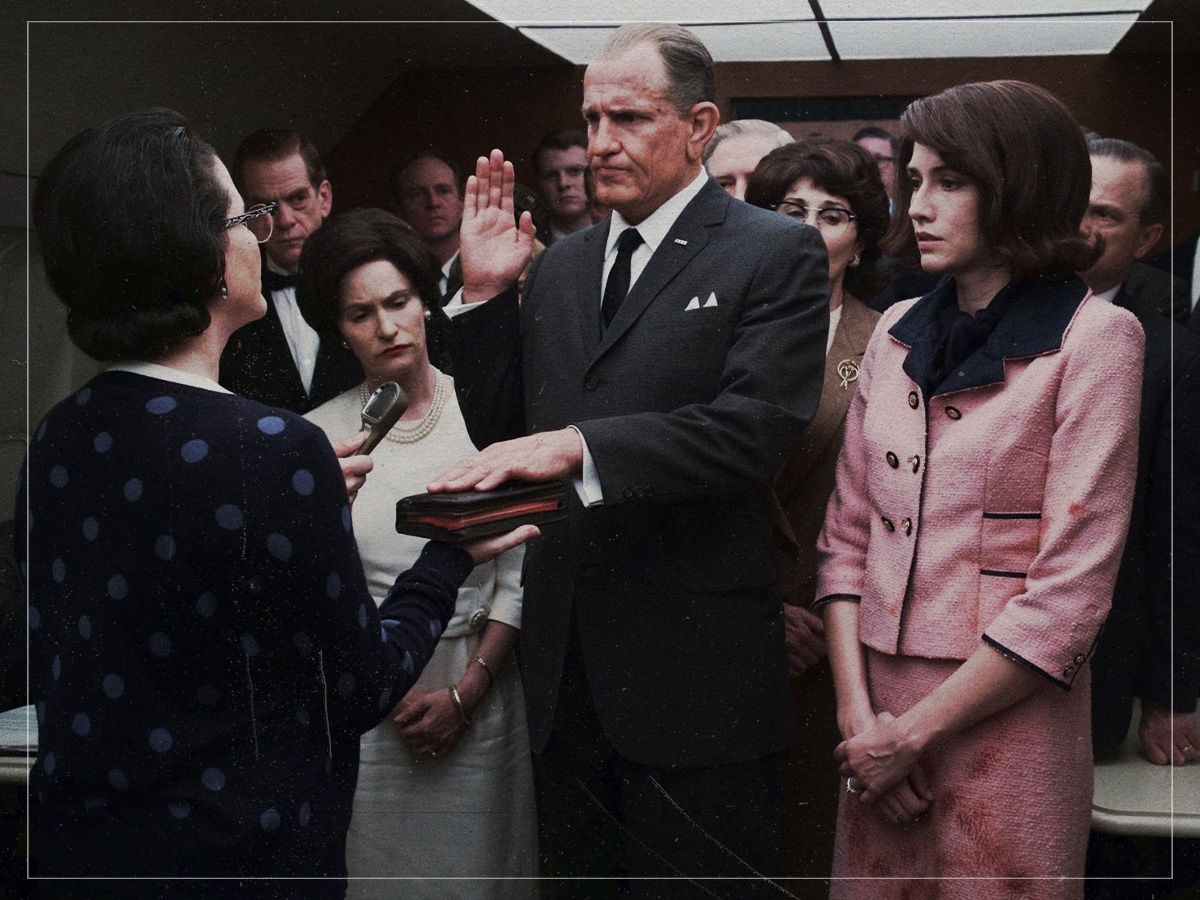
Rob Reiner is a legendary director whose death naturally inspired an outpouring of tributes from all members of the industry, but he probably wasn’t the right person to helm a biopic about a fairly thorny United States president in the form of Lyndon B Johnson, who did some noble things, such as passing the Civil Right Act, but was also a notoriously more conservative member of the Democratic Party, opposing President John F Kennedy on many issues, including the decision to send troops into Vietnam.
Most erroneously, Reiner’s biopic depicts Johnson as being inspired by Kennedy to make the Civil Rights bill a reality, while in actuality, he had to be coaxed into this position, of which a more accurate portrayal exists in Ava Duvernay’s film Selma, where Johnson, played by Tom Wilkinson, refuses to commit to the arrangements made with Dr Martin Luther King Jr, played by David Oyelowo.
‘Hillbilly Elegy’ (Ron Howard, 2020)
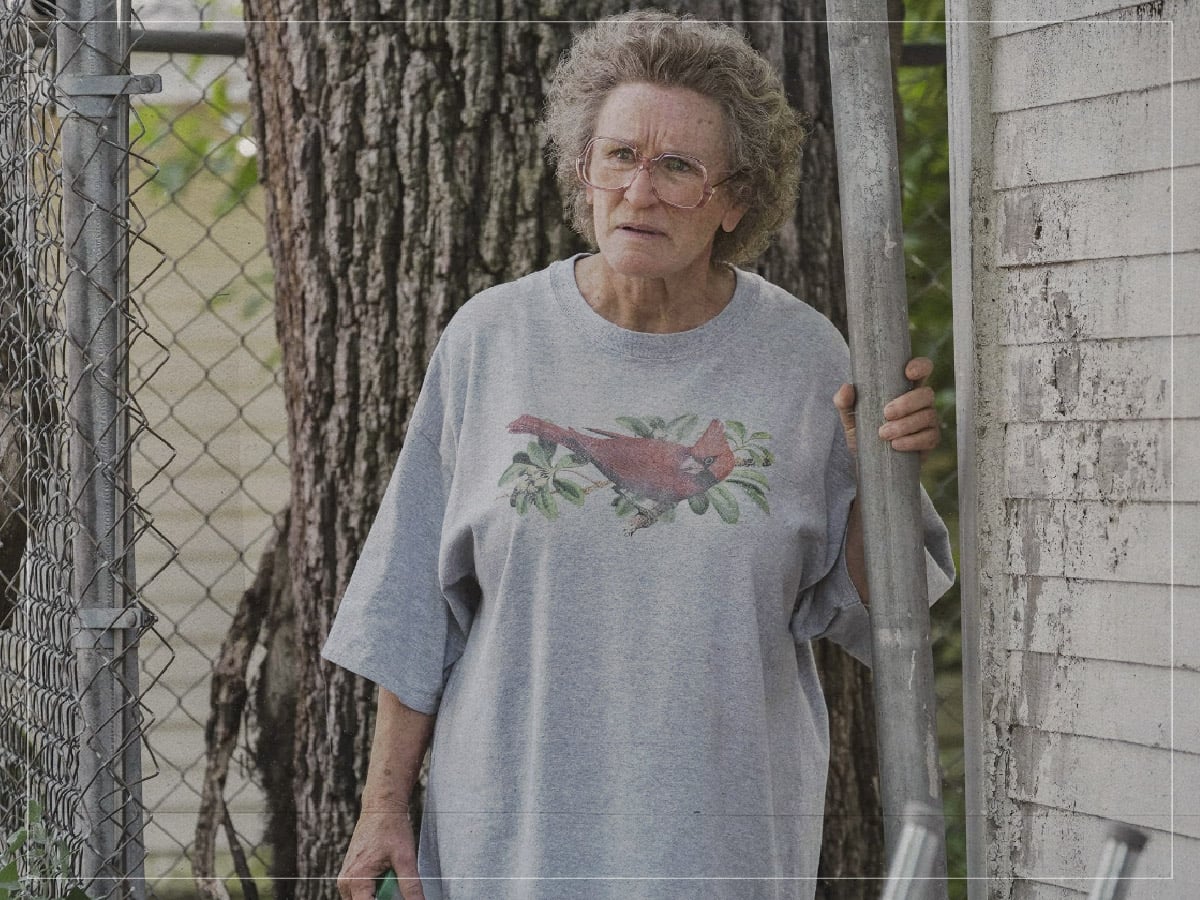
Ron Howard is a highly respected director who has made many classics and hidden gems, and he’s generally viewed as being one of the nicest people in the industry, but he missed the mark entirely when he tried to make a good-faith adaptation of JD Vance’s biopic, Hillbilly Elegy, which presented the future vice president as being a sincere and honorable figure who succeeded through kindness and empathy.
While Howard may have been trying to make a film that soothed political tensions by being positive about someone whose positions he disagreed with in real life, Hillbilly Elegy is so reverential towards Vance that it ends up feeling like a piece of propaganda, to the extent that it was the extremely negative reviews for the film that Vance credited for being one of his motivations to get into politics, leading him to the White House.
‘Joe Bell’ (Reinaldo Marcus Green, 2021)
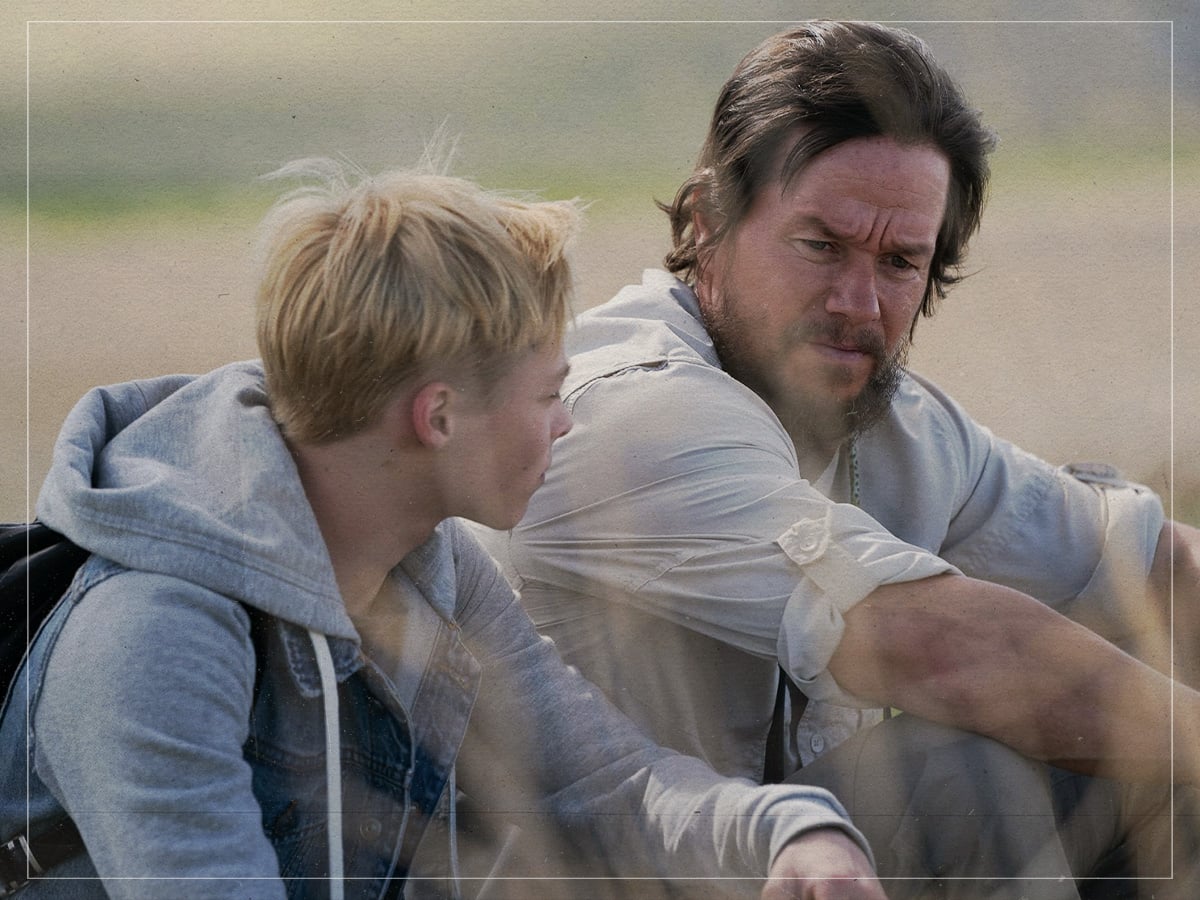
Mark Wahlberg has made an incredibly strange career pivot in the last few years, where he has moved away from making auteur-driven films with directors like James Gray and David O Russell, and has instead tried to reframe himself as a faith-based, family-friendly star. Wahlberg’s ego became legitimately harmful with the film Joe Bell, in which he plays the father of a bullied gay teenager who died by suicide.
It doesn’t do any good to make a film about a tormented child and completely focus on his straight father character, and Joe Bell sidesteps any serious conversations about toxic masculinity and homophobia for the more simplistic rhetoric of “can’t we all get along?” It’s particularly odd for these empty sentiments to be coming from Wahlberg, who has been criticised throughout his career for his past history of violence and hateful speech.
‘Unfrosted’ (Jerry Seinfeld, 2024)
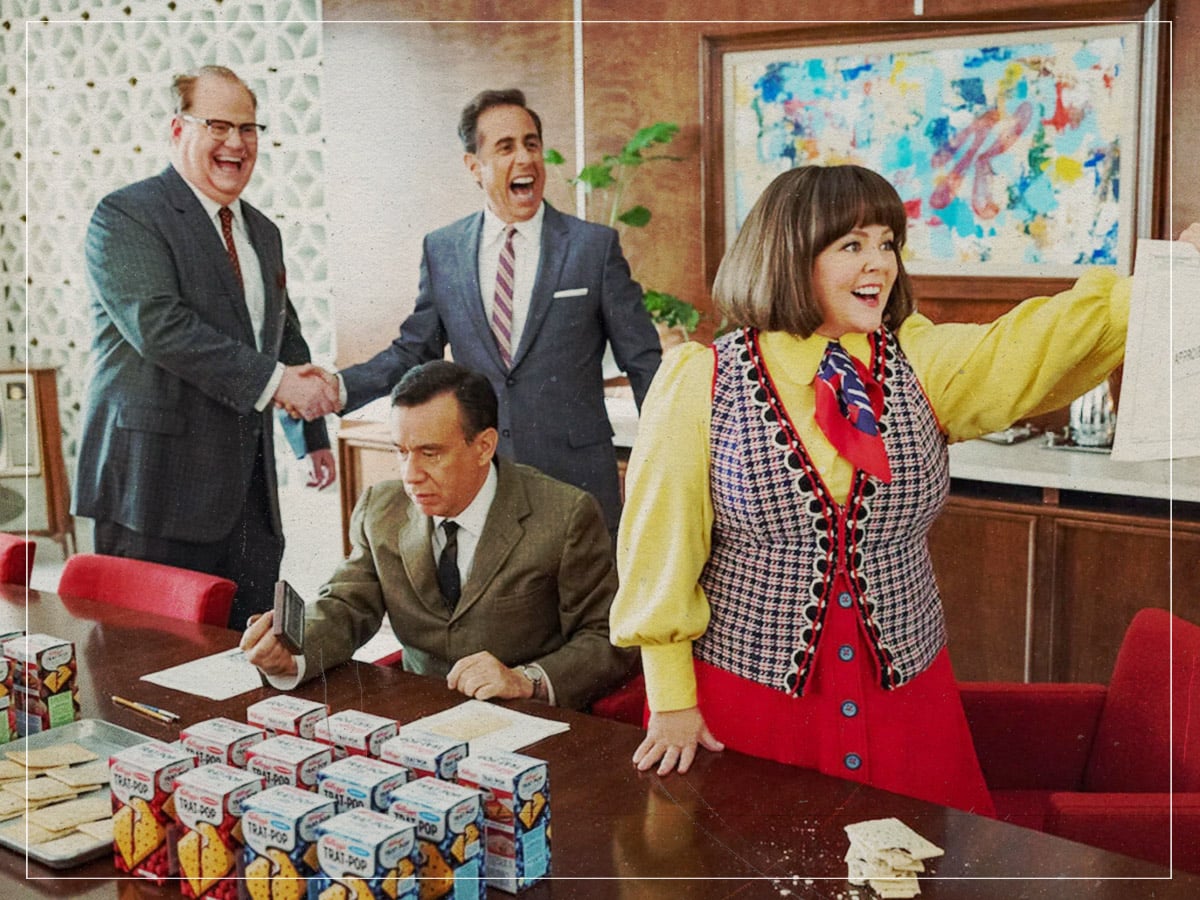
Jerry Seinfeld is fascinating in the sense that he was once the star of television’s biggest show and is easily one of the most successful stand-up comedians of all time, yet he seems to be involved only in films that are completely embarrassing. Netflix shockingly agreed to give Seinfeld $70million to make Unfrosted, a film that dramatises the creation of the Pop-Tart by showing the rivalry between the Kellogg’s corporation and their rivals at Post.
None of the characters who work for Kellogg’s, including those played by Seinfeld and Melissa McCarthy, are real, and the film fictionalises an uprising led by Tony the Tiger voice actor Thurl Ravenscroft, played by Hugh Grant, and the other mascots. Although the inclusion of people like President Kennedy, played by Bill Burr, and Andy Warhol, played by Dan Levy(!) were clearly intended to be satirical, it’s still confusing as to why Seinfeld thought that anyone would care about this story.
‘Welcome to Marwen’ (Robert Zemeckis, 2018)
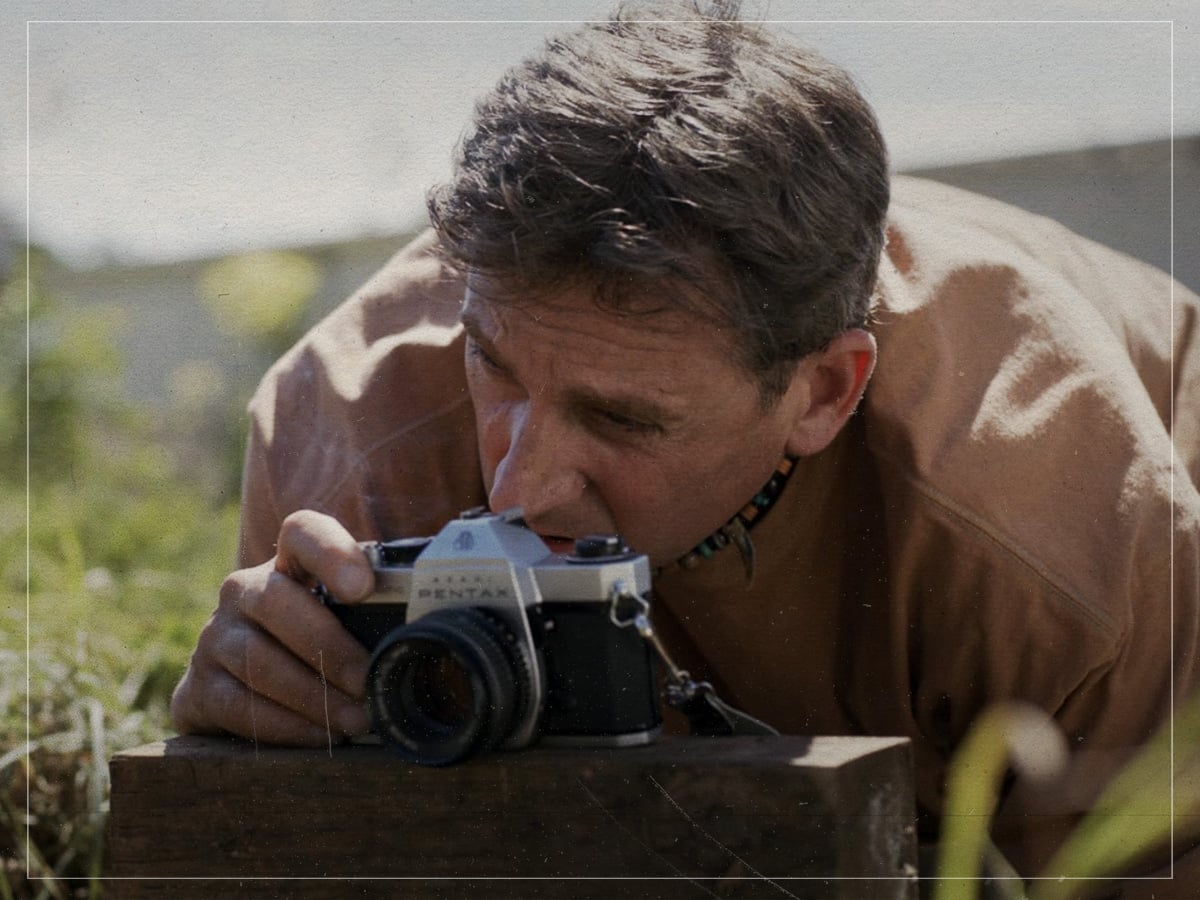
Robert Zemeckis has tanked his career in shocking ways, given that he was once considered to be the heir-apparent to Steven Spielberg by becoming obsessed with using motion-capture and computer-generated imagery in unsightly, creepy ways, and Welcome to Marwen might be his most blunderous mixed-media project yet. What’s sad is that the film is based on an empowering true story about Mark Hogancamp, a man who created dioramas of World War II figurines as a means of coping with trauma after being assaulted by some men in a bar.
Although everything that is powerful about Hogancamp’s story can be found in the 2010 documentary Marwencol, Welcome to Marwen fabricates information about his prior interest in drawing World War II comics, invents a cast of female characters that he recreates as action figures, and avoids discussing his alcoholism and relationships with his extended family for a bafflingly untrue portrayal of a complex man.
‘Taking Woodstock’ (Ang Lee, 2009)
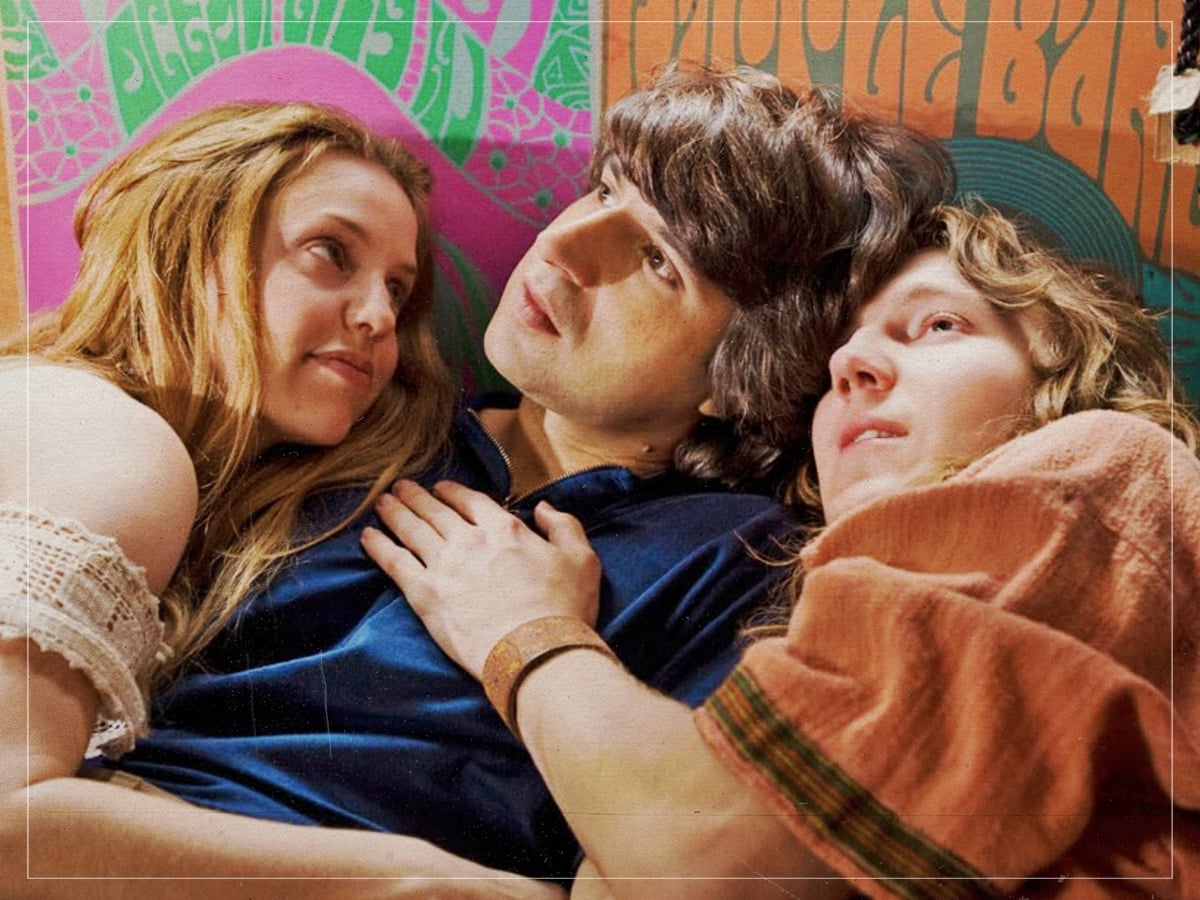
Ang Lee is a director who has seemingly always taken an interest in pushing cinema forward through the use of groundbreaking technical aspects, which makes it all the more confusing why he would choose to dedicate his time to a banal biopic like Taking Woodstock. While there was a lot of potential to make a film about the Woodstock festival that spoke to how it represented a sea-change in terms of ‘70s culture, Taking Woodstock is entirely focused on the volunteer Elliot Tiber, played by Demetri Martin, who offered up his family’s hotel to serve as the headquarters for the entire event.
Tiber’s memoir was used as the film’s primary inspiration, but it was found to be highly exaggerated in terms of how much credit he received for being involved in the planning of Woodstock, and his relationship with the farm owner, Max Yasgur, played by Eugene Levy.
‘Michael’ (Antoine Fuqua, 2026)

Michael Jackson was going to be a controversial subject for a biopic, no matter what, but Michael was actually legally not allowed to be entirely truthful about his story, because of a clause in a settlement between those who had accused Jackson of child molestation, which barred the film from including any references to those cases.
The issue only arose after the film had been shot, forcing Lionsgate to spend another $15million to rework the third act, and, of course, there is the matter that it’s also produced by the Jackson estate, who ensured that the musican would be depicted as nothing but a victimised, messianic figure of music, with no references to his drug use, marital issues, bouts of anger, or alleged pedophilia. The film seems likely to receive a sequel, which will make it particularly interesting to see how Lionsgate will try to avoid subsequent bouts of controversy sure to arise.
