


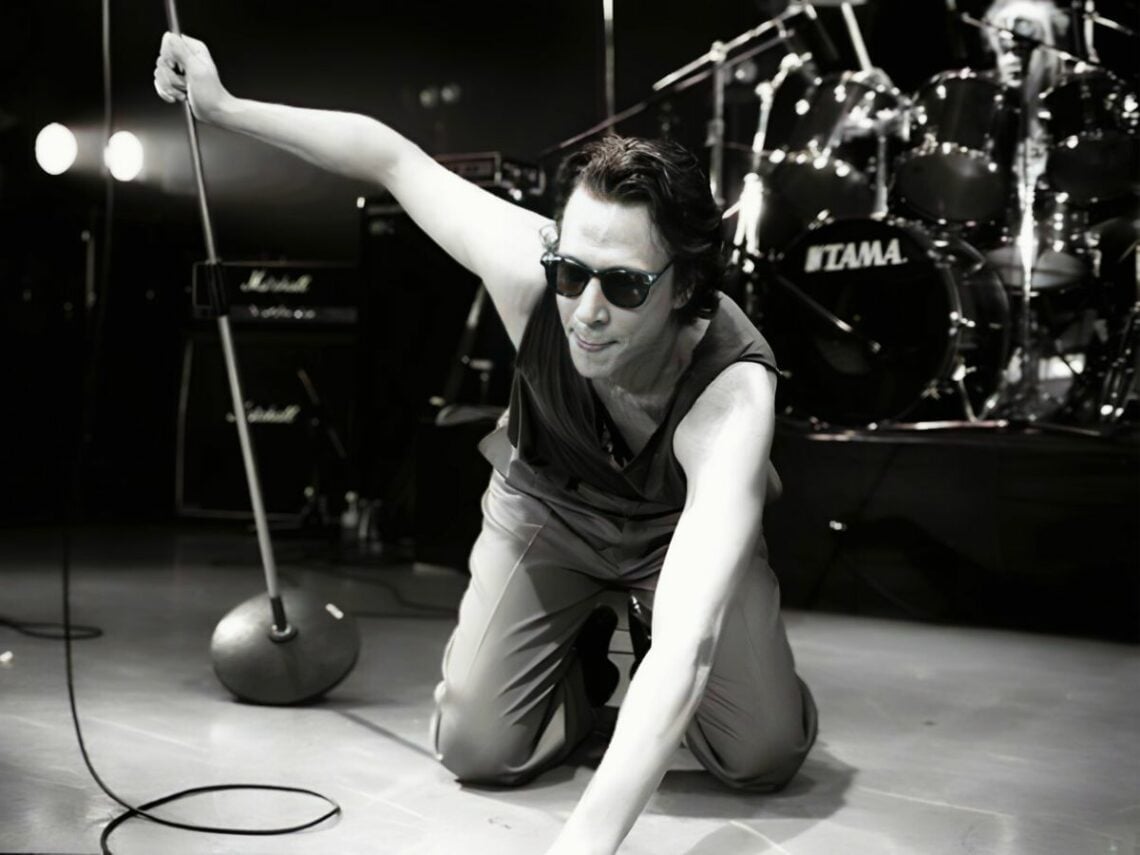
The music that Richard Hell grew up listening to

The genre of punk rock has not seen too many figures as notable as Richard Hell. An archetypal figure of the New York scene, Hell – real name Richard Lester Meyers – rose to prominence as a member of the incredible CBGB group Television before embarking upon a successful solo career with his band The Voidoids. His career is, in part, owing to the vast range of artists Hell was exposed to during his youth in the 1960s.
As far as origin stories go, punk rock potentially has the most contentious. While some would list proto-punk groups like The MC5 or The Stooges as the progenitors of the genre, others would go back further to the shock rock of Screamin’ Jay Hawkins. Regardless of its true origins, it stands to reason that the genre would be virtually unrecognisable without the pioneering influence of garage rock during the 1960s.
Tracks like ‘96 Tears’ or The Kingsmen’s ‘Louie Louie’ provided everything that punk rock would later claim to invent; from distorted guitar tones to DIY recording methods and a ‘live fast, die young’ attitude, it is all captured within the garage rock scene. Garage rock itself was inspired by the harder end of the British invasion, with bands like The Kinks and The Who spearheading amphetamine-fuelled anarchic rock tunes.
It was this new generation of post-war rockers that formed Hell’s youthful listening habits during the 1960s. In many ways, this should come as no surprise. The lineage of garage rock and the proto-punk of groups like The Who is clearly evident within the music of Richard Hell. In fact, his defining track ‘Blank Generation’ could be seen as a direct answer to The Who’s seminal single ‘My Generation’.
Hell continued this legacy of garage rock on his 1982 album Destiny Street – a release Hell himself was reportedly dissatisfied with. Featuring covers of The Kinks’ ‘I Gotta Move’ and Bob Dylan’s ‘Going Going Gone’, the record was a love letter to Hell’s childhood influences. Speaking to Hazlitt in 2021, Hell said as much, “I wanted to make an album of the kind of music that originally inspired me: American garage band music, the music I grew up on as a young teenager in the ’60s.”
Continuing, Hell said, “That garage music—which is actually the music that was first called ‘punk’—was the inspiration for half of my songs on the record, and it was only natural to include some related covers too, the kind of repertoire of the ’60s party bands.”
He added, “This is how I think of it, though I can’t swear how conscious it was at the time.”
Despite his disappointment with Destiny Street, Hell did get the chance to remaster and re-record the album in the late noughties. Releasing Destiny Street Repaired in 2009, the punk icon’s tributes to the garage rock and British invasion music of his youth were finally available to hear in the way it was supposed to be originally, all the way back in 1982.
