


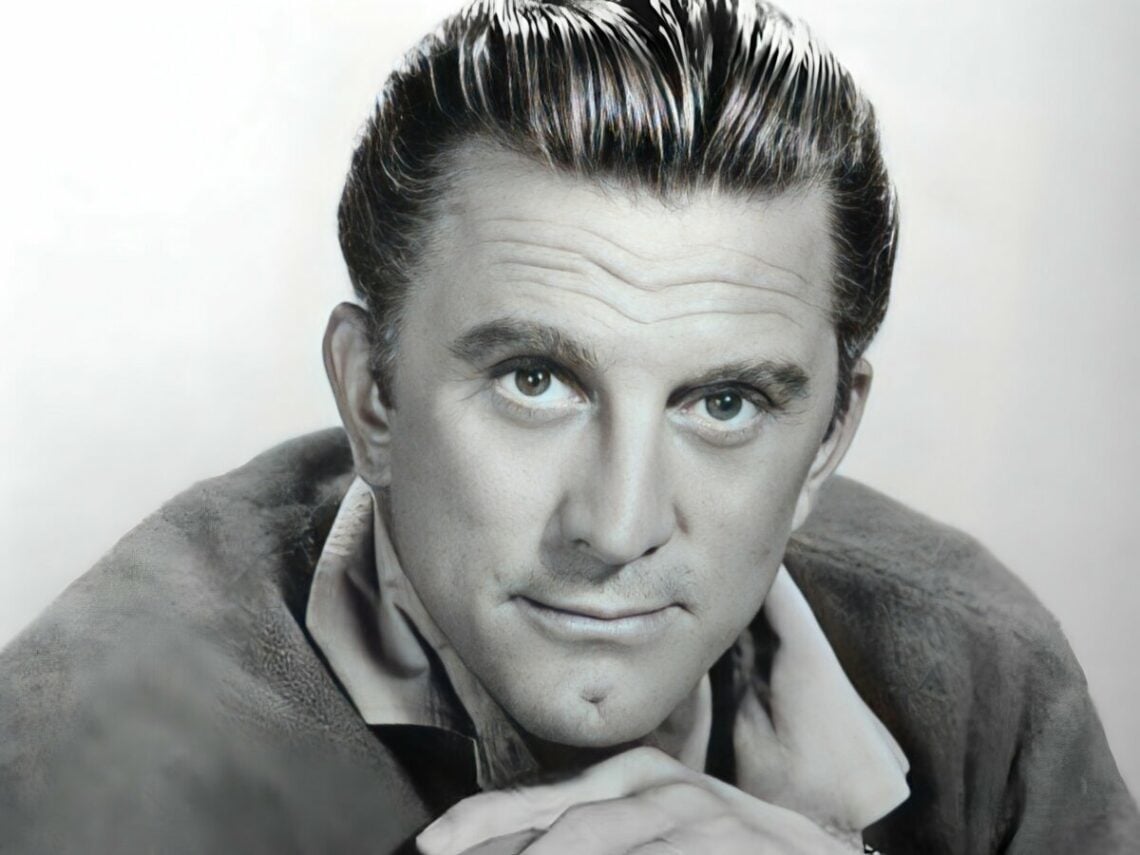
The movie Kirk Douglas only made because the president told him to: “He spent 20 minutes telling me”

Greenlighting any movie requires approval from many people, whether it’s studio executives and financiers or actors and filmmakers. However, it should go without saying that the President of the United States isn’t a name that gets involved too often, even if the nation’s leader was convincing enough to twist Kirk Douglas‘ arm.
Of course, government figures becoming too hands-on in any production is never going to be positive unless it’s wartime and propaganda pictures need to be pumped out to boost morale, which definitely wasn’t the case in the early 1960s when the actor was sitting on the fence about his next onscreen outing.
Douglas was on a high at the time, enjoying plenty of success at the dawn of the decade. He’d ushered it in with a victory that extended well beyond the corners of the silver screen when Stanley Kubrick’s Spartacus was both a critical and commercial success and instrumental in ending the communist-era blacklist by crediting screenwriter Dalton Trumbo under his real name.
The actor and producer was fresh off his personal favourite movie that he ever made, Lonely Are the Brave, and he was contemplating his next move. He’d been presented with a political thriller based on a popular novel, but Douglas wasn’t sure the subject matter would go down well with the cinemagoing public.
The story follows the president as he attempts to end the Cold War by agreeing to a disarmament deal with the Soviet Union, a move that infuriates several key members of his inner circle. When an aide discovers a sinister plot to overthrow the commander-in-chief and seize control of the White House, he’s forced into a dangerous game of cat and mouse that places the nation’s future on the line.
Seven Days in May had the potential to be a riveting potboiler, but even though he optioned the rights to the book and was key to its development through his production company, he wasn’t sure it was the right call. “I was advised that making this movie would be risky,” he told the Huffington Post. “Because it concerns an attempted military overthrow of the US government.”
During his period of deliberation, Douglas “ran into” John F Kennedy as one does when they travel in such circles, with the president stating his case. “He had loved the book and spent 20 minutes telling me why it would make a great film,” he explained. That was all the convincing the actor and producer needed, and he was now fully committed to Seven Days in May after his heart-to-heart with the most powerful person in the land.
In a cruel twist of fate, despite how instrumental he was in guaranteeing Douglas made the movie, Kennedy never got to see it. The finished feature premiered in Washington in February 1964, less than three months after JFK had been assassinated.
