


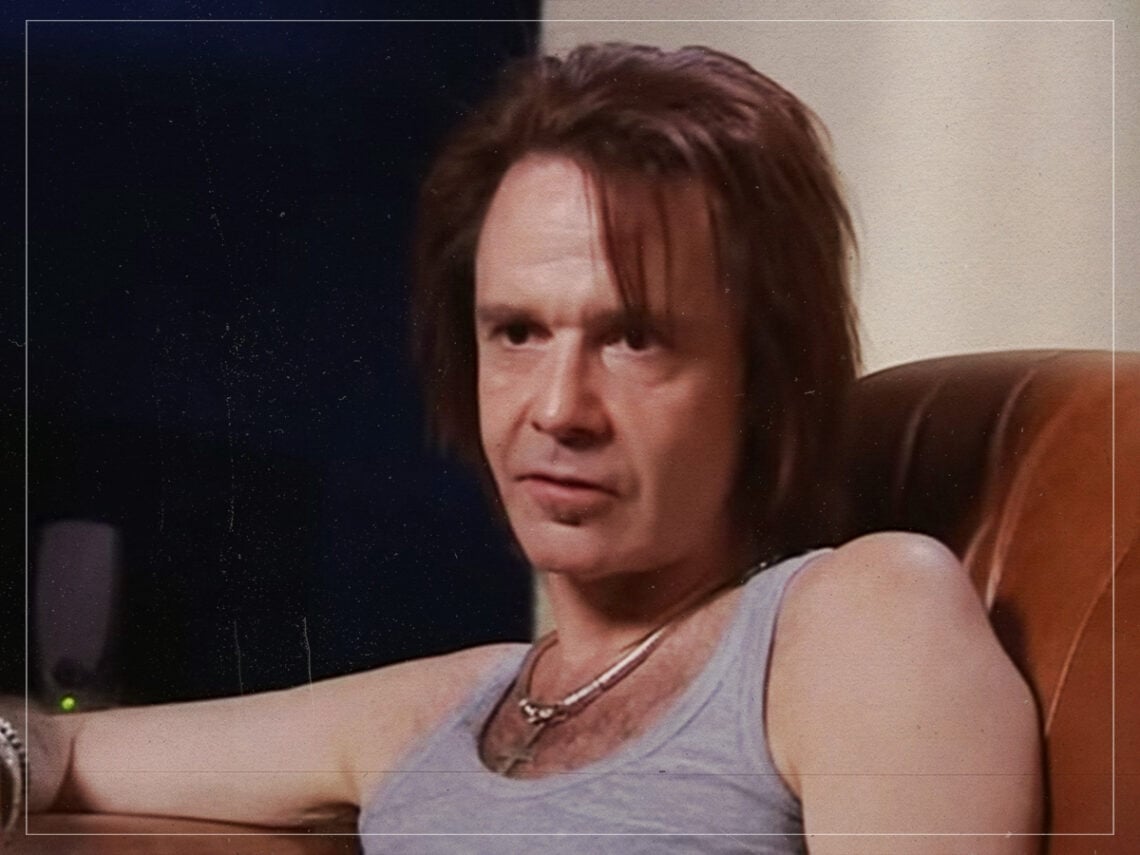
Brian Robertson: The unusual Motörhead member who never truly belonged

One of the reasons that supergroups are often less than the sum of their parts is that a great band isn’t merely a collection of skilled musicians. There needs to be a sense of chemistry between the members, or you end up with a situation like the one Motörhead were faced with in 1982.
Although Lemmy Kilmister was, inevitably, at the focal point of the metal heroes throughout their existence, the legendary bassist was always flanked by a deluge of dedicated musicians capable of giving life to Lemmy’s creations.
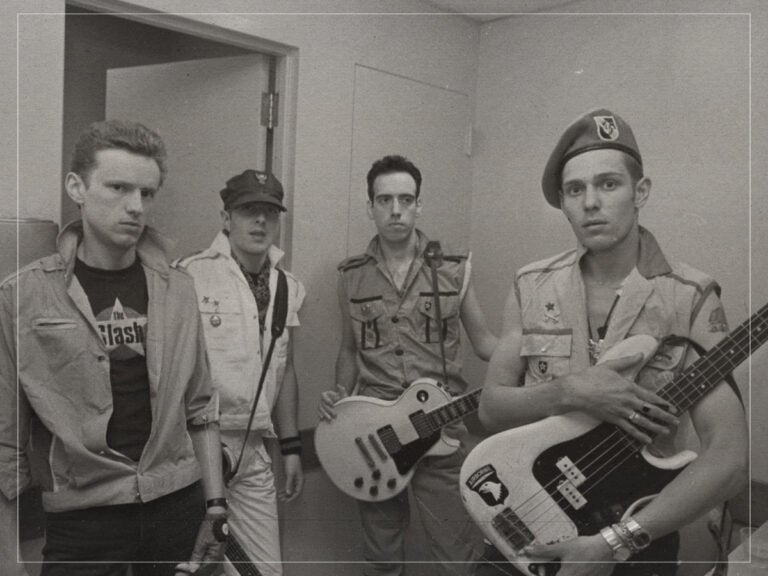
The ‘classic’ line-up of the group depends entirely on which period of Motörhead you feel more of a connection towards, but the argument typically lands upon the line-up of the Ace of Spades era, with ‘Fast’ Eddie Clarke a particular fan favourite for his distinctive guitar stylings. Inevitably, then, his departure from the group in 1982 left a gaping void in the line-up.
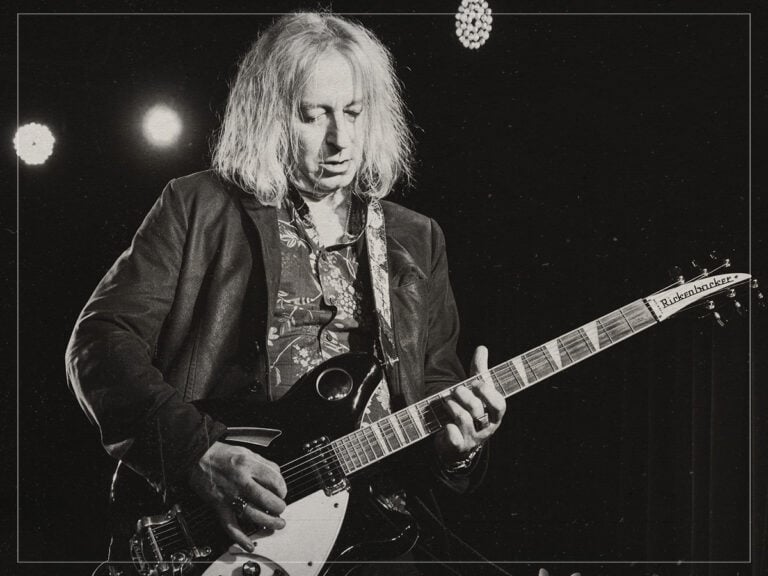
As was typical for a fast-living rock and roll band at that time, Lemmy and the gang didn’t take much time to ponder the sudden fallout with their guitarist. Instead, Motörhead quickly sought out the talents of Brian Robertson, whose CV included stints with Thin Lizzy and the slightly less-notable Wild Horses during the 1970s.
Despite his credentials, though, Robertson never quite seemed to fit in with Motörhead, at least not in the eyes of Lemmy – which, at the end of the day, is all that mattered.
During a 1986 interview, Classic Rock journalist Sylvie Simmons suggested that Robertson believed Motörhead were beneath him, prompting Lemmy to retort, “The fans felt the same way.” Almost from the moment he joined the band, partway through a US tour, the guitarist seemed at odds with the rest of the group, boasting an entirely different look from Motörhead’s dark image, and feeling uneasy about performing the band’s pre-existing material live.
“He was always more like ‘I’m Brian Robertson, guest guitarist’ instead of one of the band,” Kilmister theorised. All in all, Robertson lasted 18 months with the band before severing his ties after a 1983 performance in Berlin. During his rather limited tenure with the group, though, the guitarist did manage to make an impact, particularly on the Another Perfect Day album, released a few months before his departure.

“He was a good player,” an uncharacteristically diplomatic Lemmy continued. “I think Another Perfect Day was a good album.” The bassist’s tune certainly changed over time, though, with him later bemoaning the recording process of that album in the documentary The Guts and the Glory.
“Brian, he’d take 17 hours doin’ a guitar track,” he exclaimed. “It fuckin’ took so long compared with the other albums.”
Not only was the recording process painful for the band, but the album’s reception at the time fell somewhat short of the standard set by records like Ace of Spades. With Robertson’s guitar playing, the band’s sound had changed a lot from the days of ‘Fast’ Eddie Clarke, and although in hindsight the album is one of Motörhead’s stronger efforts, audiences at the time didn’t seem to appreciate that fact. After that, Robertson’s days in the group were numbered.
