


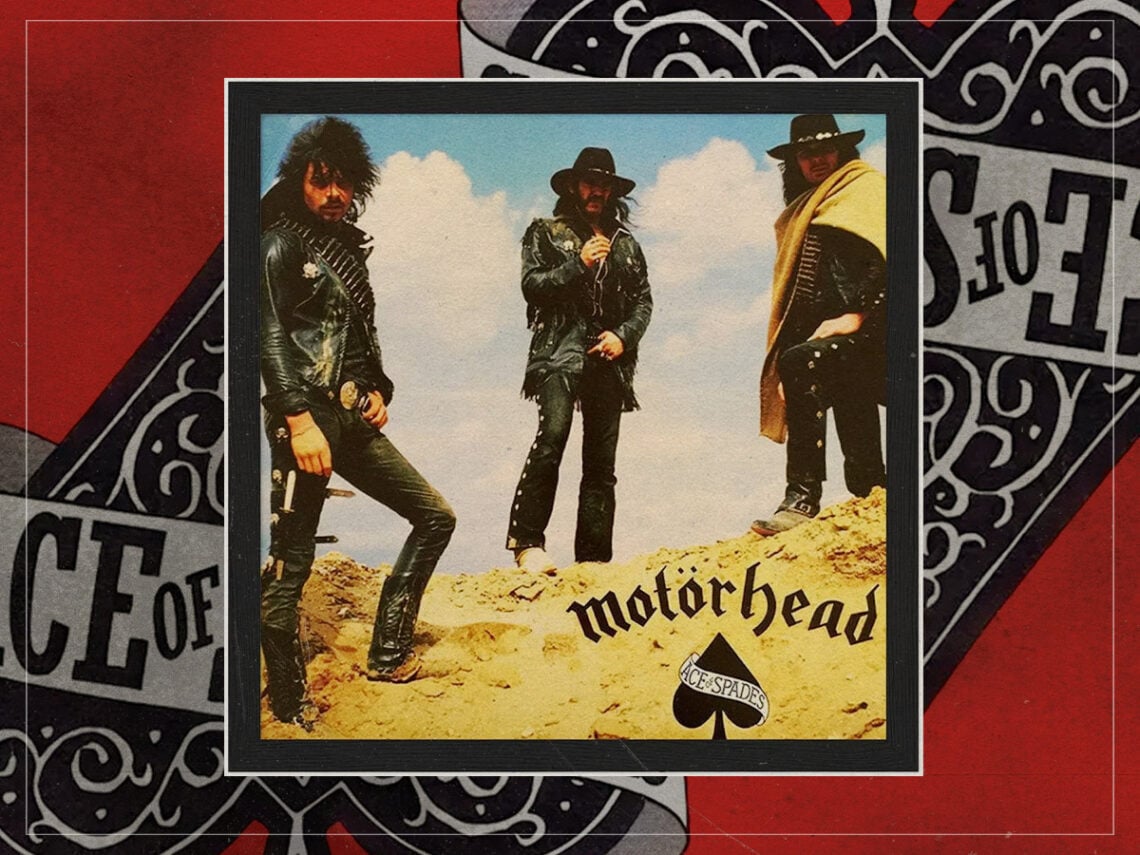
‘Ace of Spades’ by Motörhead: The birth of the first thrash metal song

When Elvis Presley pulled up the roots of American rock and roll music and exposed them to the wider world – roots that could be traced back through pretty much all of the African-American music from Blind Lemon Jefferson, Sister Rosetta Tharpe, Wynonie Harris, Ray Charles, Fats Domino, Little Richard and a thousand other artists, besides – that wider world was shocked by what they heard. They were shocked by the energy, the rebellious attitude (which became such a pivotal touchpoint of 1950s youth culture), the volume and the wildness of Presley’s actions. If they were shocked by the future King, just imagine how they’d have responded if they’d been confronted by bands like Led Zeppelin, Black Sabbath, Judas Priest or Motörhead.
There was not even a quarter of a century between Elvis exploding the culture with his debut release and his tragic and untimely death at age 42. Though its traditions and influences went back far further, rock was still a relatively young phenomenon in the 1970s. It was still figuring out who it was and what direction it would evolve into next. The 1950s had seen a pure burst of brilliant energy, a rapid ascent of players learning and figuring out their instruments on the job and captured all the wild abandon and excitement that came with that. By the 1960s, the form was more established, and so artists became more adept at their instruments and began experimenting with the malleability and limits of their form.
By the 1970s, rock had grown up. The genre was beginning to take itself seriously as a format and demanded the attention of ever more and more adoring listeners. Club gigs became stadium shows, and virtuosity and intent replaced feeling and divine inspiration as important skills, before punk returned the guitar to the everyman ethos of the first wave of ’50s wildness and rebellion.
Even from its earliest days, though, and maybe even since before it was ever called rock and roll, rock music had been a melting pot. There may have been a main arc to what was happening in any given scene, but likewise, in all of those scenes, there was plenty of cross-pollination. As the ’70s progressed, more and more groups were taking aspects of what was going on around them and turning them into something still new.
Starting out with the shared rhythm and blues roots that lie at the heart of all rock music, folding in the anarchic punk ethos of rebellion and disregard for the conventional way of doing things, and topping it all off with the stadium-sized, arena-ready anthemic qualities of mainstream, middle-of-the-road rock, some bands were really starting to crank things up to eleven.
And, as is so often the way with all great musical trends, the latest development in rock came from a breakthrough song from a British band playing in an American style, which went on to inspire a huge American audience and scene, including groups like Metallica and Anthrax.
How Motörhead’s ‘Ace of Spades’ redefined the rules of rock
Heavy-hitting, rapid-fire and coming in with a killer riff, the opening and titular song from Motörhead’s fourth album, 1980s effort ‘Ace of Spades’, is a behemoth. It’s a blistering attack of blues-rock; a meteoric blast of hell-fire and bloody imagery, and a masterclass in how to create a career, a legacy and, in effect, a whole new genre with just one powerful song.
Though Motörhead frontman, and ‘Ace of Spades’ songwriter, Lemmy Kilmister grew to despise the song in time, owing to its ubiquity (win some, lose some, it’s all the same to him anyway), it was only so ubiquitous in the first place due to the greatness of the song. Almost as soon as it was released, guitar-wielding rockers raced to learn the riff and the changes, would scream and shout along with the lyrics until their voices were nearly as hoarse as Lemmy’s trademark growl and figure out how to frantically race around the fretboard in new and exciting ways.
Once again, the rock and roll touchpaper had been lit, and sparks were flying. In response to the new sound, bands cranked up their amps, hit the overdrive, thrashed away at the strings and picked up the pace to a frenetic and almost uncontrollable pace. Metallica, Slayer, Saxon, Megadeath and Sepultura were among countless other bands who so thrashed their way through the new landscape that had been carved out by that ferocious growl and unrelenting riff. A new branch had formed on the rock-music tree of life, and it all started when Lemmy and Motörhead drew the ‘Ace of Spades’ from the deck.
And though Lemmy wrote the iconic lyrics, he was slightly less involved with the conception of that ferocious riff. As guitarist Eddie Clarke remembers of the sessions at the Rockfield Studio where the song was born, “Unfortunately, Lemmy wasn’t too up for rehearsing in those days–he had a nice bird up there with him, so he was distracted. But Phil [drummer Phil Taylor] and I used to like playing, so after we’d finished fishing and fucking about and God knows what, me and Phil would have a little bash. It gave us an opportunity to work out some riffs”. One of those riffs would go on to become the band’s ace in the hole.
But a great riff needs a great lyric to go with it to make up a truly great song, and that is where Lemmy duly delivered. Aiming to cram as many gambling references into the lines as possible, he claims to have written the words to the song in the back of a transit van while the band raced down the motorway, speeding at 90mph. Perhaps that explains the ferocious pace of the song, and of all the music that came after it.
