


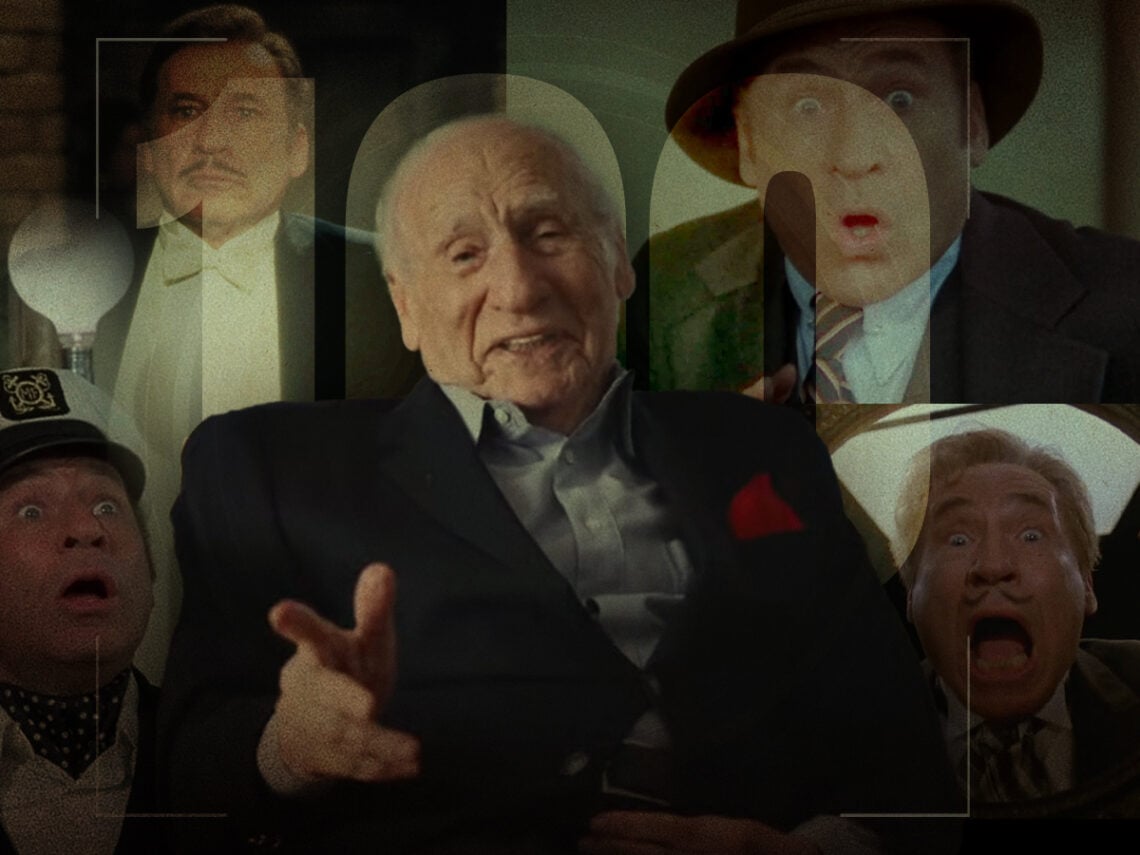
Mel Brooks at 100: five essential moments from comedy’s eternal icon

Mel Brooks is 100 years old. Born in Brooklyn on a sunny day back in 1926, Brooks decided when he was young that he was going to be a star.
Many kids say this, but they never actually do it. Brooks wasn’t like that, though. From a young age, he was always finding ways to entertain people, although he had to halt his plans to become a showbiz icon when he was called up to join the US Army. His experience no doubt influenced his approach to comedy, because once he became a writer for TV and eventually cinema, he frequently returned to poking fun at prejudice and bigotry, such as ridiculing the Nazis in The Producers.
Brooks wouldn’t jump into becoming a director straight away, though. In the ‘40s, ‘50s, and early ‘60s, you could find him performing sketches, writing for TV, and even releasing comedy albums, like 2000 Years with Carl Reiner and Mel Brooks, which shifted over one million copies. He was making a solid name for himself, but this was only further elevated when he eventually graduated to the silver screen with movies such as The Producers, Blazing Saddles, Young Frankenstein, and Silent Movie.
The secret to Brooks’ long-standing success, however, is his resistance to giving his all to one medium. As an EGOT winner, he has found success as a writer, a director, a producer, an actor, a comedian, a composer, and a songwriter. His talents are seemingly endless, and he’ll always have a new project on the go. He’s even set to reprise his roles in a sequel to Spaceballs, set for release in 2027.
Five essential moments that define Mel Brooks:
He became the first comedian to win an EGOT

In 2001, Brooks made history, not only as the eighth EGOT winner (the criteria includes winning an Emmy, a Grammy, an Oscar, and a Tony Award), but as the first comedian to scoop up the title, too. It’s a rare feat in Hollywood, but Brooks has always had his fingers stuck in many pies, so it should hardly have come as a surprise. He won his first of four Emmys for The Sid Caesar, Imogene Coca, Carl Reiner, Howard Morris Special in 1967, before winning ‘Best Original Screenplay’ at the Oscars for The Producers back in 1969.
Then came three Grammy Awards, the first being a ‘Best Comedy Album’ win for The 2000 Year Old Man in the Year 2000, before sweeping the Tonys in 2001 for The Producers, taking home ‘Best Musical’, ‘Best Book of a Musical’, and ‘Best Original Score’. Brooks clearly never takes a day off.
He launched David Lynch’s mainstream career with ‘The Elephant Man’
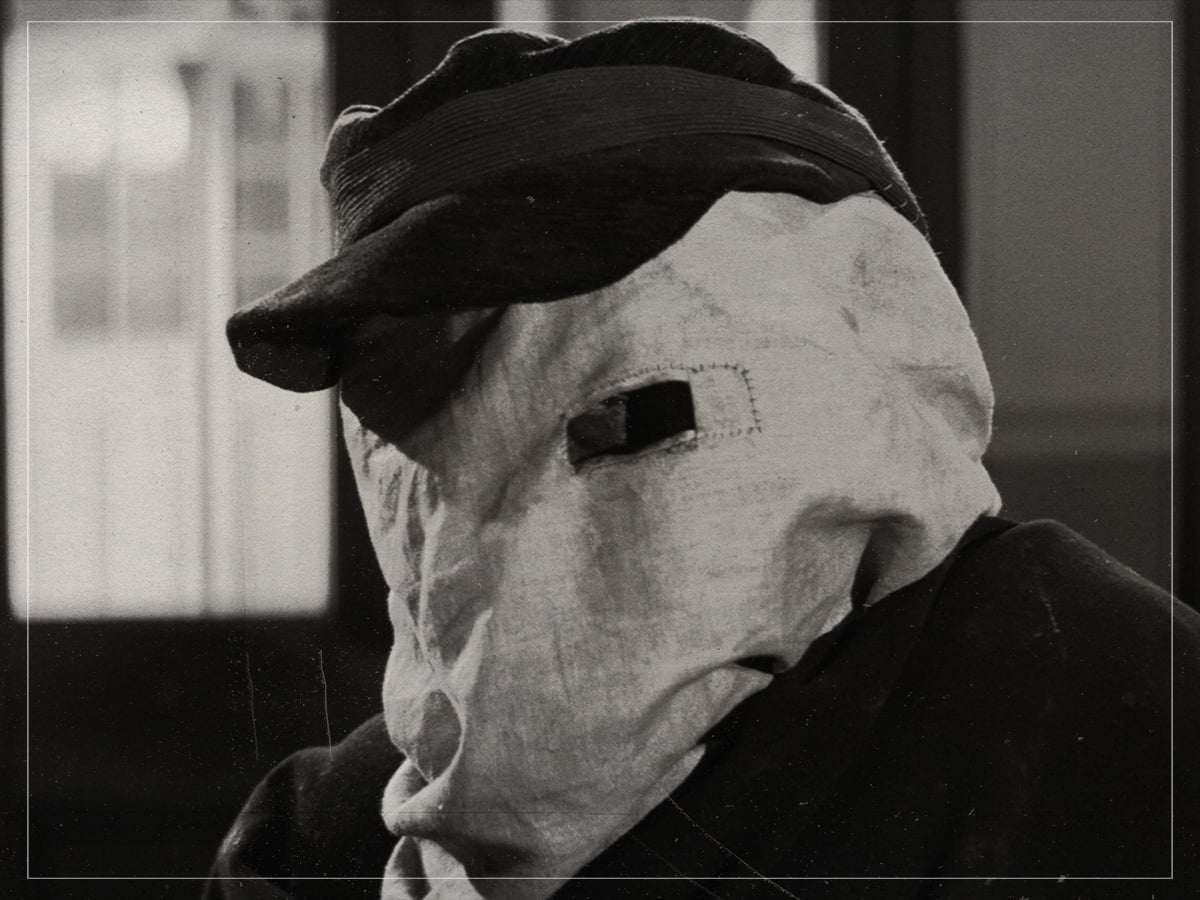
One of the more surprising achievements in Brooks’ career came in 1980 when he put his faith in a rather experimental filmmaker who had polarised critics with his first movie, Eraserhead. Brooks really liked David Lynch’s debut, though, and subsequently expressed interest in working with the surreal director. So, Brooksfilms ended up taking on Lynch’s next project, The Elephant Man, which would prove to be a great success.
Brooks was keen to hide his name in the credits to ensure that people didn’t think that this would be a comedy. This was nothing like The Producers or Young Frankenstein. The comedian really believed in Lynch, though, and with Brooks’ support, the filmmaker was able to make a film that would bring him into mainstream consciousness, even bagging a ‘Best Director’ nomination at the Academy Awards. Who knows what Lynch’s career would’ve become if he hadn’t had that necessary boost from The Elephant Man thanks to Brooks?
‘Young Frankenstein’ technically changed the music industry
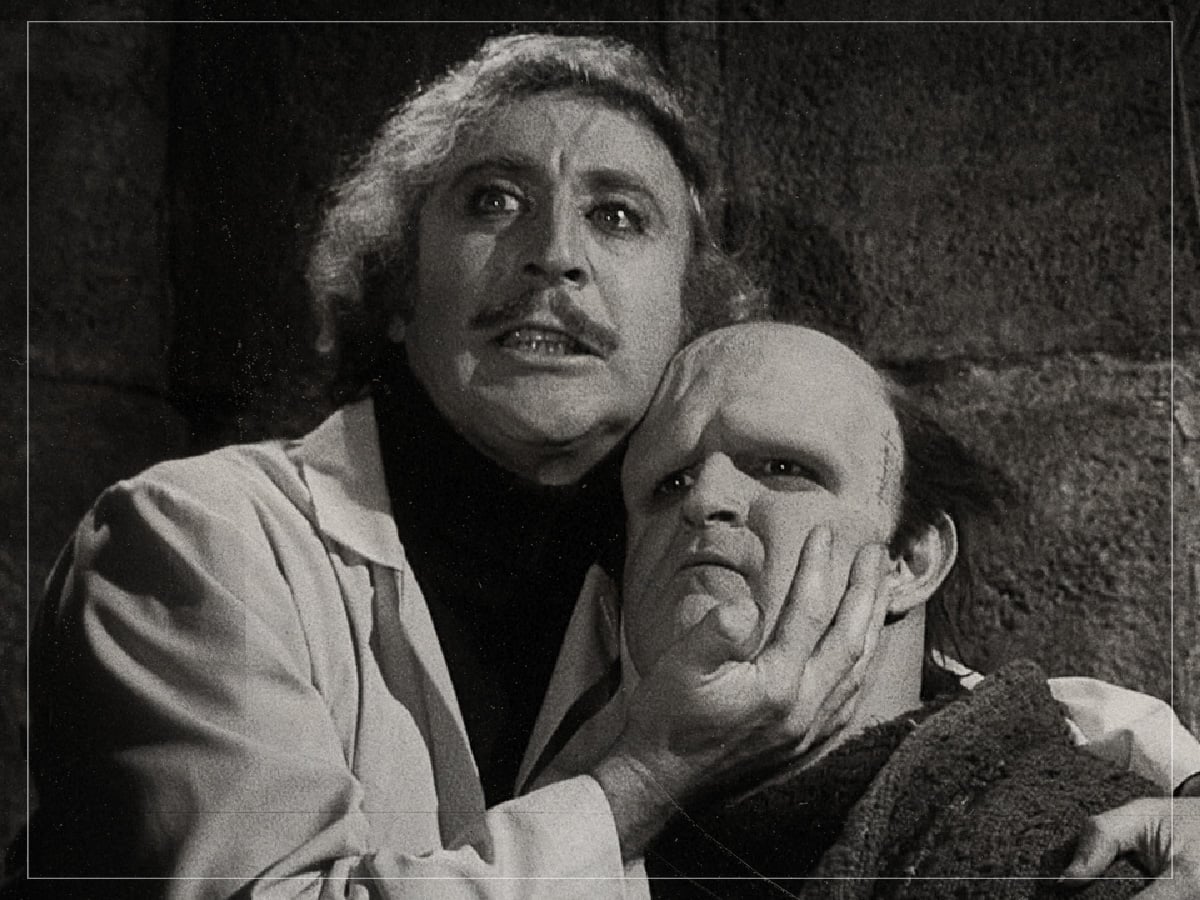
Slightly more tenuous, but Brooks’ influence has even spanned music, with the phrase “walk this way” from Young Frankenstein directly inspiring Aerosmith’s hit song of the same name. ‘Walk this Way’ brought the rock band into the mainstream when they shared it in 1975, just a year after the release of the movie. The band had nabbed the line after watching the movie, thinking it a good phrase for a song they were working on that didn’t yet have any lyrics.
This became the incredibly infectious basis for the song, which would be covered by Run DMC in collaboration with the band back in 1986, which was a huge, pioneering moment for the rap rock genre. So, thanks to a line in Brooks’ classic horror comedy, he left an impact on rock and subsequently rap music.
‘Blazing Saddles’ changed Hollywood comedy forever
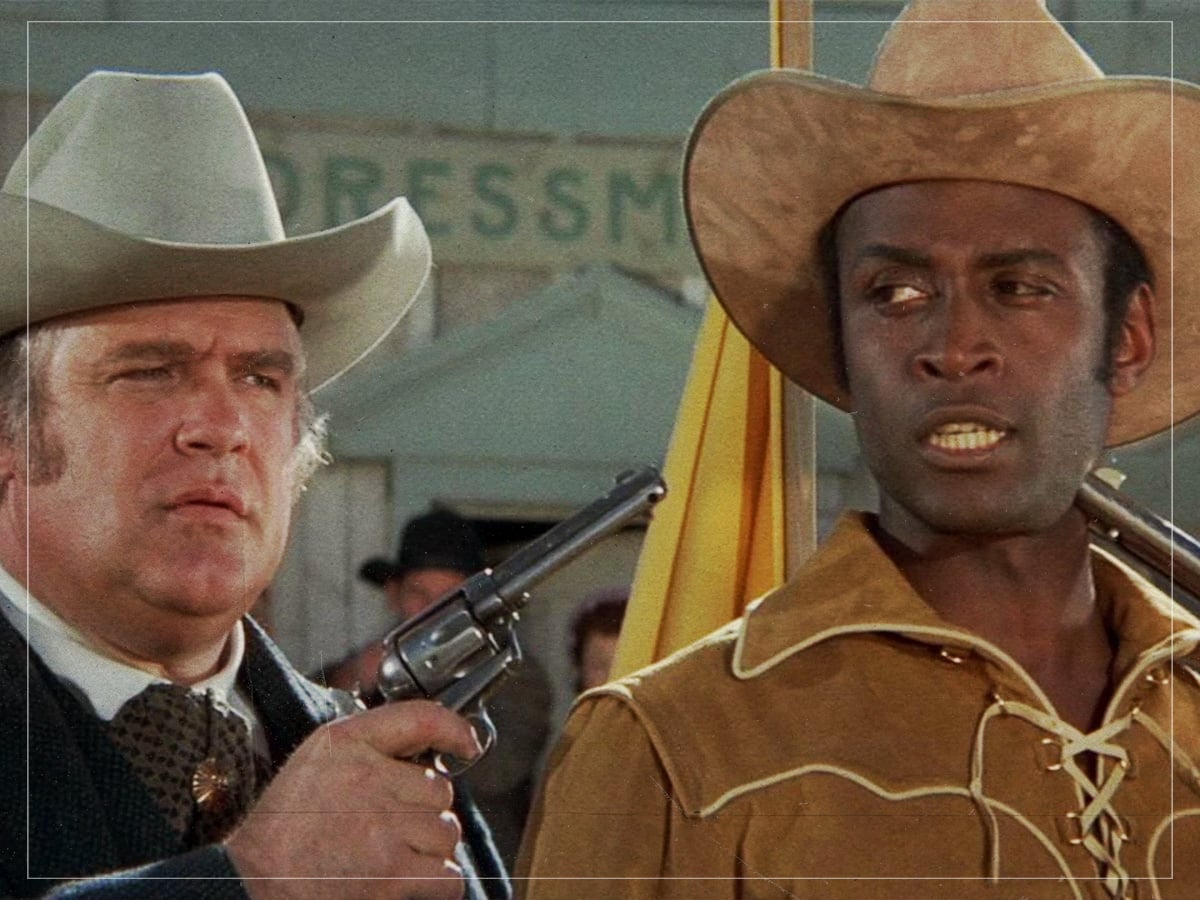
Brooks’ most daring endeavours as a writer and director came in 1974 when he made Blazing Saddles, which he co-wrote with Norman Steinberg, Andrew Bergman, Richard Pryor, and Alan Uger. Together, the crew made a satirical western that changed comedy forever, with Brooks also starring as several characters, including a Native chief who only speaks Yiddish and a governor.
With Blazing Saddles, which was Brooks’ third film as a director, Hollywood welcomed a new approach to satire, with the film attacking racist ideology through the depiction of Cleavon Little’s Bart, who becomes the first Black sheriff in Rock Ridge. He initially faces prejudice, and the film doesn’t hold back in being what many consider extremely offensive. But really, Blazing Saddles is all about ridiculing the racist white man, even if that means using rather shocking humour to do so. Despite its controversy and certain pushback from the studio, it became a hugely influential comedy.
‘The Producers’ was the first mainstream filmmaker to truly mock the Nazis
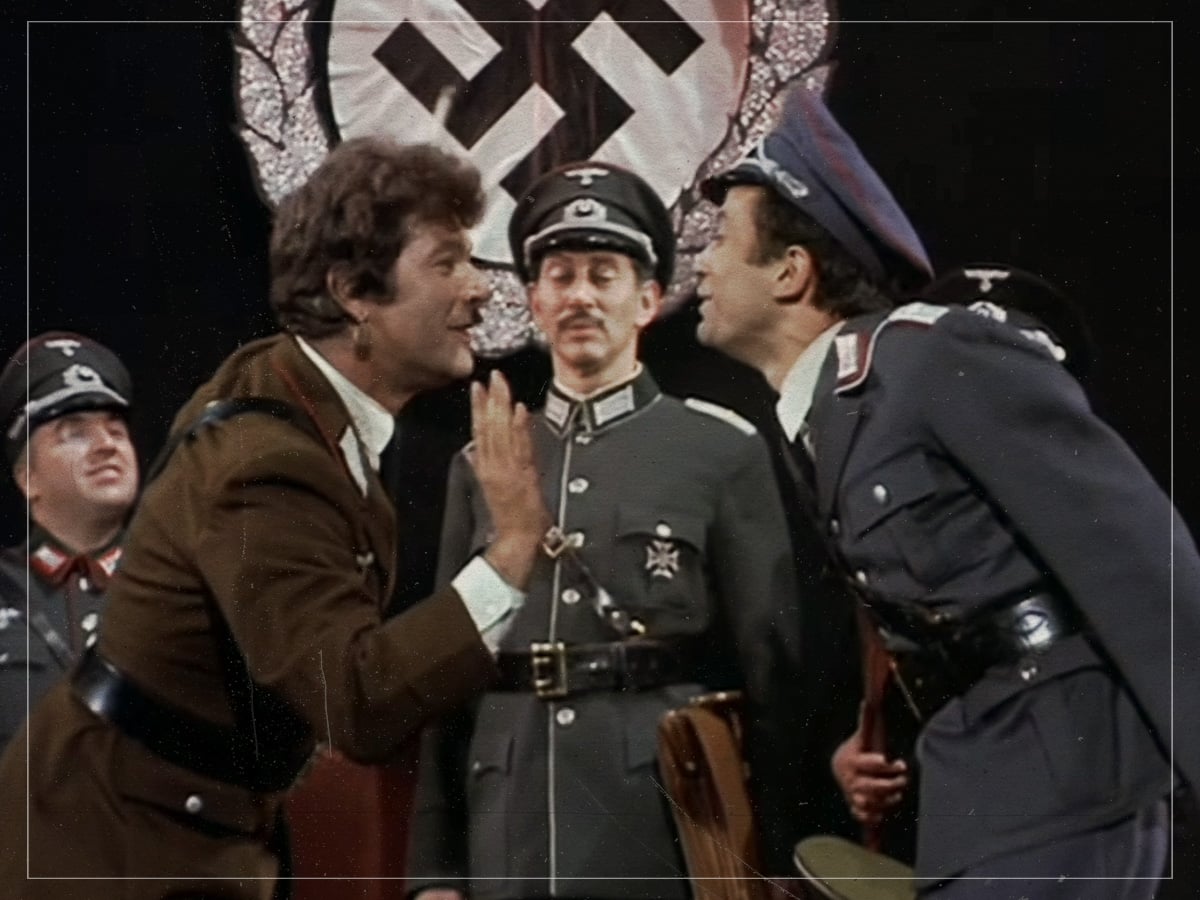
The Producers is one of the most important works of Brooks’ career. He wrote, starred in, and directed the film in 1967, which earned him considerable acclaim, but then he turned it into an equally successful Broadway production in 2001. The show even becomes a running plotline in the series Curb Your Enthusiasm, with Brooks and his wife, Anne Bancroft, appearing in the meta story where he casts Larry David as Max.
Its enduring legacy stems from the fact that Brooks was unafraid to push the boundaries of offensive humour to parody bigotry, much like Blazing Saddles would do later down the line. In The Producers, it was Nazism that took a beating from Brooks, which was quite the Hollywood first. Trying to produce a musical that will fail, the characters try their luck with a play called Springtime for Hitler: A Gay Romp with Adolf and Eva at Berchtesgaden. Brooks was way ahead of his time.
