



Doctor’s Orders: José González prescribes his nine favourite records

José González is an old soul, with his music spanning from 2003’s Veneer up to 2026’s Against the Dying of the Light, full of folkish titillations on love and longing delivered with intimate, soft-spoken vocals over romantic, earnest wanderings.
Over a glass of sparkling water in a lightly busy, chic coffee shop in Shoreditch, with a stern wind whipping up a frenzy outside, González carted me back in time to his earlier years, where he describes himself as a “punk”, straddling both the clichés of skateboarding and enjoying The Misfits while also playing basketball and enjoying Public Enemy. I’m surprised and impressed.
For all his talk of his early punk sensibilities, González is a light, careful conversationalist with kind, thoughtful eyes. We discuss at length whether the word “stern” might be used to aptly describe Nico’s voice (it is), and the small but mighty record collection his parents used to own that put him onto most of this work. His new album, Against the Dying of the Light, is a hopeful folk album that concedes we have reached a time of unprecedented darkness, whose opener, ‘A Perfect Storm’, warns, “Intentions don’t matter much as the dominoes start to fall”, in the race against, among other things, AI superpowers changing the world.
For a work that addresses the dark times in a way that might sound light, González’s album choices are filled with ‘good vibes’ and interesting historicity, in direct opposition to the AI music, which is starting to warp our reality. When something is human, it has a unique history, and we can trace the lineage of sound back through the vibrant throngs of time, and in that coffee shop in Shoreditch, I was transported.
In short, González’s music and musical preferences move you in every which way, so we combined the two and teamed up with the mental health charity CALM to delve into stars’ musical pasts and discuss the records that have helped them out over the years.
If you’re able and if you can afford to, please consider a small donation to help the CALM cause; £8 can answer one potentially life-saving call.
José González’s nine favourite records:
Alice Coltrane – ‘Radha-Krsna Nama Sankirtana’
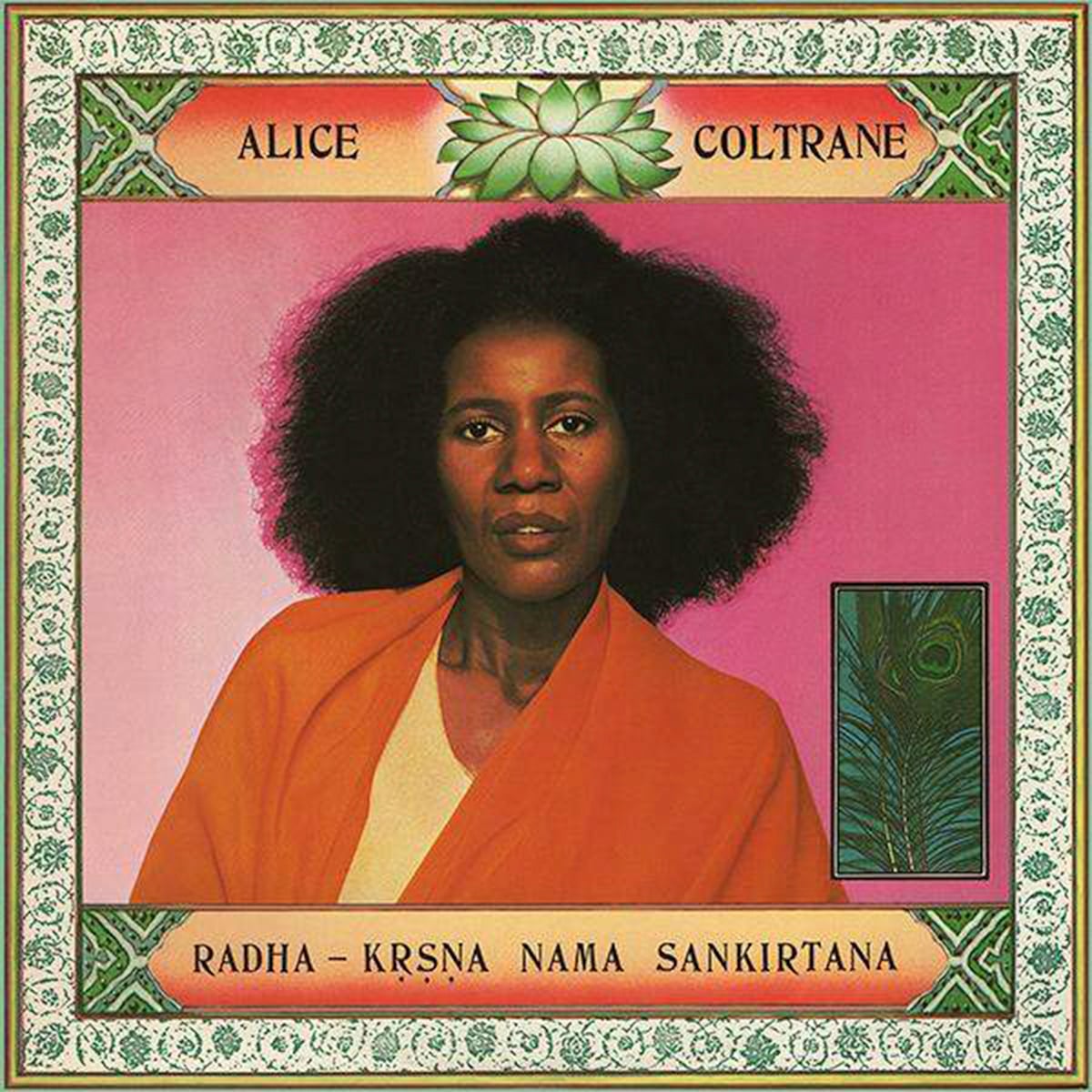
Before González steps on stage, he must be in the right frame of mind, and for him, this looks like a playlist with soft, delicate, and seemingly interminable music that will allow him to access the yearning and earnestness expressed so eloquently in his work; enter, Alice Coltrane.
“Alice Coltrane played the harp and was married to John Coltrane, and she’s known for very spiritual and quite experimental music,” González shares, adding, “This album is basically chants, all centred around Krishna. Even though I’m an atheist, I really love spiritual music, and I’ll put it on right before going on stage or even when I go out running. It’s very uplifting and positive, with percussion and lots of voices chanting together. There’s something about that energy that really works for me.”
Mercedes Sosa – ‘Interpreta a Atahualpa Yupanqui’
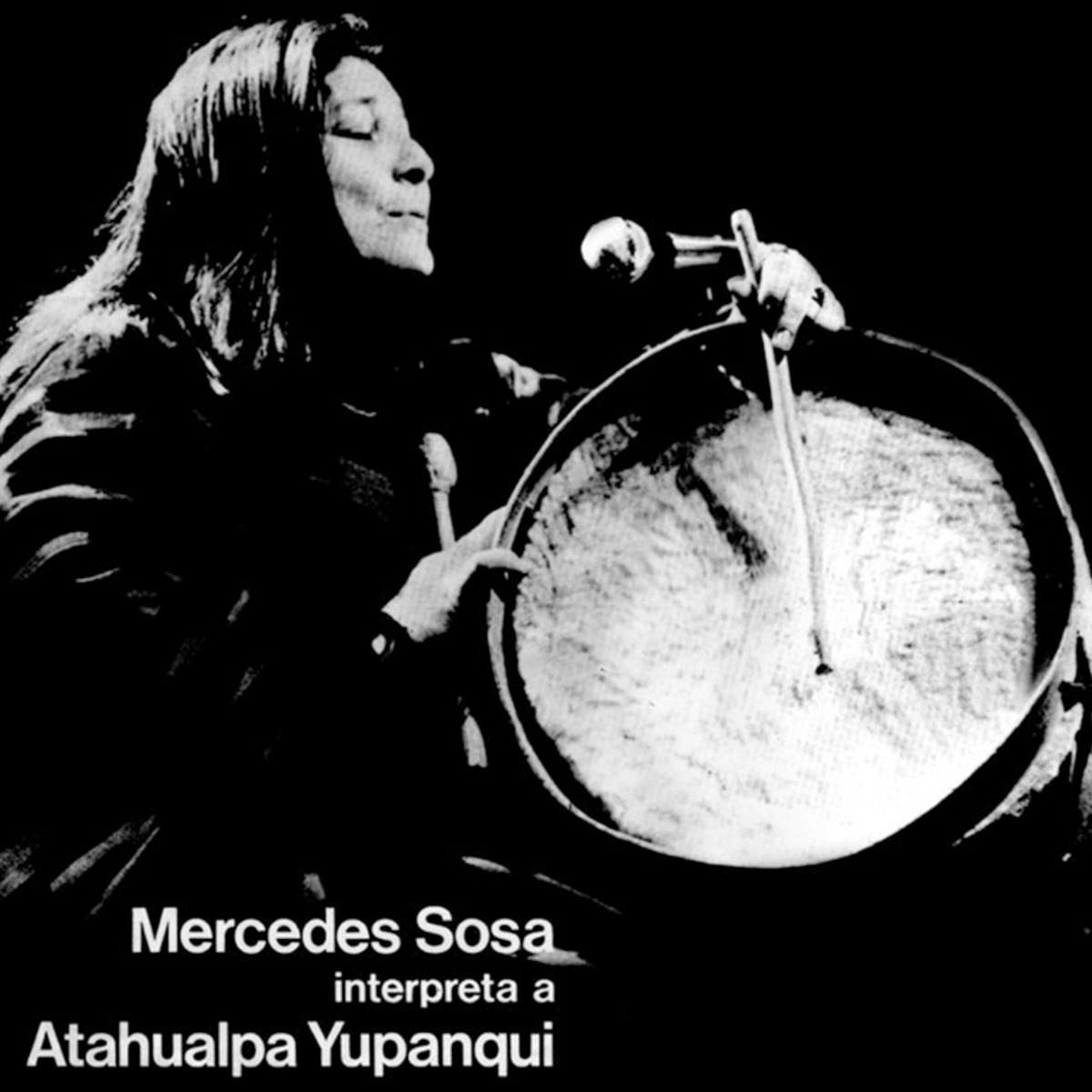
Mercedes Sosa released Interpreta a Atahualpa Yupanqui a year before González was born, and he remembers it thus, with the misty shapes of childhood memory, sharing, “This album was part of the collection of albums that my parents had when I grew up”.
He continues, “It wasn’t like a particularly musical family, but we had a few records, and that was one they would put on once in a while. Mercedes Sosa is an Argentinian folklore singer, and she had this very powerful voice, really rich, but at the same time very soft, with an extremely nice tone.”
Smiling about the memory, he adds, “She’s a Latin American icon, and I remember looking at the album cover with her and the drum, because she would sing and play the drum in a very old-school Argentinian way. There’s also a connection to Atahualpa Yupanqui and that whole Andean folk tradition. I usually mention her as one of my inspirations.”
Nico – ‘Chelsea Girl’
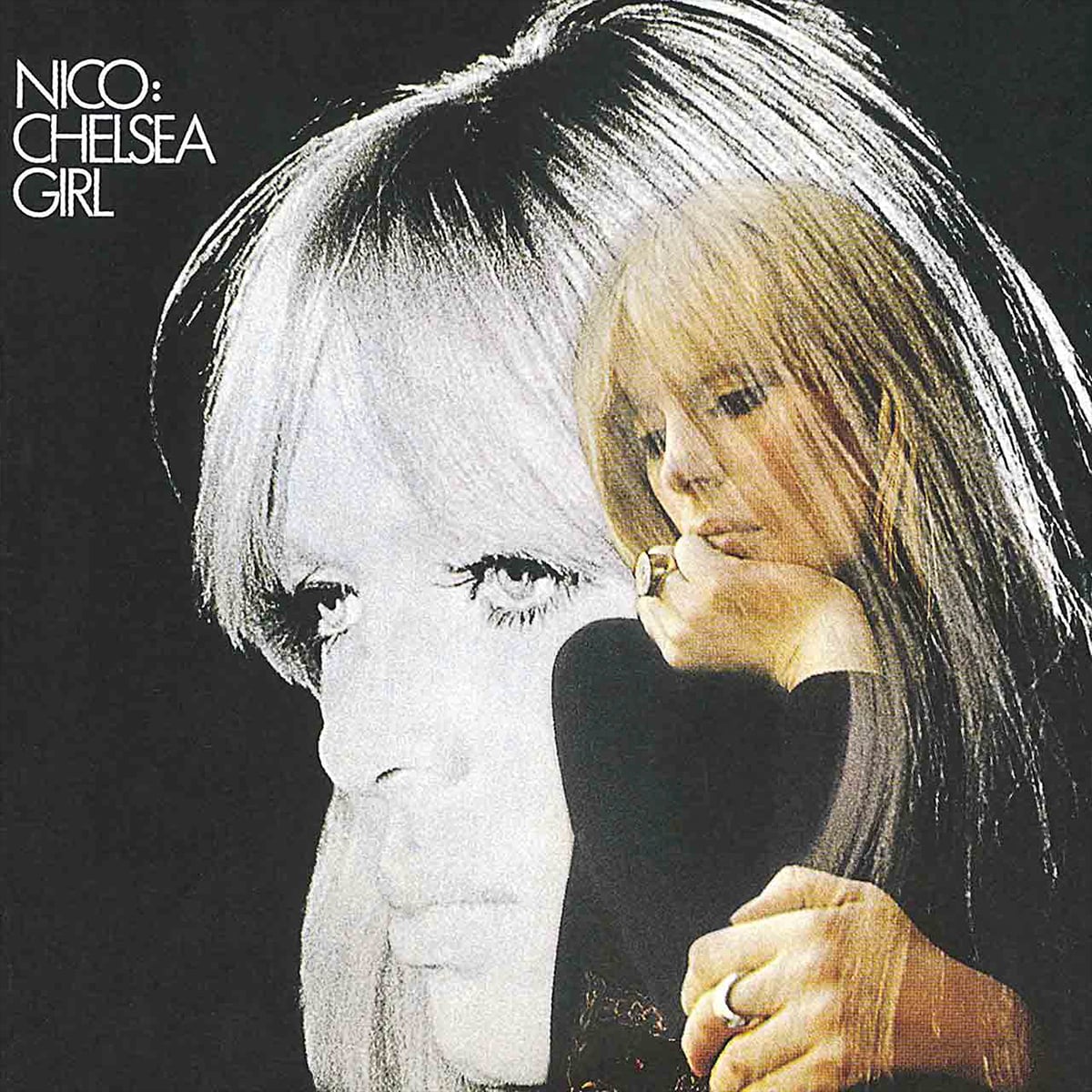
The ‘Heartbeat’ singer seems to have found the albums on this list through a tapestry of influences: his parents, his ancestry, his time on the road, and, in the case of Nico’s Chelsea Girl, his sound engineer, reminiscing, “I was touring a lot in the States, and my sound engineer at the time introduced me to Nico. This was around when I released my second album, in 2007, and I got completely hooked.”
He adds, “It felt like the kind of album I should have known much earlier. Later, I connected the dots with her collaboration with The Velvet Underground. This album is just amazing and one of my favourites. The song ‘These Days’ especially; it’s such a beautiful song, very reflective, about nostalgia and who you’ve become over the years.”
The opening lyrics, “I’ve been out walking, I don’t do too much talking these days”, wouldn’t be amiss on an earlier González record, as he adds, almost as a key into his own musicality, “Nico has this voice that’s a bit unpolished, which I really like. It’s soft, but also stern in a way. There’s a duality there. If music is too soft and romantic, it can get cheesy, but this definitely isn’t cheesy.”
Natalie Bergman – ‘My Home Is Not in This World’
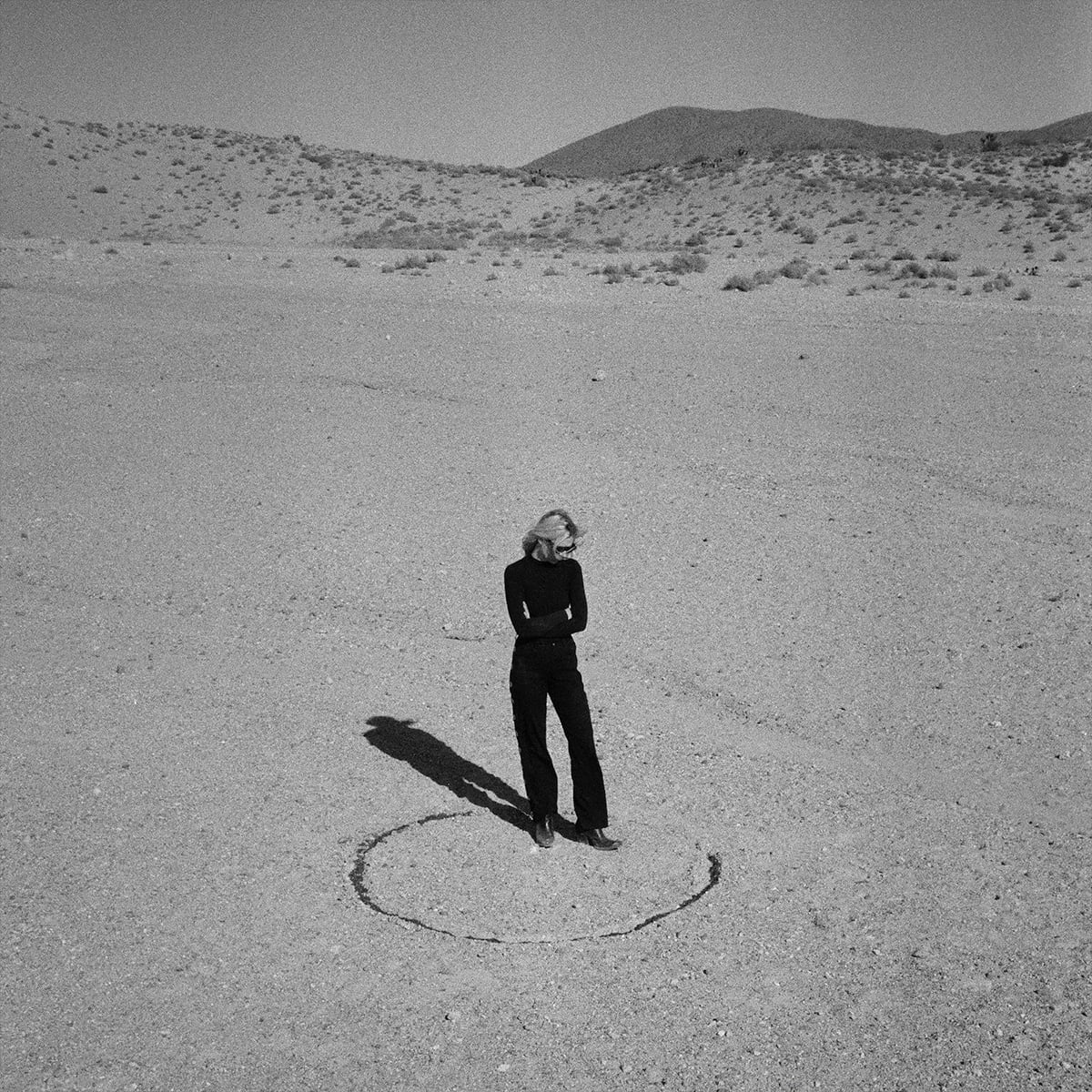
Like most of us, González pays great attention to the ‘Best of the Year’ album lists that circulate like shingles at the end of the calendar year, and one of his favourite discoveries in recent history is Natalie Bergman’s 2017 album, My Home Is Not in This World.
“This would be one of the more recent discoveries for me. I don’t search for new music that much anymore, but occasionally I’ll check lists of the best albums of the year, and this was one of those that really stood out,” he shares.
The singer-songwriter adds about his listening experience, “I got hooked immediately. I love the sound, it’s very retro in the best possible way, with vintage textures, delays, and that tube-like warmth. Her voice sounds like a classic singer’s voice, almost timeless. A lot of my list leans toward older music, but that’s partly because my own music leans that way too, so it’s fun to go back to those kinds of sounds even when it’s something contemporary.”
Gal Costa and Caetano Veloso – ‘Domingo’
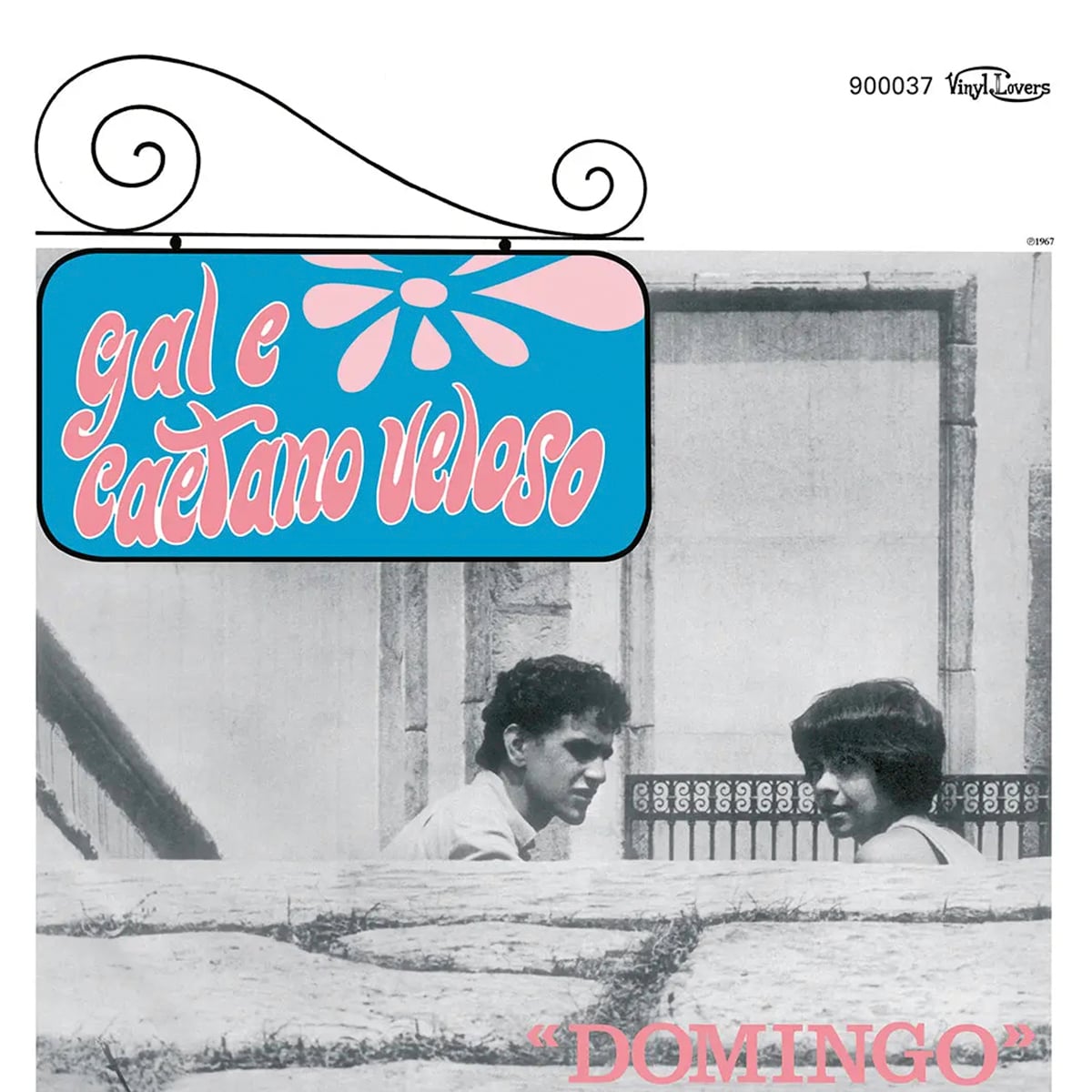
González presents another choice inspired by his childhood: “Gal Costa is a Brazilian singer, and Domingo is one of her early albums,” he explains to me, picking up on the blank stare that I had never come across the names before.
He explains for my benefit, “I grew up listening to Brazilian music because my parents had some records and had spent time in Rio, so there was always that influence alongside things like The Beatles, Cuban music and Mercedes Sosa. This particular album wasn’t one they owned, though. I discovered it later, maybe in my mid-20s, and realised it’s one of the classics.”
Though the genre always came from his family, he found some of his favourite additions of his own accord: “Through my parents, I found the style, bossa nova, tropicalia, Brazilian popular music, and then I started digging deeper into all those amazing records from the 1960s and 1970s,” concluding, “What I love about this one is the arrangements, with full orchestras used in such a tasteful way, and the incredible voices.”
A Tribe Called Quest – ‘People’s Instinctive Travels and the Paths of Rhythm’
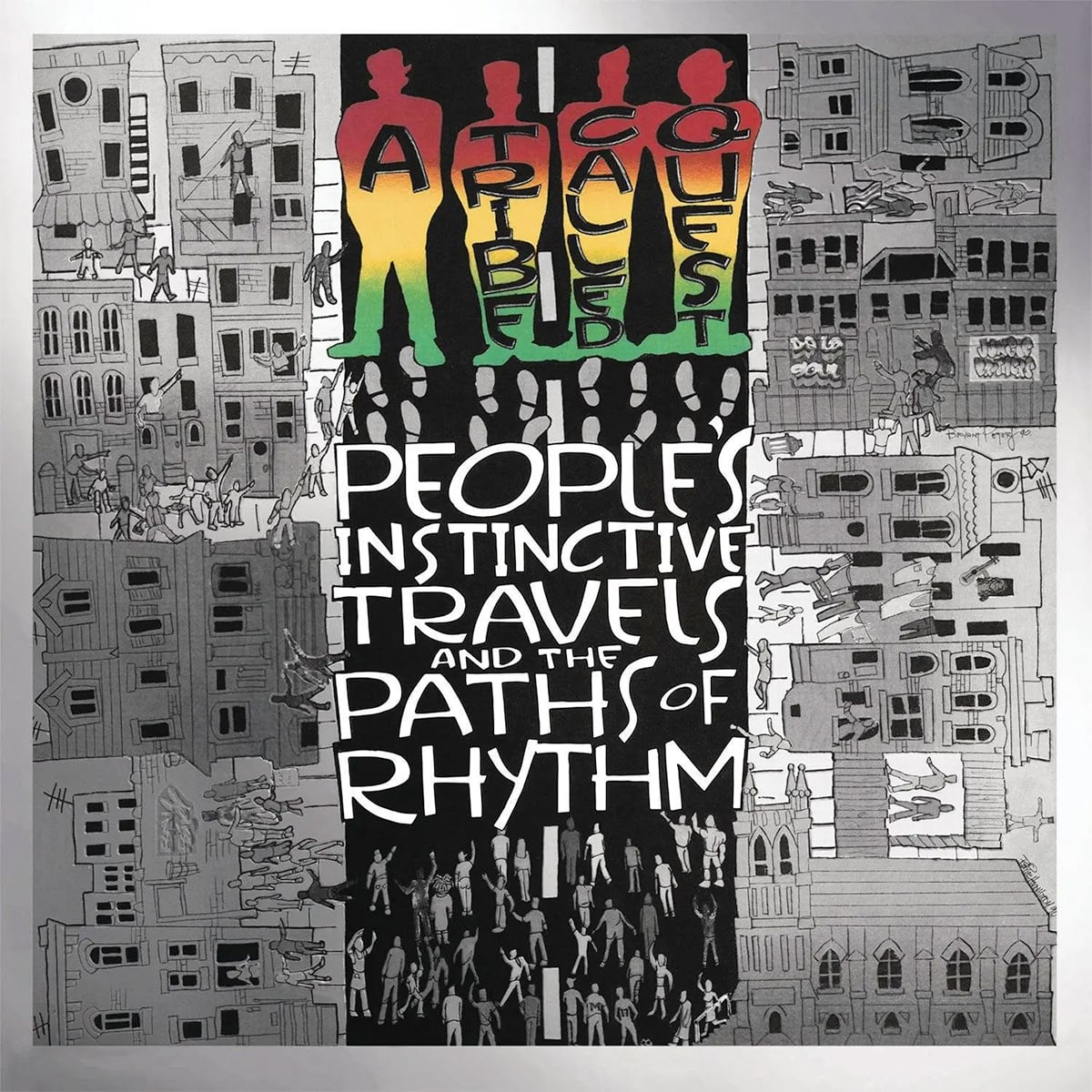
This entry doesn’t seem quite like the others on the list, as while González is cultivating a delicate, unique vibe, A Tribe Called Quest are anything but that: Loud, albeit rhythmic, and super-charged, but of course, this choice comes from the depths of his punk era.
“My taste in music was very eclectic as a teenager,” he recalls, taking a sip of the crystal clear sparkling water, “I was learning classical guitar, but at the same time playing bass in hardcore bands. I was skateboarding and listening to punk, but also playing basketball and getting into hip-hop.”
He was introduced to the likes of Public Enemy and other contemporaries, but it was one group in particular that stood out to him, as he highlights, “I listened to that People’s Instinctive Travels and the Paths of Rhythm so much, and it’s probably my all-time favourite”. I laugh, tell him there’s little crossover in the playful music he now makes, and ask him to elaborate, and he is happy to continue: “There’s something about the playfulness,” he muses, “The way they use samples from all over the place and the fun, relaxed rhymes”.
As with many of his chosen records, the singer is striving for positivity, explaining, “It has such a positive vibe. It is very tied to that early 1990s period for me, so there’s nostalgia there, but even now, when I listen back, I’m still impressed. It’s definitely one of the foundational albums for me.”
Stevie Wonder – ‘For Once in My Life’
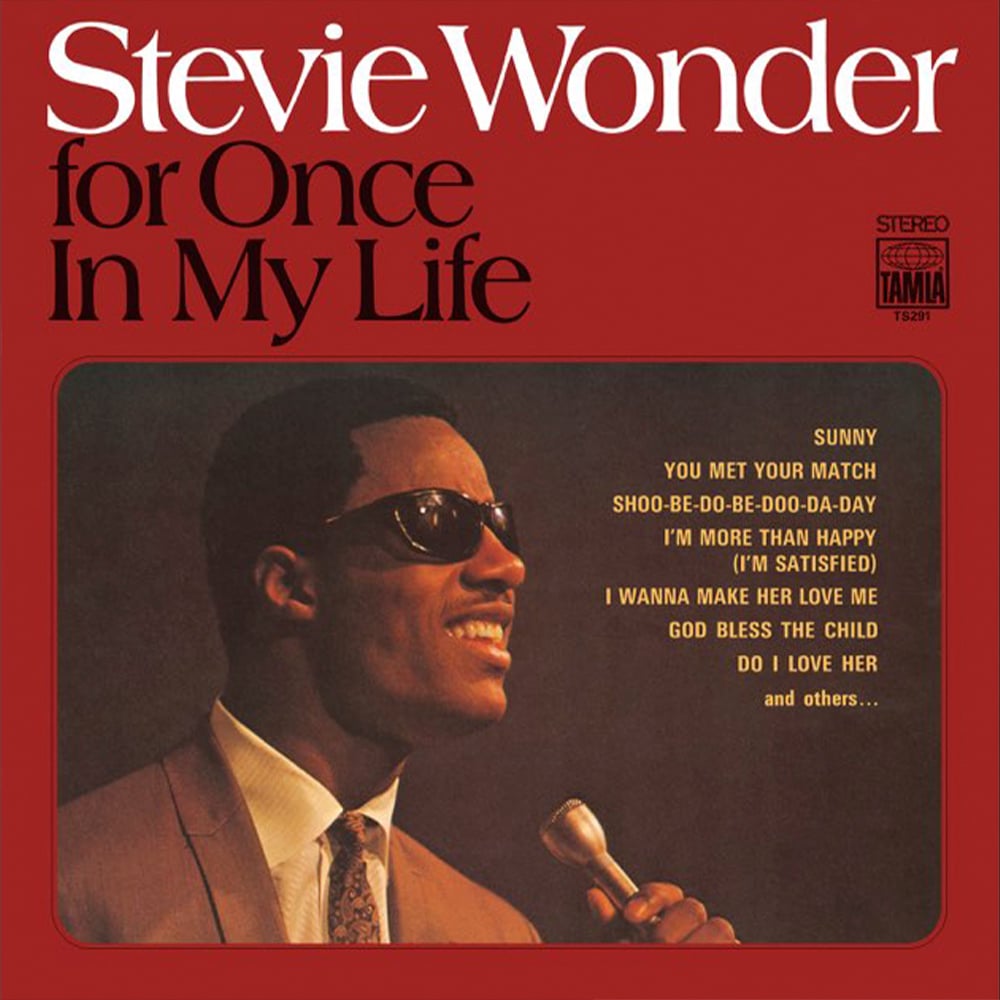
Despite his otherworldly ability to tug at our heartstrings in three minutes flat, González is just like us, because after all, I’m yet to meet a person who doesn’t have a soft spot for the joyous music of Stevie Wonder. “Stevie Wonder is another classic,” he smiles, admitting that he took a minute to come around to the sound, “I knew some of his songs growing up in the 1980s and 1990s, but I didn’t discover this album until later.”
He goes on, “I was never really a collector or someone constantly searching for music, so when I found this, it really surprised me… It just blew me away. The way he sings feels so natural, and it has such a strong, positive energy.”
As is the case with a few of the records on this list, Wonder features heavily on González’ running playlist, and, when he has the breath for it, he loves to whistle along: “It’s actually one of the songs I use when I’m getting ready to go out for a run. It just puts me in a good mood. I even end up whistling along because he sings a bit too high for me to reach comfortably.”
Michael Nau – ‘Some Twist’
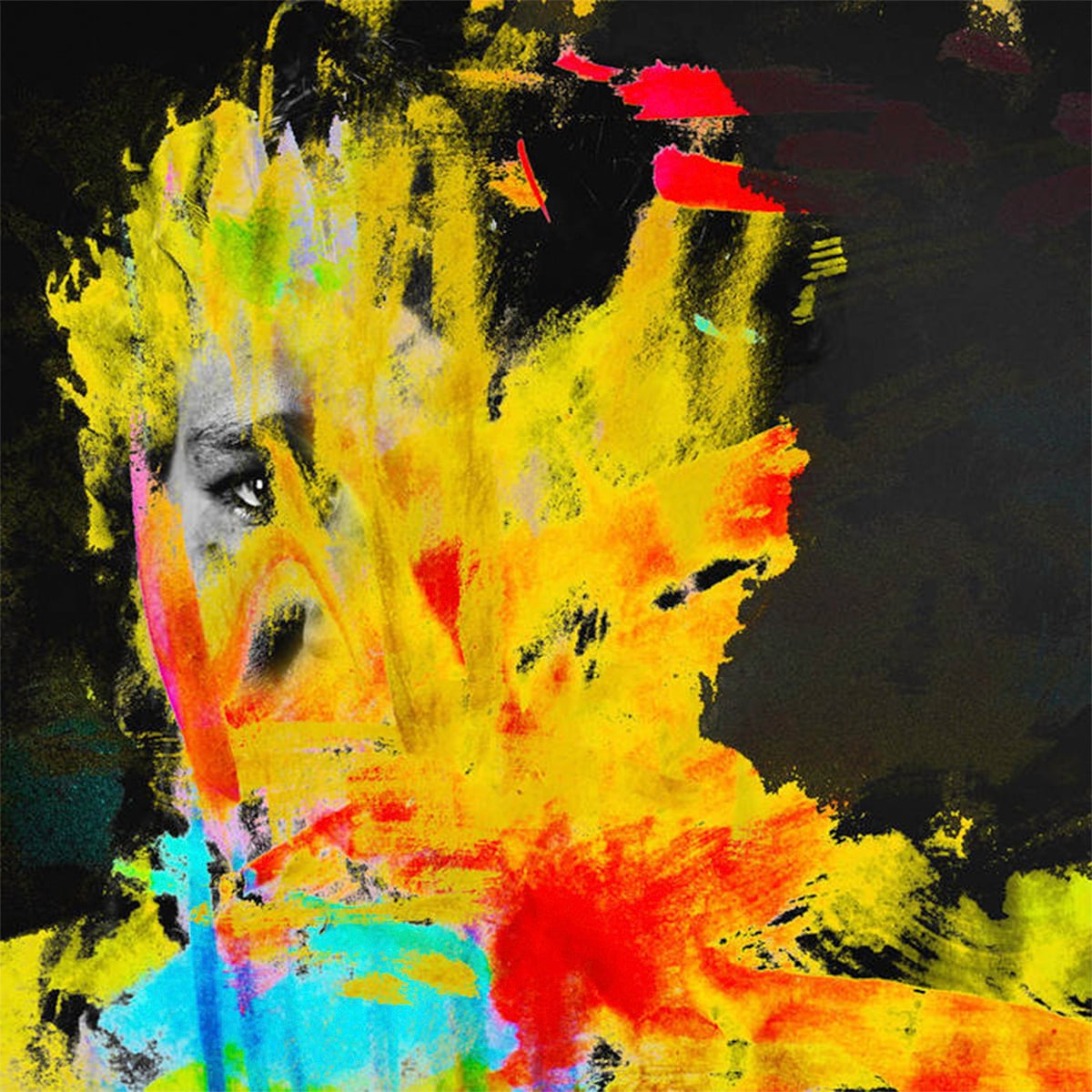
“Michael Nau is another artist who makes music that sounds older than it is,” González tells me. I appreciate his inclusion of records from the 21st century in this list, but any of the contemporary albums are celebrated because they can capture the sound of the past. It’s an interesting safety mechanism, always looking back to the vintage, retro crackles of decades prior.
The singer continues, “He and his collaborators seem to really understand how to record in a way that feels old-school. He has a beautiful voice, and I love the album artwork as well. I’d definitely put it in my top ten. The song ‘I Root’ is perfect Sunday morning music, the kind of thing you put on while having breakfast, coffee, or reading.”
While others might consider “background music” an insult, González considers it a huge compliment: “I often say I like making music that can function as background music, and I mean that in the best possible way,” he laughs.
“Music that works at both low and high volume and doesn’t disturb, but instead gently affects your mood. This sits somewhere between very soft and more upbeat music, a kind of perfect middle ground,” he finishes, making it evident that he sees a lot of his own music in Michael Nau’s contemporary titter.
Ballaké Sissoko – ‘At Peace’
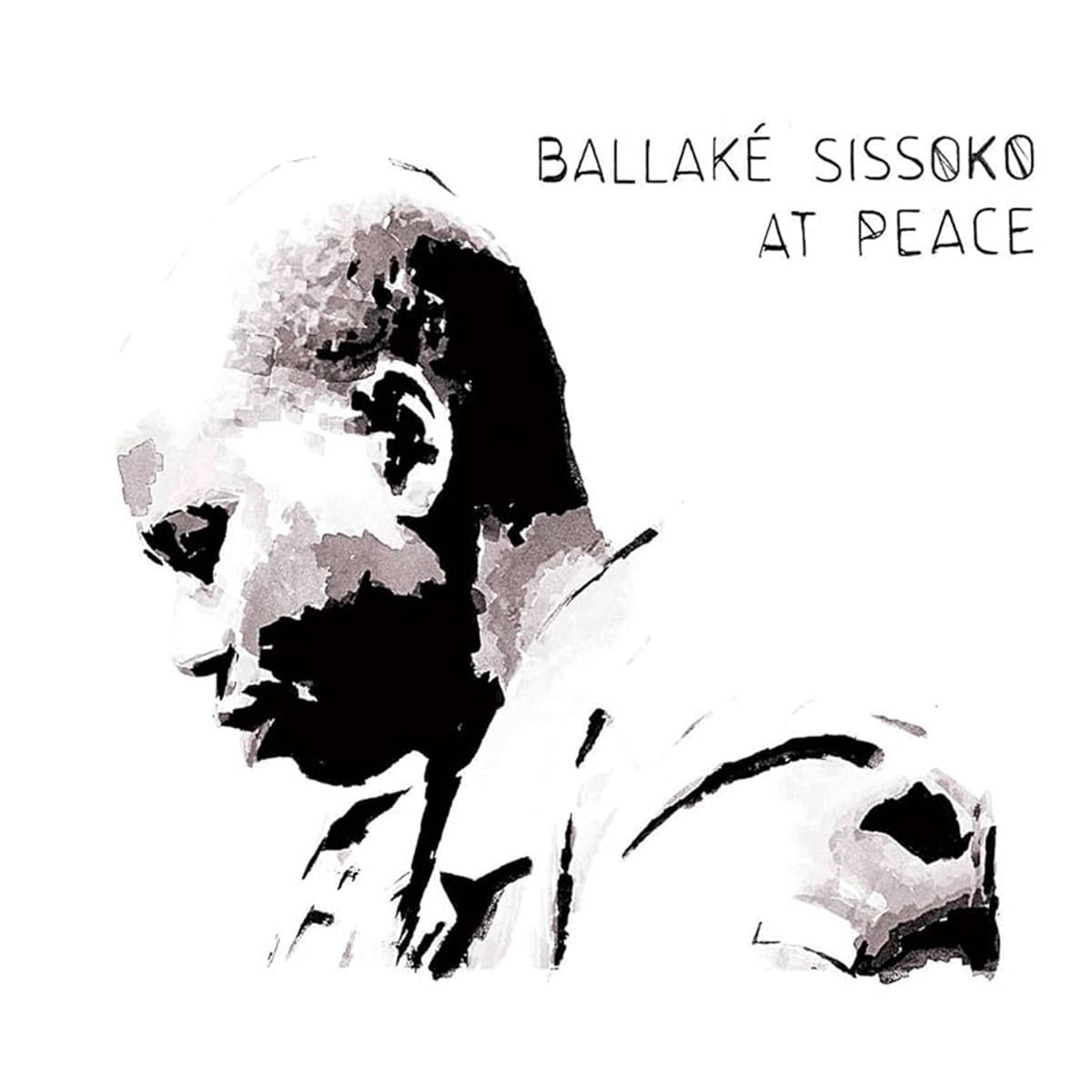
“I felt like I should include something from West Africa,” González concedes, referencing his own notes he had made before our discussion. It’s evident he is happy to take this as seriously as I am, aware of the healing effects music can have.
He points out, “I came across a lot of music from Mali and that region around 2006 or 2007, and it was a bit of an awakening for me. Artists like Amadou & Mariam and Tinariwen led me further into that world, and then I discovered more traditional musicians, like kora players. There’s something about the sound of the kora, the way it’s played, very fast and flowing, that feels incredibly calming and melodic. It’s very musical in a deep sense.”
If you’ve been to a González show before, there’s a chance you might have heard this artist: “This is the kind of music I’d put on before a show,” he shares, “when people are coming in, or for relaxing and getting into a meditative state. It has a softness that really suits that atmosphere.”

Never Miss A Beat
The Far Out New Music Newsletter
All the latest New Music from the independent voice of culture.
Straight to your inbox.