


What instrument is used at the beginning of The Velvet Underground’s ‘Sunday Morning’?

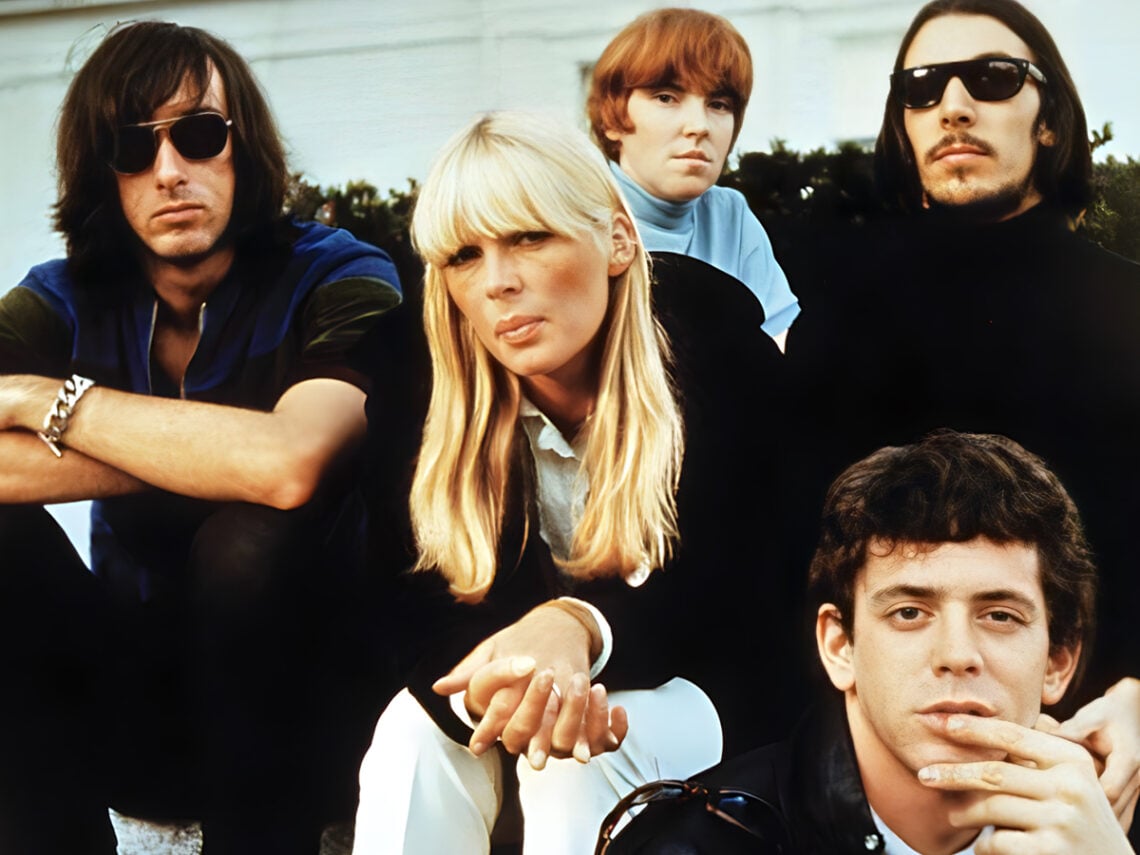
The Velvet Underground‘s debut album is a landmark recording in popular music. Combining elements of rock and psychedelia with the avant-garde DNA associated with Andy Warhol’s Factory collective, its influence stretches several generations of musicians, fashionistas, graphic designers and banana purveyors alike. Despite this, The Velvet Underground & Nico wasn’t exactly a hit initially.
“The first Velvet Underground album only sold 10,000 copies,” Brian Eno memorably said back in 1982, “But everyone who bought it formed a band.”
Though the album ventures into darker, heavier territory across its 47-minute runtime, the opening track ‘Sunday Morning’ is a gentle and woozy introduction to the chaos and beauty of The Velvet Underground & Nico. It may be the memorable opening track of the record, but it was never actually supposed to feature on there at all.
‘Sunday Morning’ was the last song recorded for the album, only appearing on The Velvet Underground & Nico because the initial release date was postponed. Producer Tom Wilson, being pushed by record label Elektra to produce a radio-friendly hit, reconvened the band in the studio in November 1966 to record ‘Sunday Morning’. Soundtracking coming-down Sundays for the best part of 60 years, the song is instantly recognisable for the dreamy, childlike riff that opens it. But what instrument is used?
The celesta looks a little bit like a piano but actually belongs to the percussion family of instruments. Invented by Victor Mustel in Paris in 1886, its name comes from the French word cèleste, meaning ‘heavenly’. Its unique sound is produced when a felt hammer strikes the top of a steel sound plate hanging over a wooden resonator.
Initially, the instrument was closely associated with classical music. It was first co-opted by Pyotr Ilyich Tchaikovsky, who used it in his famous ‘Dance of the Sugar Plum Fairy’ work from The Nutcracker. It was later taken up by jazz musicians in the 1930s, most notably Duke Ellington, Thelonious Monk and Herbie Hancock. One of the instrument’s first appearances in rock music was on Buddy Holly’s 1957 song ‘Everyday’, but as musical genres and styles began to blur in the 1960s, a generation of musicians started to incorporate instruments like the celesta more and more into their work.
Who else used the celesta?
The Velvet Underground may have pioneered a raft of new lyrical and musical ideas on their debut recording, but they weren’t the first of their generation to use the celesta in their music. In the years prior, it was also used on ‘Baby It’s You’ by The Beatles, ‘Girl Don’t Tell Me’ by The Beach Boys, ‘Ain’t No Mountain High Enough’ by Marvin Gaye and Tammi Terrell, ‘As If You Read My Mind’ by Stevie Wonder and ‘Rhythm of the Rain’ by The Cascades. The Velvets would later revisit the celesta on their 1968 recording, ‘Stephanie Says’.
The popularity of the celesta would peak in the 1960s, as its delicate acoustics were slowly phased out in favour of the bigger, bolder sounds of the 1970s. That being said, the instrument has continued to prove popular with experimental musicians in the years since, with the likes of Kate Bush, Fiona Apple, Sigur Rós and Björk all using it in their work. Away from popular music, the celesta is also well-known for providing the opening notes of ‘Pure Imagination’ – the classic track from the 1971 film Willy Wonka & the Chocolate Factory.
As for The Velvet Underground, their use of the instrument was just one of the many innovations on their pioneering debut album. John Cale – who played the celesta on ‘Sunday Morning’ – would characterise the album’s sound with his drone-like use of the electric viola throughout, while Lou Reed’s so-called ‘Ostrich Guitar’ (where every string of a guitar is tuned to the same note) added further layers of depth and intrigue to an already-shocking album. Meanwhile, Reed’s explicit lyrics about the prostitution, drug abuse and urban life of 1960s New York City took popular music into whole new territory. They were a far cry from the heavenly sound that opened The Velvet Underground & Nico, but that delicious contrast in styles is one of the reasons the record remains loved by so many more than 50 years on.
