


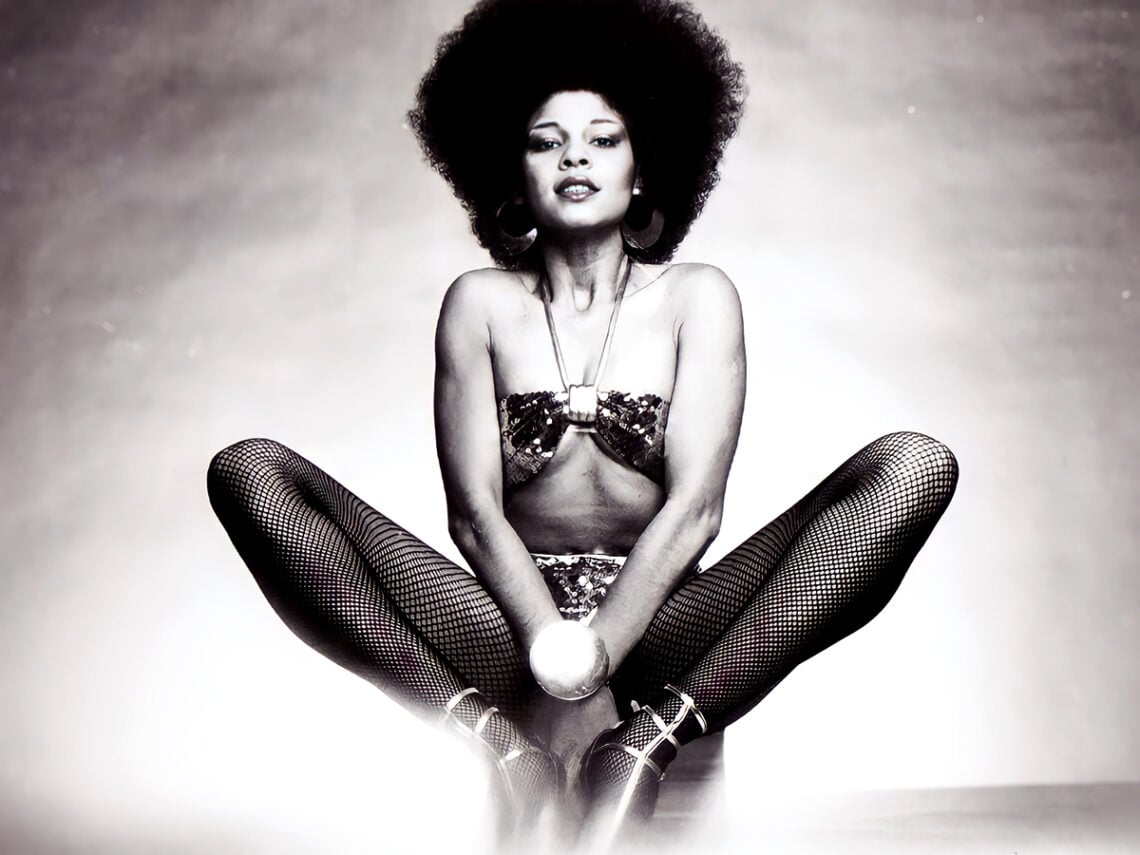
How did Japan shape the life of Betty Davis?

Betty Davis was a genuine trailblazer, a woman far ahead of her time who got all the downsides that came from being at that status and barely any of the upsides. She was Prince before Prince in her frank, unapologetic sexuality and radical combination of rock ‘n’ roll, funk and soul.
The problem was that her unique nature, which was never going to get her any cred with the mainstream of the day, was too much for the alternative culture of her late 1960s to early 1970s heyday. To the point that the NAACP officially denounced her for “perpetuating negative stereotypes”.
By the time she was dropped by her record label in 1977, Betty Davis had seemingly burned every bridge available to her. With nowhere to go in her career, she made the decision to officially retire from music. Seeking to get as far away from Los Angeles as possible, she decamped to Japan to live with monks for a year.
Unfortunately, her time there had to be curtailed. Her father fell gravely ill, and she had to return to her home country to look after him. However, the time Davis spent in Japan didn’t just have a positive effect on her state of mind; it was something of a creative rejuvenation.
So, how did Japan shape the life of Betty Davis?
After returning, she recorded a whole album with this newfound creative spark, which led to 1979’s Crashin’ From Passion. While it wouldn’t see a release until four decades later, the very fact that she was willing and able to make that album speaks to the special place in her heart for the ‘Land of the Rising Sun’. After her father’s passing in 1983, she decided to go back for what would effectively be her final year in music.
While she was living there, Davis started working with a jazz fusion band called Arakawa, named after their band leader, Tatsuhiko Arakawa. The band had a residency at The Crocodile Club in Shibuya, Tokyo, and after a few weeks of rehearsal, she played what would become the final gig of her professional career at the club, backed by Arakawa.
While she went out on a creative high in Tokyo, the love Betty Davis had for Japan wasn’t just for what it did for her music career. She found a kind of spiritual peace, particularly in the world of Shinto Buddhism. She visited Mount Fuji accompanied by a Shinto priest and that experience stayed with her for a long after she left Japan.
In fact, when she passed in 2022, her last will and testament stated that her ashes be scattered at Fujisan. This task was carried out by a writer who is extremely qualified to talk about Betty Davis’s incredible life. Professor Danielle Maggio is an author and musicologist who was first inspired by Davis’ music and then became a personal friend and confidante of hers later in life.
One of the most detailed and interesting chronicles of this period can be found in Professor Maggio’s contributions, retracing Davis’ steps during her time in Japan. She wrote the travelogue to document the process of carrying out the last requests for a person who had inspired her so much. If you enjoy the work published on our fine website, I implore you to give her passionate, immensely compelling work a read.
Sure, Davis didn’t get the fame and fortune her art deserved. However, those aren’t the be-all and end-all of creative pursuits; far from it. The legacy that she established with her art and her experiences speaks volumes, and I hope they continue long, long into the future and inspire generations to come—just as she deserves.
