


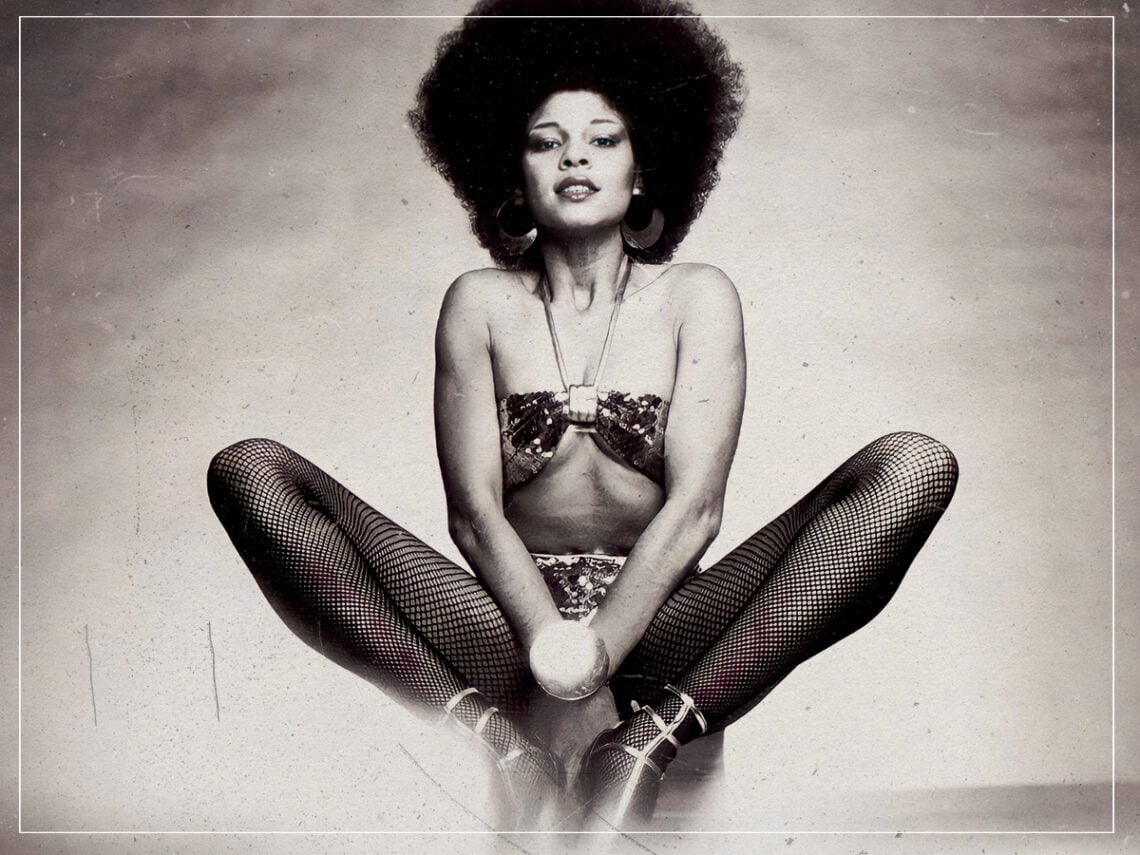
‘They Say I’m Different’: how Betty Davis fused funk with early punk

Betty Davis, the militant funk rock performer and pioneer, did not receive due recognition until later in life. During her tenure, Davis appeared far too ahead of her time, resulting in a delayed acknowledgement of her significant contributions. Nonetheless, as we look back, it’s clear she was an exceptional musician and remarkably progressive in political, sexual, and sonic realms.
Hailing from North Carolina, Davis began her songwriting journey at the age of 12. However, it wasn’t until she relocated to New York City at 17 that her talents began to garner attention. There, she ventured into modelling and managed a nightclub frequented by luminaries like Andy Warhol and Jimi Hendrix. During this period, the iconic jazz musician Miles Davis discovered her musical prowess.
They eventually tied the knot in 1968, though their union proved tumultuous, resulting in a separation after a challenging year. Despite the complexities of their relationship, the couple mutually influenced each other musically. Miles Davis encouraged her exploration of funk while she introduced him to Hendrix, significantly contributing to the fusion heard in Bitches Brew.
In the subsequent years, Davis rightfully earned her moniker as the indisputable Queen of Funk, releasing a series of groundbreaking records. Davis’ sophomore album, 1974’s They Say I’m Different, continued to push the boundaries of funk and soul. Her fusion of rock, funk, and soul elements created a sound that was both innovative and influential, as she collaborated with musicians like Sly Stone, Larry Graham, and members of Funkadelic.
They Say I’m Different particularly played a crucial role in expanding the boundaries of funk music, infusing it with a fearless attitude. The album’s bold lyrics, unapologetic sexuality, and experimental sound contributed to its acclaim. While it didn’t achieve mainstream commercial success at the time of its release, They Say I’m Different has gained recognition and admiration over the years for its impact on the funk genre and its role in shaping the trajectory of music during the 1970s.
During its time, funk typically adhered to a straightforward formula, and Davis stood out as one of the few pioneers in the genre whose audacity and skill in challenging conventions aligned her with the emerging punk sensibilities. This convergence allowed funk to explore new territories, empowering artists to tackle seemingly taboo subjects and venture into uncharted corners.
The title track of the album, in particular, emerged as a tribute to embracing an outsider identity, rejecting conventional norms with a cool and endearing demeanour. With this album, Davis effectively reinstated funk’s edginess, introducing a fresh layer of cheekiness and daringness previously absent from the mainstream.
