


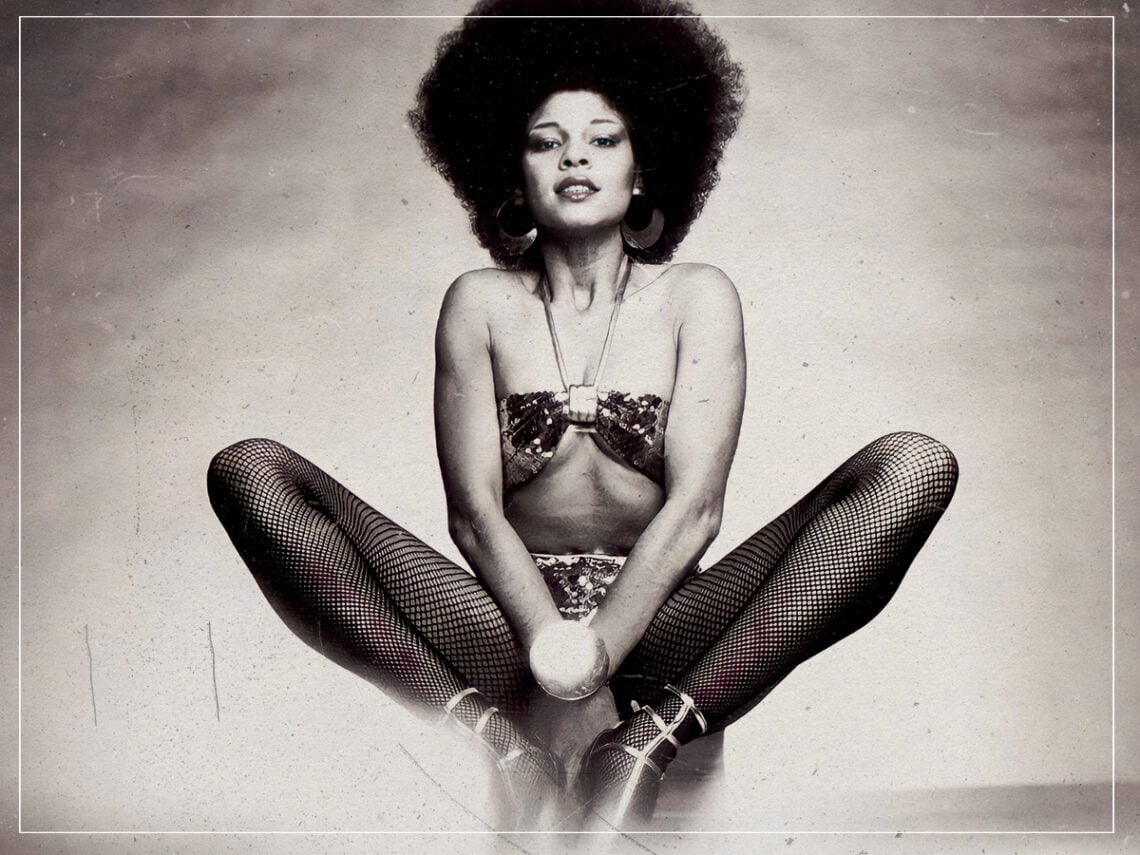
‘Stars Starve, You Know’: when Betty Davis rallied against the demands of the music industry

God bless the artists who arrived before their time. There’s a particular tragedy in someone nailing the sound of the cultural zeitgeist—only for the world to catch up two decades too late. There are countless examples of this, but Betty Davis stands out as someone who would absolutely thrive in today’s pop landscape. Instead, she had to settle for the early 1970s. On the surface, that might seem like the perfect era for her brand of raucous, unapologetic funk. But Davis dared to do something even more provocative—she was a sexually liberated Black woman who wrote with raw honesty about her lived experiences in an industry often hostile to women like her. That boldness made her legendary, but it also made her a target.
As upbringings go, Betty Davis’ (née Mabry) was, on the surface, almost comical in its wholesomeness. A native of Durham, North Carolina, her love of music was encouraged by her grandmother, Beulah Blackwell, and the blues musicians she put up at her house while they travelled through town. At 12, she wrote her first song ‘I’m Going To Bake That Cake Of Love’. Later on, everything clicked when she found that her father could dance like Elvis Presley, reasoning that surely anyone can build a career in show business.
So, she upped sticks to New York City. There, she lived with her aunt, studied at the Fashion Institute of Technology, and delved into the Greenwich Village folk scene of the early 1960s. She built a successful modelling career but was always looking to move into music. After several false starts and sudden stops (including a year married to the man she got “Davis” from, some trumpet player called Miles), she finally released her self-titled debut album in 1973.
The band she put together for said record was a legitimate murderer’s row of talent. The Family Stone’s rhythm section. Santana’s keyboard player. A lead guitarist who would go on to form Journey. The actual Pointer Sisters on backing vocals. Above all, though, the defining voice was Betty’s own. She wrote and arranged every note and lyric on the record and would for each of the three solo albums released that decade. Solo albums that gained critical acclaim but little else.
Despite still working with the likes of Herbie Hancock and releasing her third album ‘Nasty Gal’ on Island Records, Davis faced an uphill battle for commercial success. Her music was just too radical, her sound too aggressive and her lyrics just too damn filthy for mainstream tastemakers at the time. Hell, even the NAACP boycotted her music for fear that it would, for lack of a more delicate term, make Black artists look bad in the eyes of the public. Davis took this rage, though, and poured it into a song that, in a career spent not giving a single fuck, is the sound of her really not giving a fuck.
‘Stars Starve, You Know’ is a colossal clap-back to the music industry at large. A hilarious, biting headshot to the men who told her no one can be themselves in music while raking in millions of dollars from white men being utterly themselves and in thrall to no one else. It’s also, like pretty much all her songs, not afraid to call a spade a spade either, singing “They don’t like the way I’m lookin’ / So it’s hard for my agent to get me bookin’s / Unless I cover up my legs and drop my pen / And commit one of those commercial sins.”
It’s hard to imagine the folks at Island taking one listen to a record that literally calls them out by name for not paying their artists enough and going, “Yes, let’s send this one right to the top!” So, tragically, the record was shelved, and Davis retired from music soon afterwards.
Davis passed away in 2022, so if there’s some solace to take from this, it’s that she was able to see a generation of unapologetic Black women take after her in the pop scene. Janelle, Megan, Skin, and Twigs all of them owe a debt to the woman that her ex-husband once called “Madonna before Madonna. Prince before Prince”.
