


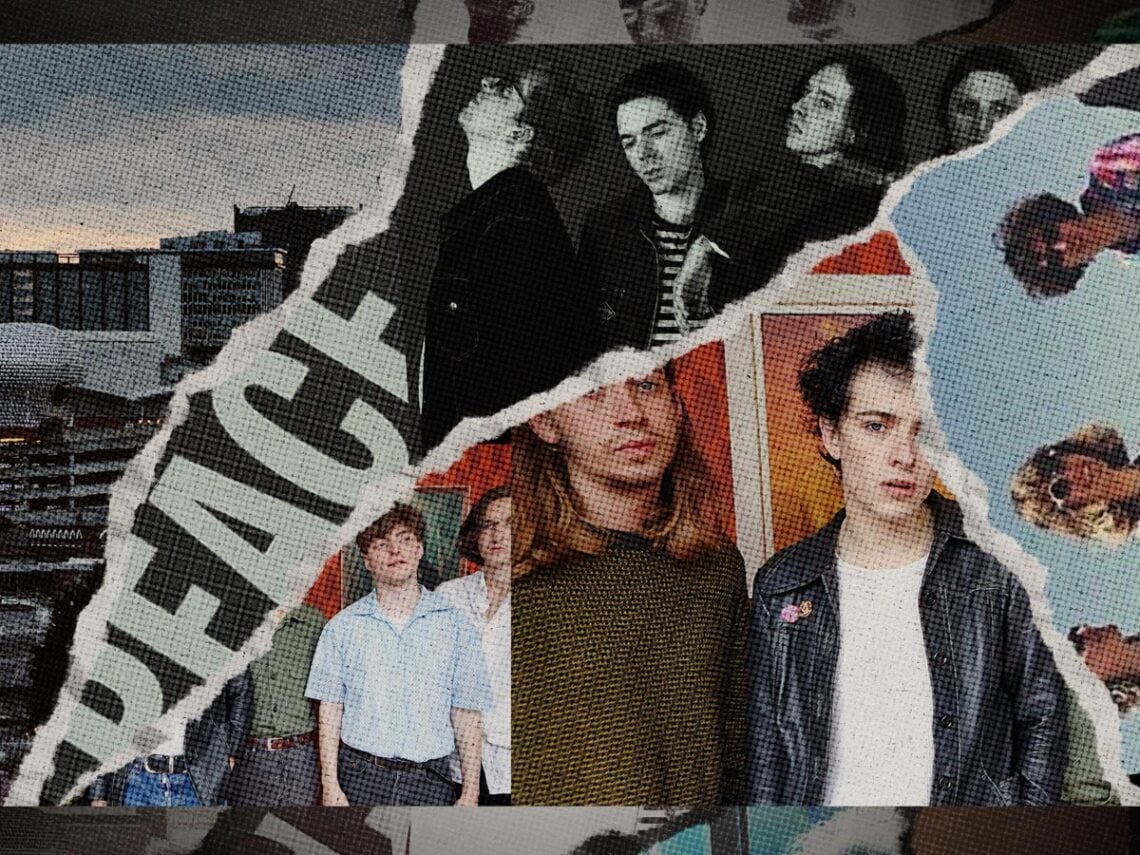
How did Birmingham become the epicentre of modern indie in the 2010s?

At the moment, there’s a lot of talk about the need to decentralise music.
In 2024, when English Teacher became the first non-London-based act to win the Mercury Prize for a decade, it felt like a watershed moment that sent both the Mercurys and the Britons up north for their ceremony, but before then, back at the start of the 2010s, the brightest hot spot for new indie music was already out of the capital.
Cast your mind back; no matter what age you were at, as long as you weren’t a full-blown homeowner grappling with the recession, the early 2010s sparkled with a strange sort of optimism. Never has there ever been a longer time for drinking tinnies in parks with your friend, or having house parties, and soundtracking it all with jovial indie music.
The indie sleaze era had provided some of that in the 2000s, but then, the music was darker and dingier, especially when it came to the guitar bands and the majority male voices, making for a much more aggressive, testosterone-driven period. However, when the new decade came in, the sounds got lighter, and the glitter came out.
The reason as to why can perhaps be found at the club night. In Birmingham, Zombie Prom was the place to be as the city’s finest indie night, spinning all those Libertines and The Strokes tunes, but on the dance floor, simply having fun to those songs was the next generation gaining their own indie education there and then, all through the lens of drunken dancing.
“Don’t get us emotional,” Peace’s Harrison Koisser said to The Guardian when the publication gathered up the city’s emerging new stars, adding, “Zombie Prom was our stomping ground in the glory days. It’s where we all became friends. It’s where we met all the girls and wrote all the songs.”
At that round table interview in 2012, the newspaper brought together Peace, Swim Deep and Jaws. All three bands had only just formed, and none had released a debut yet, but even with only early singles out, the impact of their shared friendship group from their hometown was already being felt. From all the way up in Middlesbrough, I remember noticing it as suddenly the playlists of my youth were filled not with bands from London or New York, but with ones from the Midlands.
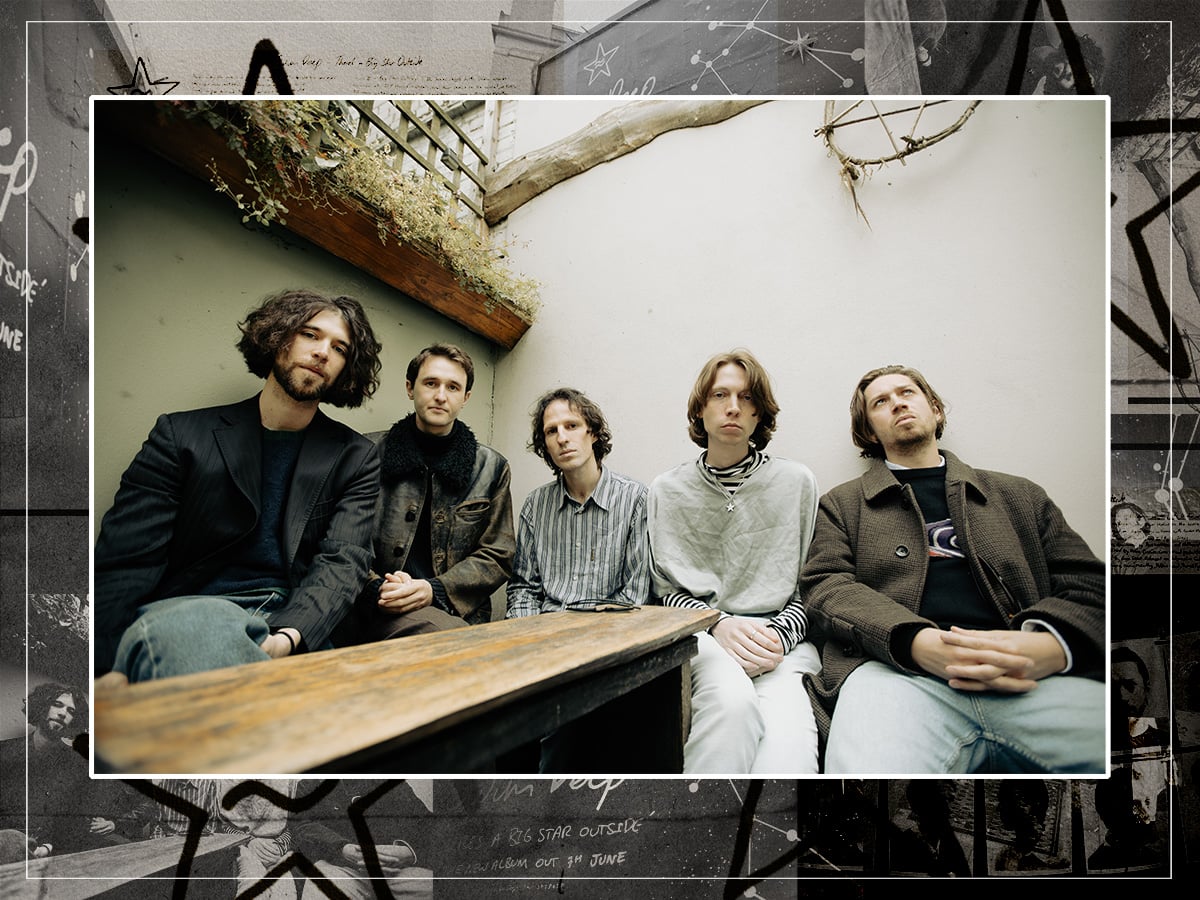
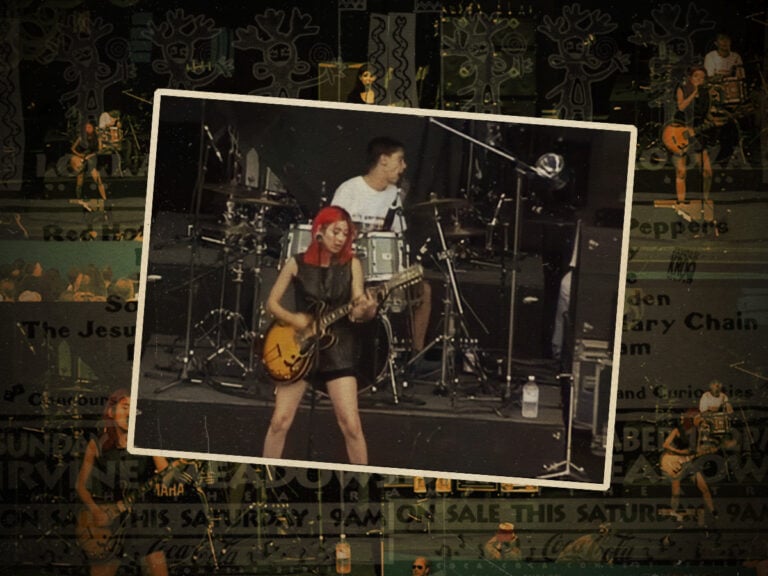
Within the one city, there were a few key haunts, with Zombie Prom being one, and so was Snobs. The bands all rented houses in Digbeth when they were starting out, known as the city’s creative quarters, before later joking to The Guardian, “Birmingham’s like the safehouse in Grand Theft Auto. You come here to save game! In London, we’ll drink cocktails but here we drink K cider on the rocks”.
However, there’s more to that point: Birmingham offered bands a softer training ground, away from the glaring eyes of the big industry, where their music could be fun and could be made almost solely to play loud to their friends in their local venues.
Even veterans of the second city, like Pete Williams, who shot to chart-topping fame with Dexy’s Midnight Runners, take the familiar stance of treating Birmingham like a hometown sanctuary devoid of typical pressures, telling The Birmingham Press how dearly the local indie venues are held, “There’s a circuit I’m not vastly interested in playing. The Studio’s anonymous, it’s not branded, it’s not an O2 or a Carling, it’s not got the stamp of Birmingham promoters, it’s not one of the regular venues.”
Aligning with the hometown attitude of the once-emerging bands like Peace, he continued, “I want to play places that are accessible and do a night we can make our own. In my set, we take stuff down to a whisper; it’s a leap of faith and a very dynamic show. I just like the fact that the Studio is lit well, people can sit and watch. It’s a 300-capacity room.“ And this sentiment and space helped indie bands thrive on home soil.
Just as they’d all come together to dance at the indie disco, they were essentially just out to make a new soundtrack to their own nights out, rather than being bogged down by expectations or sales projections or the big city panic of needing to make it work. It could be fun, and so that fun is heard in the music, even if they all decamped to London the second the success landed.
Yet Birmingham’s impact on music still reverberates. In 2013 and 2014, when the holy trinity released their debuts, all three had a tight grip on the zeitgeist, a grip so tight that even Wolf Alice, who formed in London, seemed to become more of an honorary Birmingham band rather than being a proud product of the capital.
While Peace’s guitarist at the time, Doug Castle, joked, “Most of us are in London all the time because we’ve fallen in love with London girls,” Ellie Rowsell, who was the London girl Swim Deep’s Austin Williams had fallen for, was embedding herself in his musical culture rather than the other way round.
It worked in all of their favours as the bands toured together, moving as one big pack of friends and one giant cultural wave, launching a new era of indie that held that palpable feeling of fun and spontaneity. In short, it was indie that sounded like getting drunk and dancing with your friends in your small hometown as Swim Deep sang over a grooving rhythm, “Don’t just dream in your sleep, it’s just lazy”.
The mystery, though, is the fact that Jaws are now defunct, Peace have drifted, and Swim Deep, while still going strong, always struggled to keep growing as the 2010s rolled into the 2020s. The bands themselves faded, but the impact of that Birmingham scene lives on. It was a vital moment of inspiration for non-London bands everywhere, for one, reminding them that they could make an impact, but mostly, the Birmingham crowd with their lighthearted, colourful music undeniably impacted the likes of Declan McKenna, Wet Leg, Hers and so on. Even Harry Styles is a fan, having been seen sporting some original Swim Deep merch.
And so for a golden moment, the musical crowd left the capital, and while the bands influenced by the old Birmingham pack might have floated back to the big city, their sonic impact endures.
