


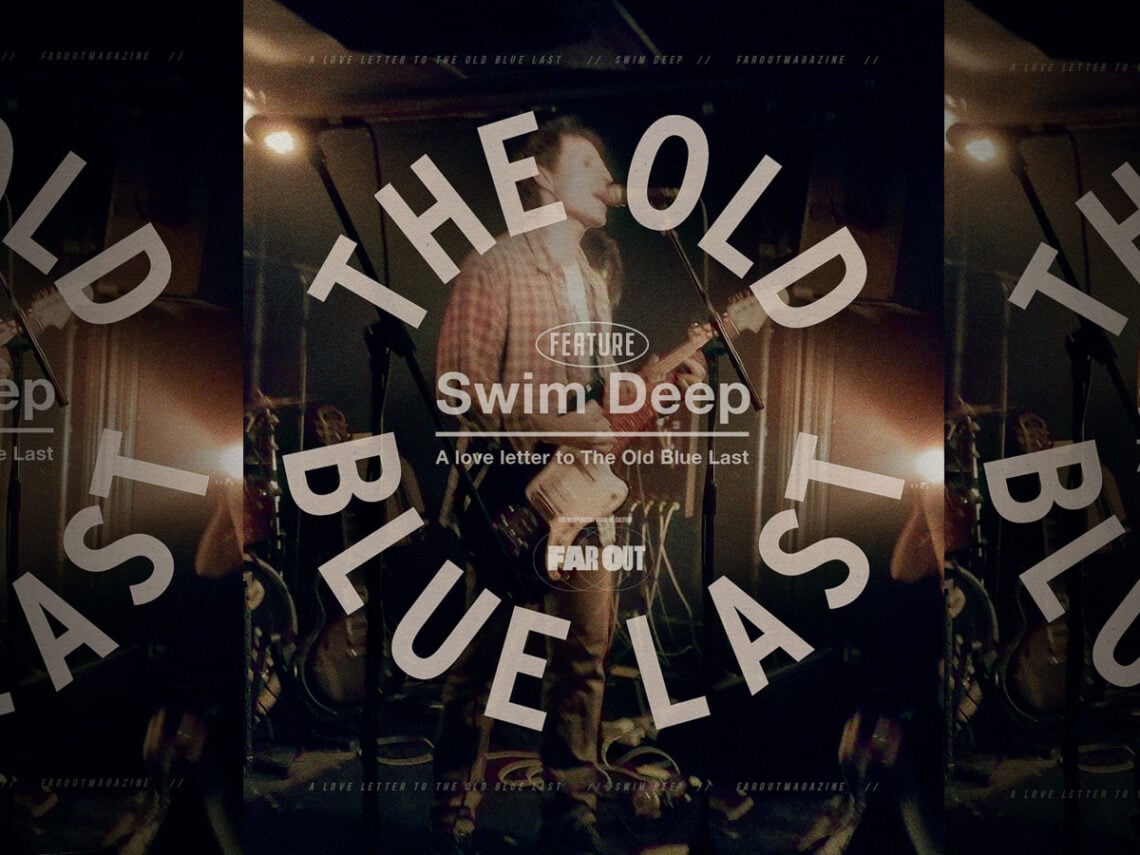
A love letter to The Old Blue Last: Swim Deep reminisce on “an old friend”

In my eyes, talking to Swim Deep about The Old Blue Last has the same energy as Martin Scorsese trying to interview Bob Dylan for the Rolling Thunder Revue documentary, where the artist is blurry-eyed eyed trying to rack his brain for long-lost memories of good times that are those to the good times themselves. On the other hand, it’s like talking to historians with a specialism in the place.
“I’ve watched Swim Deep play here,” keys player James Balmont says, “before I was in the band”, which gives you the first clue of how deep their history runs here. Sat in the newly converted attic of the iconic Shoreditch pub that has been a live music mainstay and vital venue for 20 years now, the band are reminiscing, and I don’t even really have to ask questions.
“I think it was the one where Jaws were supporting, and was Wolf Alice supporting too?” Balmont ponders, turning to singer Austin Williams, who can’t help much beyond saying, “I don’t know when that was, maybe 2013. I actually remember the shirt I was wearing”.
The venue, for them, is a frantic gathering of loose memories. Even if they alone filled the space with their personal stories, it would feel claustrophobic. Drummer Thomas Fiquet admits to sleeping on the bench outside one night in his youth. “I remember coming in for New Year’s Eve when we were like 19 and Peace played it or something,” Williams offers up as one, clarifying adamantly, “It kicked off quite a bit. I think our guitarist got kicked out by another band’s manager for pretending to wee in the corner of the room. And he didn’t, he was pretending”.
Balmont starts to chime in with another, beginning, “I think the first time I came here was, it was either sneaking through that fire exit with the stairs to watch Cajun Dance Party in the MySpace days,” but then a bigger, better one interrupts. “Or it was The Horrors before they did their first album,” he begins before the story quickly spirals into a hall of fame worthy indie sleaze flashback; “There was like this famous show they did, because there used to be a cat that lived here. There was like the pub cat. And so the rumour went that in the gig room, people were jumping around so much that one of the light fittings came down and the cat died.”
Apparently, Farris Badwan confirmed it to him just the other week, while Williams laughs, “So that’s their version of, like, eating a bat’s head”.
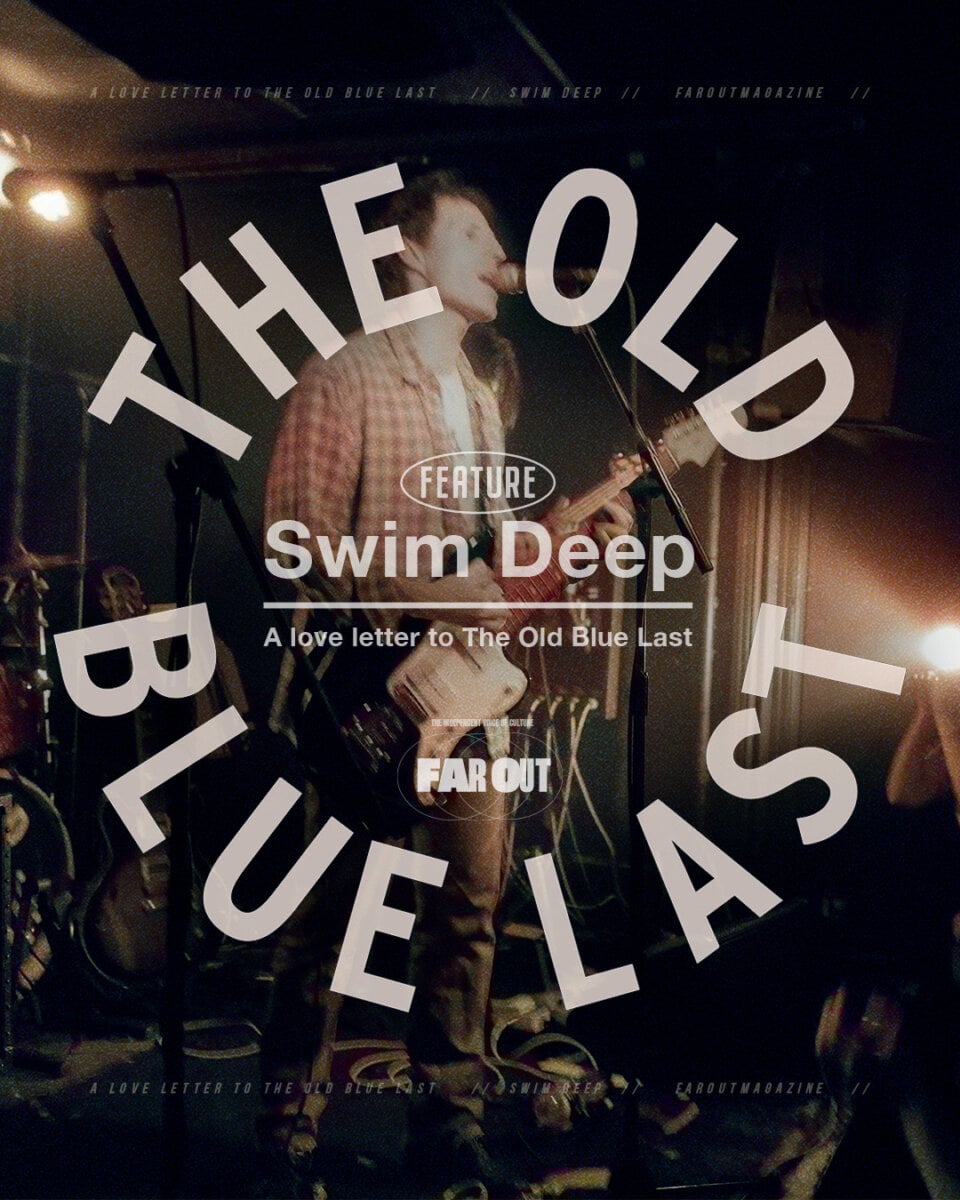
There are some more short teasers of stories that deserve to be in musical history books, or feel like they should at least populate memoirs. Balmont throws them out like casual little anecdotes, saying things like “I remember the night when Kylie Minogue played,” or “I saw Charli XCX here when she was first on the bill at some random night”. The band themselves provide part of the essential lore with their own truly iconic Old Blue night. August 30th, 2012, the date Williams can’t remember, when they, Wolf Alice and Jaws shared a bill for a sold-out show which now feels utterly encapsulating of the times.
“I can’t remember anything about it,” Williams says like a dazed Dylan, “Pretty fun, though”.
We’re there before that night; the band were playing Old Blue again, now over a decade, four albums, countless tours and an endless stream of highlights later. It’s a homecoming of sorts, but it seems like for any band that came up in the crowd that first buzzed around Shoreditch, or even any band still gigging around London now, any return to its hallowed stage is a return to roots. “I used to just work out where other parts of London were by how far away they were from here,” Balmont says. It was that central to them; “It used to be like the centre of gravity”.
There are times when it still feels that way. I’ve had weeks when I’ve found myself at Old Blue several times; a few gigs, a club night on the Saturday, then maybe call in for a hair of the dog drink on a Sunday because I always seem to be passing. It ends up feeling like the centre of the universe because, for London’s music scene, it has that pull: the lineup each week is always strong, there is always something happening, and chances are there will always be a familiar face there.
“It’s the reason why it’s lasted so long is because it’s just had that constant, like seven days a week, three bands on every bill, all day, festivals and stuff, they’d always be booking bands all the time. So it was a really important space for getting your foot in,” Balmont says. Williams agrees, adding beautifully, “You felt quite proper if you got to play here, like this one of those venues, isn’t it? It’s like it’s the first harbour that you port at”.
You port there first, and then you keep coming back. It’s the way it is for London’s music crowd still today, but for Swim Deep, they were there in what it already reflected on as a true heyday. They reminisce on things long-gone now, like the infamously awful Old Blue Last Beer: “Amazing branding,” Williams says, with all of them at once going “gold can” before kind of wincing.
“No one would buy it, so they’d just give it away,” Balmont recalled. “Every gig you went to or every like festival or whatever, they’d just be like crates and crates of it,” he continued as Williams groaned. But despite the repulsion, what other venue can brag a legacy that goes so far beyond the physical building and is embedded in the psyche? Or at least in the liver?
“It was good after a few. It was a good like 5am beer,” Williams then says, softening. This is how these things go, this is how they stay in our hearts. You can laugh and mock the shit moments; the leaking ceilings, the floors that feel like they’re gonna fall through, the bad nights, the weird periods where the crowd might change or the energy might shift, but at the end of the day, the importance of a place like that, in memory and in music, remains.
“It’s one of these places that’s just stood the test of time, and so many bands have cut their teeth coming through playing here,” Balmont said, “literally”.
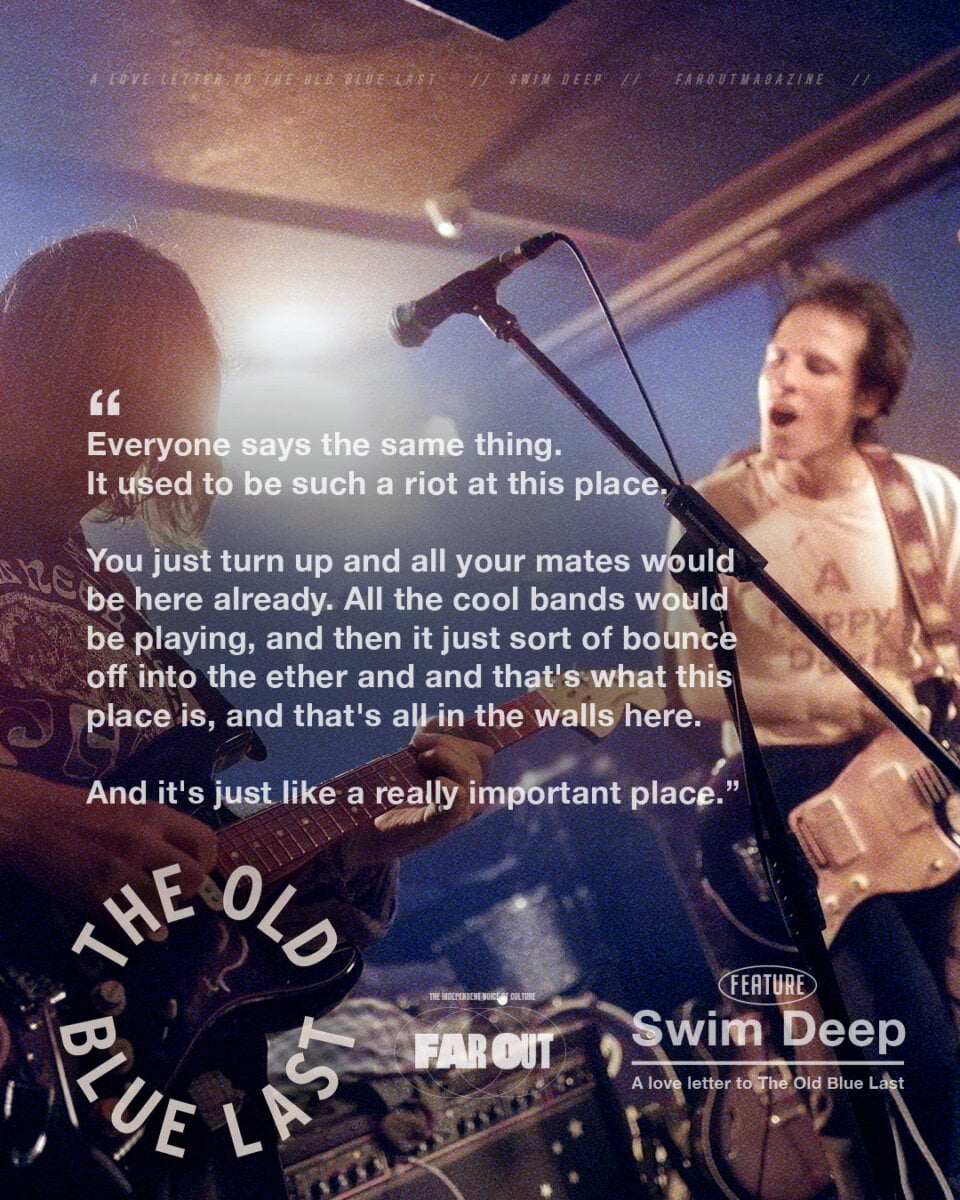
He’s not alone in the thought, adding, “Everyone says the same thing. It used to be such a riot at this place. You just turn up and all your mates would be here already. All the cool bands would be playing, and then it just sort of bounce off into the ether and and that’s what this place is, and that’s all in the walls here. And it’s just like a really important place.”
They fall back into loose reminiscences; Death Grips crowd surfing on a literal surfboard, Facebook photo albums from the old club photographer, a particularly memorable love seat about which Williams says, “I remember that…don’t know why…”.
But really, the band perhaps said all they needed to say in their own Instagram caption announcing the gig they’d be playing there: “We couldn’t say no to an old friend”.
