


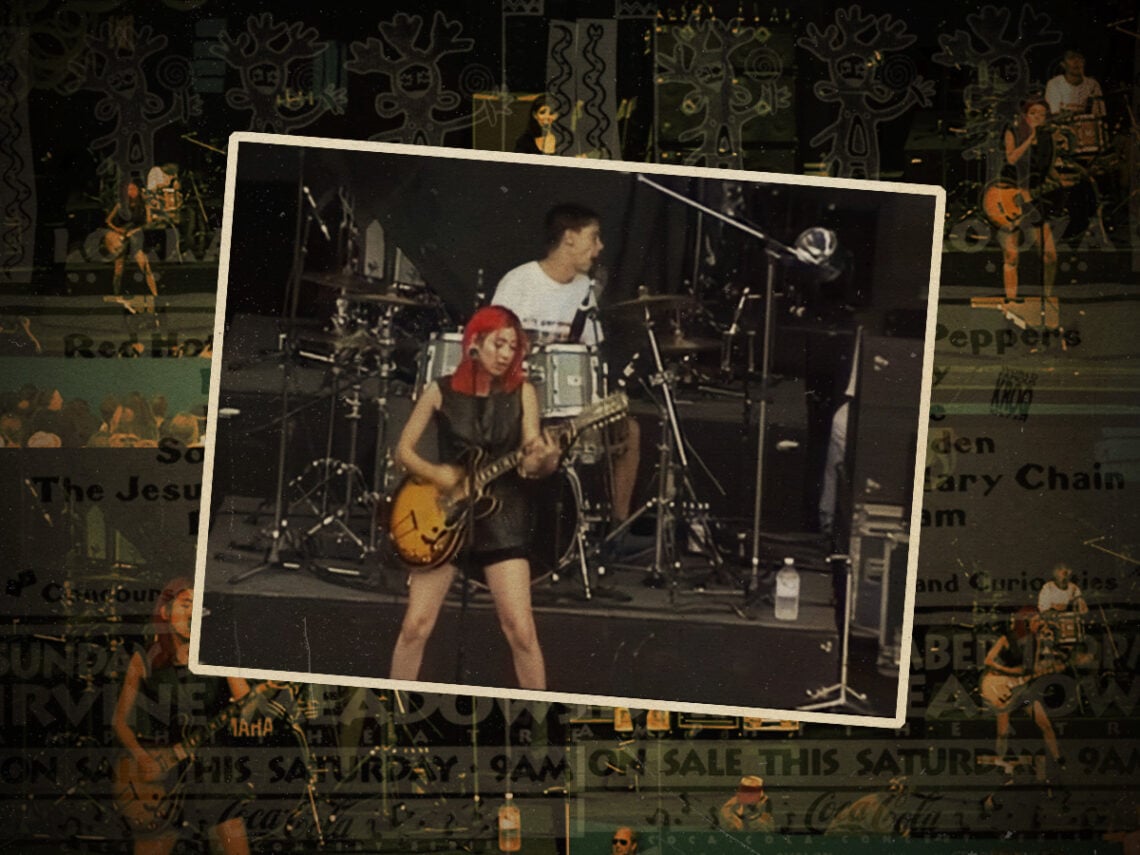
Lush at Lollapalooza ’92: Memories from the only women on alt-rock’s biggest bill

This year’s flagship Lollapalooza festival will take place over four days, from July 30th to August 2nd, in Chicago’s Grant Park, with Lorde, Charli XCX, Olivia Dean, and Jennie among the headliners.
Old-schoolers will often complain that this event has abandoned its rock roots to become a middling Midwest Coachella in recent years, but its evolution on the gender equality front is certainly commendable.
When Jane’s Addiction frontman Perry Farrell organised the original Lollapalooza in 1991, it was a very different creature indeed. Rather than following the typical weekend festival model, the seven main-stage acts committed themselves to a massive, on-the-road, rock and roll circus, spanning the entirety of the US at more than 20 venues across six weeks.
Sceptics thought the whole thing would be a colossal failure, and questioned why a fan of Jane’s Addiction would also want to see Ice-T’s Body Count or some weird industrial act called Nine Inch Nails. In the end, of course, the first Lolla was a national phenomenon, lighting the fuse for the alt-rock takeover of the mainstream in the early ‘90s, and rebirthing the festival age in America, as well.
One month after the first tour concluded, Nirvana released Nevermind, and the whole music industry flipped upside down. Perry Farrell, at the age of 32, was suddenly rock’s new guru of curation, and his announcement of a second Lollapalooza tour in 1992 was met with a stampede of interest from hundreds of bands hoping to get the ultimate showcase.
This was no longer limited to a field of American bands either. By inviting Siouxsie Sioux on the first Lolla tour as its sole female and British representative, Farrell had set the precedent that a UK band, even one with women(!), might be able to nab a spot on the next go-round. This is where the timing was kind to the London shoegaze quartet known as Lush, led by the singing/songwriting/guitar-playing duo of Miki Berenyi and Emma Anderson.
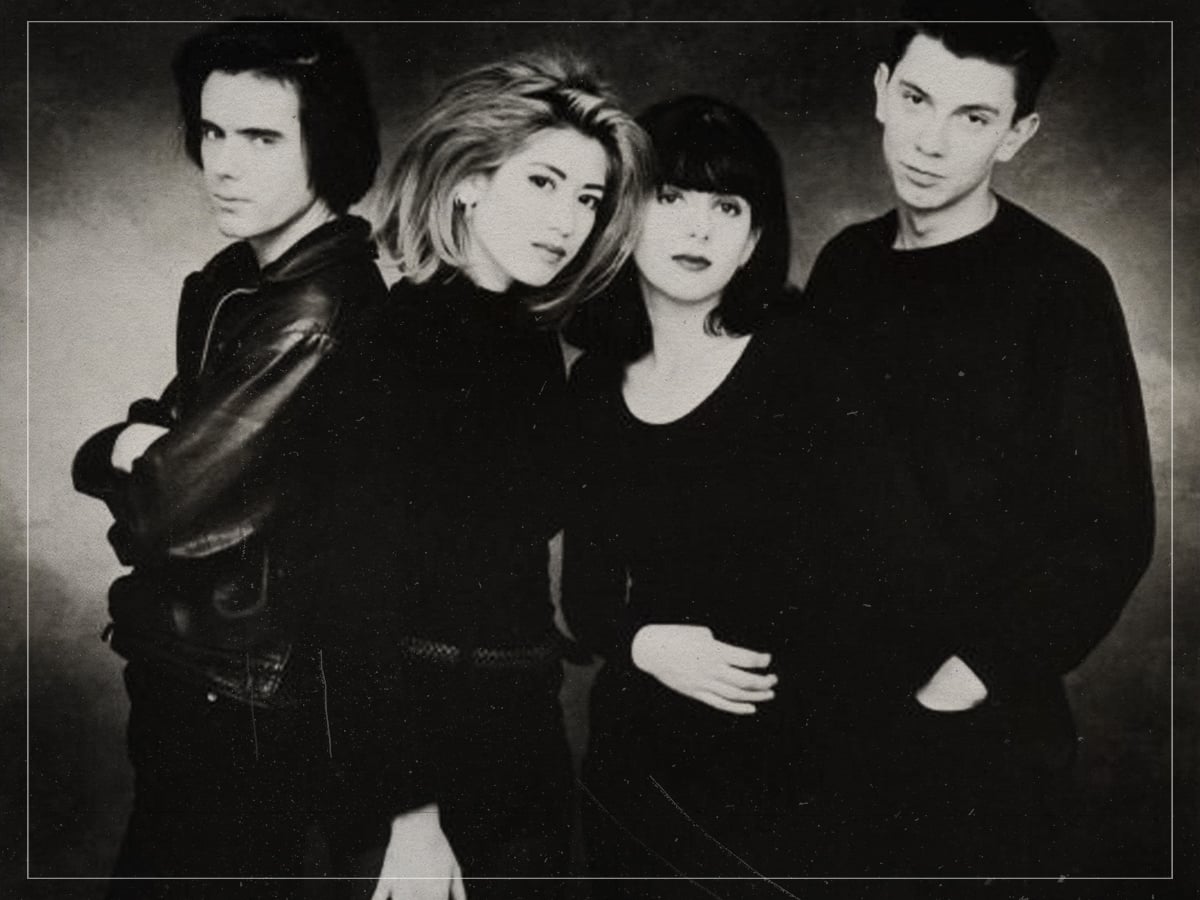
Even before the first Lolla tour, in the spring of 1991, Lush’s management had somehow booked the upstart dream-popsters an opening slot with Jane’s Addiction for four US gigs, and despite understandable fears that the audiences would mercilessly boo them or throw bottles at the stage, the experience was surprisingly pleasant. As Berenyi wrote in her 2022 memoir Fingers Crossed: How Music Saved Me From Success, “We were thrilled by the unexpectedly lively reception”.
She and her bandmates also realised they had a new, potentially powerful fan in Perry Farrell, who’d referred to Lush in an interview as “music to soothe the savage beast”.
“Perry would every night come off stage to hang out in our dressing room,” Berenyi wrote, “which was a touching gesture from the big star to the miniscule indie support, although in retrospect it may have had something to do with him wanting to spend as little time as possible with his own band” [Jane’s Addiction split up, for the first time, right after the first Lollapalooza].
By the next year, as the feeding frenzy was underway for the second instalment of Lolla, Lush had two advantages on their side: they had an established in with the curator, and they also had a debut studio LP performing well on the UK charts, as 1992’s Spooky had reached number seven and received generally positive reviews.
Sales in the States, however, were imperceptible compared to the band that would be headlining the 1992 Lollapalooza tour. That, to the slight consternation of Berenyi and Anderson, was the Red Hot Chili Peppers, who were in the midst of their massively successful Blood Sugar Sex Magik era, and seemed to enjoy celebrating that good fortune by routinely harassing female journalists during TV interviews and getting their ‘socks’ out as often as possible.
When the complete 1992 Lollapalooza line-up was finally announced, Lush were among the sweepstakes winners, but Berenyi and Anderson were the only women among the main-stagers (Lush’s bassist and drummer, Phil King and Chris Acland, were men). The other acts, as had been the case the previous year, were a tad on the bro-ish side, as Ministry, Ice Cube, Soundgarden, and Pearl Jam joined the Chili Peppers on the bill, with Lush’s UK noise-rock chums The Jesus and Mary Chain providing more of a known quantity on the journey.
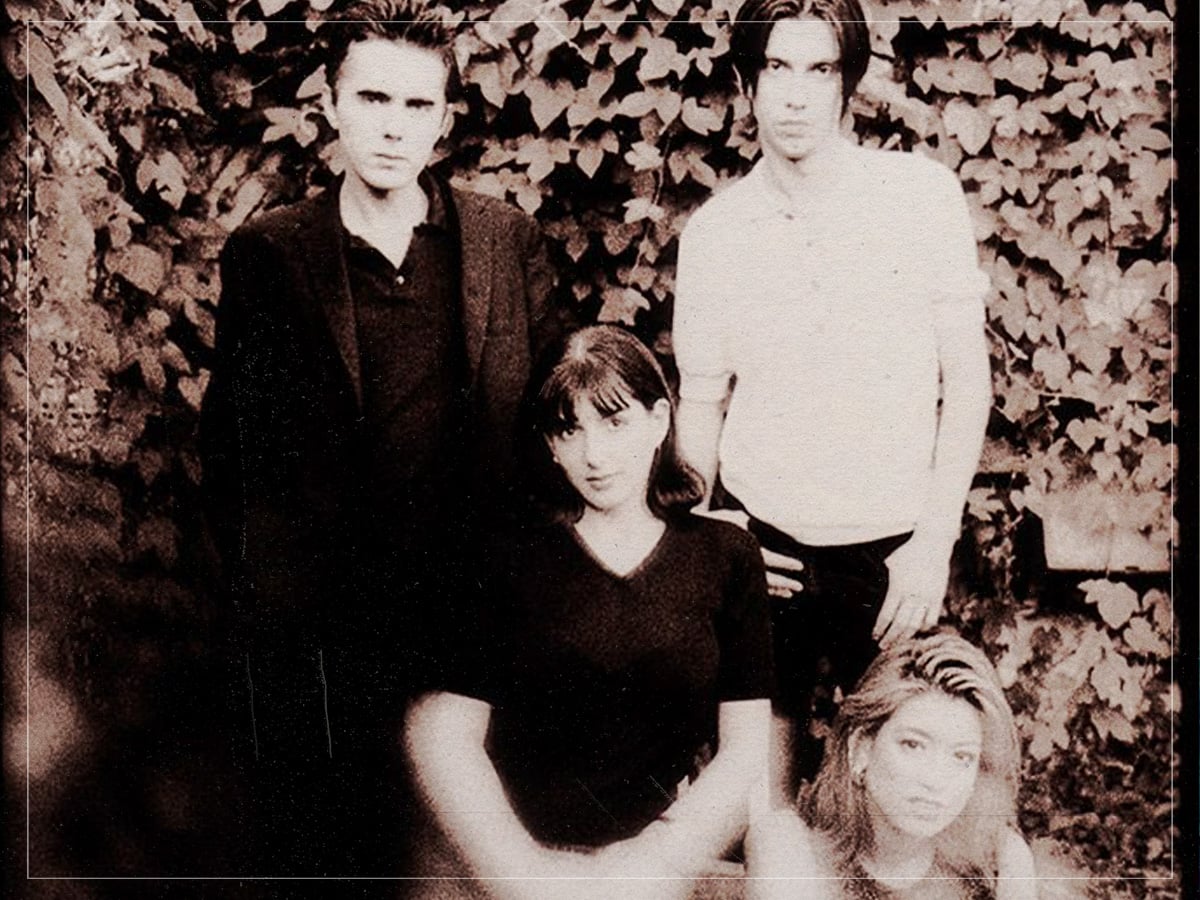
“In the weeks before the tour started,” Berenyi recalled, “Emma and I worried about being the only women on a seven-band bill… We were used to being in a male environment, but this was on an entirely different level, one that radiated muscle and testosterone.”
“I think we definitely were the ‘token’ women,” Anderson said in a 1994 interview with the Toronto Sun, looking back on the Lolla experience, “At the beginning, we were very scared. We thought it was going to be all flexing macho men, and the audience was going to be putting the finger up to us and everything. It was such a heavy rock bill, but it was great… I’m sure a lot of people first heard about us because of Lollapalooza. Spooky was our most successful album in the United States, and that’s because of Lollapalooza.”
Both Berenyi and Anderson were 25 years old at the time and rapidly advancing in their ability as both songwriters and performers. Their decision ahead of the tour, ultimately, was to not let any potential misogynistic bullshit ruin a great opportunity for them. For the most part, it was an attitude that paid off.
On the road, Berenyi initially found the atmosphere unexpectedly “laid-back and friendly”. While there weren’t any other women among the main stage bands, there were plenty working as part of the travelling crew, and most of the guys in the other bands, especially the grunge lot, were puppy dogs.
Even Lush’s potentially low-profile position as the first performers of the day proved better than they’d anticipated. In between the tour getting booked and hitting the road, Pearl Jam’s debut album Ten had exploded, making them one of the must-see acts of the show. Rather than request a better time slot, though, Eddie Vedder and his mates humbly maintained their original spot as the second band on stage, meaning that thousands of Pearl Jam fans were streaming into the grounds early and catching Lush’s opening set as a consequence. The Jesus and Mary Chain were comparatively less thrilled about going third, when those same spectators usually left to find the toilets.
Berenyi wasn’t all that enthused about Soundgarden’s music, but she watched a lot of their sets anyway. “I put in the effort,” she wrote in her memoir, “because Chris Cornell is not only a very charming and friendly individual, but also one of the most dazzlingly handsome men I’ve ever clapped eyes on, and it’s a physical rush just to bask in his gaze.”
With each tour stop, the artists began to interact more, and a camaraderie began to form, as musicians would jump on stage during each other’s sets for some amusing guest collabs. Since the members of Ministry, Pearl Jam, and Soundgarden had enjoyed dressing in women’s clothes while jamming with Lush, Miki and Emma returned the favour, putting on suits and pencilling moustaches on their faces before joining the guys for a song.
“Playing [the Body Count song] ‘Cop Killer’ with various members of Soundgarden and Ministry, while dressed in a Charlie Chaplin suit, was strange but fun!” Anderson recalled in a 2008 chat with the Von Pip Musical Express. Adding to the surreal moment later in the evening, Berenyi, still dressed in her Chaplin suit, happened to walk by Ice Cube, who was sitting outside his trailer and gave her an up-and-down glance, shaking his head to declare, “That’s just wrong”.
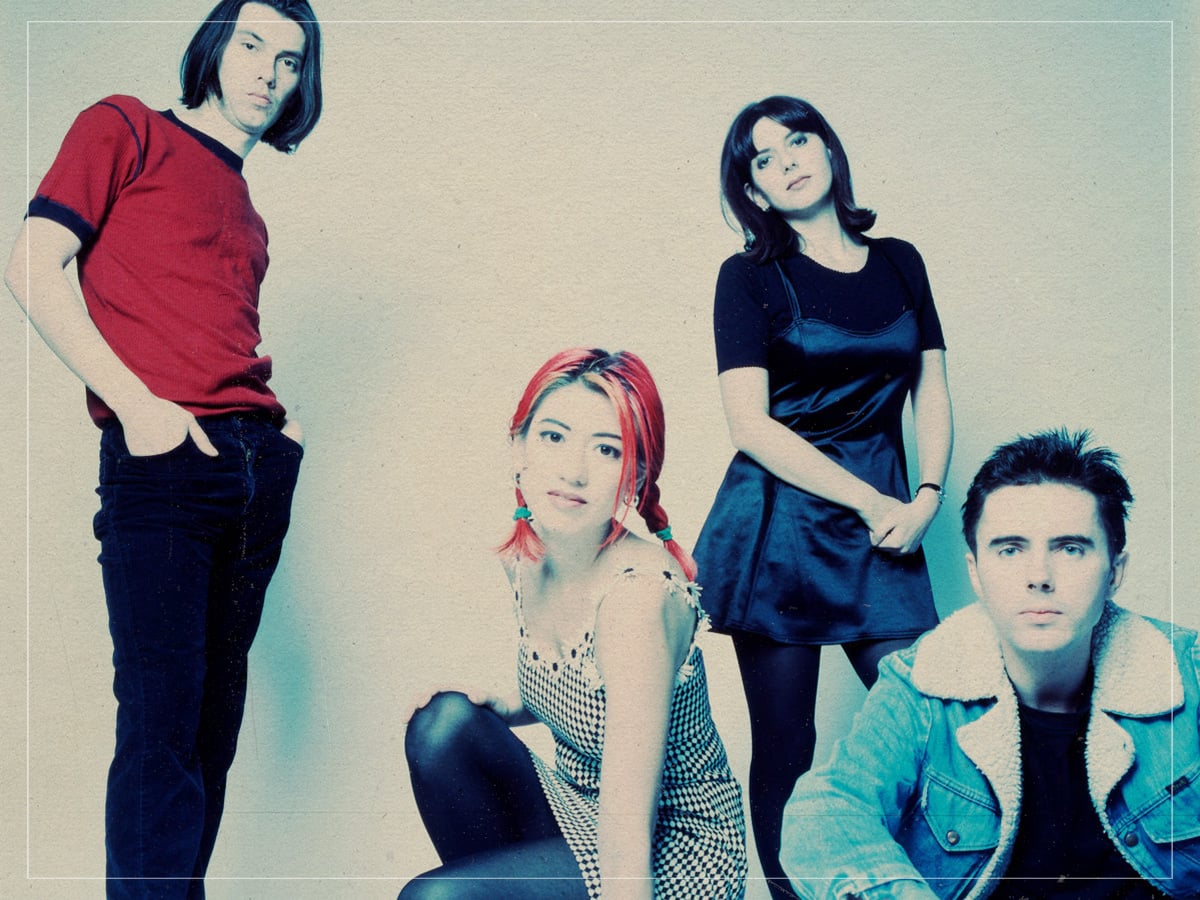
There were occasional reminders like that, that it was still the early ‘90s and gender politics had a long, long way to go. While the members of Lush understood that rampant drug use and sex were clearly going to be on the menu for a lot of the folks going along with them on this journey, the rules of the games sometimes crossed a line.
At one point, Berenyi discovered that her own tour manager had been taking bets on which musicians would get to “shag” her and Emma, and when Gibby Haynes of the Butthole Surfers joined the tour for a couple of weeks, he interrupted any attempts at normal conversation with blunt suggestions that Berenyi join him for a sexual escapade of one sort or another.
Backstage interactions with the Chili Peppers’ frontman, Anthony Kiedis, also took on a predictable vibe. After Berenyi declined an offer to go to a strip club with the Peppers earlier in the tour, most of the other guys just ignored her. Kiedis was a bit friendlier, but also narrow-mindedly focused on discussing his own glorious history with the fairer sex.
“All my conversational gambits on neutral subjects,” Berenyi wrote, “are quickly steered toward ex-girlfriends, former conquests, female friends, a bragalogue of faceless females made distinguishable only by the multitude of ways in which they serve to illustrate Anthony’s profound love and respect for, y’know, the whole genre of woman.”
“He didn’t do anything terrible,” Berenyi was careful to clarify, “he was just a bit of a twat”. Berenyi later wrote the hit Lush song ‘Ladykillers’ with those eye-rolling Kiedis conversations as part of her lyrical inspiration.
The final days of Lollapalooza ‘92 were a bit more brutal, as exhaustion, homesickness, and the annoying distraction of “twat” behaviour finally landed both Miki and Emma in an emergency room on separate days: Emma for drunkenly punching her hand through a window at an afterparty, and Miki for stage diving during a Ministry set and landing headfirst on the ground below, knocked unconscious and in need of 15 stitches.
Bandaged up and in attendance for the tour’s farewell party in a hotel bar in Los Angeles, Berenyi and Anderson exchanged phone numbers and hugs with their various tourmates, friends and foes alike. They had stared down their fears, gone through a physical and emotional gauntlet, and won over thousands of new fans along the way. Then, just as the final party was getting going, somebody lit a match too close to the ballroom smoke alarm, triggering the sprinkler system and an evacuation of the venue. “It’s an aptly idiotic end to a chaotic nine weeks,” Berenyi recalled, “and I wouldn’t have missed it for the world”.
