


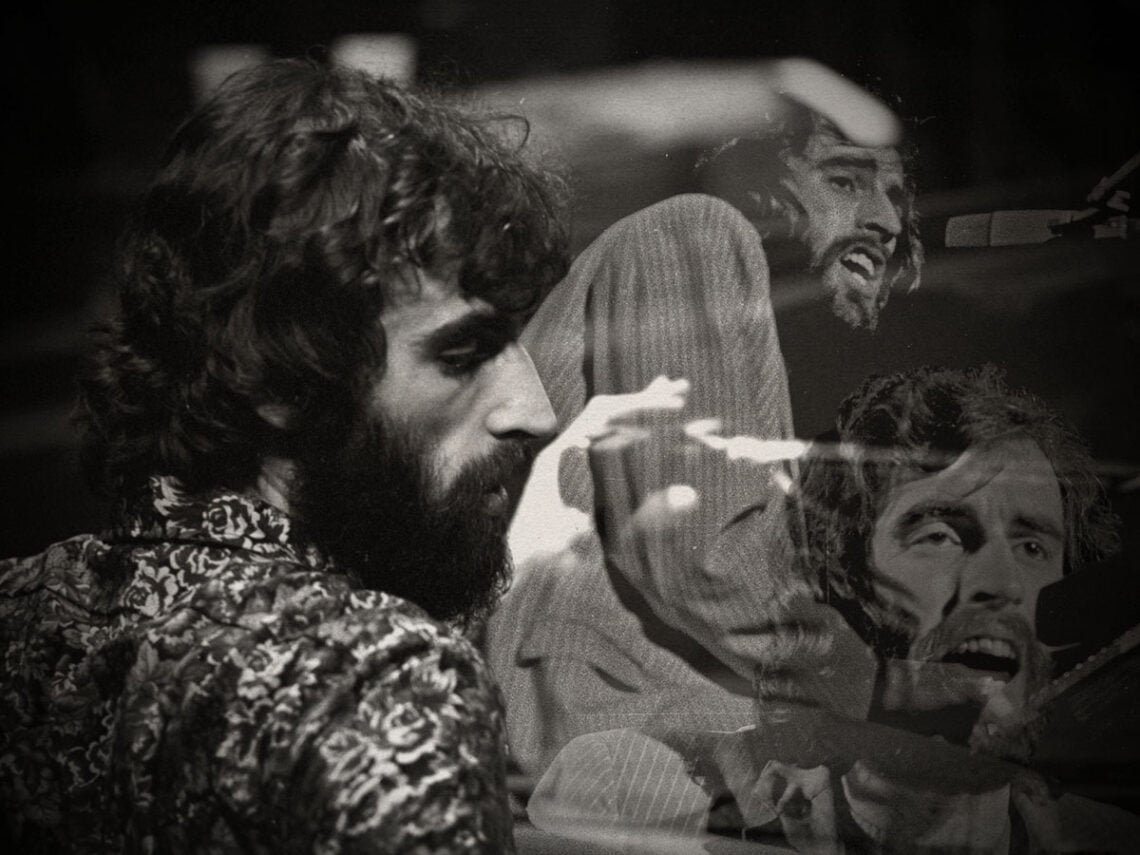
“What I saw just broke my heart”: the hopeful life and tragic end of Richard Manuel

A lot of younger admirers of The Band remain under the impression that The Last Waltz, Martin Scorsese’s documentary film of the group’s star-studded “farewell concert” in 1976, was legitimately the last thing this pioneering folk-rock outfit ever did. Admittedly, it’s nice to imagine a world where such fairy tale endings do exist.
In reality, though, despite all the carefully choreographed theatrics of The Last Waltz concert, the members of The Band had always stopped short of saying that their recording career was over, and indeed, the final chapters of their story ended up stretching out over years rather than hours, with some very difficult moments along the way.
“We obviously didn’t break up,” singer/keyboardist Richard Manuel told the Times-Tribune in 1985, during one of The Band’s reunion tours, sans guitarist Robbie Robertson. “We just haven’t released an album since The Last Waltz. I always thought we were taking a hiatus, a vacation, but I never thought The Band was just packing up and going into a time capsule.”
For better or worse, the legacy of The Band over the subsequent 40 years has largely been trimmed and compacted into that very time capsule Manuel mentioned, starting with their early days as The Hawks, then on to backing up Dylan, recording the seminal album Music From Big Pink, and the end-of-an-era celebration of The Last Waltz.
That 20-year period was enough to turn the group into one of the touchstones of their generation; the absolute gold standard on how to bring Americana and folk sensibilities into a modern rock framework. But considering that Manuel was only 33 when The Band’s original run ended, having spent much of that period in the throes of heroin addiction and alcoholism, he understandably wanted the chance to build on that legacy; to experience success with a clearer head.
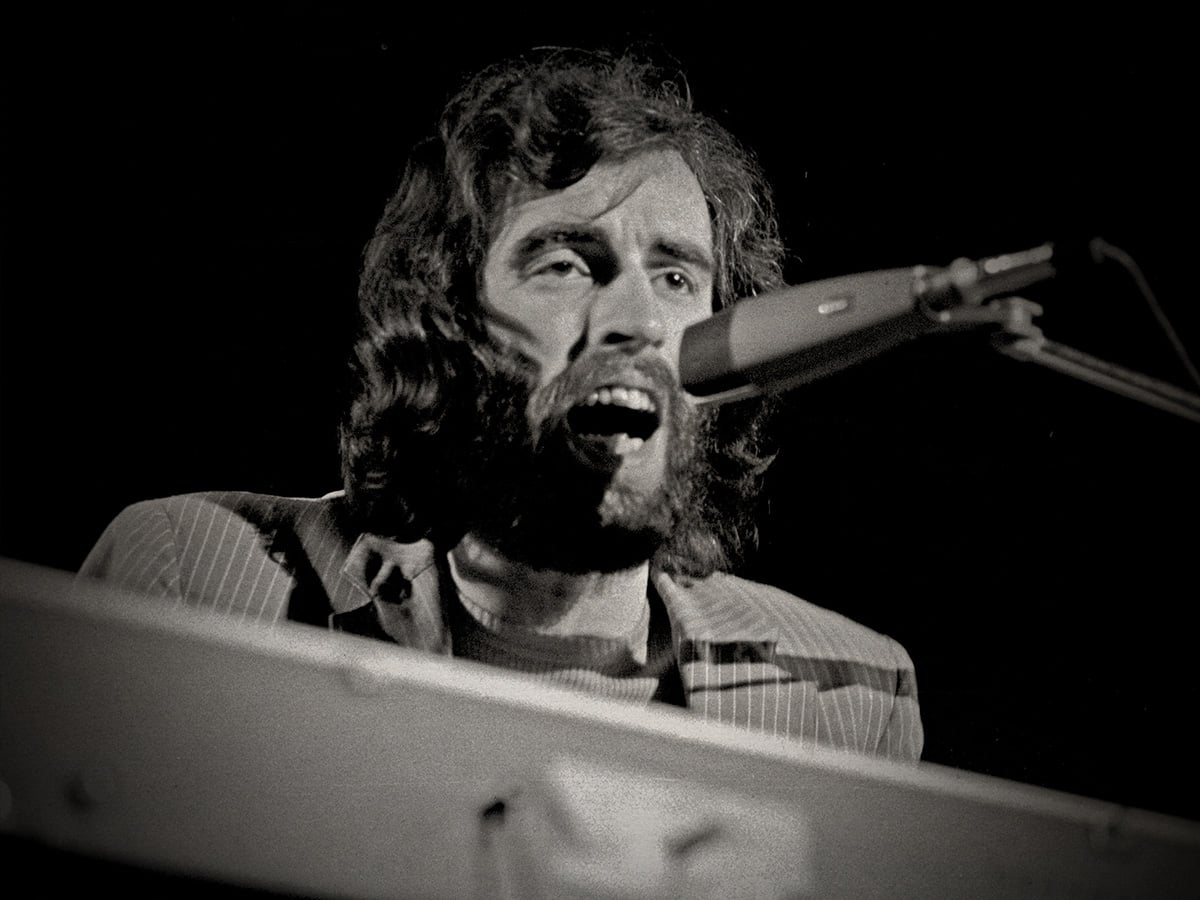
In the summer of 1978, not long after Martin Scorsese’s film was finally released in theatres, Manuel entered a drug rehab program and came out the other side fully sober and re-energised for the first time in many years, further fueling his eagerness to work with his old friends again.
Manuel knew that his drug problems and unreliability had been a contributing factor to the demise of the group, but he also knew that his bandmates saw him as family, dating back to their earliest days playing music together as teenagers in Ronnie Hawkins’ hard-charging Toronto rock band. Back then, drummer Levon Helm, the elder statesman of the band, came to appreciate Manuel not just as an affable kid and sensitive soul, but as an absolute killer on stage.
“Richard Manuel was a whole show unto himself,” Helm wrote in his 1993 memoir This Wheel’s On Fire. “He was hot. He was about the best singer I’d ever heard; most people said he reminded them of Ray Charles. He’d do those ballads, and the ladies would swoon. To me, that became the highlight of our show.”
Manuel was often described as having an “innocent” way about him, sometimes credited to his small-town upbringing in Stratford, Ontario.
“When he was still quite young, I had him taking piano lessons,” Manuel’s mother told a local newspaper, the Waterloo Region Record, after Manuel and his bandmates wound up on the cover of Time magazine in 1970. The paper surmised that Richard was likely the first person from Stratford to ever achieve such an honour. “He would pick up a tune by ear, not through reading the notes at all. He’d play just about any time that he had a spare moment.”
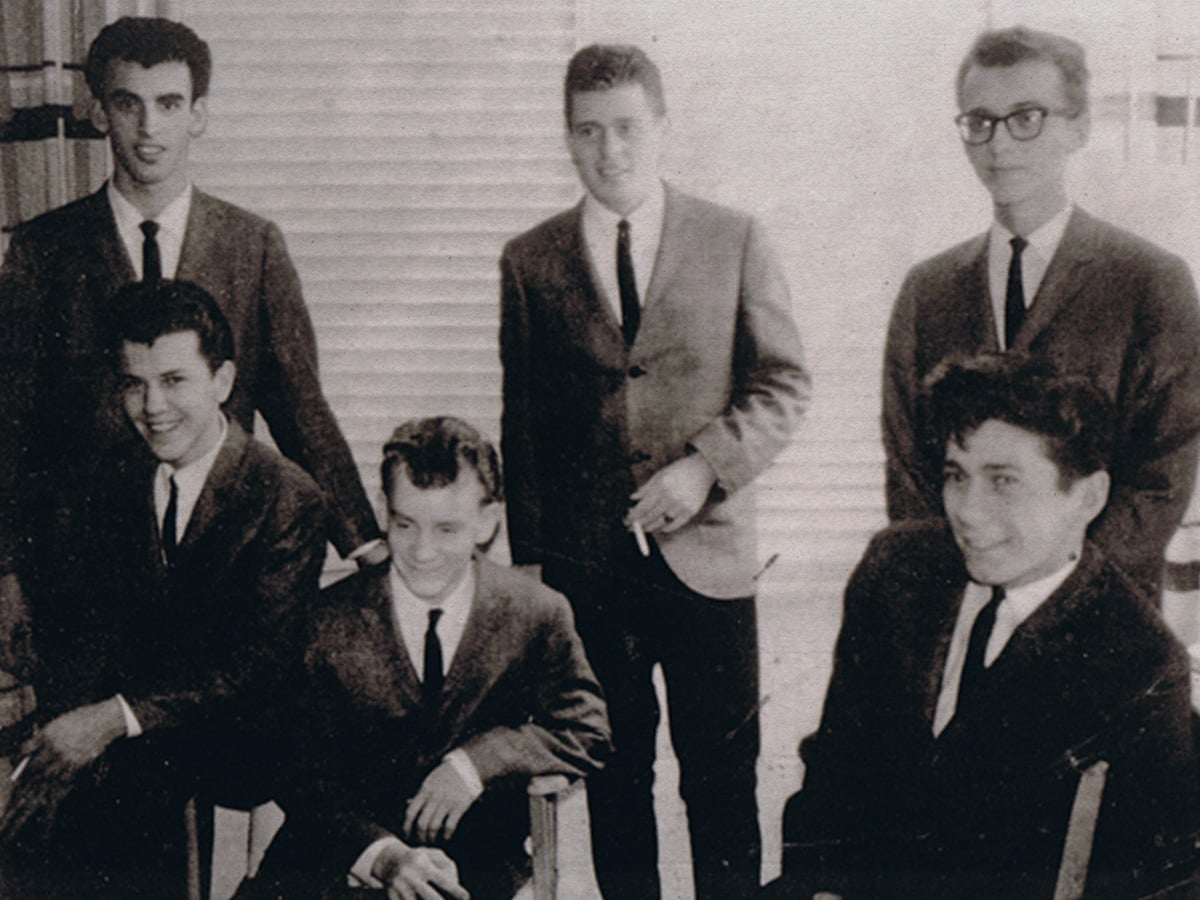
Before getting recruited by Hawkins to join his band in 1958, Manuel briefly led a band of his own, known as the Revols, heavily inspired by his obsession with African-American blues and rock ‘n’ roll. “They practised at our house,” his mother recalled. “It was too much at times, but I didn’t mind. If it got too loud, we would get into the car and go for a drive. When we got back, the practice would be over.”
As the son of a schoolteacher and a car mechanic, Manuel didn’t grow up with highfalutin ideas about art and music, and down the road, this sometimes left him at a bit of a disadvantage trying to compete as a songwriter alongside Robbie Robertson.
Though Manuel had been a major contributor on The Band’s debut 1968 album Music From Big Pink, writing or co-writing four of the 11 tracks, including the classics ‘Tears of Rage’, ‘In a Station’, and ‘We Can Talk’, his role as a songwriter diminished afterwards.
“He just sorta clammed up,” said producer John Simon, who worked on The Band’s first two records. “Robbie certainly didn’t consciously intimidate him, but when you met Robbie, he was so smooth and urbane and witty, whereas Richard was such a gee-golly-gosh kind of guy.”
Manuel’s creative engine was also short-circuited, fairly early on, by the usual pitfalls of rock ‘n’ roll success and excess. He was “the kind of person who was sad enough to be susceptible to the influence of external substances,” Simon told author Barney Hoskyns in the 1993 book Across the Great Divide: The Band and America.
In that same book, Robbie Robertson discussed his own frustrations and concerns over Manuel in the early 1970s, as the latter’s struggles with substance abuse became a constant obstacle in the group’s ability to record and tour. “He scared us to death,” Robertson said. “We didn’t know what the next day might bring, what would come out of this monster that had seeped out of the woodwork.”
Jane Manuel, Richard’s first wife, felt that her husband, like many alcoholics, had deep personal insecurities that led to his dependence on the drink and other drugs. Whether real or imagined, Manuel also supposedly felt, on occasion, like an outsider within his own band, as well as the larger music community of which he was part in Woodstock, New York. “I remember a lot of anger and frustration from him,” Jane said, “A lot of times he felt he wasn’t taken seriously by the others. … Richard didn’t have the coping skills to survive. People thought it was amusing to watch this guy drowning.”
Jane had already been left behind by the time Manuel got clean in 1978. At that point, he married his second wife, a 25-year-old named Arlie Litvak, and set his sights on making music again. Though he kept a relatively low profile during the next few years, Manuel worked on a number of projects, including soundtracks with Robertson, a Garth Hudson solo record, and guest appearances on Willie Nelson and Bonnie Raitt albums. Finally, in 1983, after playing some gigs as a duo with former Band-mate Rick Danko, Manuel tried to get The Band officially back together again, and managed to round up everyone except Robertson for a set of tour dates.
“We were waiting for the right time, and we think this is it,” Manuel told Star Ledger of Newark, New Jersey, during The Band’s 1984 tour. “Personally, I need it, and I think the music needs it too… I don’t have to worry about retirement anymore. I’ve had mine. Actually, I love my work a lot more now than I did before.”
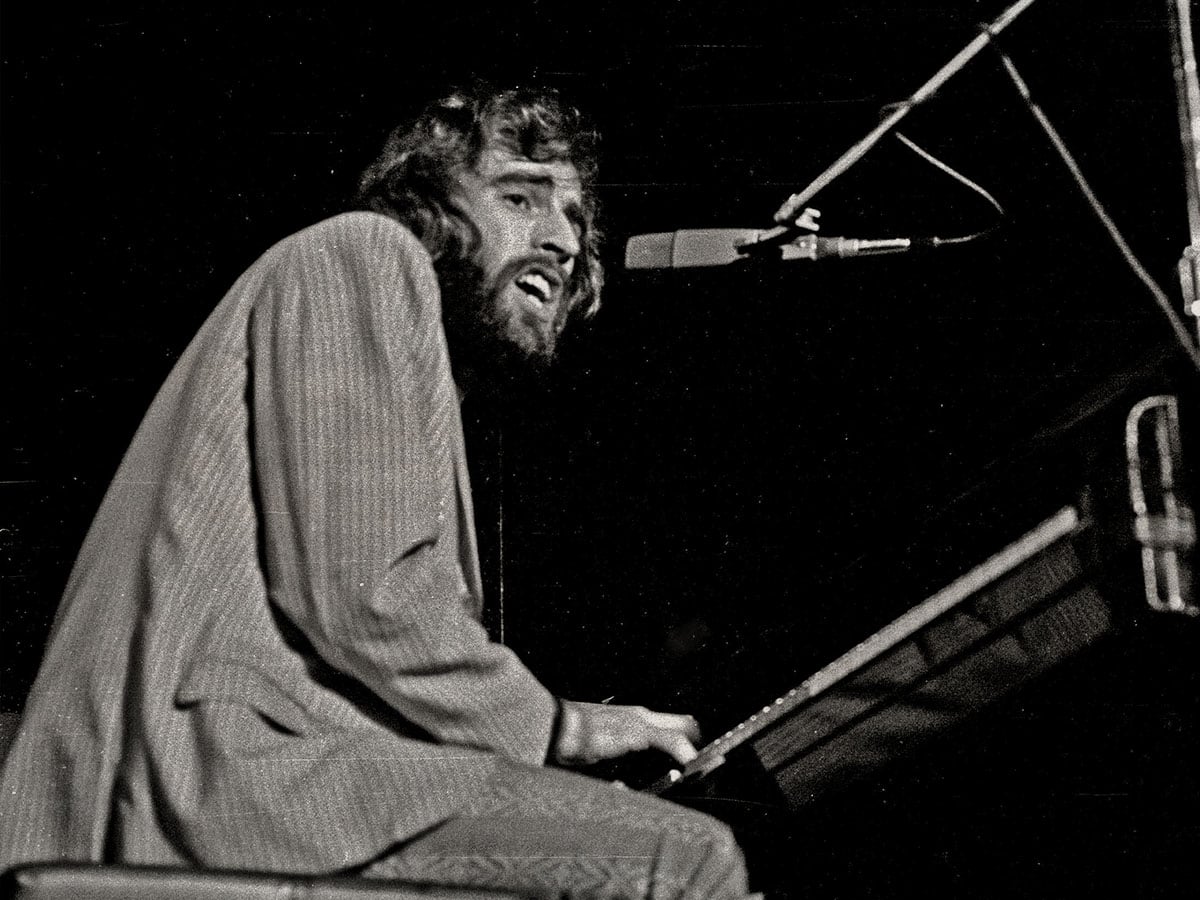
Unfortunately, Manuel’s dream of a sober tour with The Band, greeted by throngs of fans as returning heroes, didn’t play out the way he’d hoped. The crowds and venues were smaller than anticipated without Robertson in the fold, and during the spring of 1985, Manuel fell off the wagon and got hooked on both heroin and alcohol once again.
“Richard Manuel and I had been laughing for years at stuff that wasn’t even funny anymore,” Levon Helm wrote in his memoir, recalling The Band’s string of shows in the early months of 1986.
“We were on what had been jokingly called the ‘Death Tour’ because the gigs were in small places hundreds of miles apart,” Helm recalled. “We tried to approach it with good humour, but I know Richard felt we weren’t getting the kind of respect we were used to. This was ten years after The Last Waltz, 15 years after we were playing the biggest shows in American history, 20 years after Bob Dylan had ‘discovered’ us, and 25 years after Ronnie Hawkins had moulded us into the wildest, fiercest, speed-driven bar band in America.”
On March 4th, 1986, despite appearing to be in relatively good spirits during The Band’s gig in Winter Park, Florida, Manuel returned to his wife in their hotel room that night and hanged himself in the bathroom while she slept. He was only 42.
In the morning, Levon Helm was awakened by the screaming of Manuel’s wife. He came to Manuel’s room and saw that “the light was on in the bathroom. Suddenly, I got a terrible sense of pure dread and felt surrounded by the chill of death. I wanted to run the other way as fast as I could, but instead I walked to the bathroom door and looked in. What I saw just broke my heart. That’s for damn sure. It would’ve broken yours too.”
Seven years later, Manuel’s dream of a new Band album finally came true, as 1993’s Jericho was released, with one of Manuel’s keyboard parts preserved and included for the occasion. While Robertson wasn’t involved in that record, he recorded his own tribute to Manuel on his 1987 solo album, a song called ‘Fallen Angel’, which he described as “a love letter to a dear buddy of mine who passed away”.
