


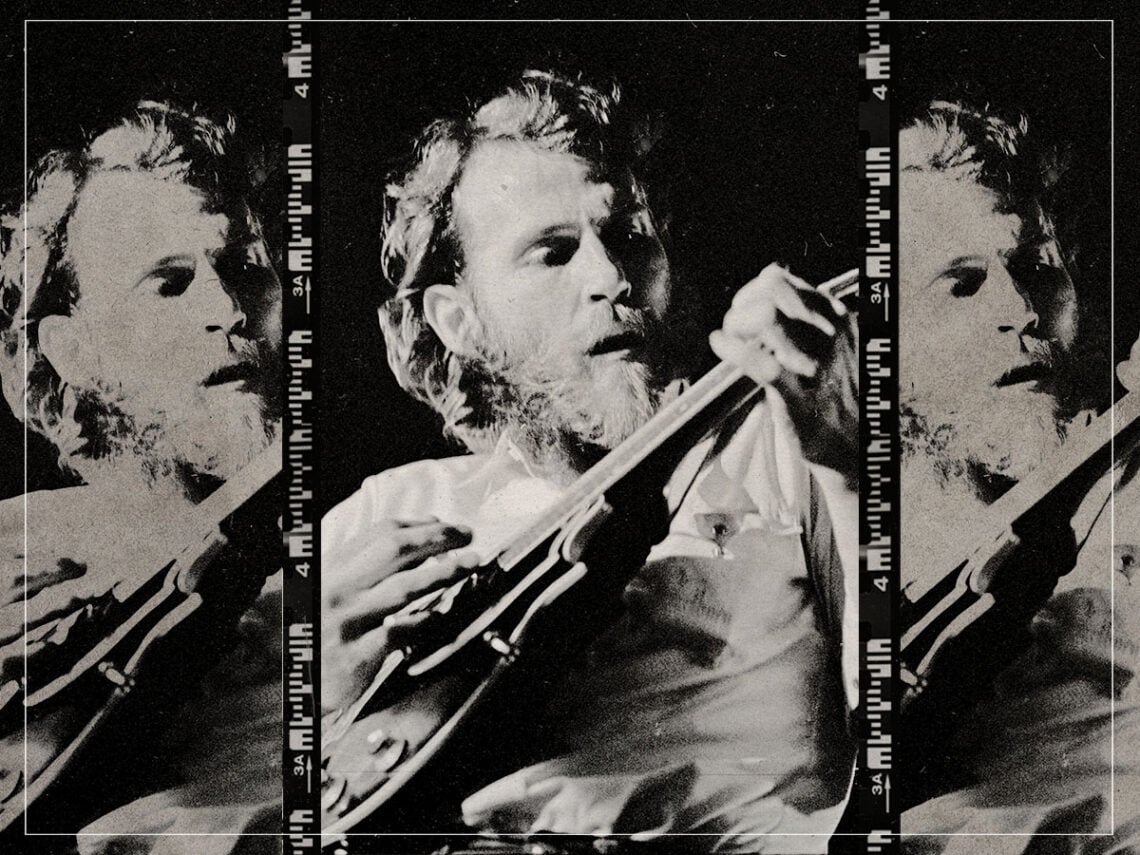
The three drummers who inspired Levon Helm the most: “What rhythm could really do”

He may not tower among the titanic presence of your Keith Moons and John Bonhams, but many a drummer has looked to Levon Helm for just as essential a guidance as how to lay down the perfect beat.
A key component of The Band’s earthy alchemy, as well as one of the three lead vocalists, Helm symbolised everything about the Ontario roots rock outfit’s homespun character. Eschewing solo showboating for space to allow his syncopated grooves to breathe, a fluid playing style grounded by impeccable timing, and juggling his rhythmic drum parts with his soulful croon, Helm harnessed The Band’s beating heart right up until their first hiatus with The Last Waltz’s farewell show.
A Turkey Scratch boy growing up in 1940s Arkansas, Helm soaked up the South’s rich brew of Americana sounds across electric blues, country, and the emerging R&B pumped out of the day’s wireless as well as the remnants of the old travelling minstrel shows. Regularly tuning into KFF’s King Biscuit Time radio show, the young Helm would be hooked by Sonny Boy Williamson II’s bluesy stomp, but soon enough, he was paying close attention to who was sitting on the drum stool.
“That’s where I learned what rhythm could really do,” Helm once remarked on James ‘Peck’ Curtis’ R&B chops, going to see him live in the early 1950s and soaking up all the energy of his creative beat, taking figurative notes to hone his school band The Jungle Bush Beaters at the time.
Then came his generation’s plugged-in flashbang. Landing on the day’s charts like a whirlwind, the rock and roll revolution swept up Helm just like every other teenager to Elvis Presley’s magnetic pull. He caught him live at a 1954 show in Helena, but it was the second gig at the city’s Catholic Club which truly cast its spell with ‘The King’ backed by his classic drummer, DJ Fontana, going on to play on the bulk of his RCA records and lend his sticks to Presley’s live shows right through to his famed 1968 Elvis’ Comeback Special.
It was watching Fontana at work back in 1955 that definitely assured Helm’s desire to pursue the drums with unwavering ambition, as well as lay down important pointers for how he’d approach The Band’s distinctly unfussy percussive flair. “He had the beat, but he wasn’t showy about it,” Helm recalled.
“He was just in it,” later adding, “It wasn’t about showing off. It was about making the thing swing, making people move.”

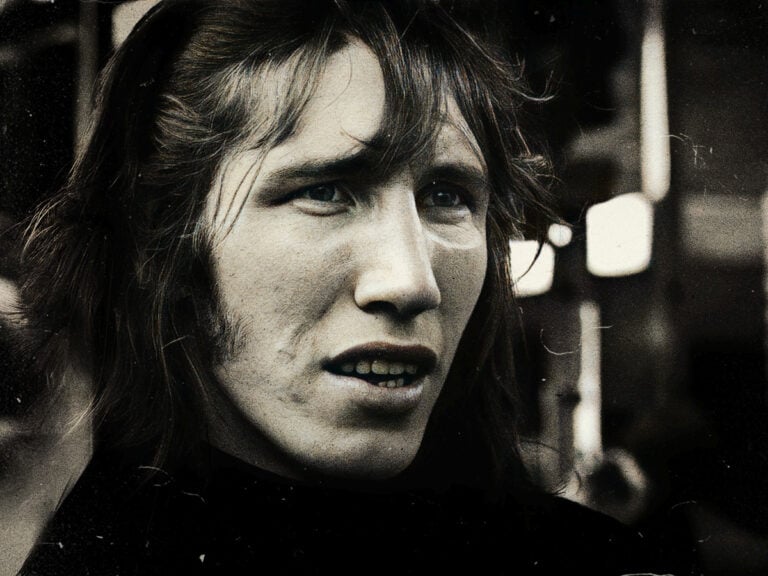
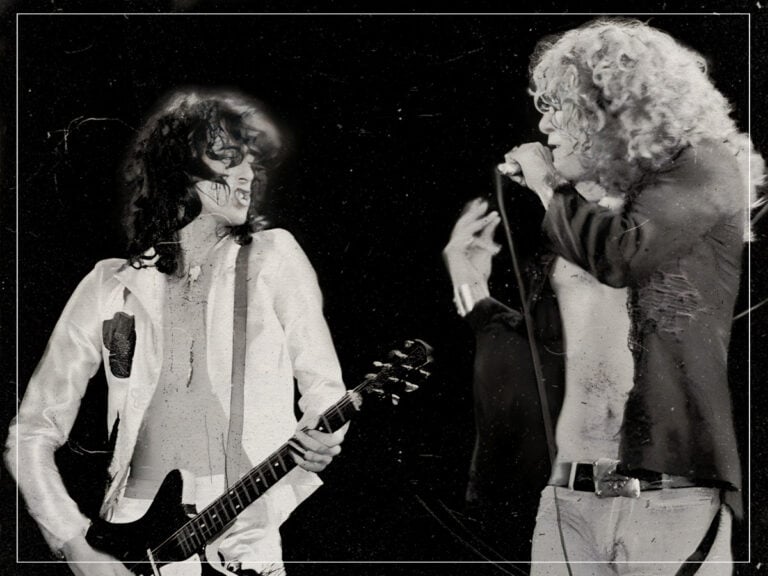
He’d now save up in earnest to buy his first drum kit to call his own, joining Ronnie Hawkins’ Hawks band and making the big move to Toronto once graduating high school in 1958. Soon enough, rock and roll’s embers burnt out, and the charts were bulldozed by the British invasion, ushered in by The Beatles the moment they made their US TV debut in 1964 on The Ed Sullivan Show.
Flashed with another example of serving the song and not your ego, Ringo Starr’s unassuming but hugely creative backing beat and intelligent fills, as well as his occasional lead vocals from behind the kit, proved another foundational influence for the young Helm on the cusp of rock fame. “I loved Ringo,” Helm once revealed. “He knew how to make the band sound good. That’s what a drummer’s supposed to do.”
It was the final push Helm needed to cement his drumming legend, backing Bob Dylan’s electric tour with the Hawks before a brief spell away, followed by his return with the renamed The Band, unleashing Music from Big Pink and their lauded Woodstock set. Helm would enter the drumming canon with the same stature as his formative heroes, Ringo, labelling the old Band drummer’s work as “the heartbeat of American music”.
