


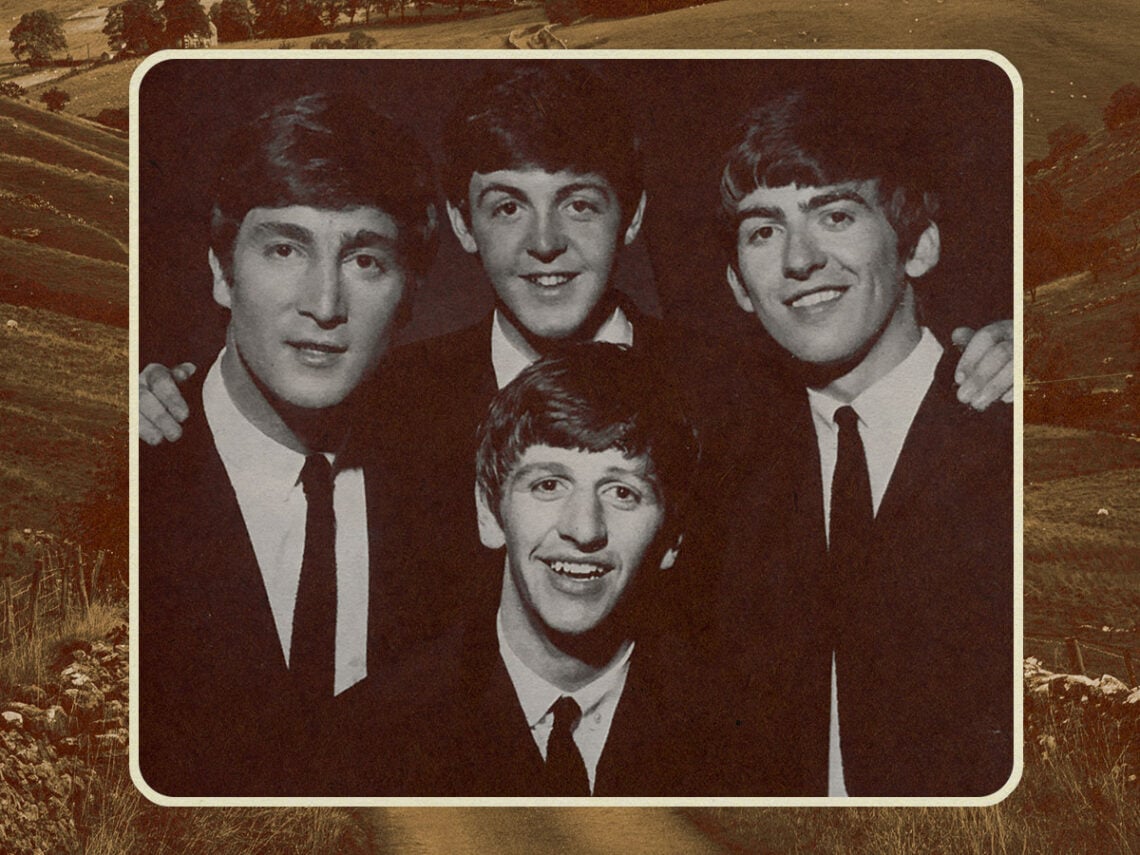
“That’s going to live forever”: The Beatles song Robbie Robertson thought could stop a war

What’s the use of culture right now? How glib is a headline like the one above when atrocities abound on the very next page? Where do The Beatles fit in when senior military officials are issuing warnings that the world is in a “similar situation” to the moments that preceded World War II?
Well, according to Robbie Robertson, the late leader of The Band, it is all too easy to dismiss culture in times of cataclysm. In his view, to call art’s potential to make a meaningful impact ‘glib’ amid a crisis, belies the fact that not long back, music played a pivotal role in curtailing the Vietnam War and ensuring tensions between the Soviets and the US remained merely Cold and gradually thawing.
This was a view that Robberton, who died in 2023, was still clinging to in 2019 when he released the track ‘Let Love Reign’. Speaking to Nick Hasted, he said that the song was “inspired by John Lennon’s call for peace“.
“People say that dream completely died and fell apart inside. But, no, I don’t believe it did,” he said of the lingering defiance of the counterculture movement. “It’s the basis for the best of things. That generation, who came of age during the late ’60s and early ’70s, stood up and helped stop a war. Love won. Peace won. We hope that that will continue.”
It’s hard to believe that it did continue when the world is currently racked by a permacrisis, with 55 to 60 armed conflicts currently unfurling, and 10 to 15 of these classified as full-scale wars. However, the very fact that most of the world firmly objects is proof alone of the reverberating calls for peace that Robertson speaks of.
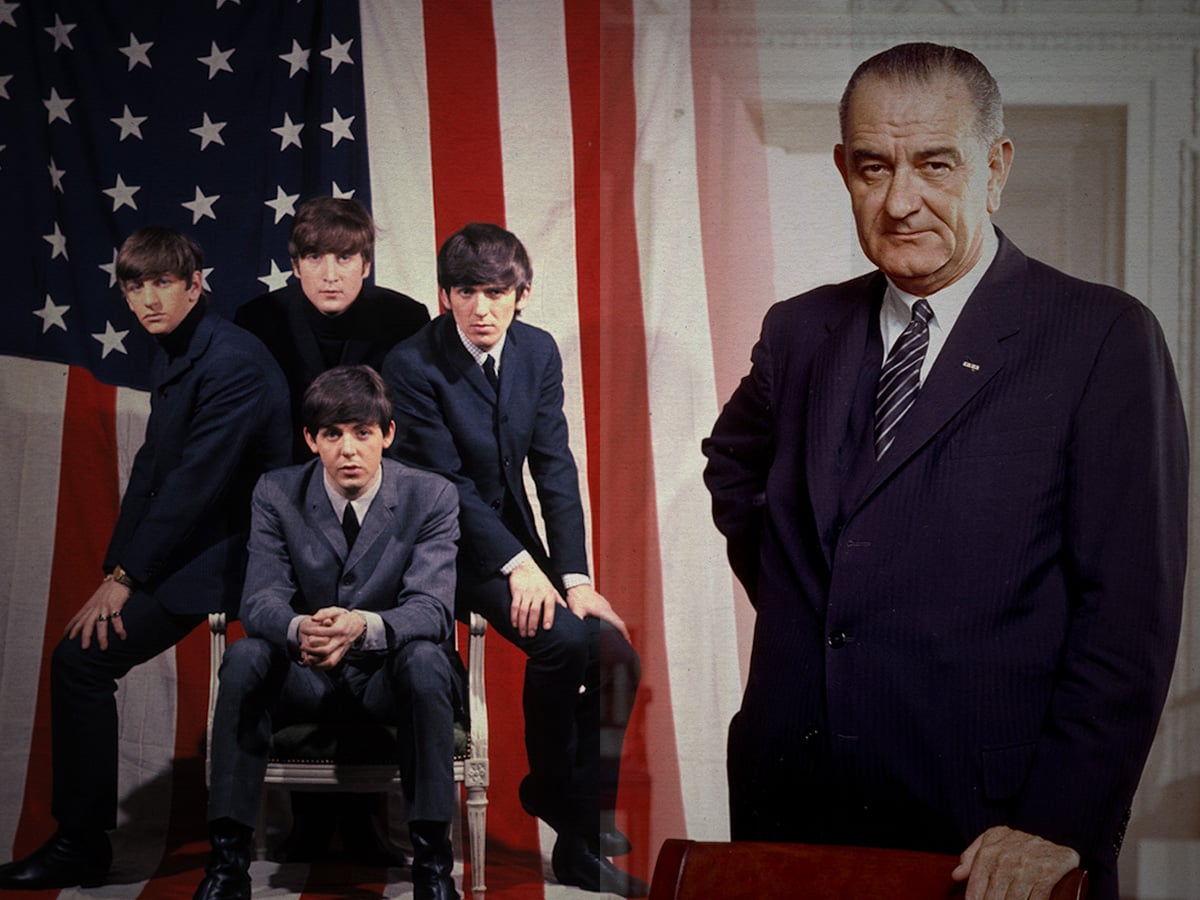
After all, even the former President of the Soviet Union, Mikhail Gorbachev, commented, “More than any ideology, more than any religion, more than Vietnam or any war or nuclear bomb, the single most important reason for the diffusion of the Cold War was … the Beatles.” That’s not nothing.
Neither is Dr Yury Pelyoshonok, one of the world’s leading Soviet Studies professors, proclaiming, “The Beatles had this tremendous impact on Soviet kids. The Soviet authorities thought of The Beatles as a secret Cold War weapon. The kids lost their interest in all Soviet unshakeable dogmas and ideals, and stopped thinking of an English-speaking person as an enemy. That’s when the Communists lost two generations of young people. That was an incredible impact.”
With these quotes in focus, the impact that art can have is suddenly galvanised. Even Robbertson might have been swayed into forgetting its potential to enlist positive change and propagate pushback, but one day he “was driving in LA” and ‘All You Need Is Love’ came “on the radio”. It is a song often scoffed at for its oversimplification. Terrible comedy sets by recently cynicalised 19-year-olds have been written in a bid to deride the classic track.
But Robertson was struck by the simplicity of the message as he trundled along a sunny highway half a century on from its momentous release. “I know it’s a naïve thing, but I thought, ‘You know what? That’s going to live forever.’ This other shit is going to be here and gone,” he told Hasted.
It proves even less naive and more meaningful when you consider the history of the song. In June 1967, via a groundbreaking satellite link-up, 400 million people are said to have tuned in to watch The Beatles perform the track, at the time an unreleased new single. It was the keynote event of the world’s first live international multi-satellite television broadcast.
When you have a mind-boggling 12% of the entire world’s attention, during a time of war and unrest, the Fab Four’s message was suitably punchy and easy to understand. If anything, the song, more so than any other in their back catalogue, showcases the pertinent magic that made the band so special to so many people – and, in support of Robertson’s assertion, continues to do so.
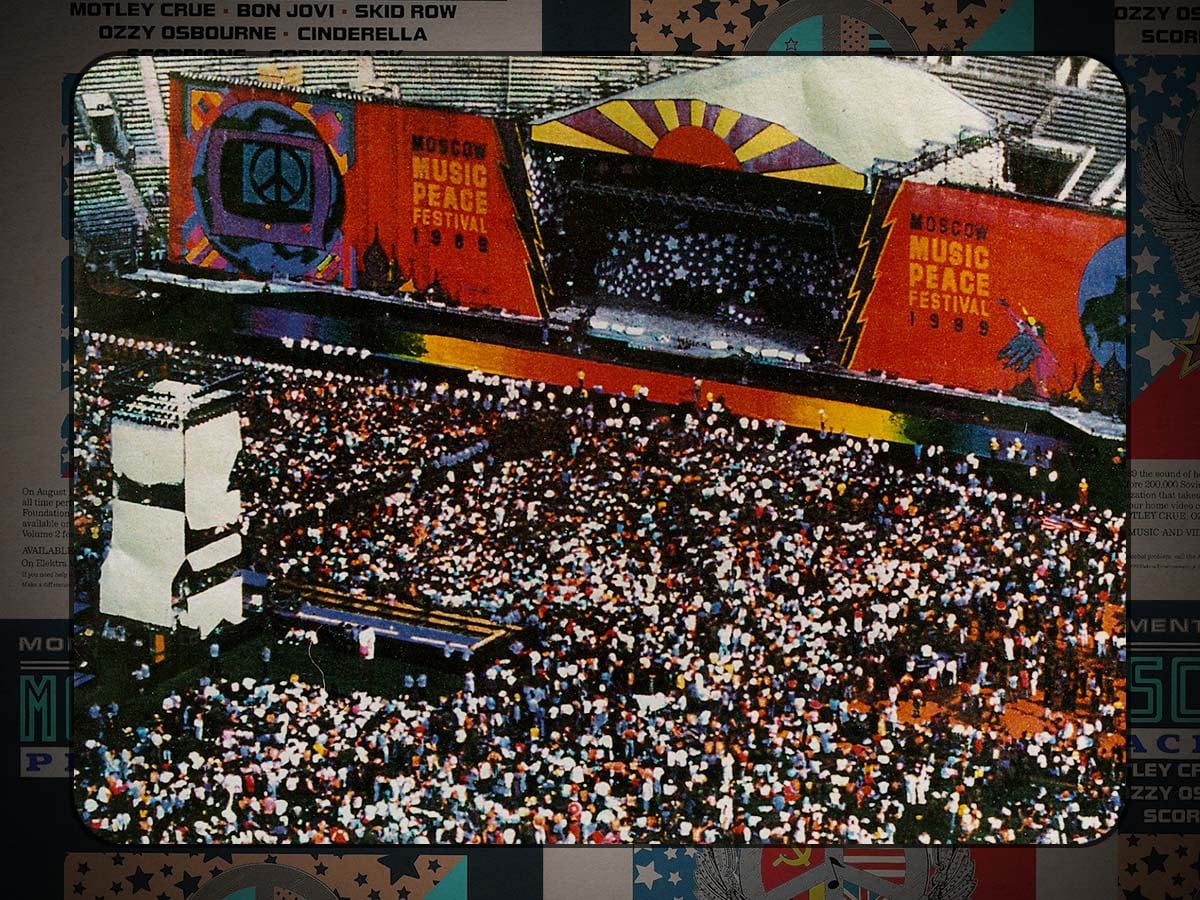
Its simplicity was something that everyone could happily unite behind. That unity was astonishingly implied by the unfathomable masses who cared to witness their performance. And the groundbreaking technology that made such a frankly weird feat possible only amplified the abounding hope of their message in a time that could’ve otherwise been despairingly comparable to the present.
When viewed in this light, the impact, of course, far outstrips the simple chords and even simpler lyrics of the song. It lies in the fact that four young lads from Liverpool were winning public favour away from the powers that be, who had their own wicked agendas. Even the presently warmongering Vladimir Putin said The Beatles brought a “taste of freedom” to the world.
That taste of freedom is what stops wars. Wars, after all, always require soldiers and at least some form of public support. Russia knows this all too well. Their previous campaigns in the Afghan and Chechen Wars were effectively brought to a close by the Committee of Soldiers’ Mothers of Russia.
In short, too many sons were coming home dead, and this bred something called ‘the body bag effect’. Citizens who had either previously been politically disengaged or reluctant to protest were moved to further scrutinise the conflict, and mothers all over Russia withdrew their support. The pipeline of fighters signing up for the frontlines halted, and swiftly peace was restored.
Just yesterday, I spoke with a Russian mother, who performs under the moniker n0trixx, who used her art to protest the current war against Ukraine when she was in Moscow. She was forced to flee the country in fear of persecution. But she asserted that there are many Russians in quiet disagreement with Putin’s narrative.
When art connects in the right way with the masses, that ‘quiet’ disagreement goes up a few decibels. That’s why Gorbachev said The Beatles were the most effective weapon in diffusing the Cold War, and that’s why Robertson thinks their oft-dismissed classic has the potential to “live forever”.
Can songs compete with bombs? No chance. Can songs influence people? Absolutely. And at a certain point, those two questions and their conflicting answers rise to sit on balancing scales.

Never Miss A Beat
The Far Out Beatles Newsletter
All the latest stories about The Beatles from the independent voice of culture.
Straight to your inbox.