


The five worst moments of animal cruelty in cinema

There’s a reason why films are slapped with the “no animals were harmed” tag.
It’s largely down to the work of the American Humane Society. Ever since 1939’s Jesse James Western decided to shove a horse off a cliff edge and break its spine, the AHA ensured its presence was felt across Hollywood, making sure the animal kingdom never fell victim to the whims of an auteur’s clamour for realism. Yet, ever since 1972’s The Doberman Gang first flashed that all-important disclaimer, animals have found themselves mistreated across the spectrum of film, be it the mondo underground to the mainstream A-picture.
When viewing Apocalypse Now’s caribou slay, or Oldboy’s devouring of a live octopus, a visceral shock is felt more sharply now than likely there ever was when first shown in theatres. There’s just no excuse now, with CGI and sophisticated effects able to realise any sadism inflicted on a creature without harm to our furry and feathered friends, such as the duckling’s foot plyered off in Lars Von Trier’s icy The House That Jack Built, a digital moment that still sent audiences into distress.
Quite rightly, anyone squeamish about animal death on screen will be pointed to the abysmal meat industry’s treatment of animals as they’re tucking into a hamburger, as well as the cruel treatment of sentient beings as they’re off to provide the next lot of leather, fur, wool, and down for the fashion industry. Still, there’s something about an animal’s life and dignity rendered expendable in the name of art, no matter how low-brow, that taints a feature’s integrity irreparably.
Amid Hollywood and wider cinema’s murky treatment of critters, wildlife and fauna, we take a look at the five most egregious examples of animals losing life and/or limb in the name of cinema.
The five worst moments of animal cruelty in cinema:
Wake in Fright (Ted Kotcheff, 1971)
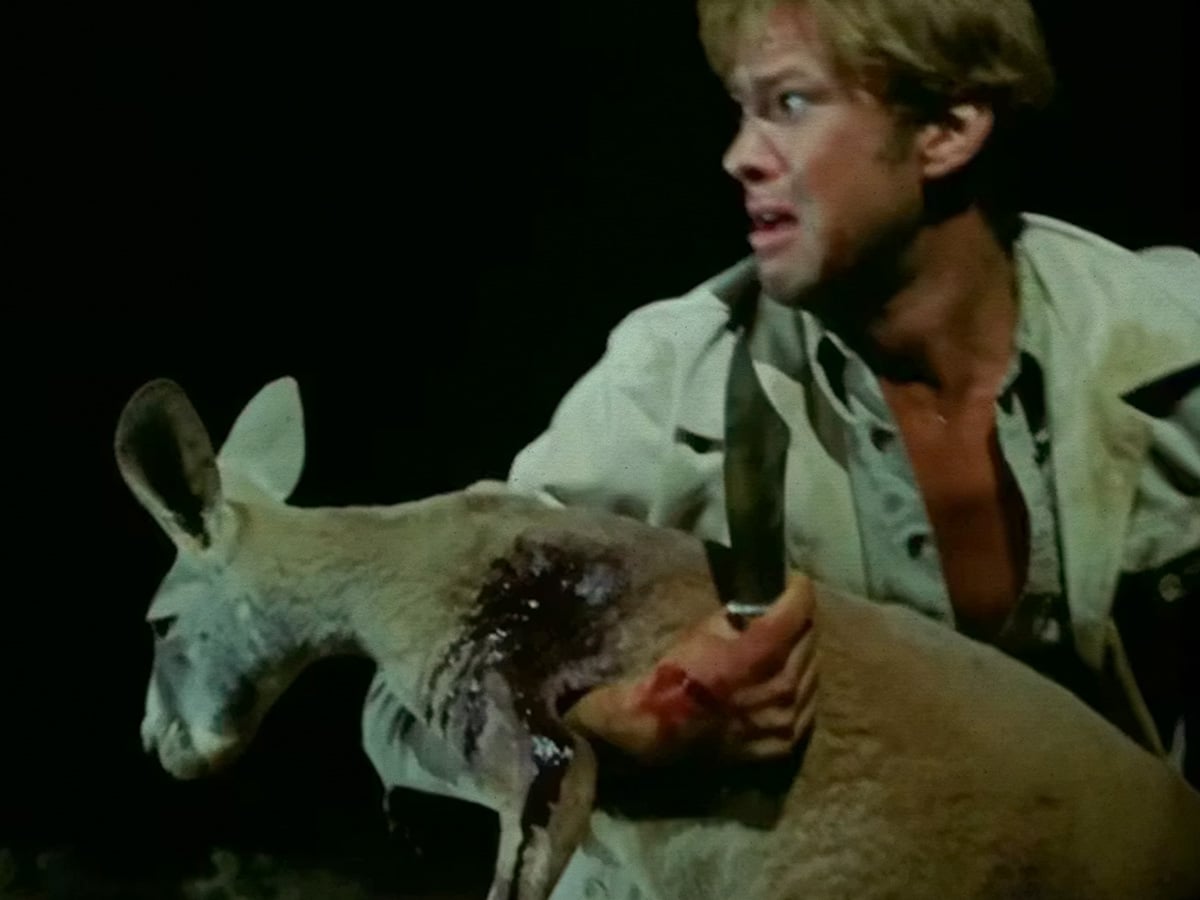
There’s no movie that captures Down Under’s manic spirit quite like Wake in Fright. An outback thriller come dark comedy of an English Pomme teacher’s survival in the hardened town of Bundanyabba, Ted Kotcheff’s intense ‘Ozploitation’ drama bottles all of the sun-bleached madness of a townsfolk who’ve been in the heat and severed from mainstream society for far too long.
Despite the director’s disclaimer at the end that “The hunting scenes depicted in this film were taken during an actual kangaroo hunt by professional licensed hunters,” the shooting frenzy that occurs partway is shocking in its savagery, as the mob of kangaroos were fired at by gunmen growing increasingly more drunk as the shoot went on. So demoralising, the crew allegedly created a power failure to end the hunt.
Ben-Hur: A Tale of the Christ (Fred Niblo and Charles Brabin, 1925)
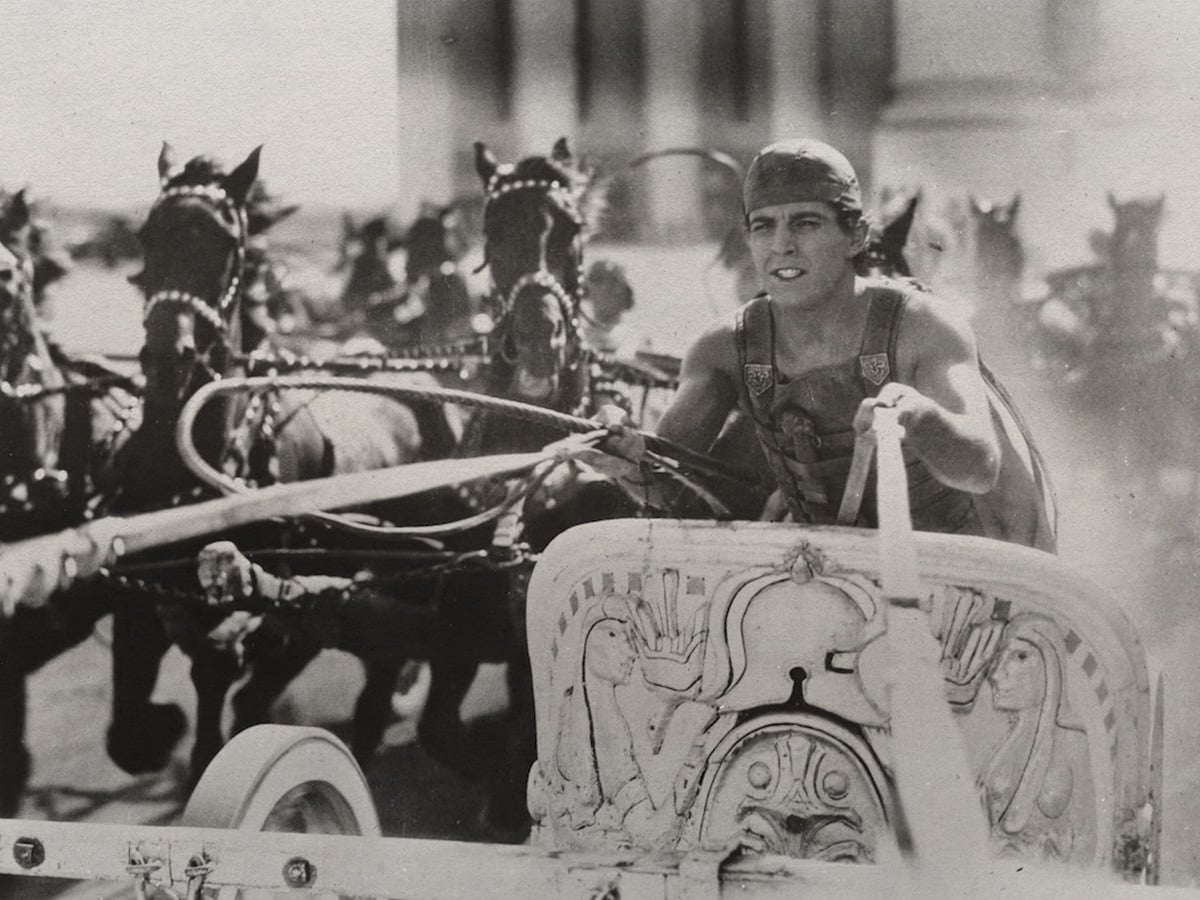
Years before Charlton Heston’s defining turn as the Jewish chariot racer, the religious epic had already enjoyed a lavish and gargantuan budgeted take on the 1880 novel back in the silent era with Ben-Hur: A Tale of the Christ. Shot on multiple locations and deploying the novel two-tone Technicolour film processing, the silent Ben-Hur was the most expensive production of Hollywood’s pre-talkie era.
The chariot sequences, however, are said to have claimed the lives of up to 100 horses. Using the ‘running W’ device, a wire that trips a galloping horse, the chariot crashes, and the injuries captured on screen were thrilling for the screen but brutal to the animals killed in the process. The ‘running W’ would persist in the industry for another ten years before finally being phased out.
Heaven’s Gate (Michael Cimino, 1980)
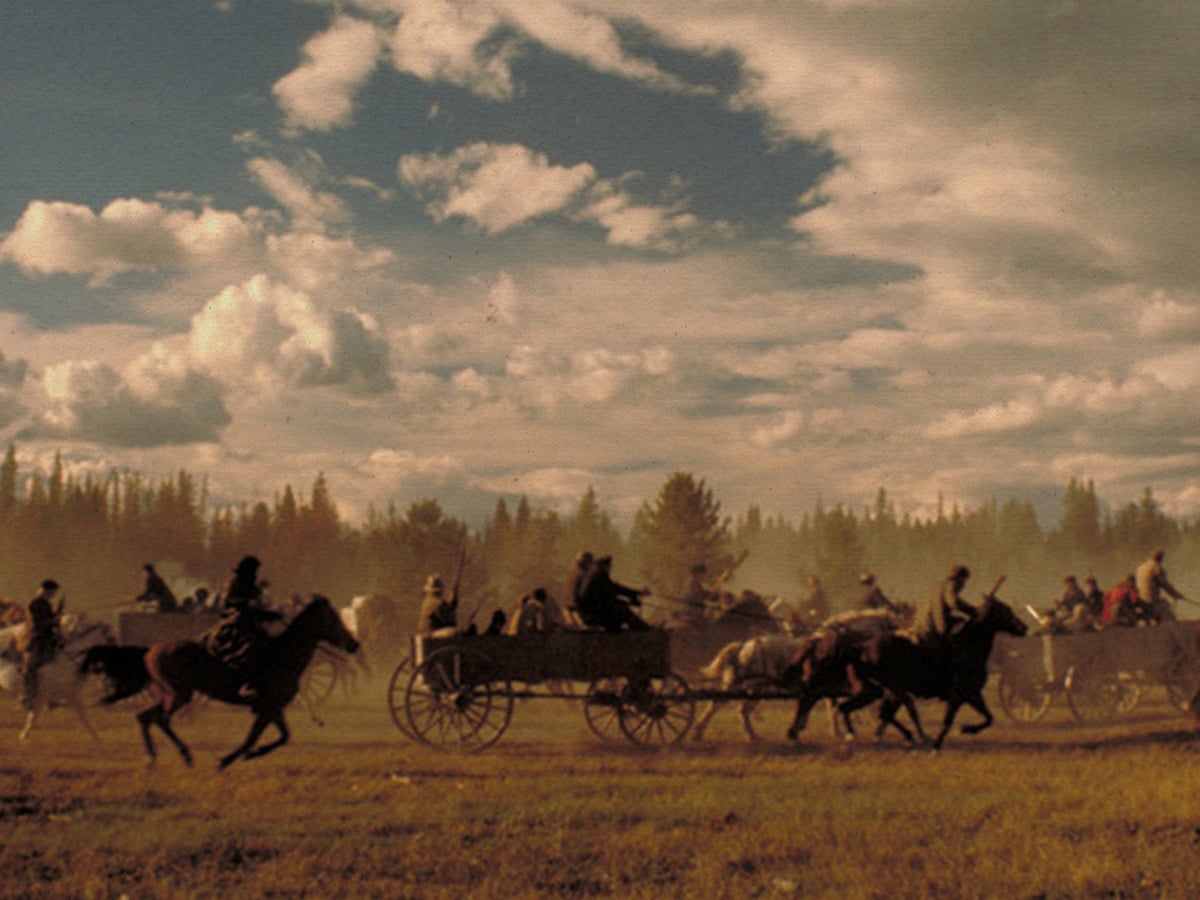
It was to be Michael Cimino’s magnum opus. Riding high from The Deer Hunter, the acclaimed auteur corralled a glittering cast for his epic western, boasting Christopher Walken, Kris Kristofferson, and John Hurt in the tale of warring immigrants and land barons across 1890s Wyoming. However, Cimino’s perfectionism, exhausting takes, and spiralling budget shrouded Heaven’s Gate before its release, for years, lumbered with the turkey tag before its reappraisal shortly before the director’s death.
Controversies surrounding the treatment didn’t help Heaven’s Gate’s critical fortunes. According to the AHA, four horses were killed during battle sequences, including one even blown up by dynamite, as well as real cockfighting chickens and a herd of cows killed for their intestines to serve as wounds for the dead extras. To this day, the UK Blu-ray release cuts such sequences in recent releases of Cimino’s historic blunder.
Pink Flamingos (John Waters, 1972)
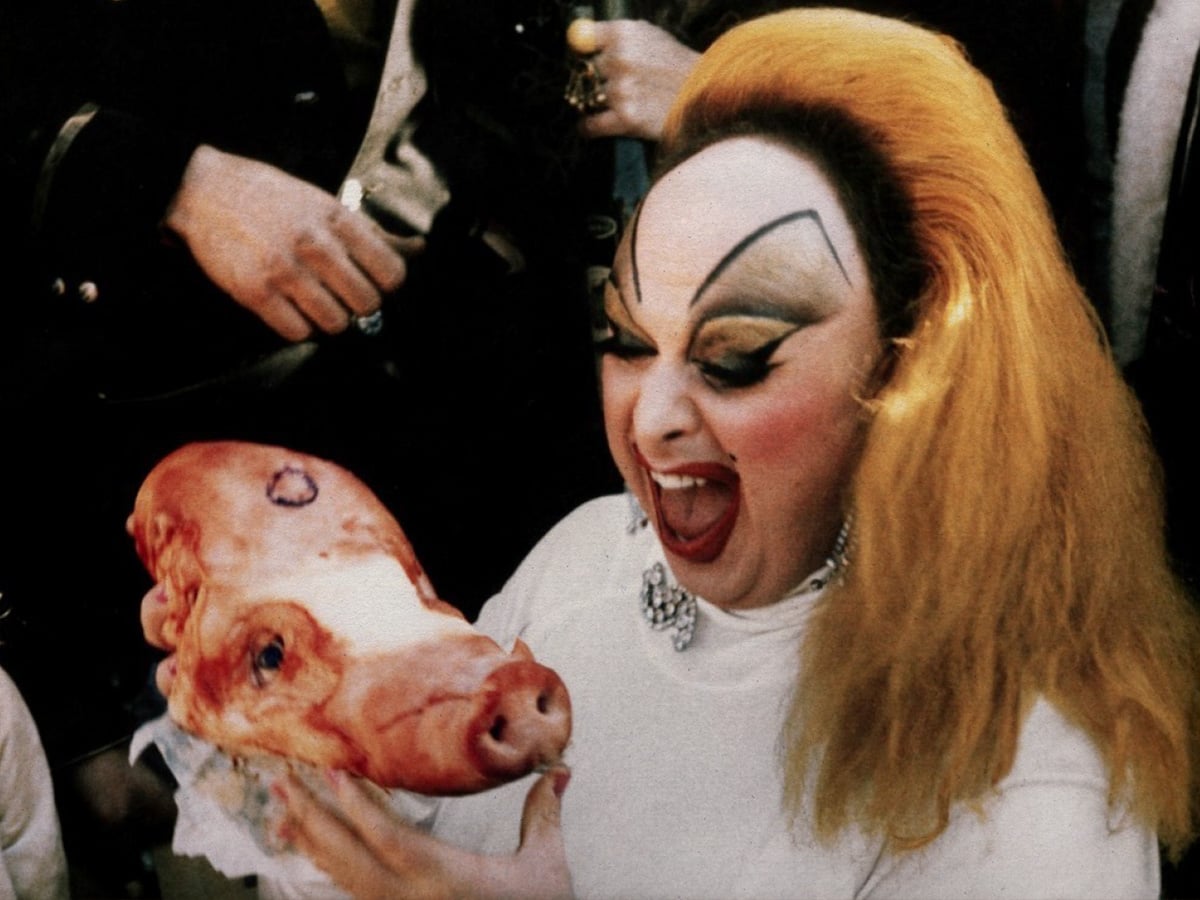
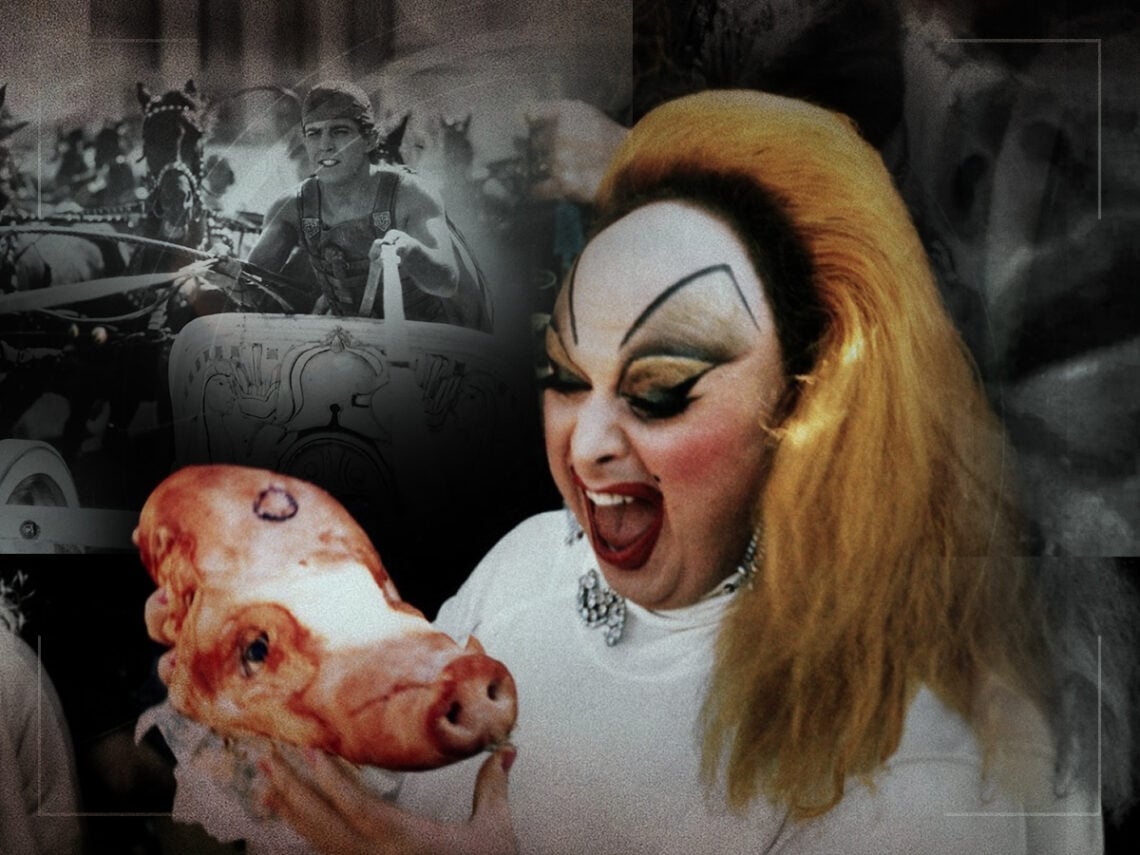
For a feature that earnestly chased bad taste as a goal in itself, John Waters’ midnight movie breakthrough still shocks over half a century later. Immersing itself in everything from rape, cannibalism, incest, unsimulated fellatio, a prolapsed anus miming to ‘Surfin’ Bird’, and a very real act of dog faeces consumption in its dizzyingly wretched finale, Pink Flamingos would endure as the stuff of legend in the film underground, and push its “filthiest woman alive” star Divine as an unlikely star of the 1980s.
Waters’ kitsch suburban set-dressing would inspire the likes of Devo and The B-52s, and the cohort of queer misfits that make its outsider cast cherished among the LGBTQ+ community to this day. Yet, above even the canine coprophagia, Pink Flamingos’ most ghastly scene is the chicken crushed between a naked sexual assault between Cookie and Crackers, the chicken dying in the middle with a flash of blood on screen.
It’s grim and casts the only questionable light on the film, seeing that every other taboo is consensual. Waters never cared. Years later, for the 25th anniversary DVD release, the director quipped wryly, “I think we made the chicken’s life better. Got to be in a movie, got fucked, and then right after filming the next take, the cast ate the chicken”.
Cannibal Holocaust (Ruggero Deodato, 1980)
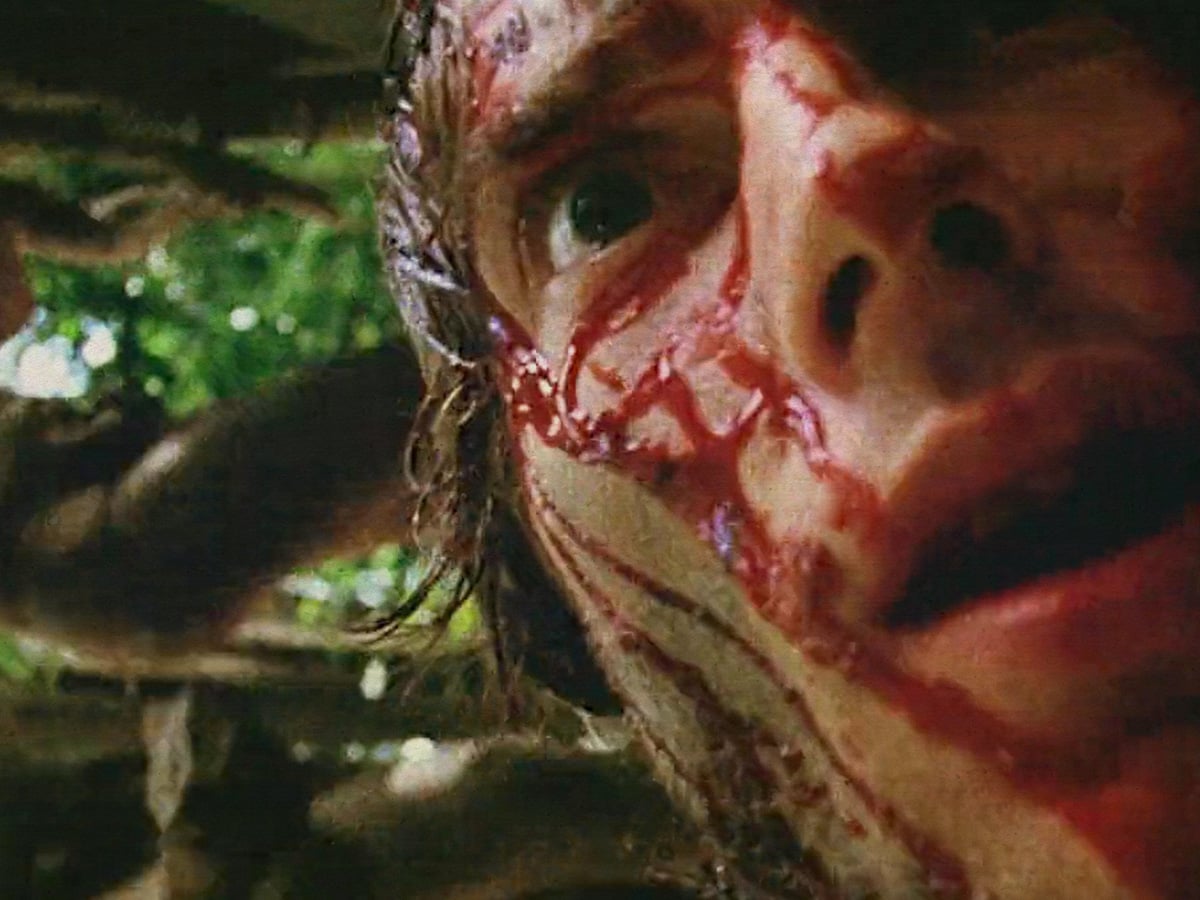
Of all the video nasties, Ruggero Deodato’s Cannibal Holocaust schlocker reigns supreme in notoriety. Revelling in the racist Amazonian bloodthirsty primitives offshoot popular at the time, Deodato’s jungle horror depicts the violent journey through the rainforest to retrieve a documentary crew’s camera, only to reveal the team’s callous indulgence of cruelty, all captured on film before their ultimate murder by the indigenous tribespeople.
With a pretentious ‘what is civilisation?’ musing shoehorned amid the titillating portrayals of sexual violence and the use of real stock footage of political executions in the director’s cut, Cannibal Holocaust’s sordid legacy certainly provided succour to the Mary Whitehouses of the world who moved heaven and earth to expunge such squalid home video releases from household film collections.
To top it off, much of South America’s animal kingdom found themselves fair game in Cannibal Holocaust’s gruesome spectacle. A pig’s shot at point-blank range, a squirrel monkey loses its head to a machete, various coatis, snakes, and tarantulas are killed, and in one particularly nasty scene, an Arrau turtle is decapitated, with its shell pulled off to reveal its innards. It’s an indefensible level of cruelty that prompted regret in the director years later: “I was stupid to introduce animals.”
