


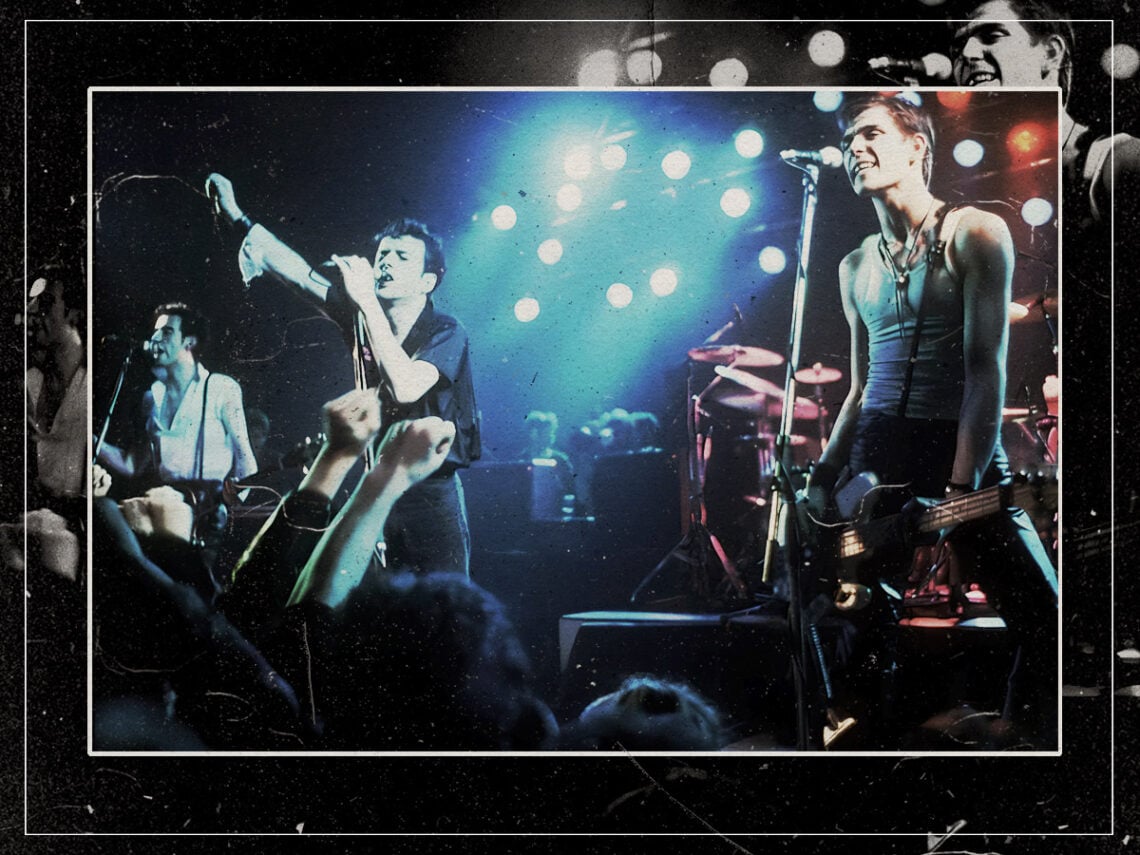
Five songs by The Clash that we should delete from history

‘The only band that matters’ is a rather bold claim to live up to, and yet The Clash seemed to embody it in every facet of their being. From the early days of London’s punk realm, forged in squats and on the ramshackle stage of The Roxy Club, to international flagbearers for rebellious, politically-charged, anti-authority music, there wasn’t much that they couldn’t do.
Even when all of their contemporaries were constructing a discography based on three barre chords, Joe Strummer’s outfit were experimenting with a countless array of different genres, exploring everything from avant-garde jazz to dub reggae, rockabilly, and they were even early adopters of hip-hop.
As with virtually every band, though, The Clash did have their poorer moments, when the experimentation gave way to bloated, over-developed ideas that really shouldn’t have ever left Strummer’s notebooks.
Immediately, the mind of any Clash fan rushes to Cut the Crap, the band’s disastrous final album, considered by many not to be a Clash record at all due to its omission of both Topper Headon and Mick Jones, both of whom had been sacked in the years prior. It was a godawful record, with very few redeeming qualities, but that album certainly wasn’t the only speck of dirt on the otherwise flawless discography of the band.
Looking back, it is easy to focus on the high points: the groundbreaking genius of London Calling, the genre-defying sounds of Combat Rock, or even their DIY debut, which still stands among the greatest punk records of all time. In between those triumphs, though, The Clash had their off-days, missteps, and moments which are perhaps best forgotten.
Here, we catalogue five such efforts which likely wouldn’t be missed if they were completely removed from the band’s extensive repertoire, as, currently, they exist largely to show just how brilliant the rest of The Clash’s output was throughout the years.
Five songs by The Clash that we should delete from history:
‘Hitsville U.K.’
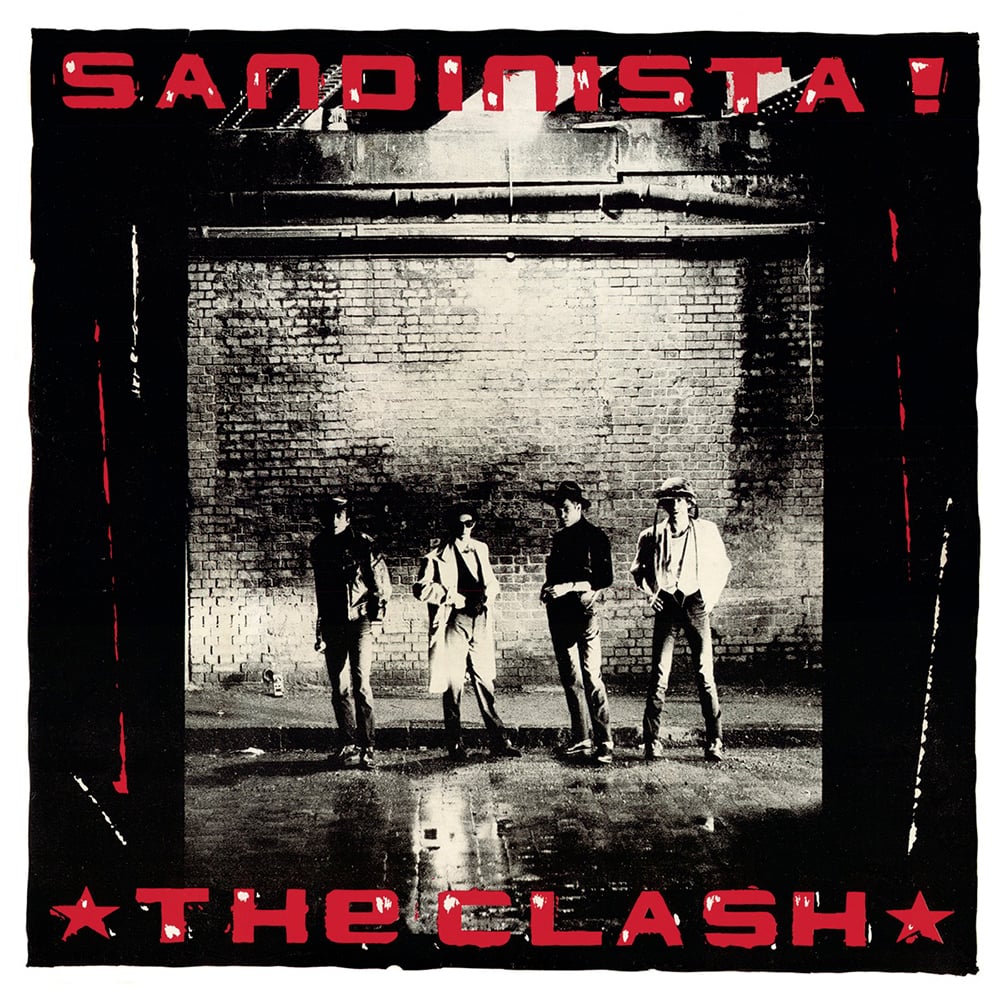
Sandinista! is a fantastic, revolutionary album, and that fact simply isn’t up for debate. Nevertheless, with a whopping 36 tracks over the course of 3 LPs, there are bound to be some stinkers in there, and ‘Hitsville U.K.’ is certainly one of them. Featuring lead vocals from Broadway actress Ellen Foley, contrasted with Mick Jones’ tones, the single – it is worth mentioning how bizarre it was that the song was released as a single at all – was intended as a tribute to the blossoming world of independent record labels across the UK.
That newfound realm of indie rock is by the band to Hitsville USA, the moniker afforded to Motown Records back in the 1960s. In essence, then, this song comes off as a bizarre novelty track, an awful imitation of golden age Motown, and a promotional ad for independent record labels – none of which the CBS-signed Clash had anything to do with – all rolled into one.
‘1-2 Crush On You’
A strange attempt by Mick Jones to evoke the playground bubblegum sounds of mid-1960s pop, the lyrics of ‘1-2 Crush On You’ are undoubtedly among the worst that the songwriter – who, let’s not forget, also wrote masterpieces like ‘Train In Vain’, ‘Lost In The Supermarket’, and ‘Should I Stay Or Should I Go’ – ever wrote. To be fair to Jones, this song was one of his earliest efforts, predating even Joe Strummer’s introduction into The Clash.
Nevertheless, most songwriters, when confronted with the poor quality of their early work, don’t go to the effort to record and release the song, even if it was only the B-side to the far superior ‘Tommy Gun’. While it perhaps isn’t as offensively bad as some of the other efforts on this list, it certainly isn’t a go-to track as far as any Clash fan is concerned.
‘Death Is A Star’
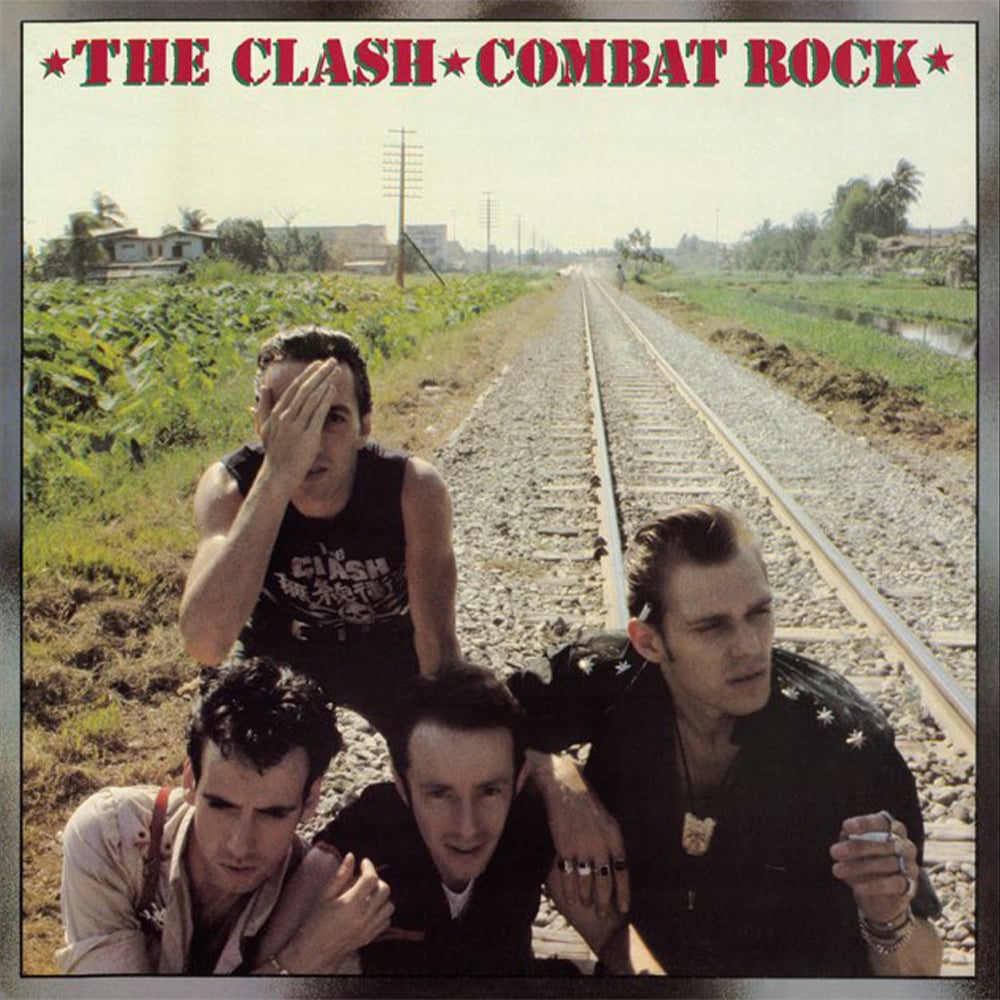
Despite Combat Rock being one of The Clash’s most beloved records, its is probably wiser to stop the record after ‘Inoculated City’ because the actual closing track, ‘Death Is A Star’ is pretty terrible. Featuring old-school jazz piano and soft, barely noticeable acoustic guitar, coupled with an untypically dilapidated attempt at crooning from Strummer, the song is another which seems completely out-of-character for the band.
Even if that was the only point of the song, to be different, it nonetheless acts as one of the rare low points on an otherwise masterful album, leaving the kind of sour taste that lingers. It’s nobody’s favourite and, if we’re being honest, it probably shouldn’t have made it onto the album in the first place.
‘Lose This Skin’
Another at-best forgettable track from Sandinista!, ‘Lose This Skin’ was penned not by The Clash but by their close comrade Tymon Dogg, who also sings lead vocals on the song. By the standards of early 1980s indie-tinged post-punk, the song isn’t all that awful. In fact, its Celtic folk influences might have been quite interesting had they been developed further, but it doesn’t sound even remotely like a Clash song.
Occupying the opening spot on the fifth side of the album, it is difficult to imagine many casual listeners making it that far into the album anyway, but ‘Lose This Skin’ is symptomatic of Sandinista’s somewhat bloated reputation. If CBS had been successful in their aims to have the Clash trim down the album a little, then there is no doubting that this song would be on the cutting room floor, only to see the light of day on a deluxe anniversary box set that only the most hardcore of Clash fans bother to listen to.
‘Dictator’
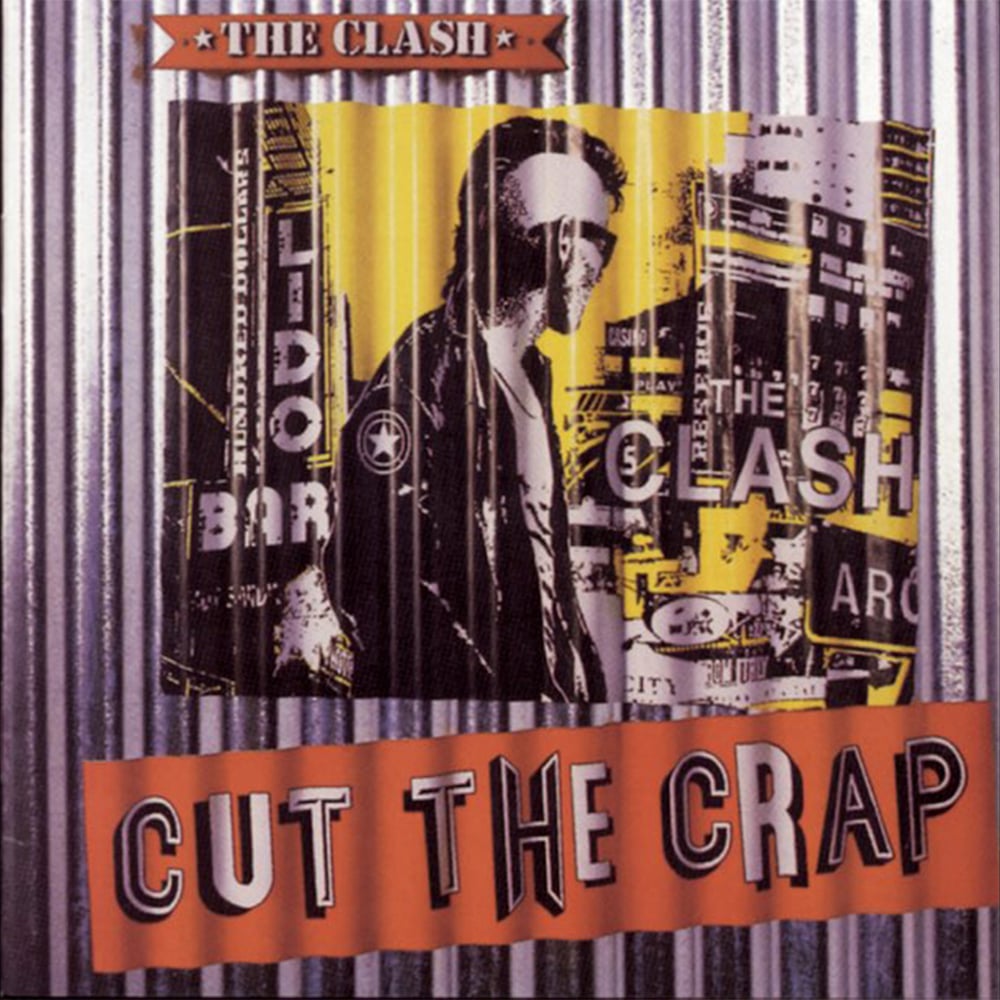
It goes without saying that the entirety of this list could have been composed of tracks from Cut the Crap – it is only an attempt at some sonic diversity, in fact, which means other Clash records have been involved at all. Even Joe Strummer himself admitted that ‘This Is England’ is the album’s only redeeming moment, and even then it still pales in comparison to the band’s previous material. Ultimately, though, ‘Dictator’ is probably the worst offender.
Listening to this convoluted, messy, completely out-of-character deluge of dross, it is utterly unbelievable that it was ever recorded by The Clash at all, never mind released as the opening track of their final record. Awful drum machines, some sporadic and uninspiring vocals from Strummer, and chaotic horns which put you in mind of an M62 traffic jam, this menagerie of mediocrity sounds as if it underwent no production at all. Yet, the chaos of its content does little even to inspire intrigue; it is as banal as it is utterly unlistenable.
