


“Never tell an Irish person they can’t sing a song”: Five songs that were banned in Ireland

There’s been a bizarre trend as of late, where culture critics have been arching their heads towards Ireland and remarking at just how much great music is coming from the ‘Emerald Isle’.
Consistently, they always come back to the word “moment” and how Ireland is in the midst of its own. Fontaines DC, CMAT, Kneecap, Lankum, Gurriers, The Murder Capital, the list truly goes on, and in some respects, they are right. There is a catalogue of great Irish artists being noticed right now, but that’s not to say the volume of art has increased.
This storied and historic country has never been short of great art. What’s changed is how we’ve engaged with it, and rather embarrassingly, we’re dubbing that a “moment”. Really, our transient engagement with the music all adds to the wider political story at stake, one that has endured many years of hardship before Londoners gentrified it.
Because Ireland knows better than anyone how art flourishes in times of hardship. In the face of political adversity, there’s little left but music for communities to rally around, especially when said music is staring down the barrel of censorship, which so many crucial ballads of the country have experienced.
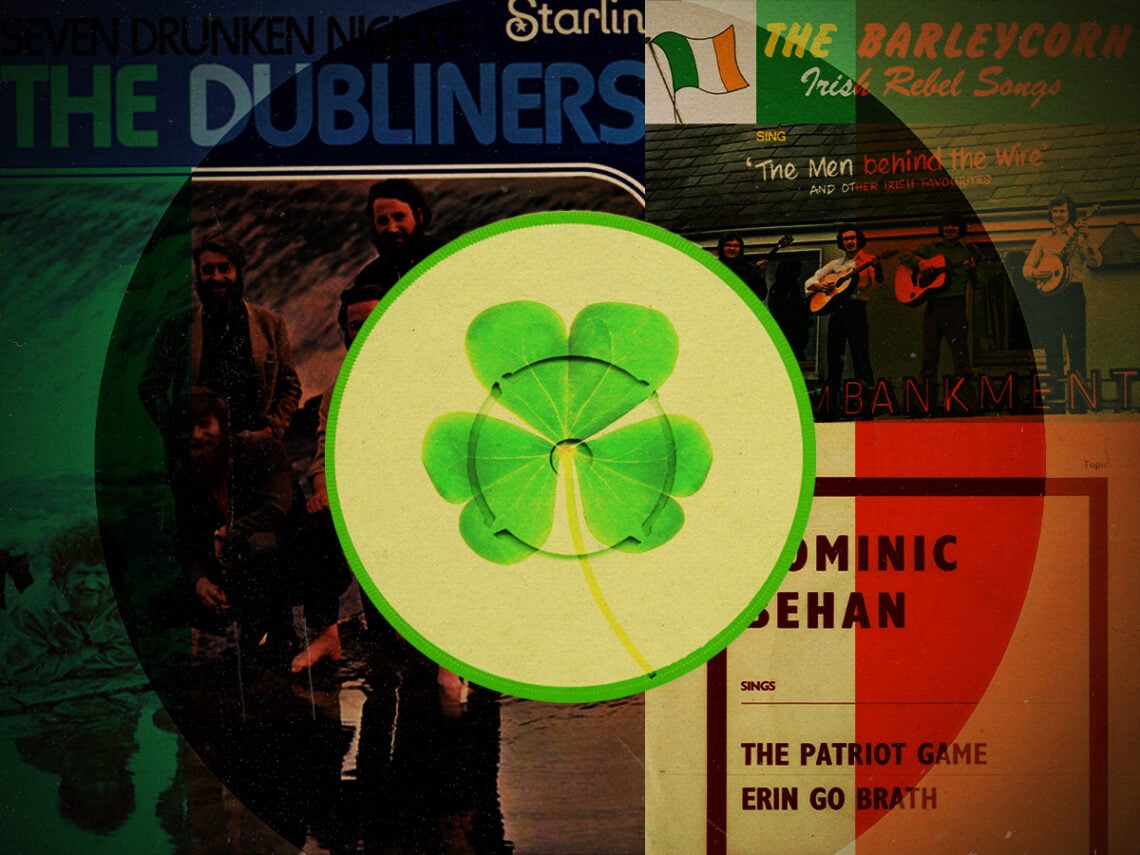
Most songs found censorship through The Troubles, others later in time, when the dust of what came before hadn’t settled, but seeped into the consciousness of a society trying to move forward, while even more were banned for their outright raunchiness.
Whatever the reason, none of the spirit of these songs has dampened quite as much as the government had hoped and thus proves that Ireland’s cultural strength comes from its community.
Five songs that were banned in Ireland:
‘The Patriot Game’ – Dominic Behan
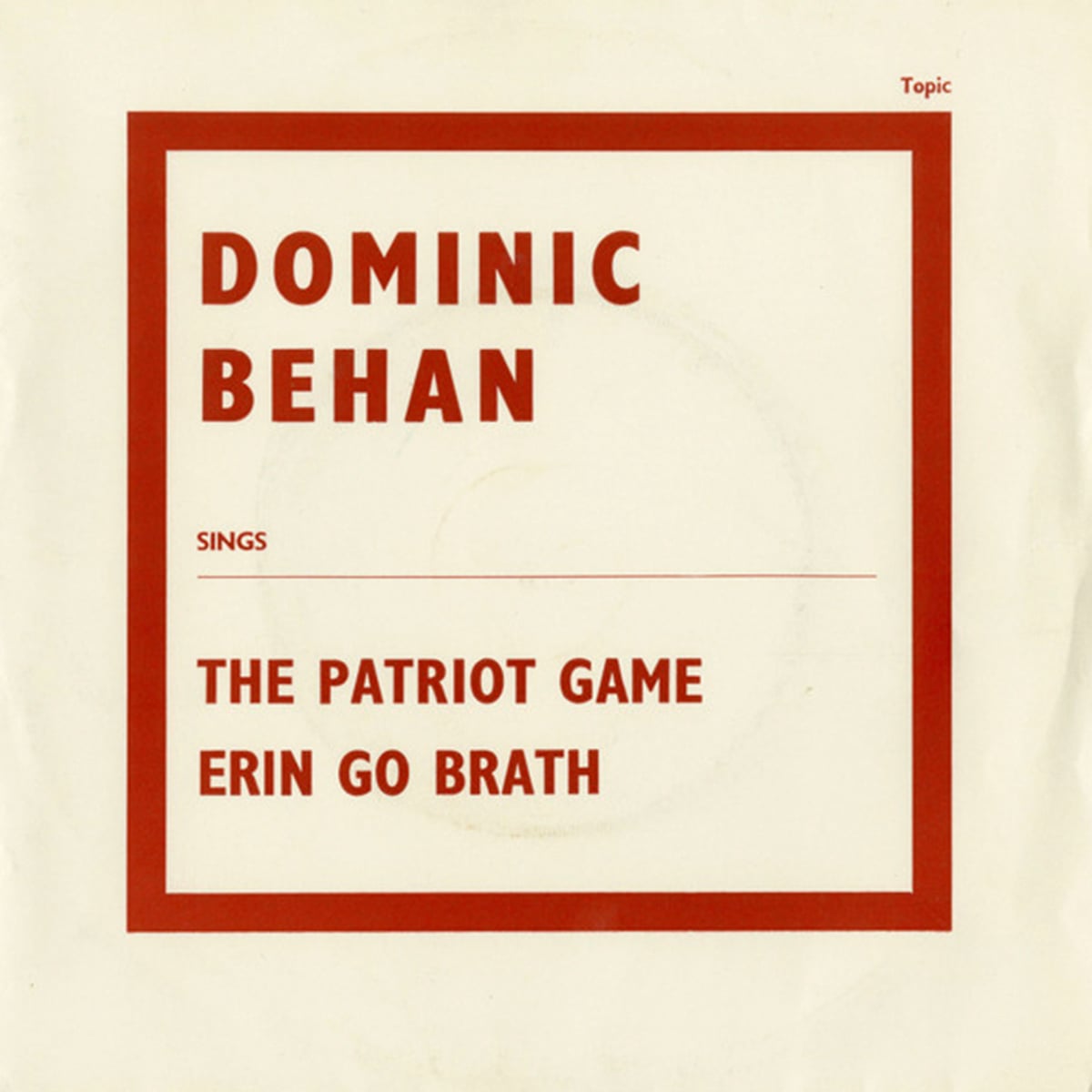
In 1971, music was awash with censorship, as The Troubles heightened in intensity, with crucial musical voices continuing to write songs that shone a light on whatever truth they believed was not being shared through mainstream outlets.
While The Barleycorn’s was a more widely told tale, Behan focused on the experience of an individual from years gone by to paint a wider picture of the prolonged violence that existed in Ireland. Behan’s ballad was written in honour of Fergal O’Hanlon, an IRA volunteer who died during the 1957 Brookeborough raid, and within that, Behan’s lyrics somewhat justified the shooting of police officers, as well as offered a scathing assessment of Ireland’s first president, Éamon de Valera.
Again, Section 31 of the Broadcasting Act was cited as Ireland sought to silence the song in a bid to quell any violence that might be caused in light of the lyrics.
‘The Helicopter Song’ – The Wolfe Tones
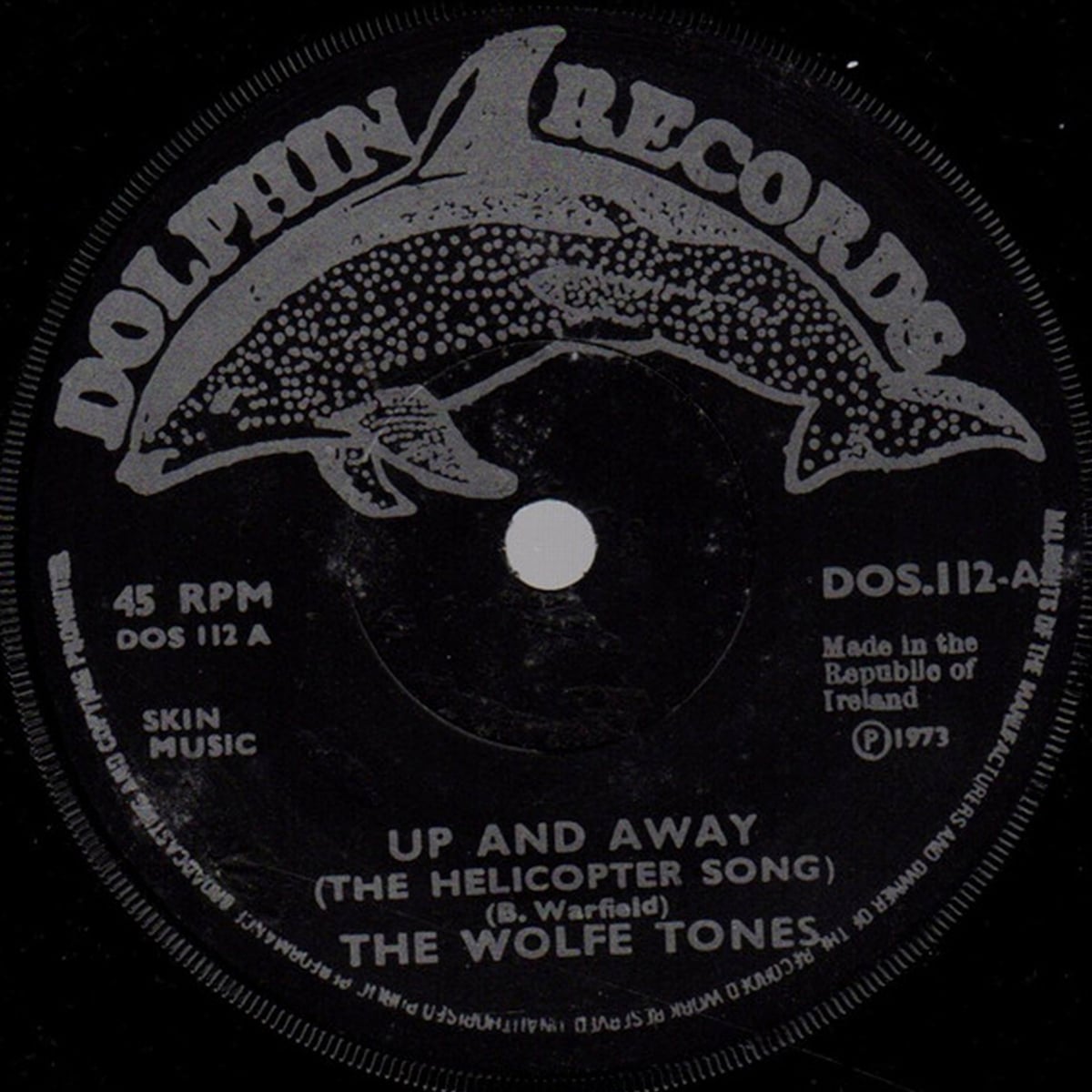
Another early ‘70s Irish track that faced swift censorship from the Irish government, this time because of The Wolfe Tones’ explicit celebration of the ‘73 helicopter escape of three high-profile IRA prisoners from Mountjoy Prison.
Inevitably, Section 31 of the Broadcasting Act was called into view, and the song was quickly banned, but that didn’t stop its success. The feeling of resistance was so palpable that the song sold 12,000 copies in its first week and reached number one on the Irish singles chart for four weeks, despite being ripped completely from the airwaves.
When discussing the ban, the band’s harpist Brian Warfield simply stated: “Never tell an Irish person they can’t sing a song because you know what they’ll do, they’ll go out and they’ll sing it over and over again, just to spite you.”
‘Seven Drunken Nights’ – The Dubliners
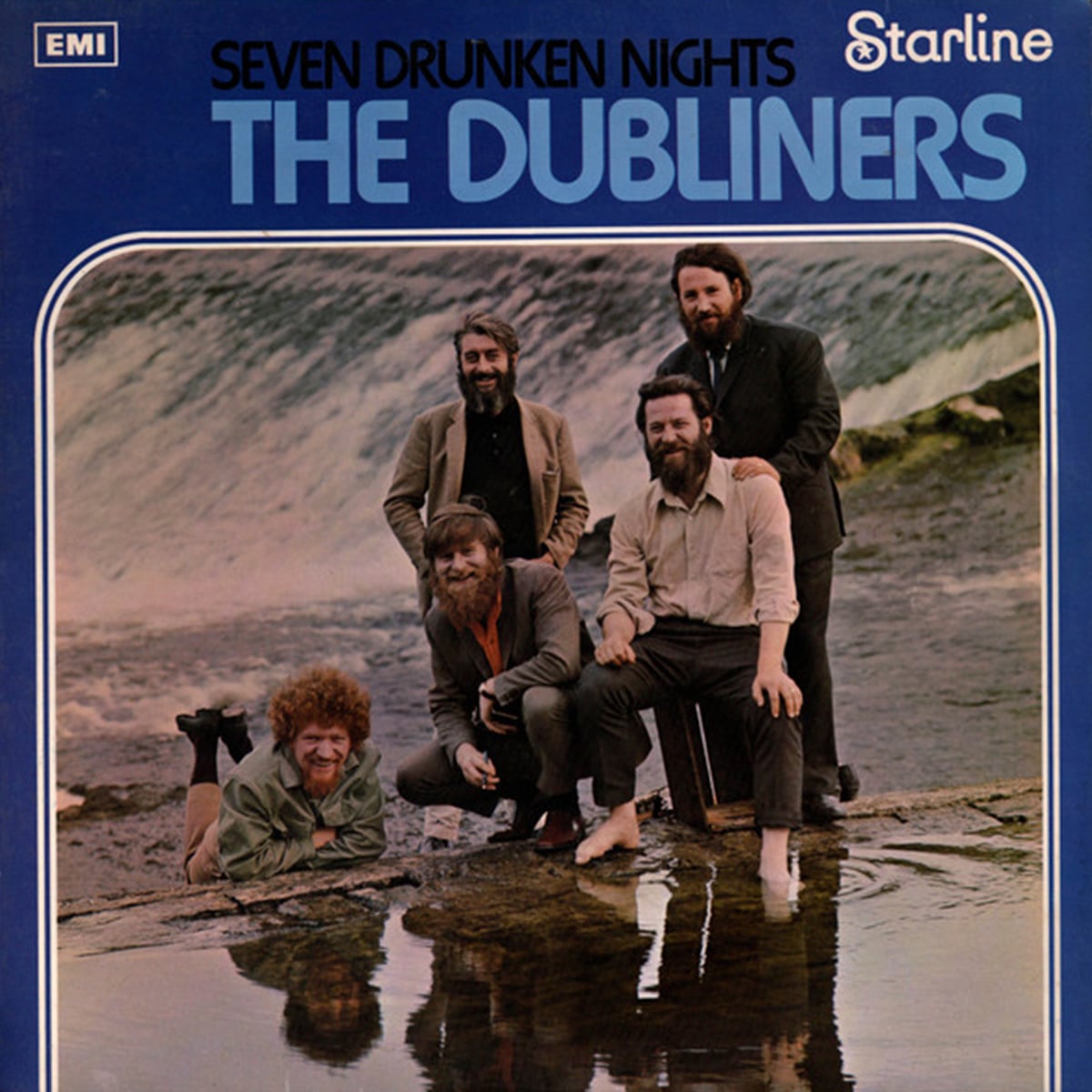
While it’s easy to slip into a state of politicism, not all songs were censored because of the societal backdrop. No, the Irish government and broadcasters have behaved like nearly every other broadcaster in history and have quickly jumped to a state of panic whenever they hear something remotely sexual.
In the case of The Dubliners’ track, they took exception to the song’s sexual themes and supposed ‘raunchy’ content. ‘Seven Drunken Nights’ tells the story of a naive and drunken husband who stumbles home each night to find increased evidence of infidelity, and then is stupidly convinced by his quick-witted wife’s absurd explanations.
It’s a funny and humorous track that does indeed lean into the explicit nature of its storyline, and in a modern era, it would have likely passed. But in ‘67, times were different, as frontman Ronnie Drew explained, “In 1967, Ireland or parts of it were living in the ’30s when you couldn’t mention such things as S E X…you could spell it but you certainly couldn’t say it”.
‘The Men Behind the Wire’ – The Barleycorn
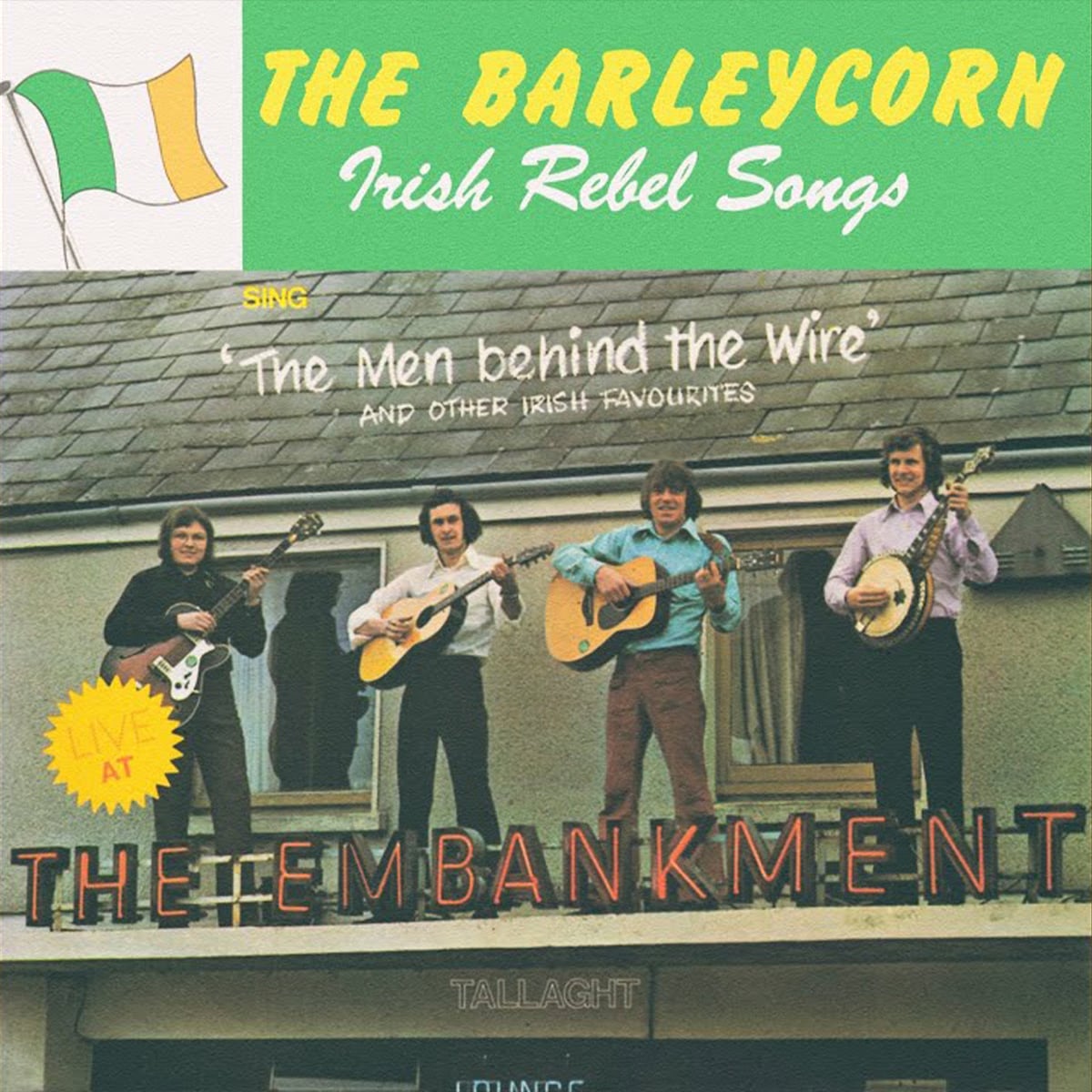
Released in the heart of the troubles, The Barleycorn’s ‘71 song was written in the aftermath of Operation Demetrius, an operation led by the British Army that resulted in the mass arrest and internment of people suspected of being involved with the Provisional Irish Republican Army.
Quite simply, ‘The Men Behind the Wire’ sought to deliver a very visceral image of those held without trial and gave a window into the brutal reality of this bloody and ongoing battle between the two states. Naturally, that unflinching portrayal tapped into something within Irish communities and the song shot into the Irish charts upon its December release, selling more copies than any other single until then released in Ireland.
But in January of the following year, the Irish broadcaster RTÉ cited Section 31 of the Broadcasting Act as a means of banning it. According to that stipulation, the song could be seen as inciting violence, promoting paramilitary organisations or threatening the security of the state.
‘They Never Came Home’ – Christy Moore
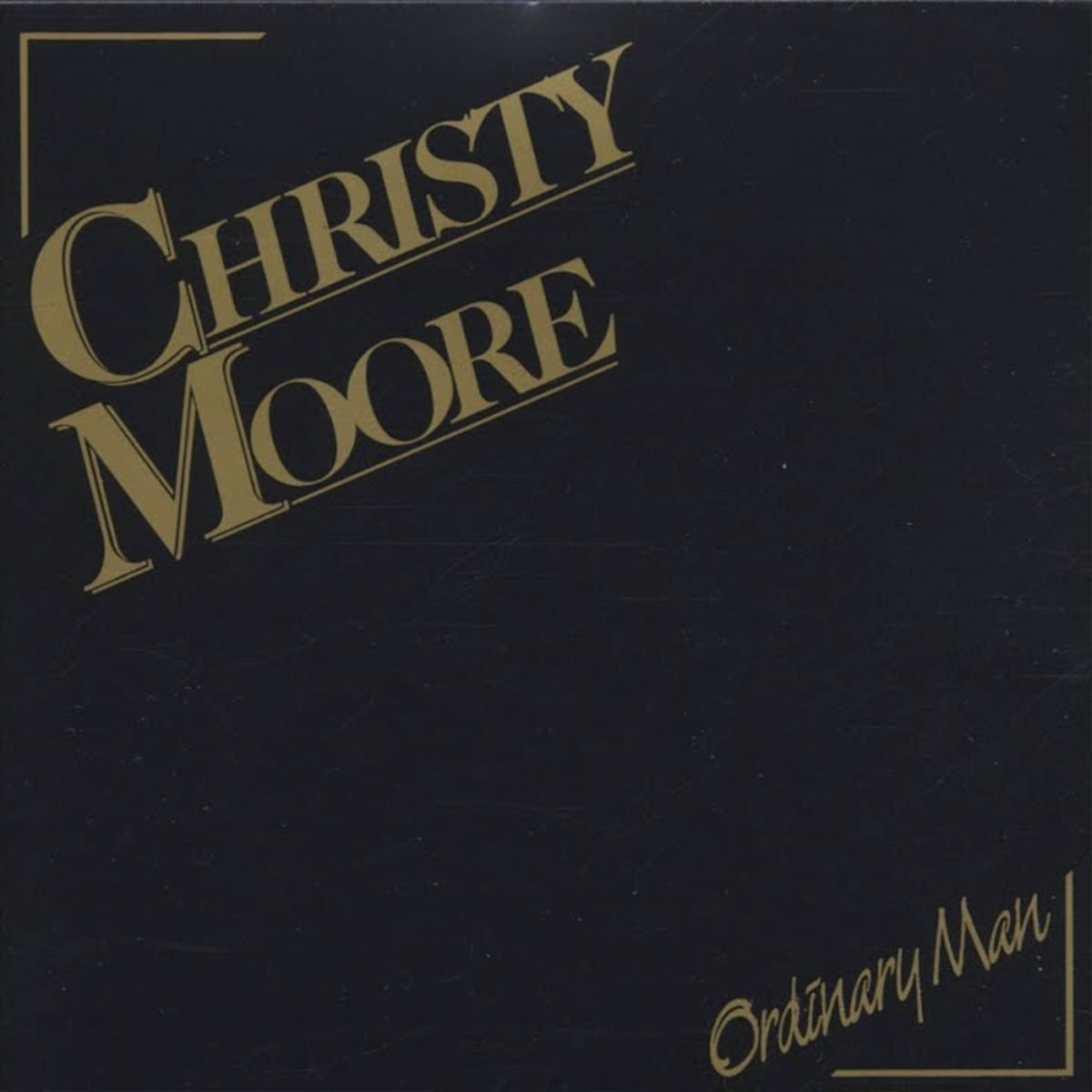
Throughout Moore’s career, he ensured that he was one of the most crucially political voices in the Irish music scene. From the beginning of his career, he set out an activist blueprint with ‘90 Miles to Dublin’, a song written from the perspective of an imprisoned Republican prisoner on a blanket protest in the Maze Prison.
Then he wrote about the plight of Chinese immigrants on ‘On Morecambe Bay’ as well as the Holocaust on ‘December 1942’, highlighting his keen focus on philanthropy as a whole, not just in the context of Ireland. He was a songwriter of the people, explaining, “I tend to follow my heart more than any political ideology. I wouldn’t even say I have political ideology”.
But Ireland believed he did, after his song ‘They Never Came Home’ addressed the tragic deaths of 48 people in the 1981 Stardust nightclub fire. The song was found guilty of contempt of court due to the active proceedings taking place and was subsequently banned from all broadcast, but Moore didn’t care; he wrote it for the people.
