


A contentious ditty in 1735: The first banned song in American history

Despite counting the First Amendment in its legal code, the US state has tried to flex some censorial muscle and clamp down on a tune that’s rubbed Uncle Sam the wrong way.
Once rock and roll first plugged in its guitar back in the 1950s, church groups and conservative puritans with their knickers forever in a twist sought to stem the corrupting influence oozing out of American airwaves, in a panic about all the Black music’s ‘mongrel’ threat to God’s segregation and its sexual immorality, and ripening young minds with communist poison for a little extra subversion.
Such a top-down clamp on pop’s pernicious threat typically mobilised strenuous efforts to exercise their protected free speech by moving Heaven and Earth to ensure the rock offenders didn’t infest their beloved, white picket community. Wielding the arm of the authority, socialist folk quartet The Weavers found themselves swiftly blacklisted in the peaks of the era’s Red Scare, police in Florida threatened Elvis Presley with arrest should he move his pelvis a little on stage, and the North Alabama White Citizens Council president pressured the state’s diners to get rid of their jukeboxes lest they fall prey to the perils of “Black music”.
So, the First Amendment need not be contravened when carrying out your moral crusade. There have been close calls, however. The FBI genuinely investigated The Kingsmen’s ‘Louie Louie’ for two whole years to try and glean some sign of alleged obscenity in Jack Ely’s mumbled vocals across the 1960s, President Richard Nixon abused the Federal Communications Commission to pressure radio stations to quit spinning numbers featuring “drug-oriented” lyrics, and the FBI were at it again during hip-hop’s golden age when NWA’s ‘Fuck tha Police’ prompted Minnesota’s attorney general to try and prosecute record stores selling their Straight Outta Compton LP.
Despite the long and storied tradition of free speech, music and songcraft can still find themselves in the crosshairs of a state-pushed ban, a practice that reached back to America’s very colonial foundations.
So what song was banned as early as 1735 in America?
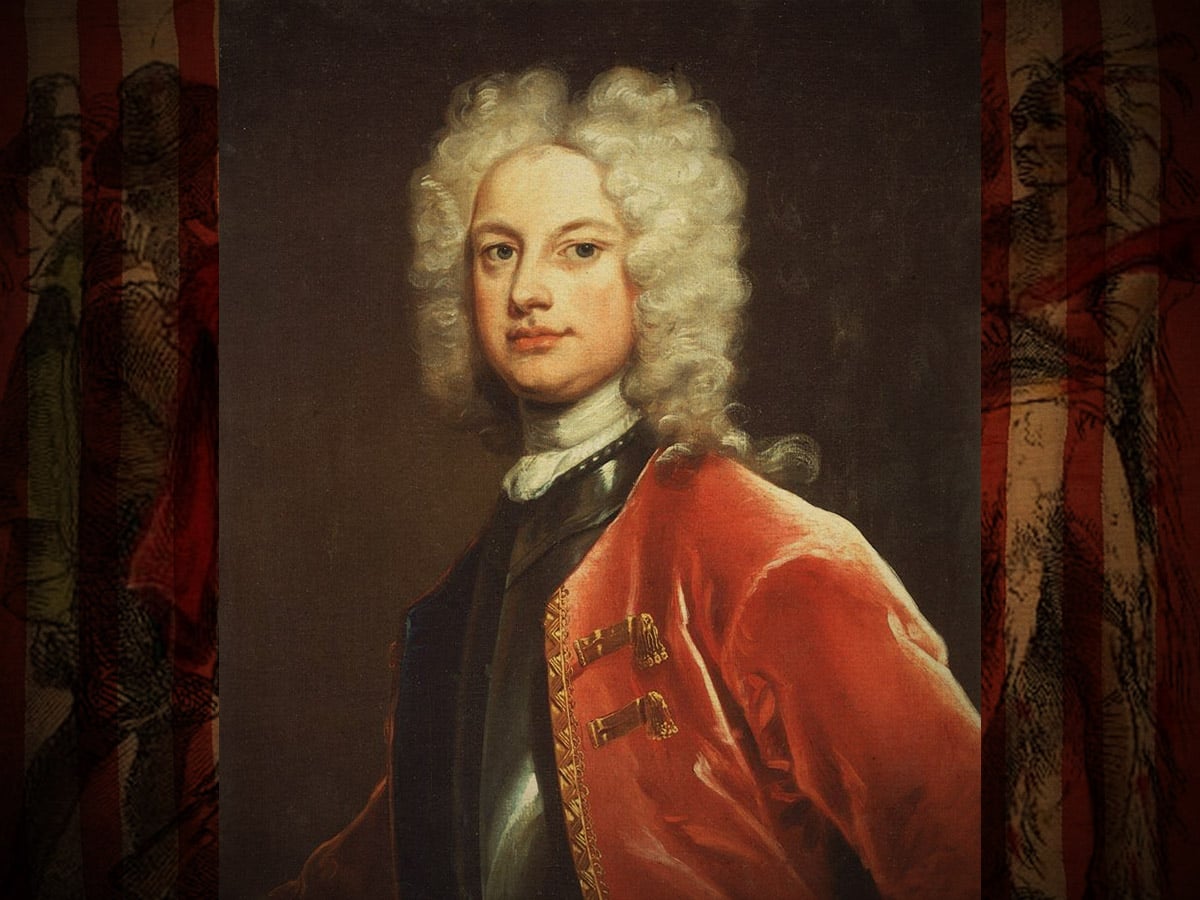
Back in January 1732, British monarch George II sent faithful army officer William Cosby over to the East Coast colony as the newly appointed ‘Captain General & Governor in Chief of the Provinces of New York, New Jersey and Territories depending thereon in America’, arriving 13 months later to oversee the 50,000-odd populace spread across the entire province.
He wasn’t very popular, especially among the colonists, slowly simmering with anti-royal sentiment. One such critic was German immigrant John Peter Zenger, who, with handsome backing from some of Cosby’s political competitors, launched the pro-colonist New York Weekly Journal and with it columns and editorials attacking Cosby’s governorship, plus various ballads and ditties lampooning the British upstart, ‘A Song Made upon the Election of New Magistrates to the City’, particularly getting his goat.

In fact, Cosby was so narked that he ordered Zenger’s arrest and the immediate destruction of the New York Weekly Journal’s editions that contained his argued seditious material. The grand jury thought otherwise, however, refusing to indict Zenger on such charges and two years later slapping down libel claims too, marking the first time a song was banned, albeit briefly, in American history.
“What the people don’t know is that, when the government came and shut down his paper, they also shut down his song publishing operation, which included, essentially, folk songs that mocked the king and Great Britain,” Free Speech Centre at Middle Tennessee State University director Ken Paulson told journalist Kelly McCartney in 2015, concluding, “So, 1735 … that’s 41 years before the Declaration of Independence. So there is, unfortunately, a long tradition of music censorship in America.”
