


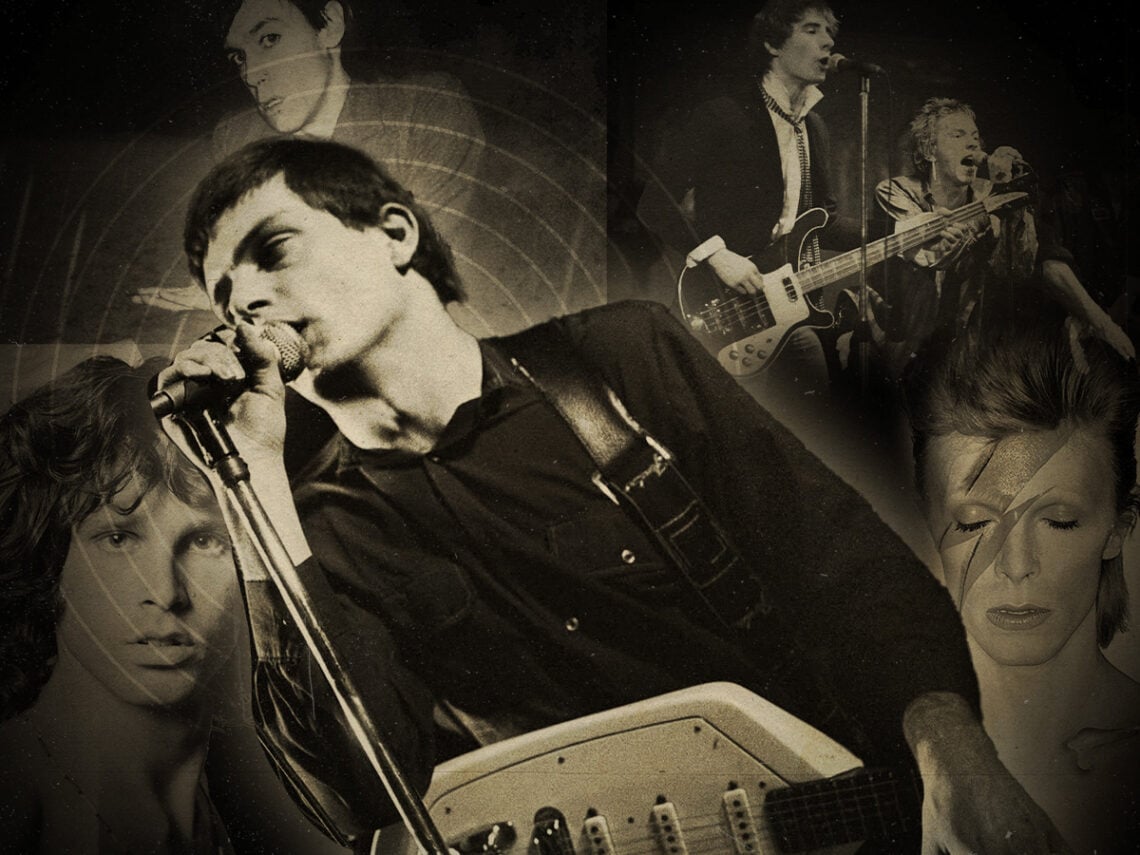
Five songs that defined the life of Ian Curtis

If it hadn’t been music, somewhere in the arts’ more confronting and shadowed realm would have pulled Ian Curtis to its introspective ruin one way or another.
“I used to work in a factory, and I was really happy because I could daydream all day,” he once confessed to NME. If punk and popular music hadn’t zapped its formative lightning on the young Macclesfield teen, it’s easy to imagine a future in literature or the fine arts; such were his evocative lyrical landscapes and authoritative exploration of the human condition far beyond his tender years that the world would have known Curtis’ name had Joy Division formed or not.
Yet, as many angry young men lumbered in the mire of the 1970s’ social malaise, Curtis would seek escape via the day’s Top of the Pops or the 12.5 x 12.5 record windows acting as transportive whisks to a place of glamour, intrigue, and colourful plumes away from the suburban mundanity. Music would lay out a blueprint for Curtis and Joy Division to follow, both in their funereal richness, austere expanse, and the insurrectionist crackle that charged the punk and new wave generation.
To celebrate the 70 years since his birth, we take a look at the five essential musical markers of his life that soundtracked his road to Joy Division, the band’s brief but trailblazing stamp on the UK charts, and the immortal frontman’s untimely end.
Five songs that defined Ian Curtis’ life:
The Doors – ‘The End’
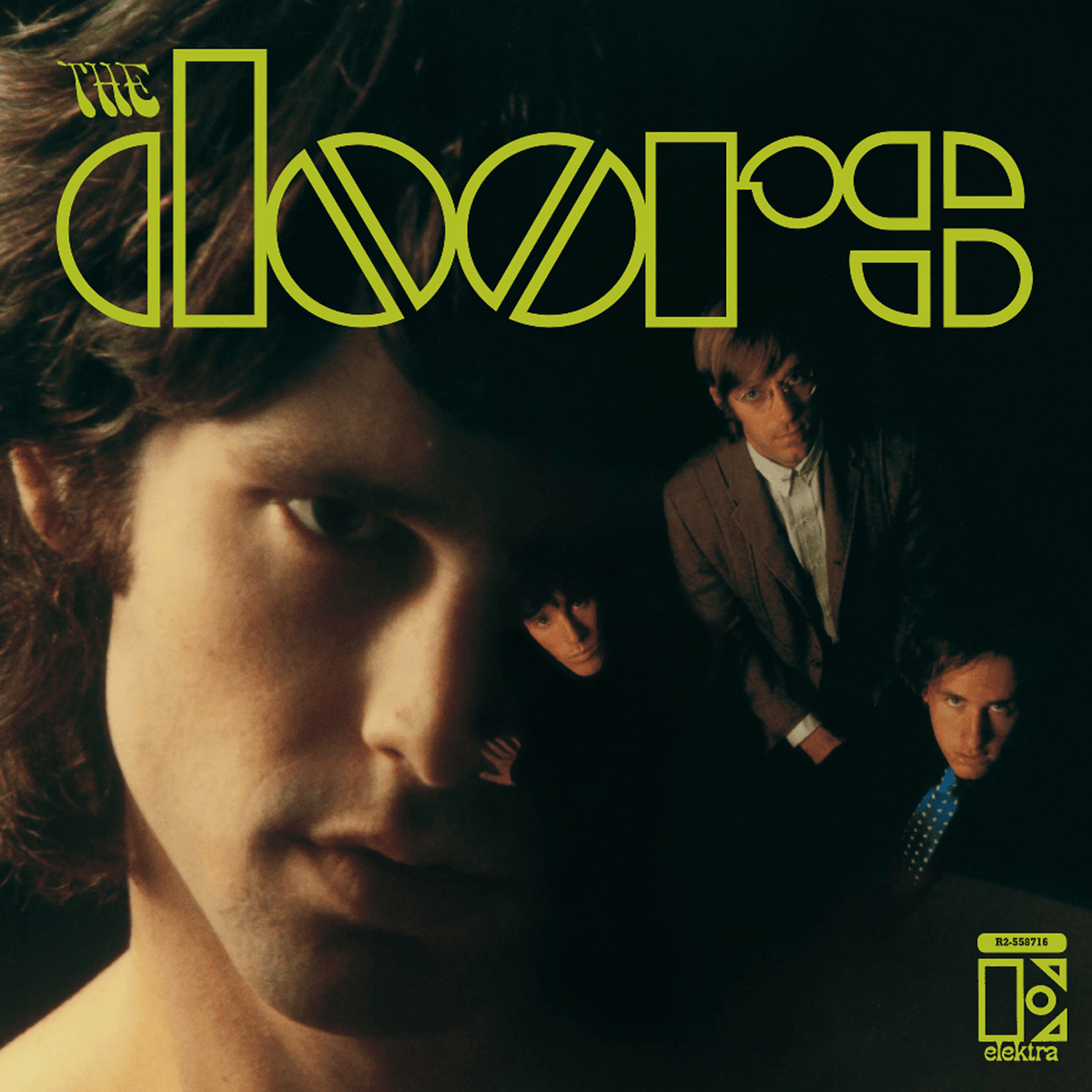
Release Date: January 1967 | Producer: Paul A Rothchild | Label: Elektra
It’s little surprise that Curtis was enamoured with The Doors, especially the apocalyptic finale that haunts their debut LP. His former wife Deborah Curtis attested as much in 1995’s Touching From a Distance book, positing that such a fascination with The Doors’ heady lysergia was also spiked with a darker draw to the mythos surrounding their troubled frontman.
“I think he wanted to be like Jim Morrison, someone who got famous and died,” she mused, “Being in a band was very important; he was very single-minded about it. He’d always said that he didn’t want to live into his 20s, after 25.”
The Doors would inspire Joy Division’s abyssal wanders, from rumoured rehearsal renditions of ‘Riders on the Storm’ to Curtis’ similarly baritone croon shared with Morrison. But it’s ‘The End’ that carries the most obvious sonic and thematic weight for Curtis, supposedly performing the Oedipal fever dream during warm-ups and sound checks. On a Joy Division song like ‘I Remember Nothing’, it’s easy to hear ‘The End’s’ nightmarish trip radiate from their likewise debut finale of 1979’s Unknown Pleasures.
David Bowie – ‘Drive-In Saturday’
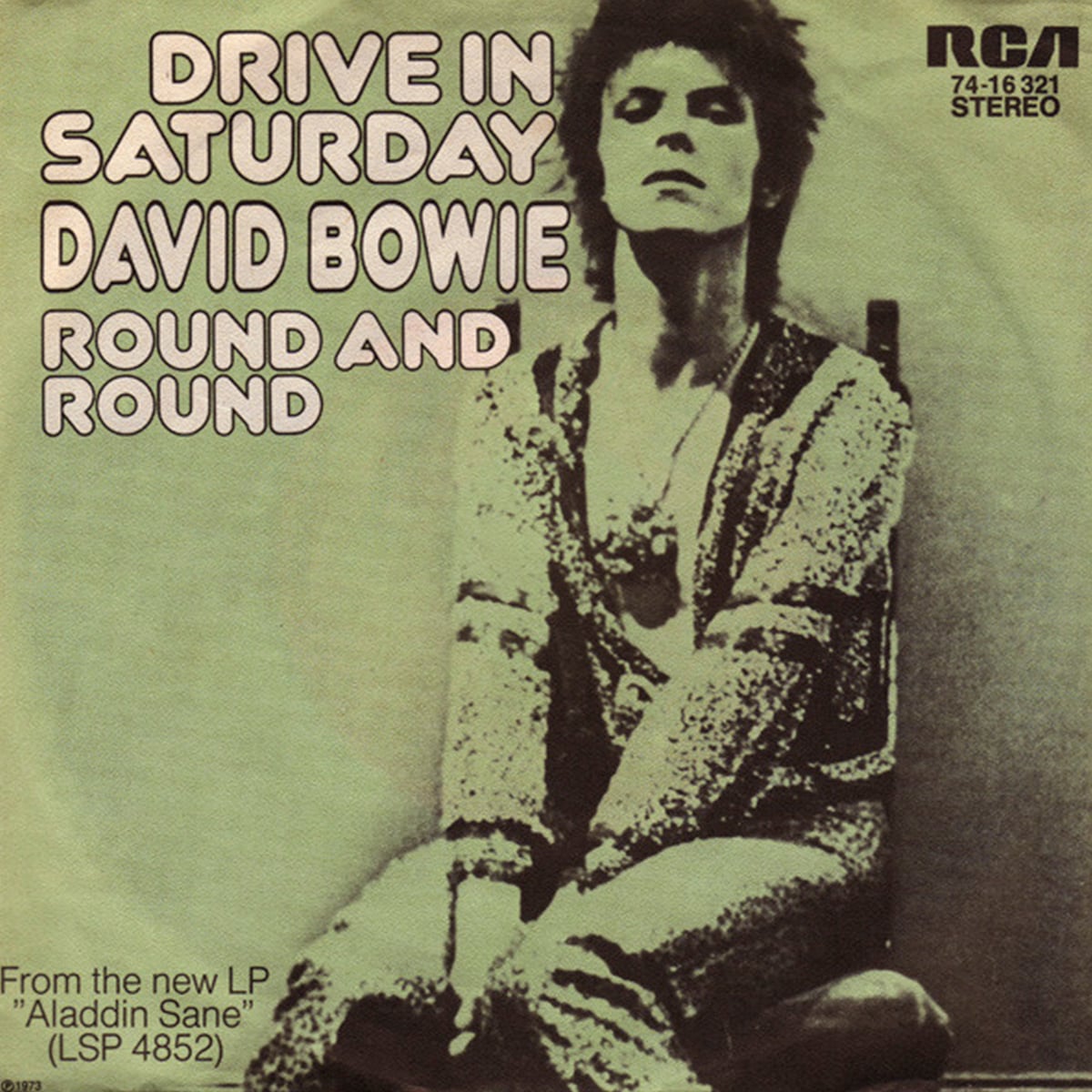
Release Date: April 1973 | Producer: Ken Scott and David Bowie | Label: RCA
Glam struck the young Curtis just as hard as any other curious young music fan of the early 1970s. Alongside garage rock’s glitter end with the likes of Lou Reed and The Stooges, David Bowie’s immortal Ziggy Stardust opened a gateway to musical and artistic discovery; the Cracked Actor’s pop bricolage approach to both songcraft and his Martian alter ego not only swept aside the era’s deathly uncool hippy residue, but also offered a musical education among the most studious of his fans.
Bowie would leave a deep mark on Joy Division’s output, naming their predecessor band Warsaw after Bowie’s eerie ‘Warszawa’ instrumental from Low, as well as scooping out the phantasmic Berlin Trilogy’s electronic vapours for Martin Hannett’s eternal production.
But reportedly, it was Aladdin Sane’s doo-wop pastiche ‘Drive-In Saturday’ that Curtis loved the most as a teenage clerk in Manchester’s Rare Records Ltd, with an early fandom nod offered on the 2007 Control feature depicting a young Curtis running through his Macclesfield suburbs with Aladdin Sane tucked under his arm, eager to lose himself in Bowie’s exotic theatre.
Kraftwerk – ‘Autobahn’
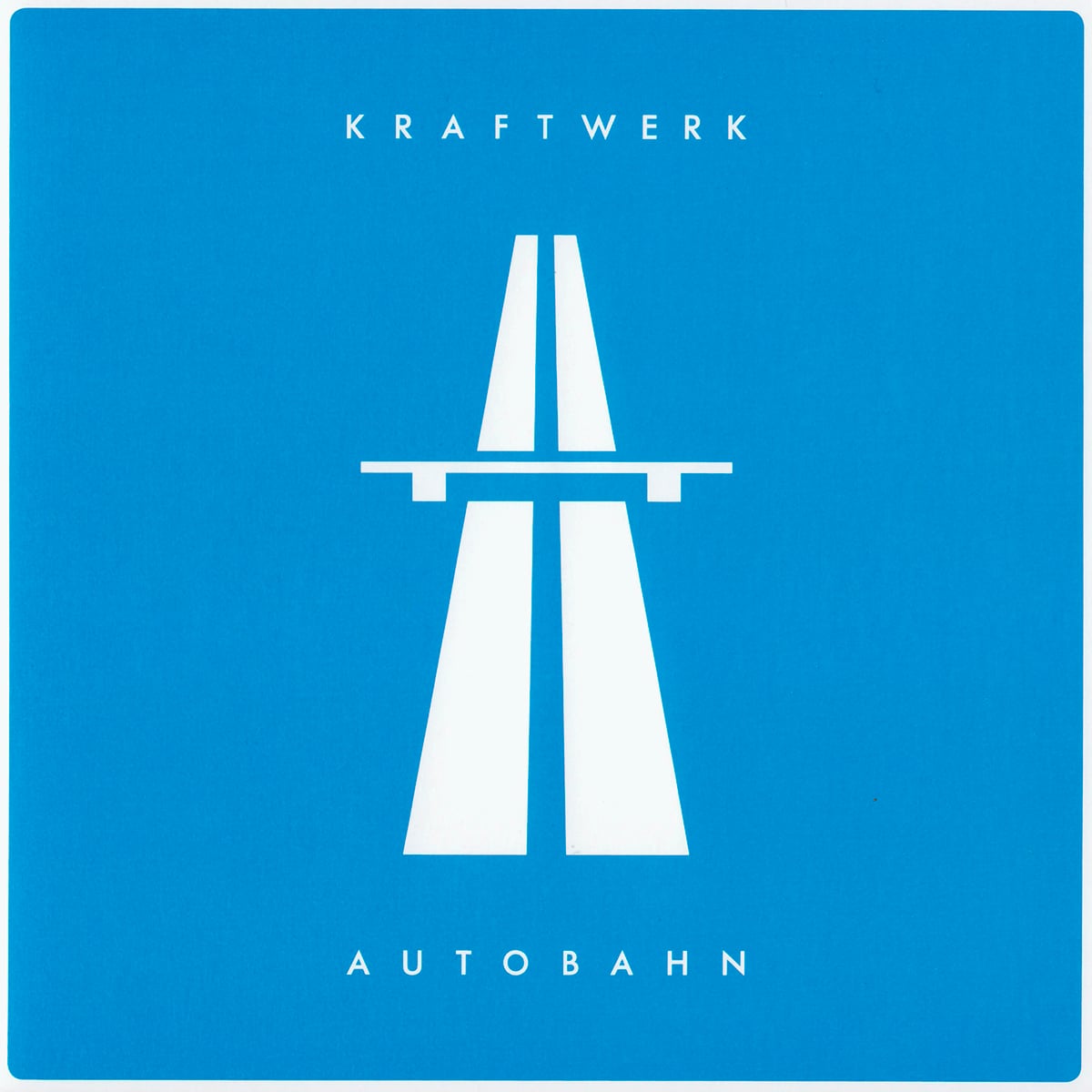
Release Date: November 1974 | Producer: Florian Schneider and Ralf Hütter | Label: Philips
The pioneering electronic soundtracks beamed from Düsseldorf were every bit as electric as glam was in countering the double denim Woodstock hangover. Supposedly, it was Curtis himself who eagerly thrust copies of Kraftwerk’s ‘Autobahn’ at Joy Division during their infancy, the band soon taking electronic cues with their later co-opting of mechanised rhythms and synth-laden textures over the brooding post-punk.
Then there was the image. Obscured by a conceptual veil, Joy Division bassist Peter Hook would tell NME in 2020 of Curtis’ Kraftwerk example when pushing back on efforts to orient the band in a rock star direction, “When everyone was trying to turn us into ‘Ian Curtis and Joy Division’, he would say, ‘No, no, we need to be like Kraftwerk, it’s all of us, together’”.
Most live nights, Kraftwerk’s Trans-Europe Express would play out the venue’s PAs to both instil the correct headspace for Joy Division and convey the band’s terse minimalism to the curious crowd; the seeds were sown. After Curtis’ death, his remaining members carried over a fascination for electronic music in their New Order successor, directly sampling ‘Uranium’ for 1983’s ‘Blue Monday’ mega hit.
Sex Pistols – ‘Anarchy in the UK’
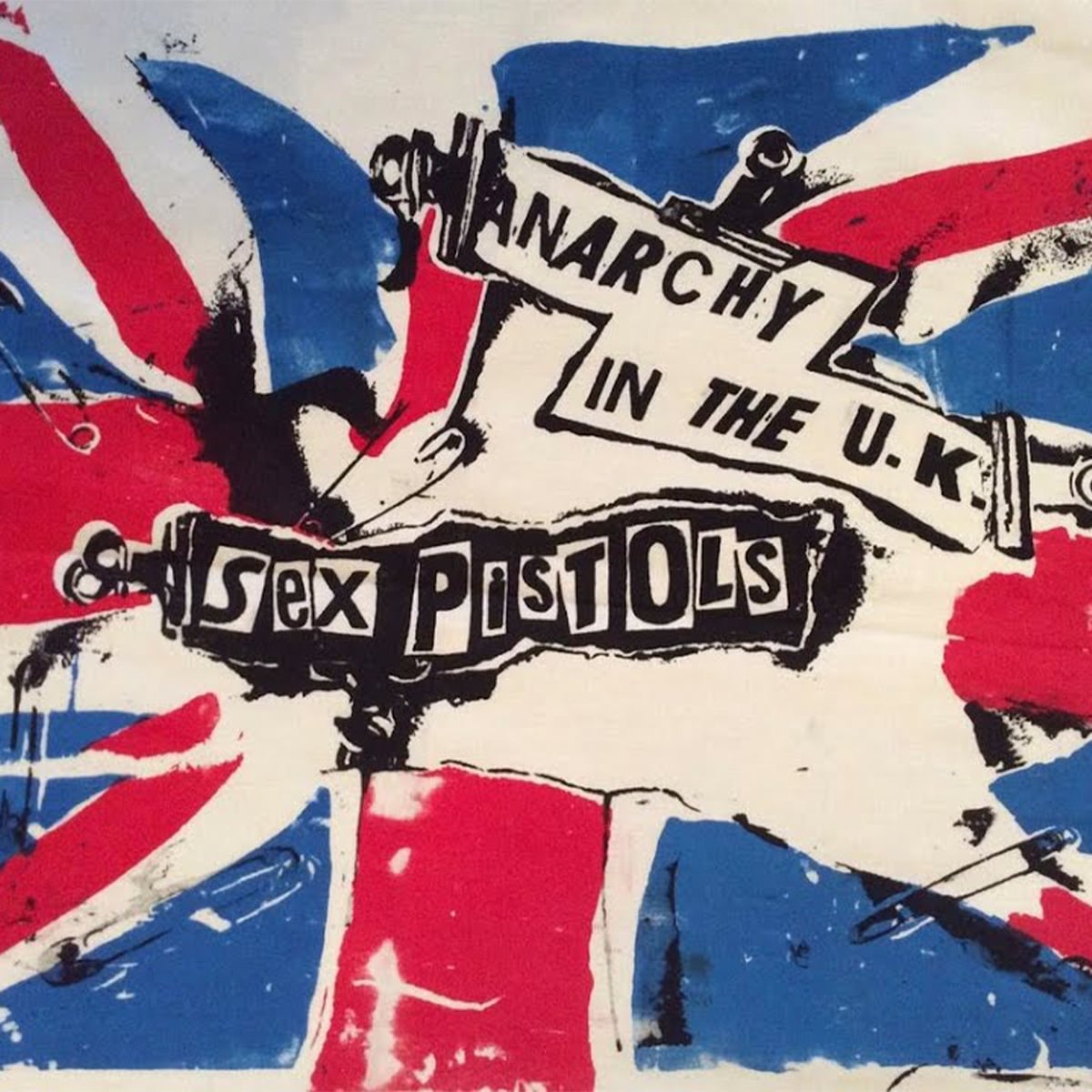
Release Date: November 1976 | Producer: Chris Thomas | Label: EMI
The famed Sex Pistols gig at Manchester’s Lesser Free Trade Hall had actually already taken place in June 1976, but their return the following year proved just as formative for the gaggle of punks and curious music fans who had congregated to witness punk’s leading force. Among the audience were Curtis, Mark E Smith, future Creation Records head Alan McGee, and one local Granada Television presenter, Tony Wilson, who’d gift the Pistols with their TV debut on his So It Goes show.
It was the second show, however, that saw the live debut of ‘Anarchy in the UK’ and truly lit punk’s fuse. Curtis was hooked; before long, he’d wander town in a large donkey jacket with the word “hate” scrawled on the back, expressing all his youthful rage and alienation that the Sex Pistols’ soon-to-be debut single had afforded license for. Having mingled with Bernard Sumner and Hook at the same gig, Joy Division would start growing as a unit mere months later.
Iggy Pop – ‘Mass Production’
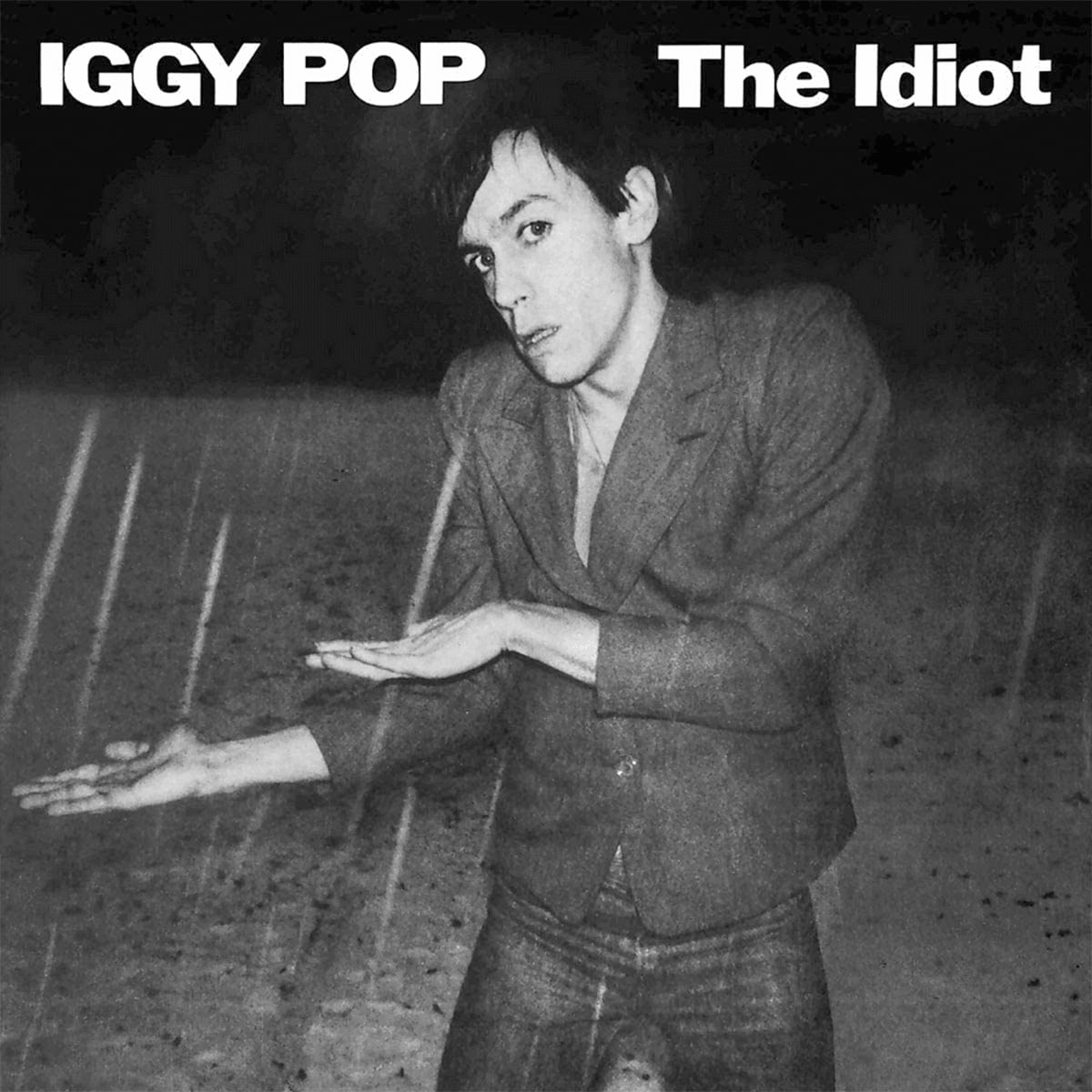
Release Date: November 1976 | Producer: Chris Thomas | Label: EMI
His morbid fascination with Jim Morrison and The Doors frontman’s young exit from life would be tragically realised in the early hours of 18th May, 1980, with a washing line around his neck. On the eve of Joy Division’s first US dates, Curtis would ruminate at his 77 Barton Street, Macclesfield address, write a long message to his wife Deborah concerning his love for her amid their marital issues and watch Werner Herzog’s Stroszek on TV before listening to one final record.
We’ll never know what song he listened to for the last time on Iggy Pop’s The Idiot. A smoggy, proto-post-punk gem that lent a shaping hand to Joy Division’s sound, all eight of its cuts could have musically seen Curtis off during those final moments. But had he listened to the record all the way through, the industrial ‘Mass Production’ would have provided his mortal coda, a hissing, factory urbanscape that hovers over Joy Division cuts like ‘The Eternal’; one listen to its cavernous closing bellows makes for a more disquieting listen when considering its potential dark score on that fateful night.

Never Miss A Beat
The Far Out Punk Newsletter
All the latest Punk content from the independent voice of culture.
Straight to your inbox.