


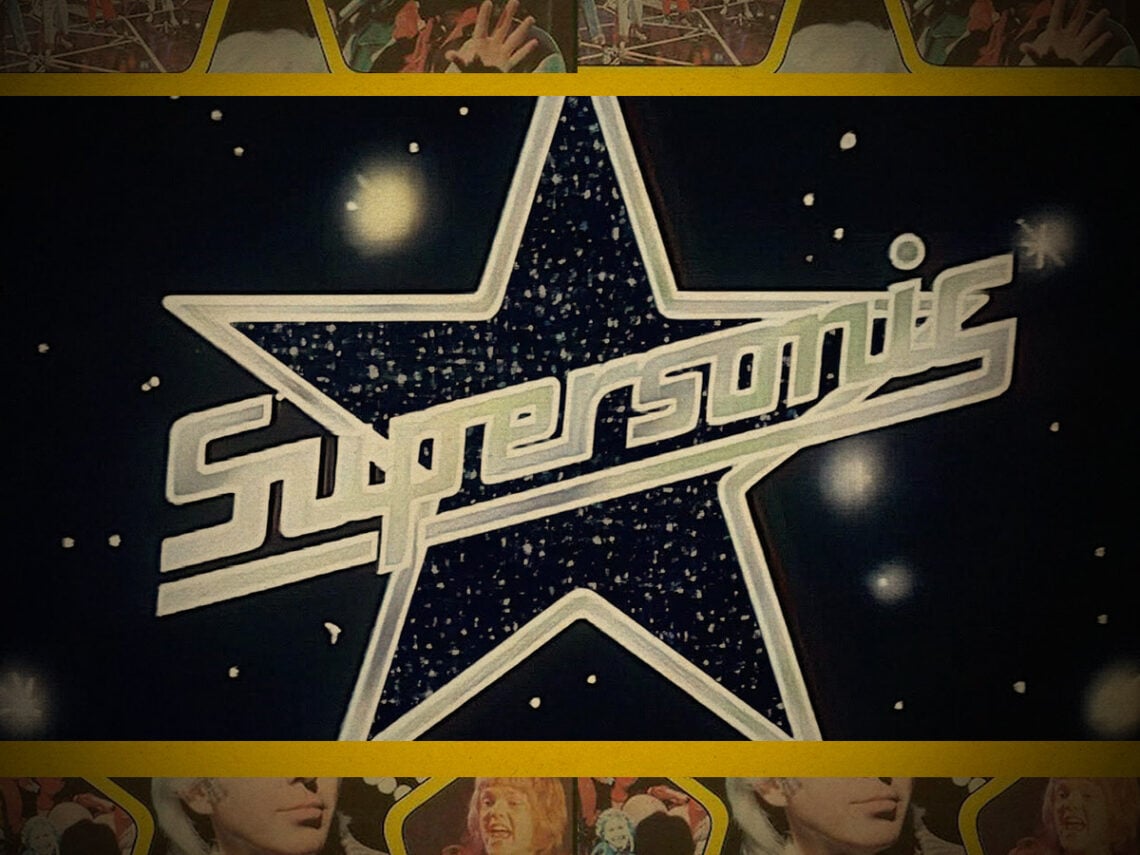
‘Supersonic’: The failed show that tried to rival ‘Top of the Pops’ in the 1970s

In 1975, the UK’s premier music show and cultural institution, Top of the Pops, first faced off with another pop competitor by the name of Supersonic.
Since launching in 1964, Top of the Pops had enjoyed an unrivalled presence in British musicland, capturing the spirit of the decade’s swinging era and defining the glam age with its star-filtered lighting. Yet, once glam’s glitter had grown stale, the BBC behemoth began to stumble into a lapse of irrelevance.
The times were changing; the old guard Radio 1 DJs like Tony Blackburn had become deathly uncool, the Pan’s People dance troupe bafflingly kitschy, the static miming by the acts staid and awkward, and a general sense of being out of touch with the musical mood as the new wave awaited around the corner began to plague the mighty Top of the Pops.
Now was as good a time as any for independent television to swoop in with its own pop challenger. The UK’s first commercial TV channel and an alternative to the BBC’s programming monopoly, ITV had waded into the music show game before, taking a stab at after-school pop with Lift Off with Ayshea and the muso-approved Doing Their Thing late on Friday nights, but they’d yet to wield a counter to the BBC’s decade-long pop beast. However, TV production veteran Mike Mansfield stepped to the task of overseeing ITV’s Top of the Pops counter, having spotted just where the flagship show had been going wrong during its crisis of confidence.
He’d already been working for the North West’s Granada franchisee, directing Lift Off with Ayshea episodes, when a recruitment by London Weekend Television sought to trial a one-off pilot for a new pop show under Mansfield’s command for the South East. Titled Supersonic and debuted in March 1975, it proved such a regional hit that a series expansion was greenlit, kicking off that September.
Mansfield knew what Supersonic needed. First was the urgency. The cameras practically raced around the Kent House studios with a speedy excitement that made Top of the Pops look sluggishly pedestrian by comparison, so breakneck there was no room for a conventional presenter and instead would jump between performer and control desk, with Mansfield indirectly introducing acts by his barking orders at the floor crew. Then there was the sheer pizzazz. Mansfield ensured there was no shortage of balloons, glitter, cascading confetti, and all manner of gaudy optical candy to keep young eyeballs glued to screens.
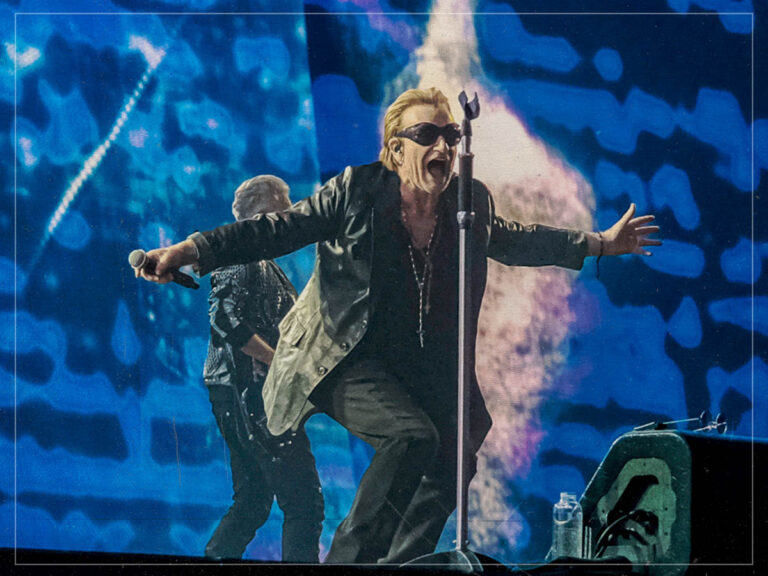
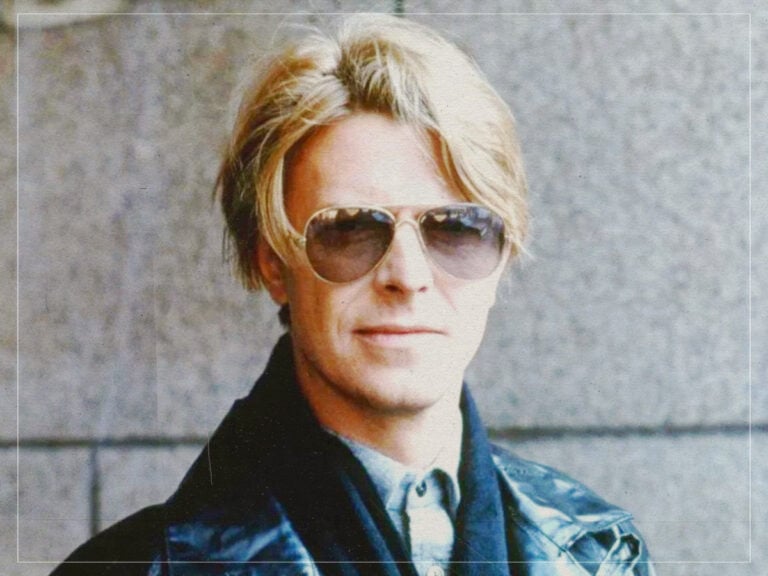
They also weren’t lacking for stars, with Sparks, Roxy Music, The Sensational Alex Harvey Band, The Kinks, Marc Bolan, and even The Damned, among countless others, taking the Supersonic stage, so why did it only last two seasons?

ITV’s regional scheduling didn’t help. With different chunks of the UK under different companies working under the ITV banner, Supersonic’s haphazard broadcasting around the country lacked Top of the Pops’ unified Thursday 19:30 slot and the national command that came with it. Granada had rustled up the infinitely hipper, So It Goes with future Factory founder Tony Wilson, introducing the Sex Pistols and Joy Division to TV audiences, and dwindling ratings saw Supersonic relegated to the Supersonic Saturday Scene morning segment of LWT’s cartoon and kids’ magazine programming block, before being axed for good in April 1977.
Top of the Pops managed to shake off the competition, roping in producer Michael Hurll to transform the show into the all-dancing, all-partying 1980s makeover that swiftly became uncool again once the newly launched Channel 4 sparked The Tube, with the same station broadcasting a one-off Supersonic special in 1983 featuring Elton John, Meat Loaf, and Status Quo as a reminiscence of ITV’s pop contender. They still tried, dropping The Roxy in the late 1980s and CD:UK a decade later, but the Top of the Pops juggernaut just couldn’t be stopped, eventually running out of steam in 2006 after leaving a slew of musical challengers in its trail.
