


Five songs where the backing singers were better than the lead

Being a backing singer is often a rather thankless task, often going uncredited and almost always being forgotten in favour of lead singers. Once in a blue moon, though, comes a track with backing vocals that are so unbelievably compelling that they overshadow whoever is meant to be leading the song.
Some of the most beloved vocalists of the past century began their careers providing backing vocals to much bigger artists, before gradually working their way through the ranks until they had their own gaggle of vocalists to employ. After all, layering a diverse selection of voices underneath a track is an easy way to beef up its sonic impact. Elvis Presley, for instance, would have sounded very different without the fateful service of The Jordanaires backing him up for the vast majority of his career.
In many other cases, backing vocals are akin to Easter eggs. Your average listener, for instance, wouldn’t be able to pick up Sting in the background of Dire Straits’ legendary ‘Money for Nothing’, or that The Rolling Stones’ enigmatic frontman provided impromptu backing for Carly Simon’s appropriately titled ‘You’re So Vain’. These instances could accurately be described as pub quiz question fodder, rather than a deliberate choice by those artists to elevate their sound with the addition of trained vocalists.
Even in the case of this particular list, though, it is worth noting that the backing vocalists who eclipsed their most famous counterparts on these songs often went without proper accreditation for their work. Nevertheless, they have lived on in the minds of music fans as the great – pardon the pun – unsung heroes of some truly beloved classics.
Five songs where the backing singers were better than the lead:
Arcade Fire – ‘Reflektor’ (David Bowie)
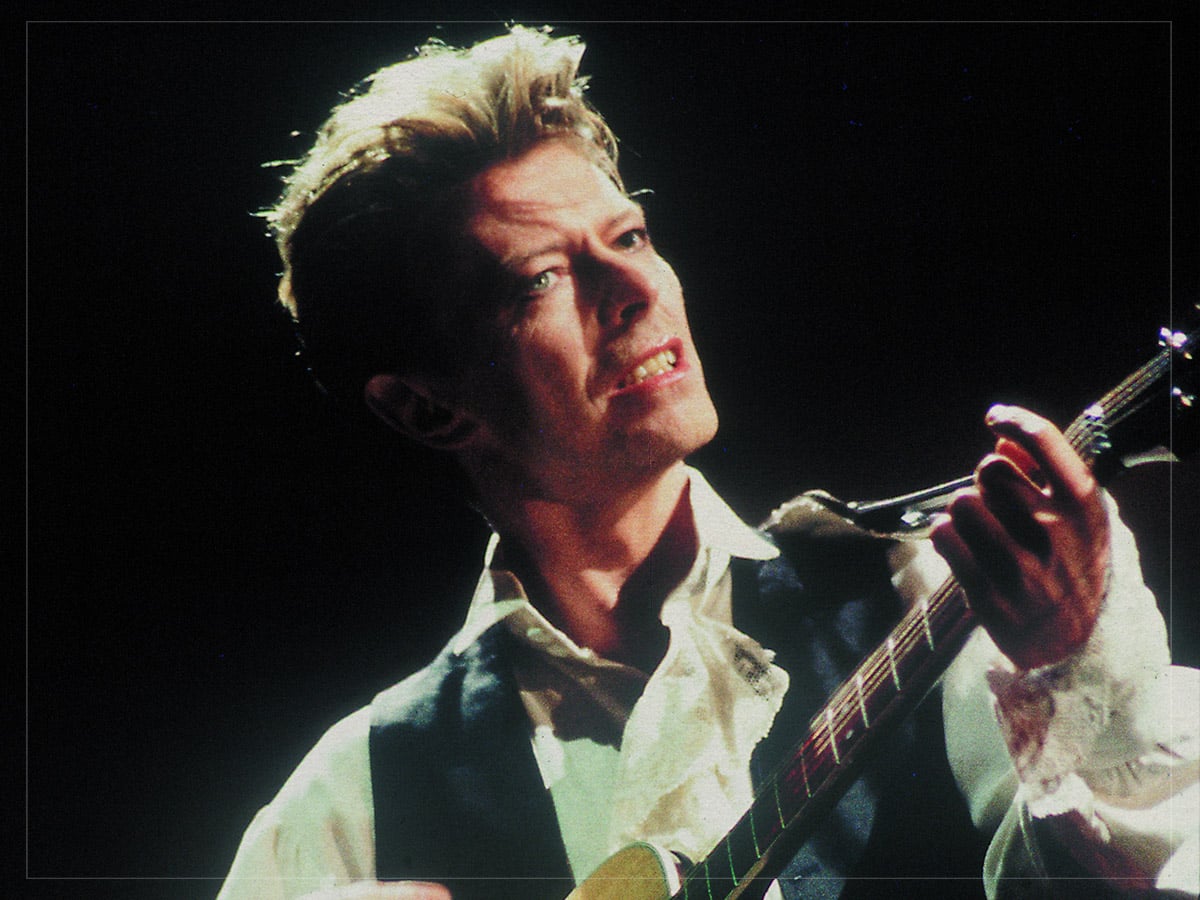
Fitting for an artist who spent his early years playing the character of an extraterrestrial, David Bowie always seems to pop up in the most unexpected of places. Over the course of his time on this mortal coil, he appeared as a backing vocalist for various tracks, most notably on Lou Reed’s Transformer as well as Iggy Pop’s early solo work. Perhaps his most unexpected, though, came in 2013 on Arcade Fire’s ‘Reflektor’.
Reportedly, this unlikely collaboration occurred while the band were in the studio in New York, and were treated to an unplanned visit from the Thin White Duke, who liked the track so much that the group asked him to be on it. Even Win Butler would surely concede that Bowie is, pound for pound, a superior vocalist, and although Bowie’s additions to the song aren’t quite as overt as some other inclusions on this list, he does enough to spark the exclamation, “Is that Davie Bowie?”.
Roxy Music – ‘Avalon’ (Yanick Étienne)

Roxy Music always had an experimental streak to them, even once Brian Eno had left the unpinnable art rock outfit during the 1970s. For their 1982 single ‘Avalon’, they even experimented with Bryan Ferry’s vocals, drafting in the Haitian vocalist Yanick Étienne, who invariably steals the show as far as this particular track goes.
While the early 1980s rendering of Roxy Music is rarely, if ever, cited as one of their greatest eras, and ‘Avalon’ sounds much closer to a Ferry solo effort than anything created during the heyday of the group, Étienne’s vocal contributions give the composition an essential boost. She elevates the song beyond the confines of being a fairly middle-of-the-road pop-rock song, bringing it the kind of undeniable quality that Ferry clearly stood in awe of, given the fact that he recruited her to perform on a multitude of subsequent solo albums.
Eddie Holland – ‘Brenda’ (The Supremes)
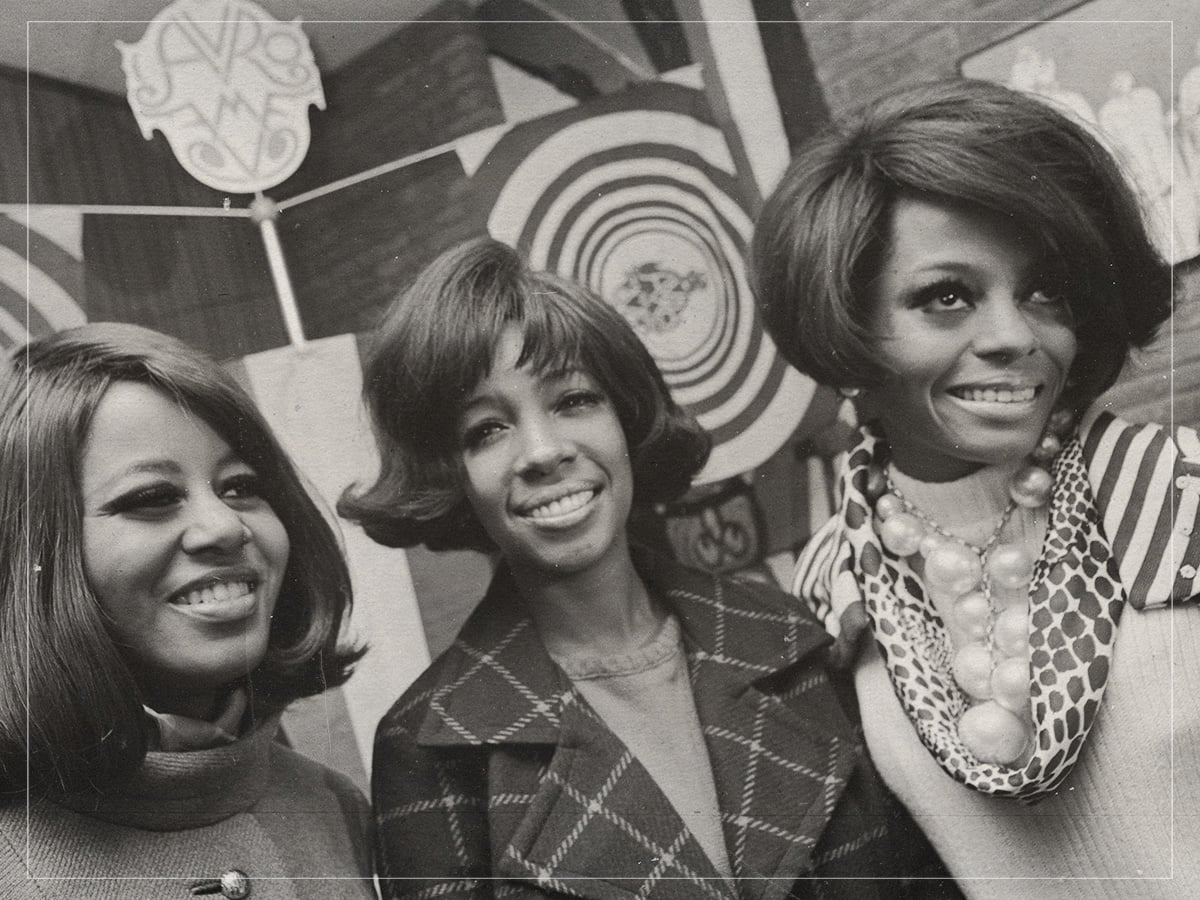
If the background vocals on this 1963 Motown obscurity sound at all familiar, that is because it features the label’s soon-to-be flagship outfit, The Supremes. During their early days at Hitsville USA, Diana Ross’ group struggled to find any success in their own right, so their duties were quickly reduced to providing backing vocals for various other artists, most notably for a string of Marvin Gaye singles.
On ‘Brenda’, though, you get a sense of the incredible untapped potential within the trio, almost as though they are being forced to take things down a notch for fear of overshadowing Eddie Holland. Ironically, of course, when The Supremes finally made it to the big time in their own right, it was Holland, along with Lamont Dozier and Brian Holland, that wrote the majority of their hit records, making ‘Brenda’ the beginning of a soulful full-circle moment.
The Small Faces – ‘Tin Soldier’ (PP Arnold)
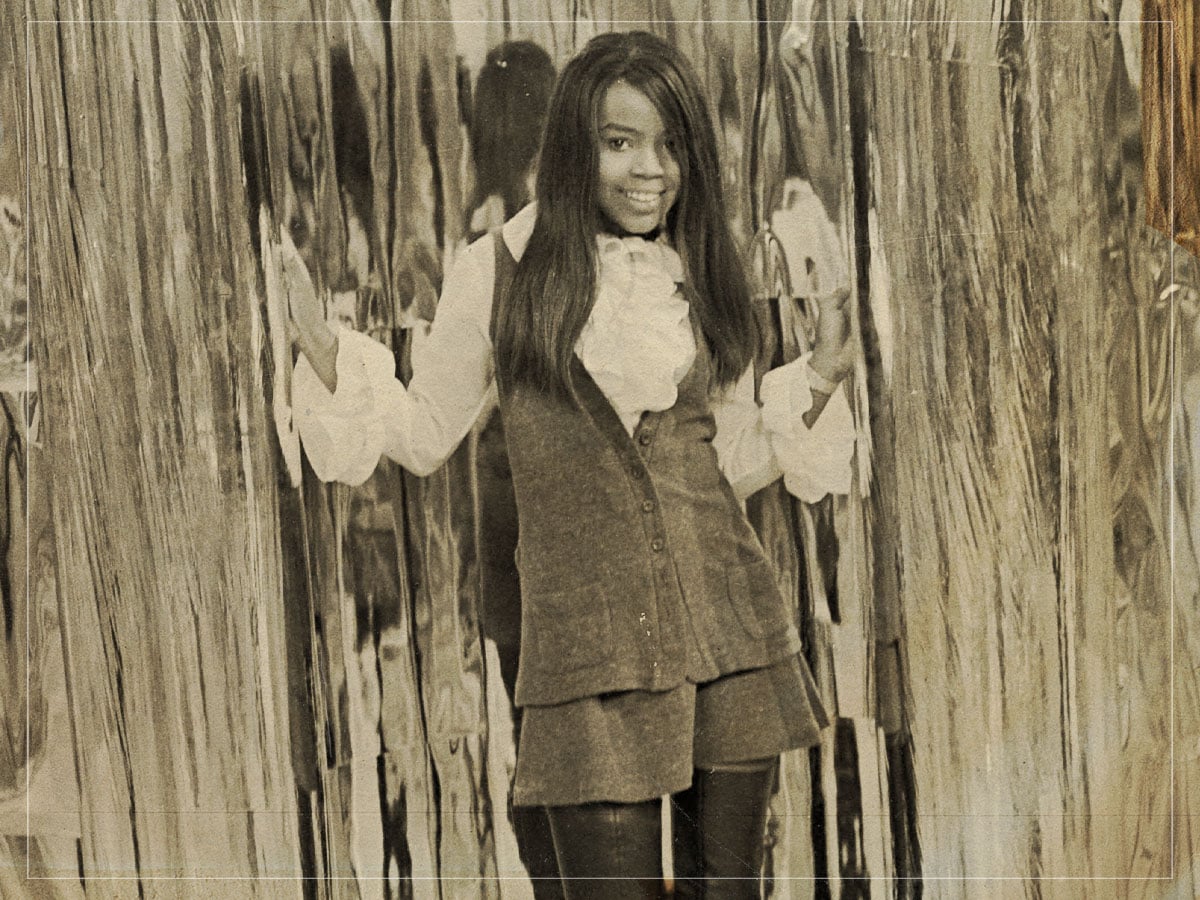
Before a swarm of angry Lambrettas show up outside my house, let me preface this entry by noting that The Small Faces’ 1967 single ‘Tin Soldier’ is one of the greatest songs of all time; a rallying cry of the mod generation and a perfect encapsulation of the youthful vibrancy and rebellion of late 1960s London. However, Steve Marriott himself must surely concede that he isn’t the greatest vocalist in the world, and so PP Arnold’s backing on ‘Tin Soldier’ tends to do a lot of the heavy lifting.
An incredibly experienced backing singer, Arnold began her career as an Ikette for the Ike and Tina Turner Revue, before embarking on a solo career at Immediate Records on the advice of Mick Jagger, whereupon she soon became acquainted with the Small Faces. ‘Tin Soldier’ wasn’t the only Faces track she helped to record, but it stands out as one of her finest moments outside of her own material.
The Rolling Stones – ‘Gimme Shelter’ (Merry Clayton)<br>

You all knew it was coming. Not only is The Rolling Stones’ 1969 single an enduring masterpiece of the hippie age and a notable highlight from the Jagger-Richards partnership, but it is also the quintessential example of a backing singer outshining everybody else. Mick Jagger might be the archetypal rockstar, but even his performance on the song seems to shrink whenever Clayton’s contributions boom over the speakers; her spine-tinglingly powerful performance on the song is the root of all its power.
Even more impressive is the fact that the gospel singer was heavily pregnant when The Stones summoned her to the recording studio. Reportedly, she dragged herself out of bed at around midnight, performed a handful of takes, and went back home without any of the fanfare she so richly deserved. On the original release of the single, she was miscredited as Mary Clayton, and The Rolling Stones didn’t do much to highlight her sheer brilliance until decades later. Still, when ‘Gimme Shelter’ comes on the radio, it is Clayton’s voice that makes your hair stand on end.
