


The five most problematic movie scenes in rom-com history

The romantic comedy genre has long been coveted by devoted fans, dating back to the 1930s when Clark Gable and Claudette Colbert charmed audiences with It Happened One Night, simultaneously introducing cinema to many rom-com tropes which have since refused to die.
From Bringing Up Baby to Annie Hall, When Harry Met Sally, Clueless, and everything in between, the rom-com genre has offered us many classics, yet it often gets a bad reputation. It’s a shame that some people are so against rom-coms (you can probably guess why), because who doesn’t want to get swept up in a timeless love story? Don’t we all just want to feel desired and loved, at the end of the day?
The thing that has unfortunately let the genre down over the years, however, is its tendency to promote some rather questionable behaviour, much of which veers closer to the side of problematic and indefensible than simply ‘a product of its time’. Seriously, how were the rape jokes and lack of consent in Sixteen Candles ever OK? It might have been 1984, but feminism was pretty advanced at this point in time, so there really was no excuse at all.
So, from Hughes’ controversial teen classic to more recent disasters, here are five of the most problematic rom-com moments in cinema history.
The five most problematic scenes in rom-com movies:
‘Sex and the City 2’ (Michael Patrick King, 2010)
Issue: Cultural insensitivity
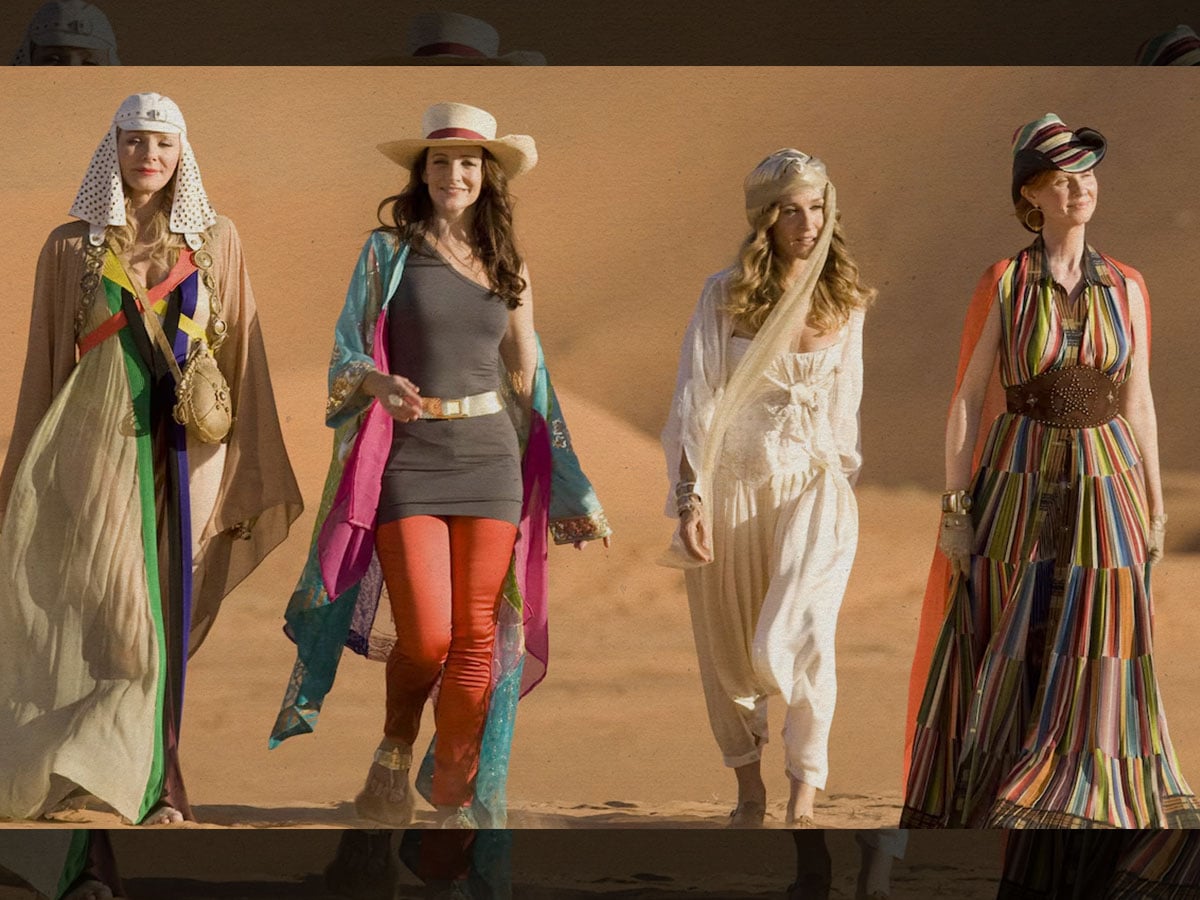
Millions of us adore Sex and the City, which landed on our screens in 1998 and asserted itself as a game-changing TV show, presenting us with four women in their 30s and 40s with mixed aspirations, who explore their sexualities openly and treat each other as their chosen family. Unfortunately, when two movies (and the questionable reboot And Just Like That) were made several years later, the essence of the original six series disappeared completely.
Sex and the City 2 committed the biggest crime, though, and no, it wasn’t Liza Minnelli’s performance of ‘Single Ladies’, but rather, the moment in which Samantha drops condoms in the street in Abu Dhabi, leading to outrage from the men. In a brilliantly Islamophobic move, they’re rescued by a group of women who whip off their niqabs and reveal themselves to be secretly wearing the latest Western fashion trends, which is just so culturally insensitive, it’s plain wrong.
‘Sierra Burgess is a Loser’ (Ian Samuels, 2018)
Issue: Non-consensual kiss
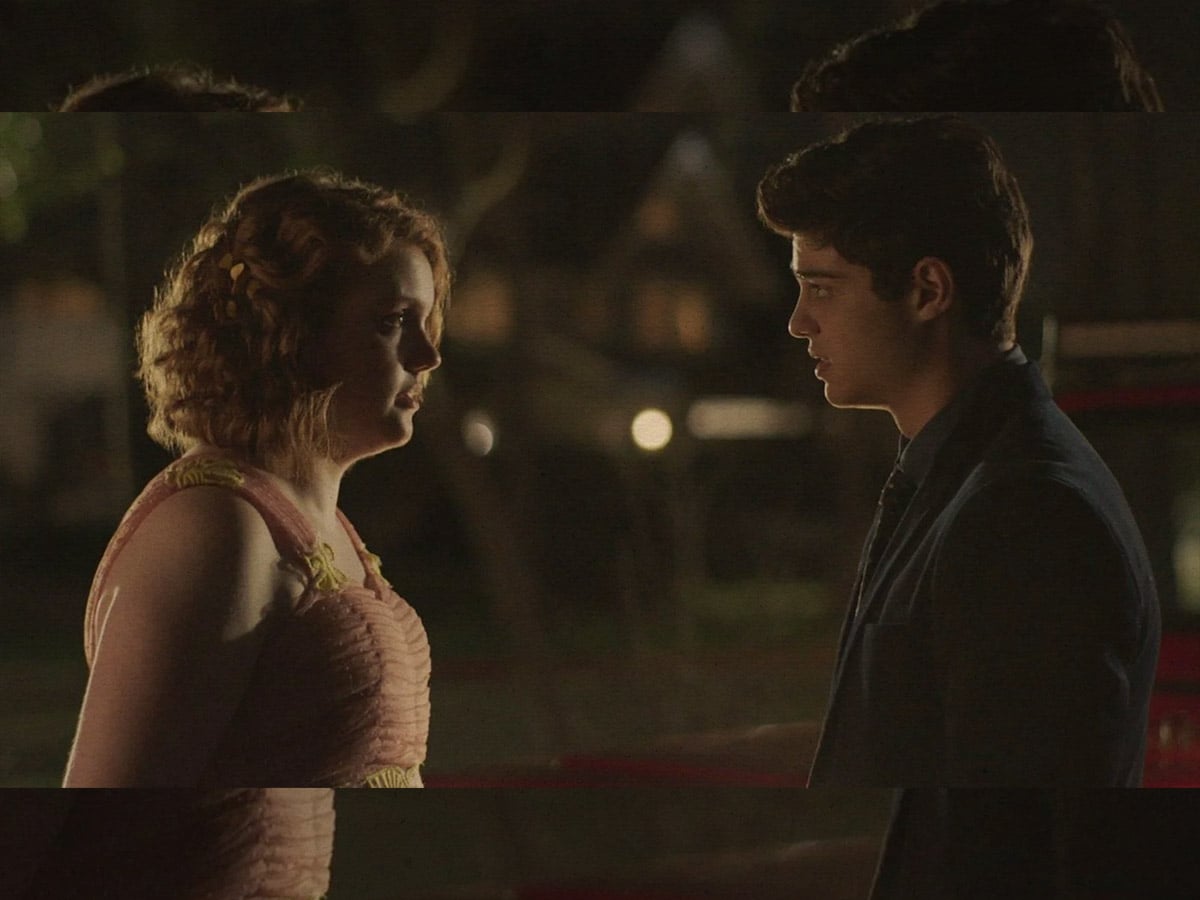
Now, the most recent film on this list is the Netflix teen rom-com Sierra Burgess is a Loser, featuring Barb from Stranger Things, also known as Shannon Purser, playing the undesirable and unpopular high schooler Sierra, whose character takes desperate measures to attract a partner, but nothing she does is remotely acceptable, and all the while the film seems to make light of her actions.
The film was inspired by the classic story of Cyrano de Bergerac, but it’s an insult to compare the two, because the Netflix movie is just an offensive pile of rubbish. The worst scene, however, is when, after a whole catfishing situation, she has her friend show up on a date with her crush, only for the pair to switch when he closes his eyes to kiss her. That’s not OK, but the film seems to think it’s just one of those silly things teenagers do; Sierra Burgess is not only a loser, but a proper weirdo, too.
‘Shallow Hal’ (the Farrelly brothers, 2001)
Issue: The fat suit
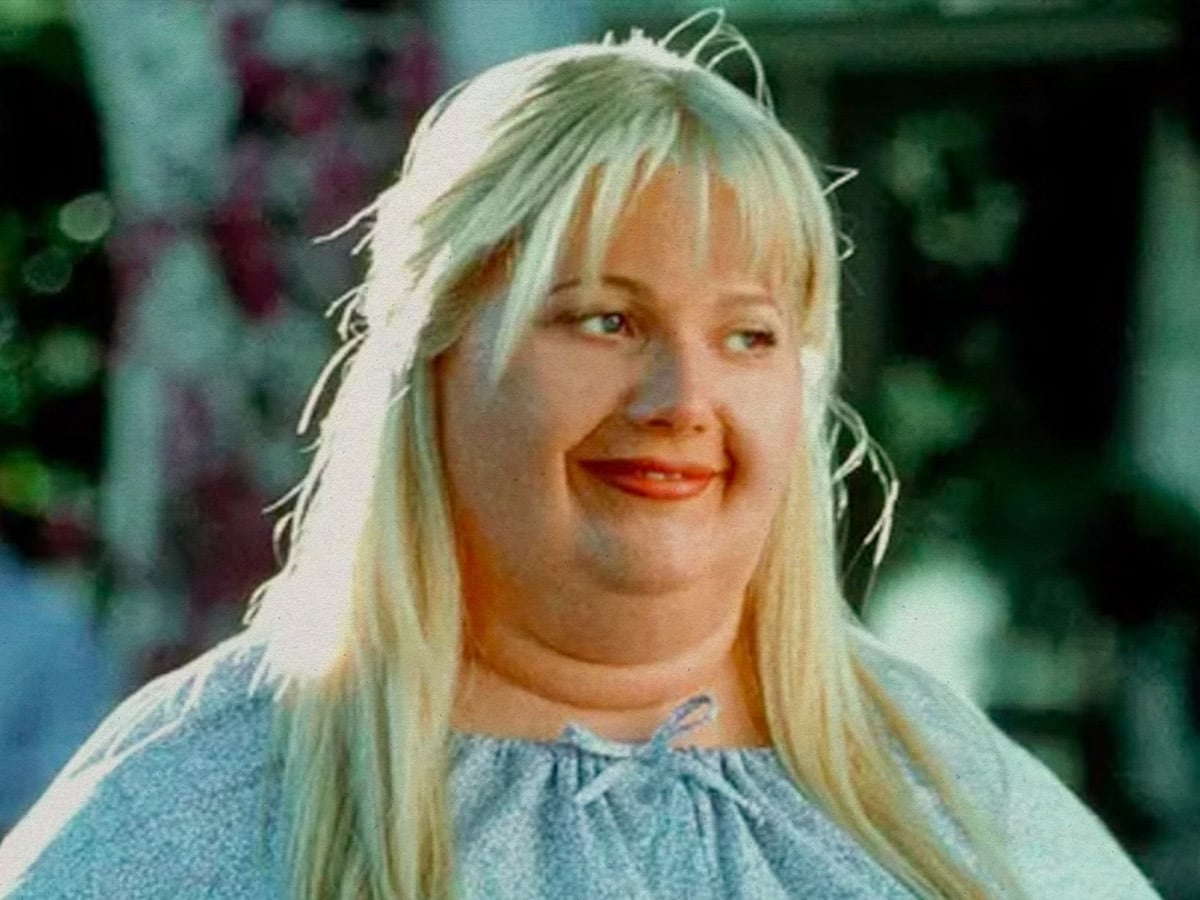
The comedy genre has long made jokes about those who are of a certain weight, and we all know this to be true. While there are many actors who have made careers out of playing the ‘fat friend’ archetype, what happens when you want a thin actor to play a larger character? In the case of Shallow Hal, there’s no redeeming the very concept of the movie, which sees Gwyneth Paltrow wear a fat suit as well as appear as her normal, thinner self.
The plot revolves around Jack Black’s Hal, who falls in love with a 300-pound woman after being hypnotised into only seeing people for the beauty inside, not their outer appearances. The whole butt of the joke that a fat woman can be desired is crazy, but at least it ends with Hal realising that maybe there’s actually nothing wrong with that at all.
‘Sixteen Candles’ (John Hughes, 1984)
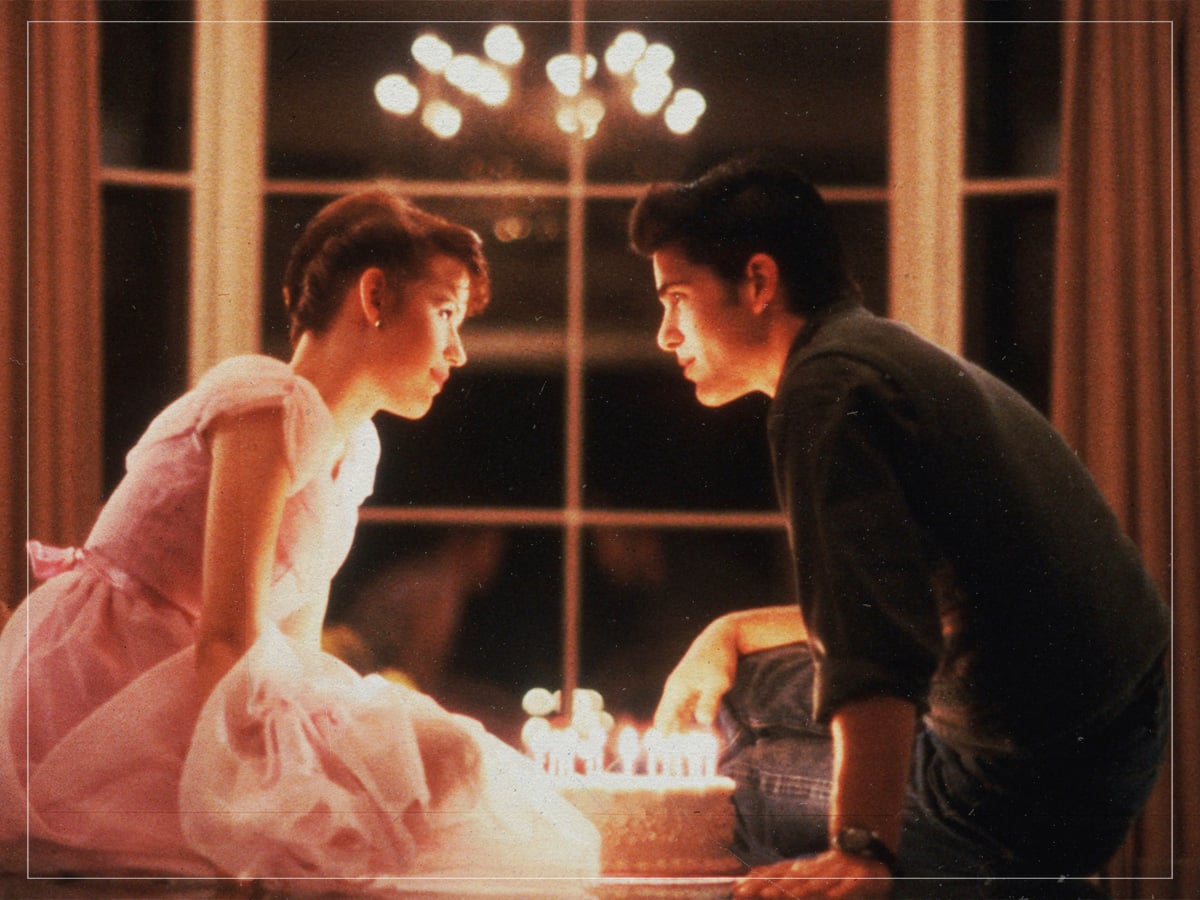
Issue: Lack of consent
There are many problematic moments in the world of John Hughes, but Sixteen Candles comprises the worst, what with the racist depiction of Long Duk Dong, to begin with. Somehow even worse, however, is the depiction of consent, or a lack thereof. Sam’s love interest, Jake, has a girlfriend for much of the movie, and when she gets really drunk, he genuinely says the line, “I’ve got Caroline in the bedroom right now, passed out cold. I could violate her ten different ways if I wanted to”.
And yet, somehow it gets worse. Once Jake discovers that Ted has a pair of Sam’s underwear (she only gave them to him so that he’d leave her alone), he takes them and ‘gives’ his unconscious girlfriend to Ted to do whatever he likes with. It’s disgusting, and there’s no level of defence you can throw against such a terrible, misogynistic plotline.
‘Never Been Kissed’ (Raja Gosnell, 1999)
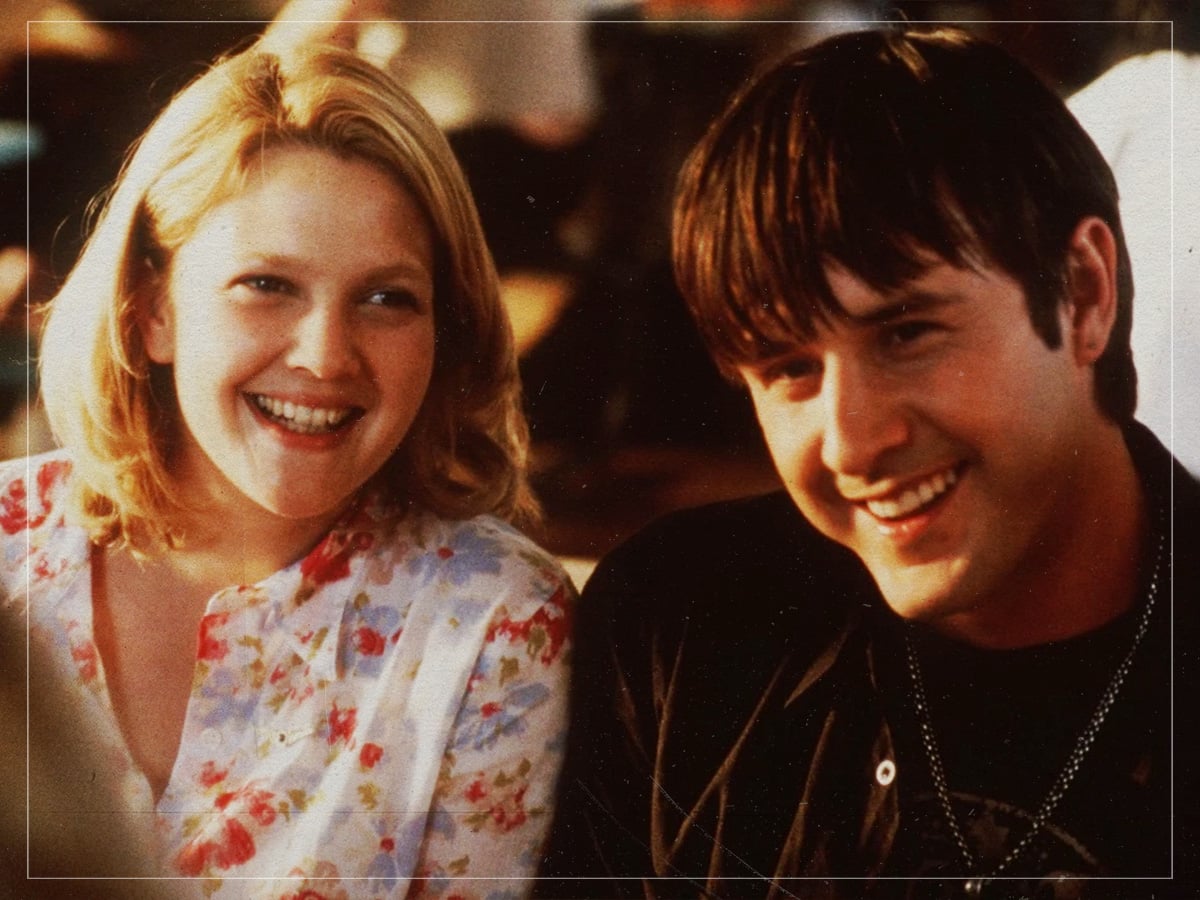
Issue: Age reveal
There’s a lot wrong with Never Been Kissed; for one, Drew Barrymore starred as Josie in this supposedly charming rom-com back in 1999, playing a 25-year-old journalist who goes undercover as a student at a local high school. She was never popular when she was young, nor has she ever gotten very far with a man (as you can probably guess by the title), but during her investigation into the lives of teenagers, she falls for her teacher, and he likes her back.
Yet, when he eventually finds out that she isn’t 17 but actually in her mid-20s, Sam is not happy at all, and Josie thinks she’s blown it, but honestly, it’s Sam’s reaction to the fact which is beyond bizarre, and you wonder how he can possibly be allowed to teach minors. Of course, we’re meant to forget all of this creepiness when a great declaration of love ends with the pair kissing in front of the school on the football pitch, but it has definitely aged like milk.
