


We need more weird, dark teen movies

There was a time when teen-oriented movies were pushing boundaries with their campy tones and dark subject matter, a time that feels long of the past.
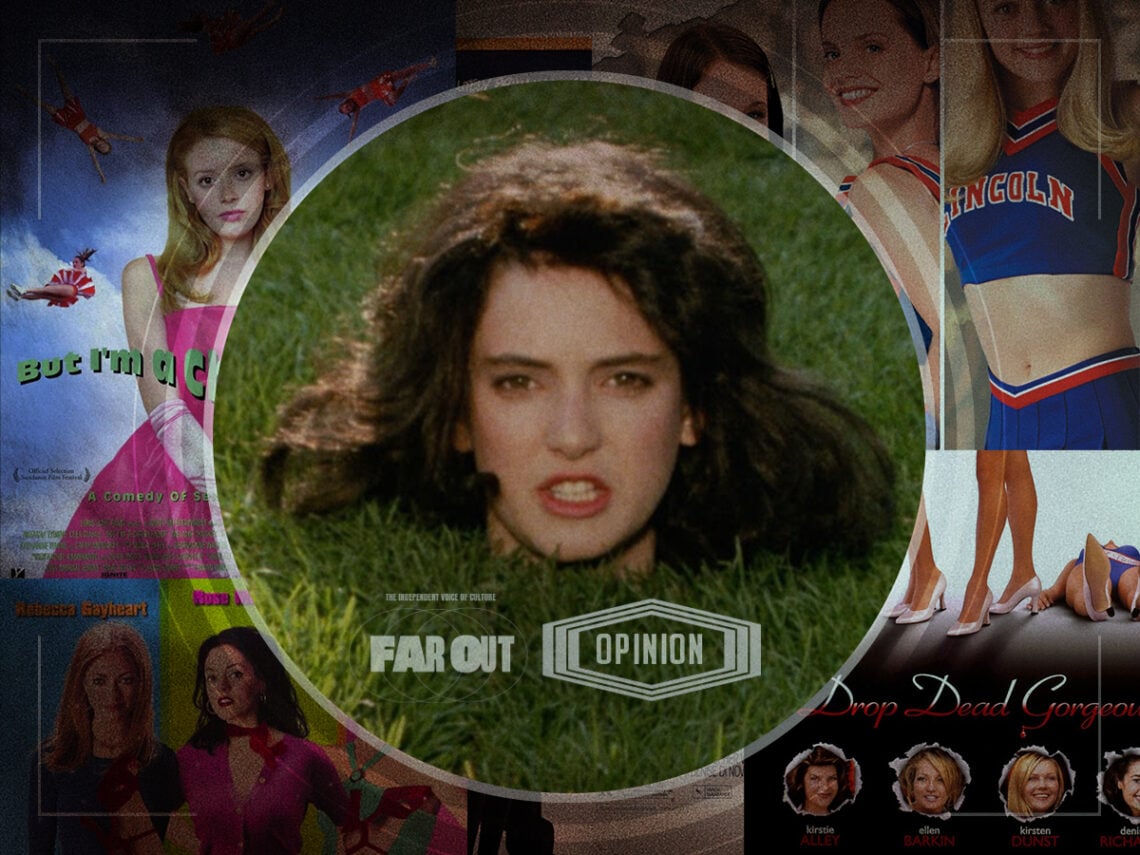
The first one I remember loving was Heathers, with its comic depravity ramping up the intensity as the film went on. Christian Slater’s JD emerged as a loveable bad boy before becoming utterly unredeemable, while Winona Ryder was delightful as Veronica, her plans of taking down the popular clique going a step too far as students die and a bomb eventually gets thrown into the mix.
Using satire to comment on high school hierarchy, the film sees suicide, murder, and homosexuality joked about in a way that works so well for a deliciously macabre, self-aware, stylish, and hilarious offering. What do teens have nowadays that compares?
The 1990s and 2000s saw various great teen movies emerge in the wake of Heathers that were similarly tongue-in-cheek, like if John Hughes and John Waters procreated. While things went to the extreme with Gregg Araki’s Nowhere, a surreal odyssey into American adolescence with a sci-fi edge, an array of titles that balanced commercialism with a tinge of black humour and camp also emerged, like Jawbreaker, But I’m A Cheerleader, Drop Dead Gorgeous, and Sugar and Spice. And don’t forget the ones that haven’t aged as well, but were fun and bizarrely boundary-pushing nonetheless, like Pumpkin and Saved!.
This trend of late ‘90s and early 2000s campy teen movies came at a time when rom-coms, both those aimed at teens and adults, were having their moment, with big hitters like Clueless, 10 Things I Hate About You, Notting Hill, Bridget Jones’s Diary, and Mean Girls all demonstrating a widespread fascination with the romantic and teen genres, and paired with a landscape of increased interest in indie and lower-budget filmmaking during the decade, meant more subversive teen movies were able to emerge.
These aforementioned films all had campy elements, but when this was taken a step further by filmmakers either working on an indie budget or trying to make a movie that fit the indie bill, even if it wasn’t necessarily distributed by an indie studio, like Drop Dead Gorgeous, so what emerged were some gloriously odd entries to the teen movie canon. I mean, in Sugar and Spice, high school cheerleaders commit a masked robbery, Jawbreaker sees some popular girls accidentally kill their friend, Drop Dead Gorgeous takes a hilariously dark look at pageants, and But I’m A Cheerleader follows a teenage lesbian’s journey through conversion camp.
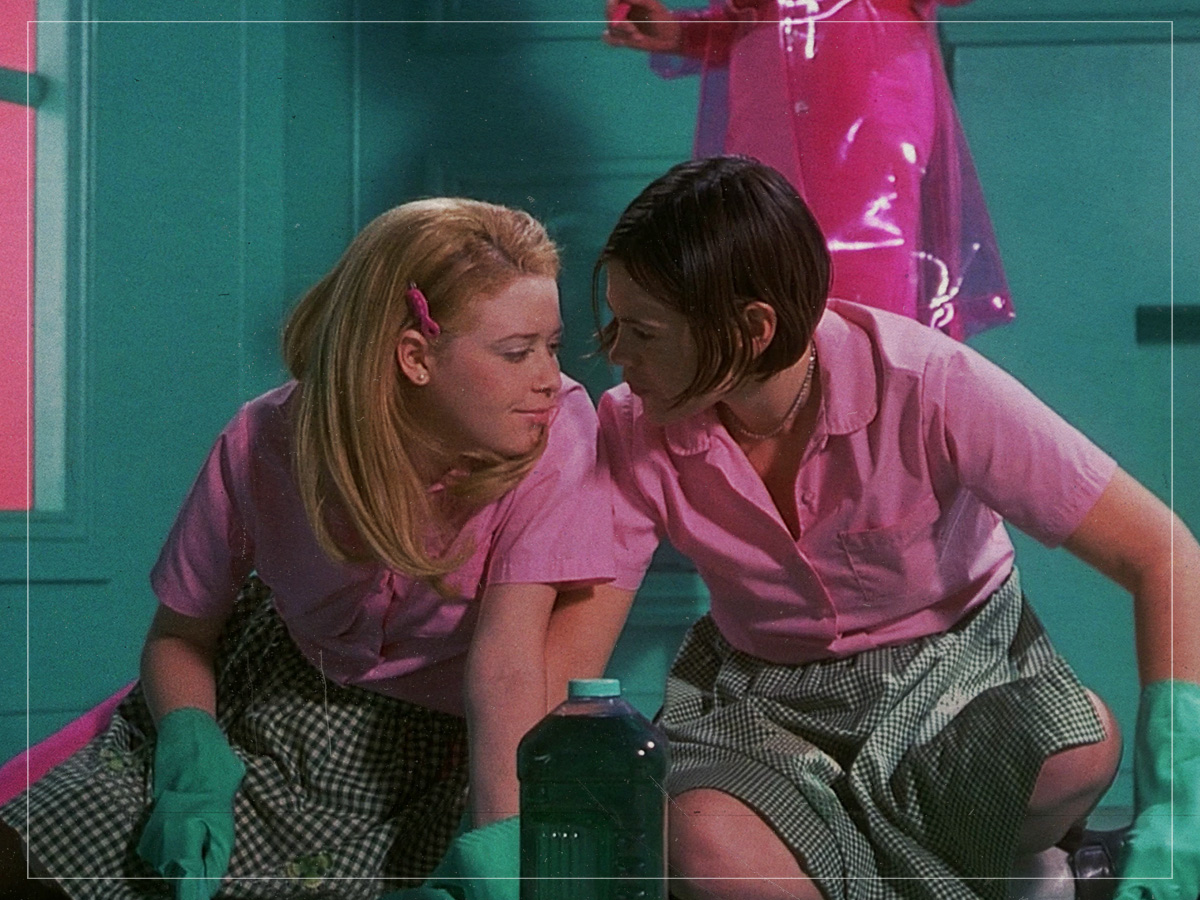
By tackling topics that, on paper, aren’t remotely palatable for a young audience, these films took a subversive approach to the darkest parts of adolescence, winking at the viewer and satirising the things that make teens so miserable: Beauty standards, forced notions of popularity, sexuality, and teen pregnancy collide, highlighting genuinely poignant issues while also seeing how far comedy can go in these situations.
Compare these movies to more recent teen flicks, like Netflix’s The Kissing Booth, To All The Boys I’ve Loved Before, The Fault in Our Stars, Love, Simon, Midnight Sun, The Duff, Everything Everything, and none have any bite to them, there’s no campy self-aware jokes or dark humour, and the even more acclaimed teen-oriented movies of the past decade, like Lady Bird or Booksmart, are absent of this specific brand of dark strangeness, which seems to have totally vanished.
But it might be the missing key to preserving teen culture on screen in a way that feels authentic and relatable, even if bank robberies and accidental murders aren’t exactly the typical teen experience. There’s just something about these films that feels much more convincing than something as polished and Netflix-i-fied as The Kissing Booth, which is just a dire, borderline offensive excuse for a teen film.
Young girls have come to identify with characters like Megan in But I’m A Cheerleader or found a strange sense of visibility in the likes of Heathers‘ Veronica Sawyer or maybe even Jawbreaker’s outcast Fern Mayo. The dark and strange atmosphere that pervades these films really communicates the innately unusual experience of being a teen, especially a teenage girl, taking it to the extreme and allowing us to bask in the ultimate drama of being an adolescent, something which Araki’s Nowhere achieves perfectly.
Heavy themes are emphasised by surrealism and satire, which is much more interesting than watching two brothers fight over a high-schooler while she gets herself into a plethora of toe-curlingly embarrassing situations. When you’re a teen, what you watch can completely shape your personality, your interests, and your worldview, and I think the teens of today could certainly benefit more from movies like Heathers rather than Tall Girl.
