


Exploring the five most mainstream selections from Kurt Cobain’s favourite albums list

“We had grown up admiring punk bands and thinking all those groups on the pop charts were embarrassing, and suddenly we were one of them,” Kurt Cobain revealed in 1993, “So we thought we’d better screw this up, and we tried for a while.”
Cobain and Nirvana weren’t unique among ‘90s alternative acts when it came to feeling shame about mainstream success or having an urge to sabotage themselves. At least in comparison to most of the other bands of the supposed Seattle grunge scene, though, Cobain’s personal sacred cows and songwriting influences were truly from the fringes of the fringe, a credit to his crate-digging and zine-reading proclivities.
Sure, Eddie Vedder liked Fugazi, and Chris Cornell dug the Wipers, but the dominant DNA of Pearl Jam and Soundgarden was always coming from the classic rock arena: The Who, Black Sabbath, Led Zeppelin, and the ilk. Cobain, by comparison, didn’t just want his music to have the noise and power of the best underground punk records; he wanted it to be subversive in a decidedly less agro and masculine sort of way. This is part of what made the massive popularity of Nevermind among dude-bros such a frustrating turn of events for him, as he was a not-so-secret indie-pop kid all along, and he saw vulnerability, rather than muscular posturing, as the most essential ingredient for truly pushing the envelope.
“I was more of a feminine person when I was young, I just didn’t know it,” Cobain told Melody Maker in 1992, “Then, when my hormones started swinging around, and I started getting facial hair, I had to let off my male steam somewhere, so, l started smoking pot and listening to Black Sabbath and Black Flag. It took the Pixies to put me back on the right track and off the whole macho punk rock trip.”

At some point between 1992 and 1993, Cobain famously jotted down a list in his journal of his 50 favourite albums. That list, which he likely made in one afternoon just to amuse himself, has turned into a Rosetta stone of indie rock for countless Nirvana fans since it started circling around the internet a couple of decades ago. Yes, the Pixies are on it (Surfer Rosa), along with the aforementioned Black Flag (My War and Damaged) and ‘90s alt-rock contemporaries like The Breeders (Pod), PJ Harvey (Dry), Mudhoney (Superfuzz Bigmuff), and Sonic Youth (Daydream Nation). The most instantly noticeable and impressive thing about Kurt’s selections, though, is the sheer abundance of the properly obscure, the bands that came from the basements beneath the underground.
Some choices, like lo-fi cassette king Daniel Johnston and the Scottish indie-pop band The Vaselines, had already been canonised through Kurt wearing their t-shirts, covering their songs, and in the case of the latter, naming his own daughter after the band’s singer, Frances McKee. But these cult heroes were really just the tip of the offbeat iceberg, as the list also has sent thousands of people scurrying for info on bands like The Frogs, Scratch Acid, Kleenex, Fang, Marine Girls, Rites of Spring, and Saccharine Trust, among plenty of others rarely if ever mentioned in the pages of the standard music rags.
As a result, the true oddballs on the Cobain top 50 aren’t the one-off ‘80s hardcore bands that nobody ever heard of, but the more mainstream, established, big-name rock ‘n’ roll acts that he still deemed cool enough for inclusion in his desert island record crate.

With this in mind, here’s a closer look at those exceptions to the rule.
Five mainstream picks from Kurt Cobain’s 50 favourite albums:
The Knack – ‘Get the Knack’ (1979)

It’s all right there in one of Kurt Cobain’s most famous descriptions of Nirvana’s sound: “All in all, we sound like The Knack and the Bay City Rollers being molested by Black Flag and Black Sabbath”. Back in the day, that didn’t exactly sound flattering to the music of The Knack or Bay City Rollers, but Cobain name-checked them as key components for a reason.
Never content to merely thrash about and scream without a decent melody lurking underneath, Kurt appreciated a good lick and a good pop song, and as a kid who was a bit too young for the original punk explosion, some of the New Wave bands of the early ‘80s caught his fancy and stuck in his mind as future influences. While LA power-popsters The Knack are mainly remembered today as the one-hit wonders behind ‘My Sharona’, they were a phenomenon for more than a minute or two at the dawn of the ‘80s. Even so, they do stick out like a bit of a sore thumb on Kurt’s all-time list, sandwiched between Sonic Youth and The Saints.
The Beatles – ‘Meet the Beatles’ (1964)
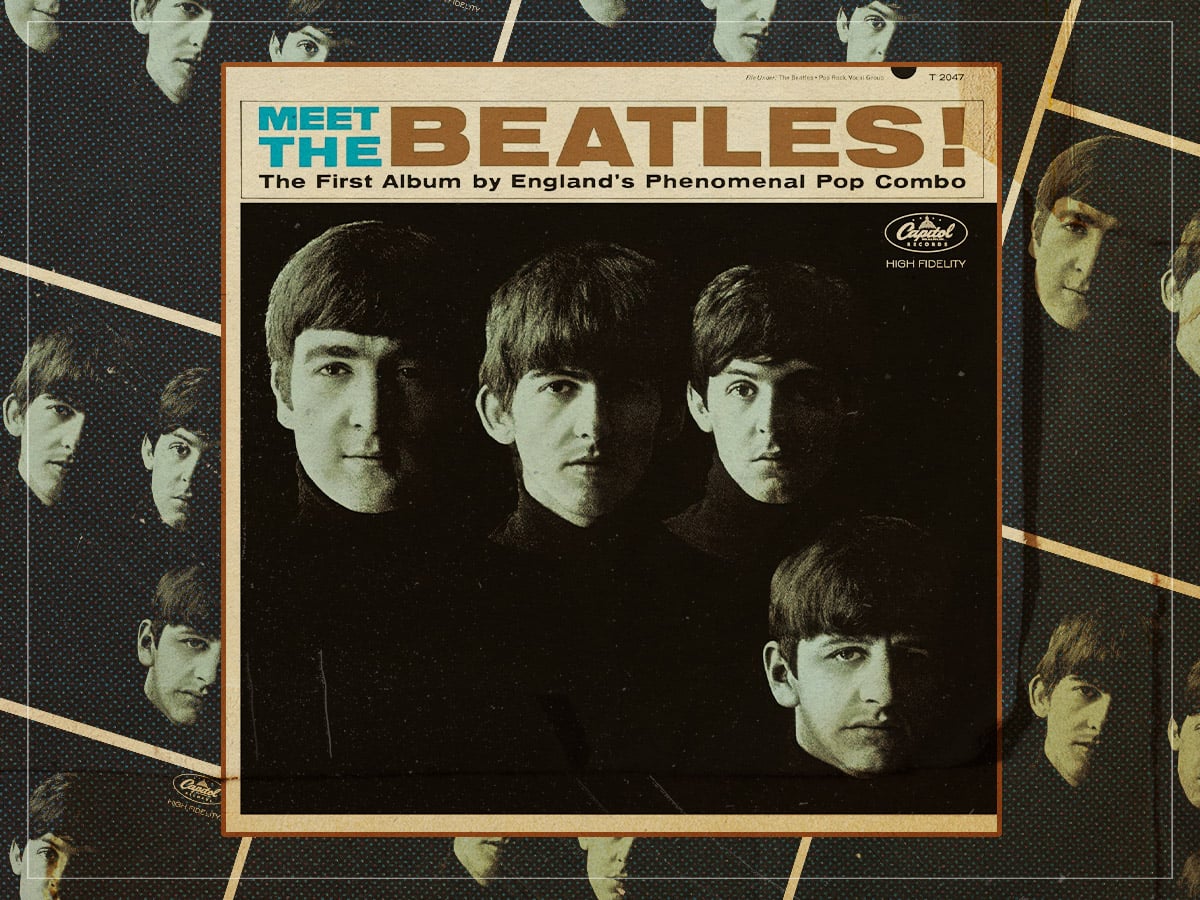
Interestingly, when Cobain does decide to toss a mainstream band onto his list, he makes no effort to pick their ‘coolest’ or most critically well-regarded album. Then again, one could make the argument that Meet the Beatles is sort of the punkiest Fab Four record, released before they’d conquered America or given up touring for studio experimentations. Kurt was never one for intricate production, but he did have a deep, lifelong appreciation for The Beatles.
“When I was a little kid, I had a guitar, and I’d run around the house with it and sing Beatles songs,” he recalled, as quoted in Gina Arnold’s 1993 book, Route 666: On the Road to Nirvana, “I’d have concerts for my family when they came over, on Christmas, and I’d play my guitar and play Beatles songs.”
David Bowie – ‘The Man Who Sold the World’ (1970)

Nirvana covered the title track from this early Bowie album for their MTV Unplugged in New York performance, of course, but Kurt apparently appreciated the whole album above the Thin White Duke’s other, more revered ‘70s output.
Because Bowie’s breakout hit ‘Space Oddity’ was released on his prior, self-titled record, it’s easy to assume that The Man Who Sold the World had a ton of attention upon its release a year later, but in fact, it came and went virtually unnoticed. Bowie’s emergence into superstardom was a slow burn, and even ‘Space Oddity’ didn’t actually reach number one in the UK until six years after its first release. So while fans did start to revisit earlier Bowie records in the wake of Ziggy Stardust, The Man Who Sold the World still remained a bit of a hidden gem, explaining why Cobain felt the need to inform his Unplugged audience that Nirvana had, indeed, just played a David Bowie song.
Aerosmith – ‘Rocks’ (1976)

As Jack Black’s character asks in High Fidelity, “Is it, in fact, unfair to criticise a formerly great artist for his latter-day sins?” He was talking about Stevie Wonder, but it could just as easily have been Aerosmith. Kurt Cobain, to his credit, was clearly willing to forgive or forget about the latter-day Aerosmith he was competing against in the 1990s, the arena pop act behind songs like ‘Cryin’ and ‘Amazing’, and instead, paid kudos to the band of his youth, an objectively kick-ass rock ‘n’ roll outfit.
Rocks was the band’s fourth LP, and was described by guitarist Joe Perry in his autobiography as a direct attempt “to re-identify us as America’s ultimate garage band, with blistering guitars, blistering vocals, balls-to-the-wall smash-your-eardrums production”. It’s not the most mainstream Aerosmith record by any means, but it did include hits like ‘Back in the Saddle’ and began moving the group toward their eventual position as classic rock radio staples.
REM – ‘Green’ (1988)
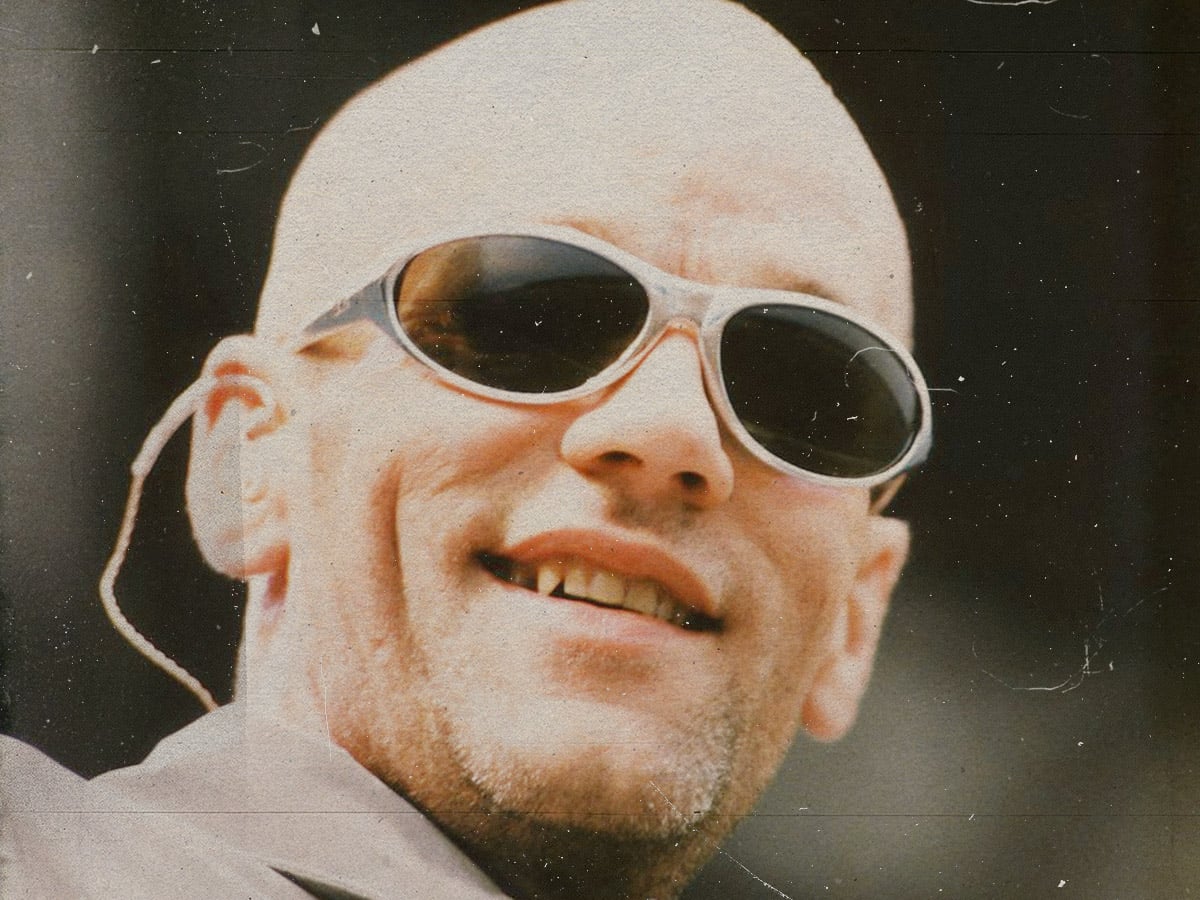
The final choice came down to this one and The Clash’s Combat Rock, another surprising Cobain favourite. The latter was the Clash’s biggest commercial success, reaching the top ten in the UK and US and scoring a big MTV hit with ‘Rock the Casbah’. Green wasn’t quite such the same cash cow for REM, but it’s also probably a much bigger record than you’d think, as it’s a double-platinum seller in America, thanks to a lot of people going back and buying the album after the later mega success of its followup Out of Time.
Considering Cobain’s obsession with hardscrabble indie-ness and his affection for REM in general, this might just be the most surprising pick on his entire list. Green is a nice record, but it was REM’s major label debut, and its biggest single, the silly pop song ‘Stand’, irritated as many people as it amused. Kurt had several better options sitting right there for him from REM’s more compelling early years: Murmur, Reckoning, and Fables of Reconstruction. But maybe Green provided a useful test case for how to stay true to yourself as a band after jumping to a big label, as Nirvana did, to some degree, with Nevermind.
“I’m honoured when people come up to me and say they’ve been inspired by us,” REM frontman Michael Stipe told the Philadelphia Inquirer in 1995, “That’s what happened with Kurt. But it’s a two-way thing: we’ve been inspired by them.”
