


The five best directors of the 1970s you’ve never heard of

The 1970s was a monumental time for cinema. Not only was the New Hollywood era in full force, resulting in the dawn of blockbusters like Star Wars and Jaws, but indie cinema was thriving more than ever with art films from the likes of David Lynch and John Waters emerging to acclaim (and controversy).
With the market becoming increasingly saturated by new filmmakers, many movies were released during the decade that were simply glossed over or failed to endure in the years that followed, and not because of a lack of merit. That’s just the way the industry works sometimes, especially for female filmmakers, who often struggle to gain the same levels of attention as their male counterparts.
As certain genres continued to develop during the 1970s, including horror and animation, paired with an increased interest in everything from feminism to anti-war activism, new ideas emerged on screen from the minds of radical and dedicated artists.
So, from the haunting work of Jane Arden to the boundary-pushing works of Joël Séria, here are five directors from the 1970s that you might not have heard of, but should definitely have on your radar.
The five best 1970s directors you’ve never heard of:
Joël Séria
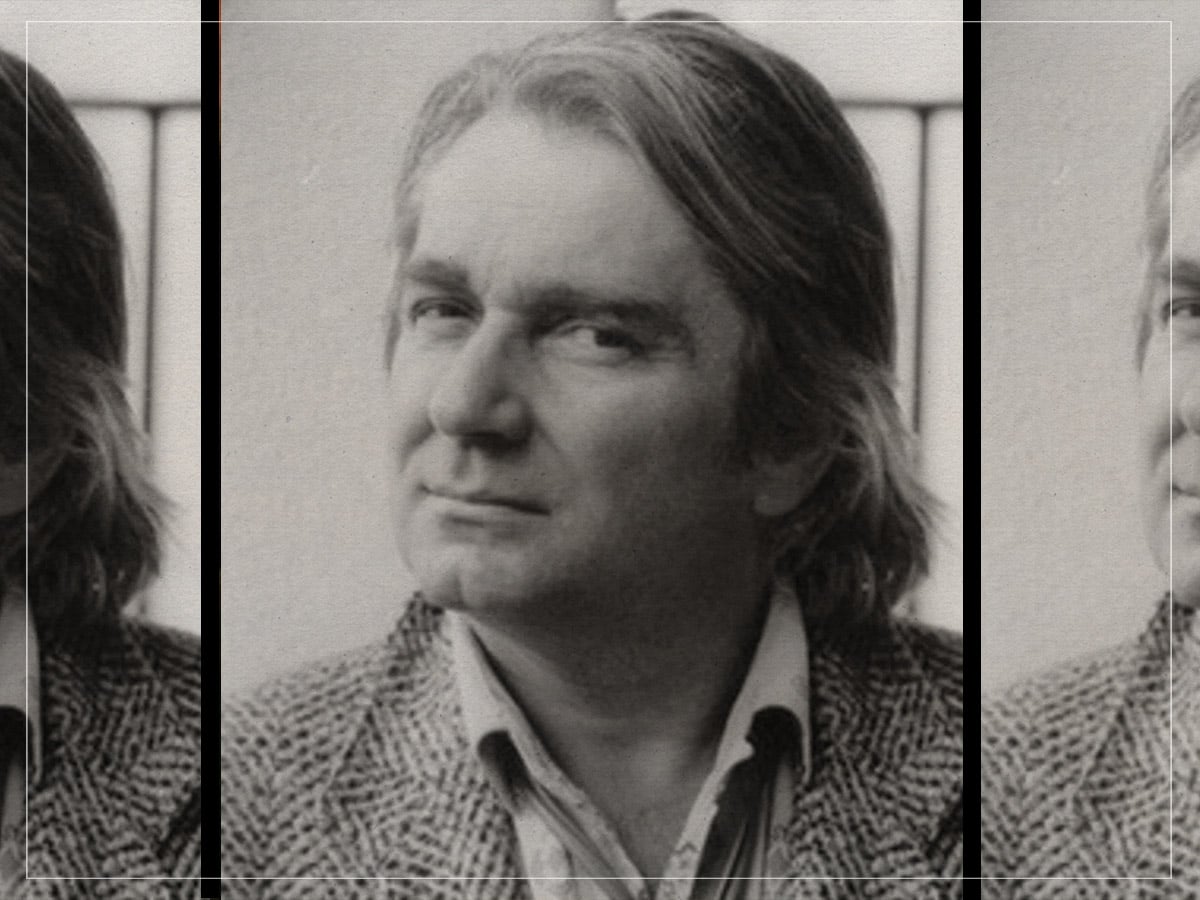
Making his directorial debut with Don’t Deliver Us From Evil in 1971, Joël Séria soon established himself as a controversial talent. Not only did the movie fail to receive a theatrical release in the United States, but France banned the movie altogether, even though it was French. The exploitation horror sees two teenagers stray into the grasp of Satan, and its anti-religious themes certainly offended many.
Still, Séria continued to make some polarising films in the years to come, such as Marie, the Doll, which explores gender roles and an unusual, exploitative relationship between an orphaned 17-year-old and a doll collector, who sees her as his latest addition. Séria’s ideas were daring and ambitious, but the controversy that surrounded them ultimately allowed his work to fade into obscurity.
Diane Kurys
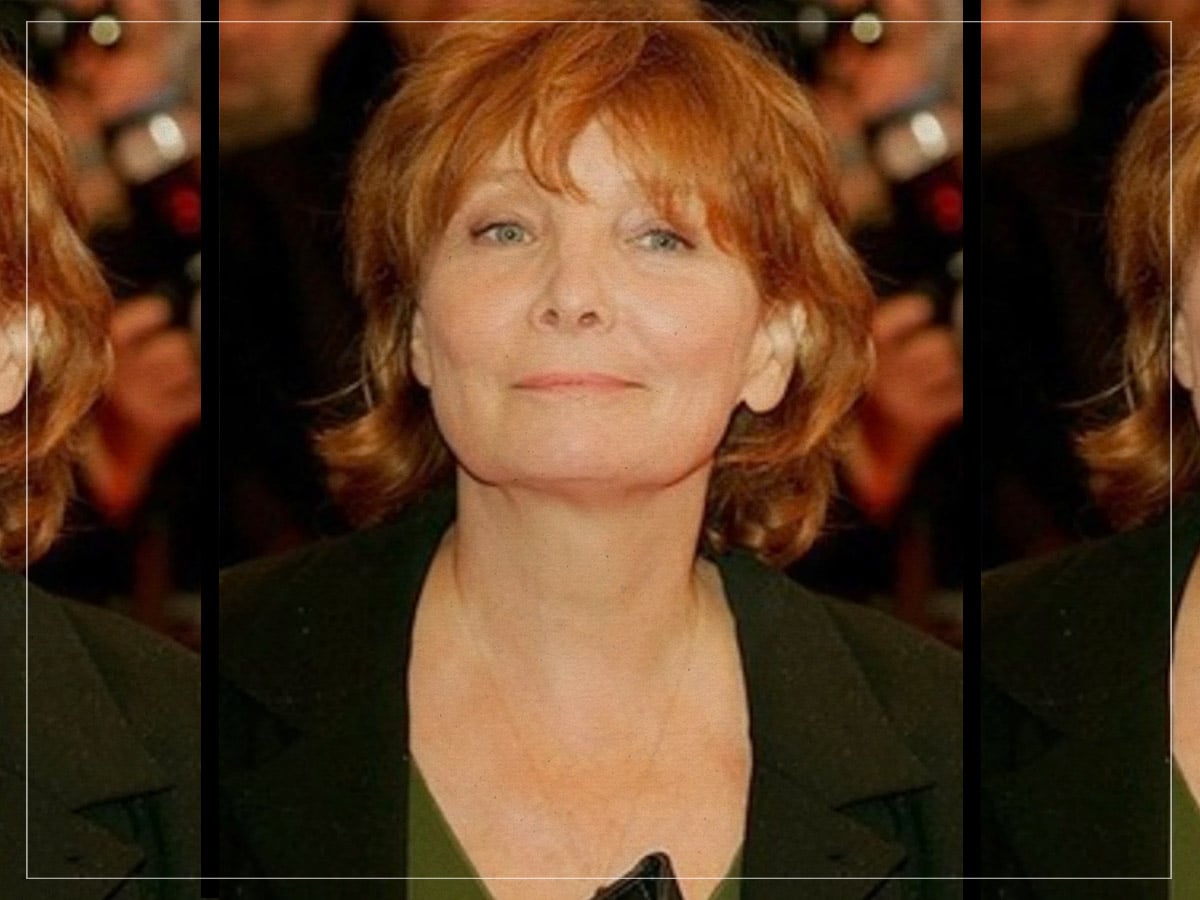
Almost a decade after the events of the student riots and protests in France at the end of the 1960s, Diane Kurys, who had been involved in this era of political change, made her directorial debut with Peppermint Soda. Released in 1977, the film explores the lives of two teenage sisters in the ‘60s, with Kurys heavily borrowing from her own experiences growing up in a decade that was prone to sudden change.
Kurys was one of few female filmmakers working in France during the 1970s, and Peppermint Soda made for a welcome entry to the otherwise male-dominated coming-of-age genre. She went on to make some other movies, like Cocktail Molotov and the Academy Award-nominated Entre Nous, but Peppermint Soda is where it all started for the underrated director.
Suzan Pitt
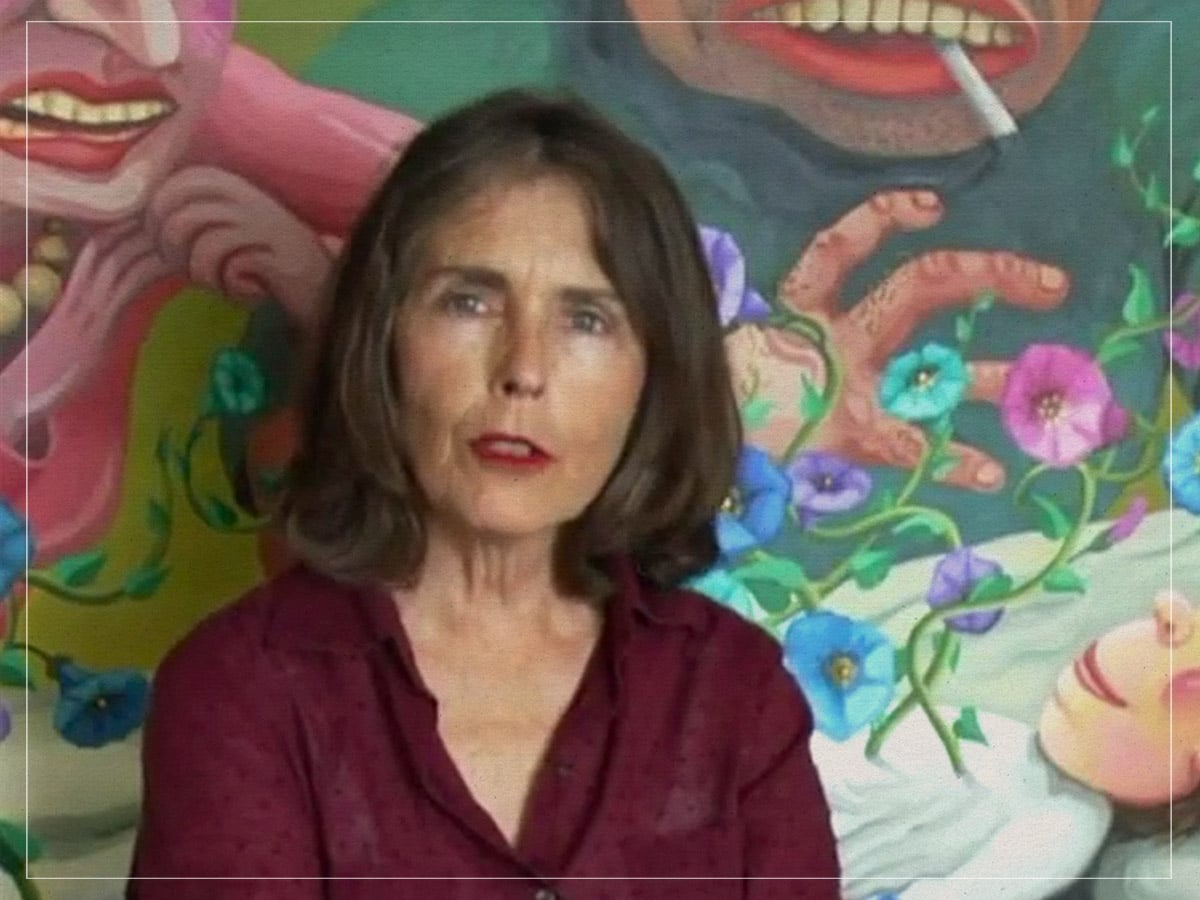
Animation is a great medium for surrealism, which is something Suzan Pitt utilised to her full potential in the 1970s, using paper cut-outs to create short films that explored femininity and sexuality. Her 1971 film Crocus is a fascinating watch, with a charming stiffness to the hand-drawn characters eliciting an awkward yet realistic quality. We see a naked couple beginning an intimate moment before they get interrupted by the cries of their child. Comical and uncanny, the film is undercut with commentary on motherhood and the difficulties of feeling trapped between various identities as a woman.
Her most successful work was Asparagus, however, which was shown alongside David Lynch’s Eraserhead for several years. The 18-minute-long film is a visual delight, complete with brightly-coloured drawings that delve into the human psyche, especially the female identity. Pitt continued to make films sporadically throughout the coming years, while also teaching as a professor, but her experimental animations deserve more attention.
José Ramón Larraz
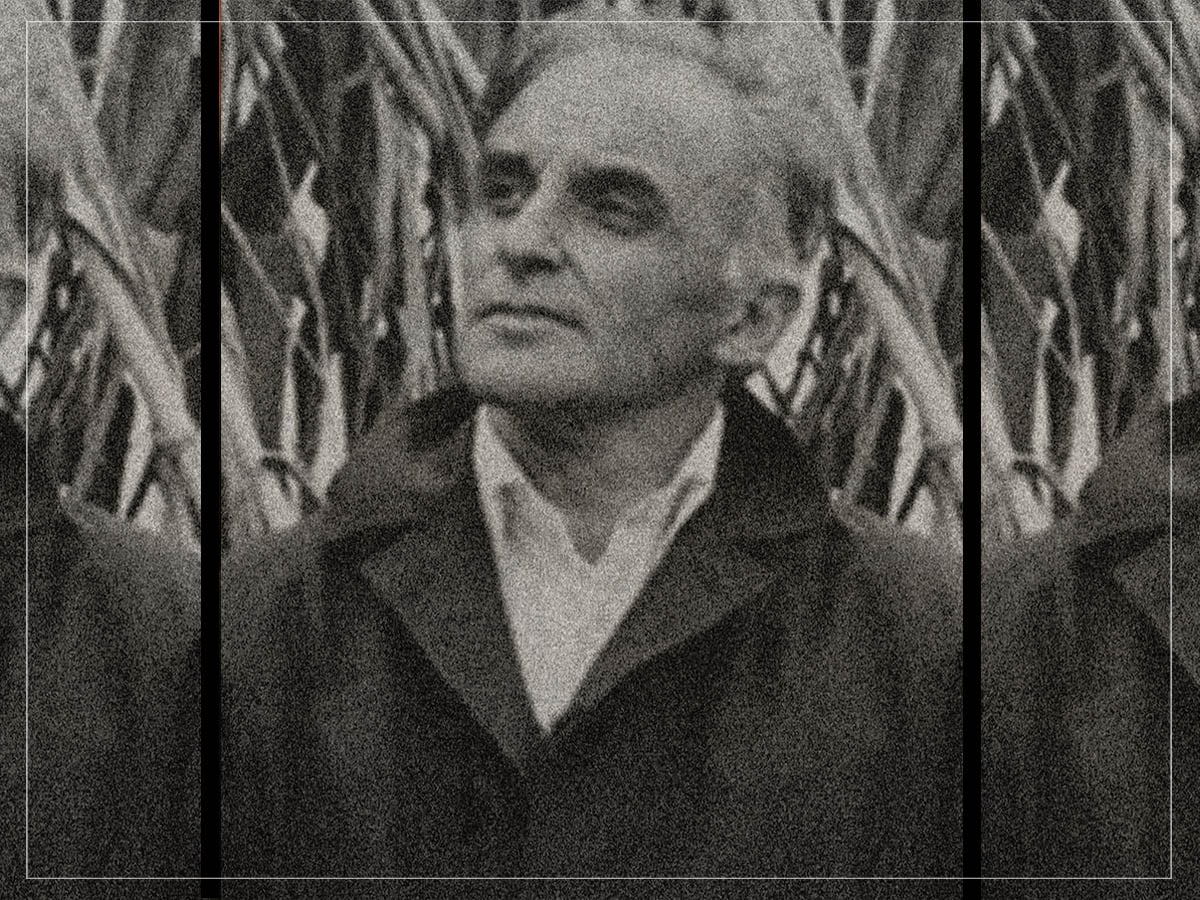
Despite hailing from Spain, José Ramón Larraz made various British horror films that are definitely worth your time. The filmmaker helmed the lesbian vampire film Vampyres in 1974, shortly after Hammer’s popular Karnstein trilogy was released, although Larraz’s feature is even more erotic and bloody, which resulted in its censorship. When he wasn’t making borderline softcore horrors, he was also making those of a more psychological variety like Symptoms, otherwise known as The Blood Virgin, featuring Angela Pleasence.
Symptoms was missing for years, and it wasn’t until 2016 that the film was granted a proper release after various screenings in the ‘70s and ‘80s. Thus, it remains a hidden gem, although it’s one that really creeps up on you, and certainly deserves to be appreciated by a wider audience, especially if you have a penchant for obscure British horror.
Jane Arden
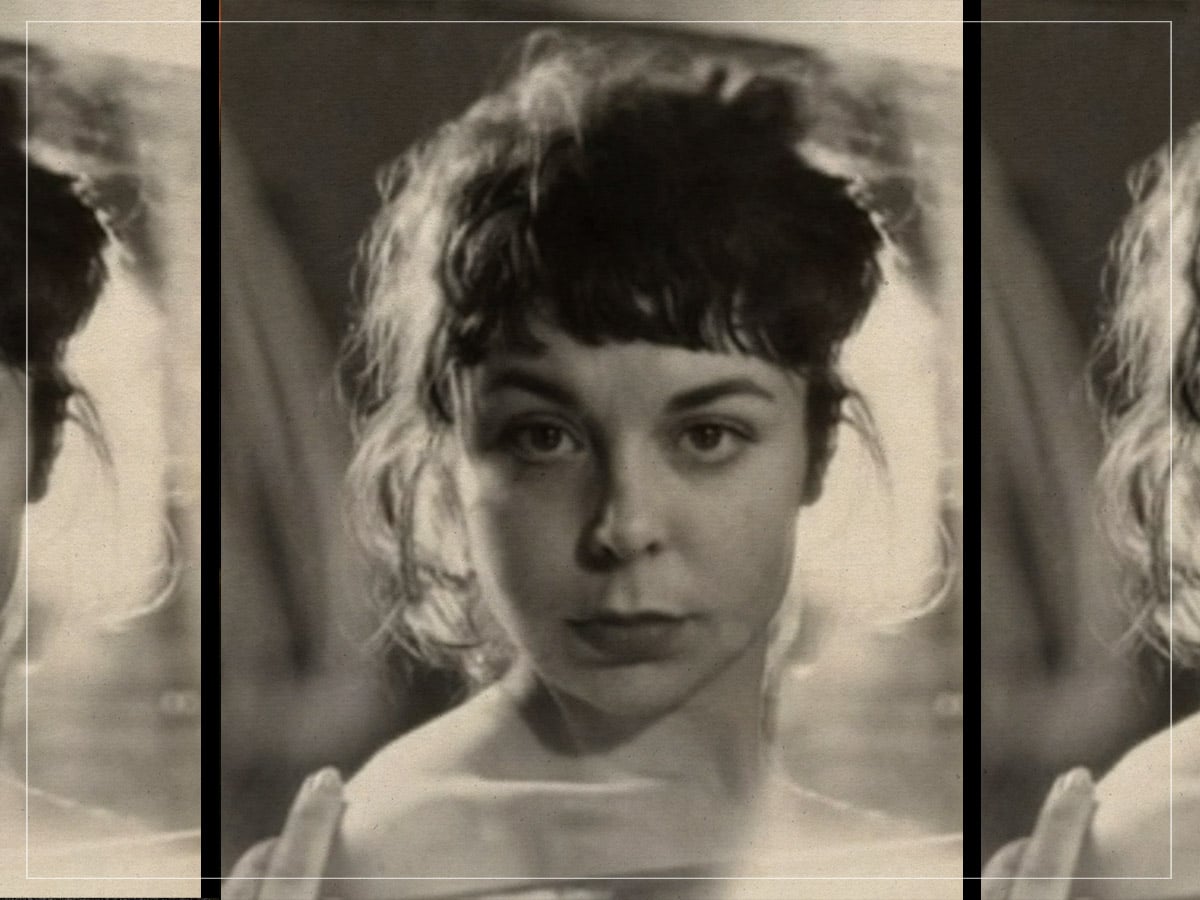
After studying acting at the Royal Academy of Dramatic Art, Jane Arden started to write, involving herself in the world of experimental theatre. She then directed several films that reflected her interest in female mental health, such as 1972’s The Other Side of the Underneath. The film was the only feature made in the United Kingdom during the decade that was directed by a woman, and it has since faded into obscurity – perhaps due to its rather avant-garde and intense nature.
With graphic sex and nightmarish imagery, the film is not an easy watch, but it’s one that demonstrates Arden’s singular talents. She also directed Anti-Clock with Jack Bond, which she wrote, co-filmed, and penned some songs for. A dreamy sci-fi experiment, the movie was initially removed from circulation after Arden’s suicide in 1982, but her son, Dominic Saville, decided to re-release the film in 2009.
