


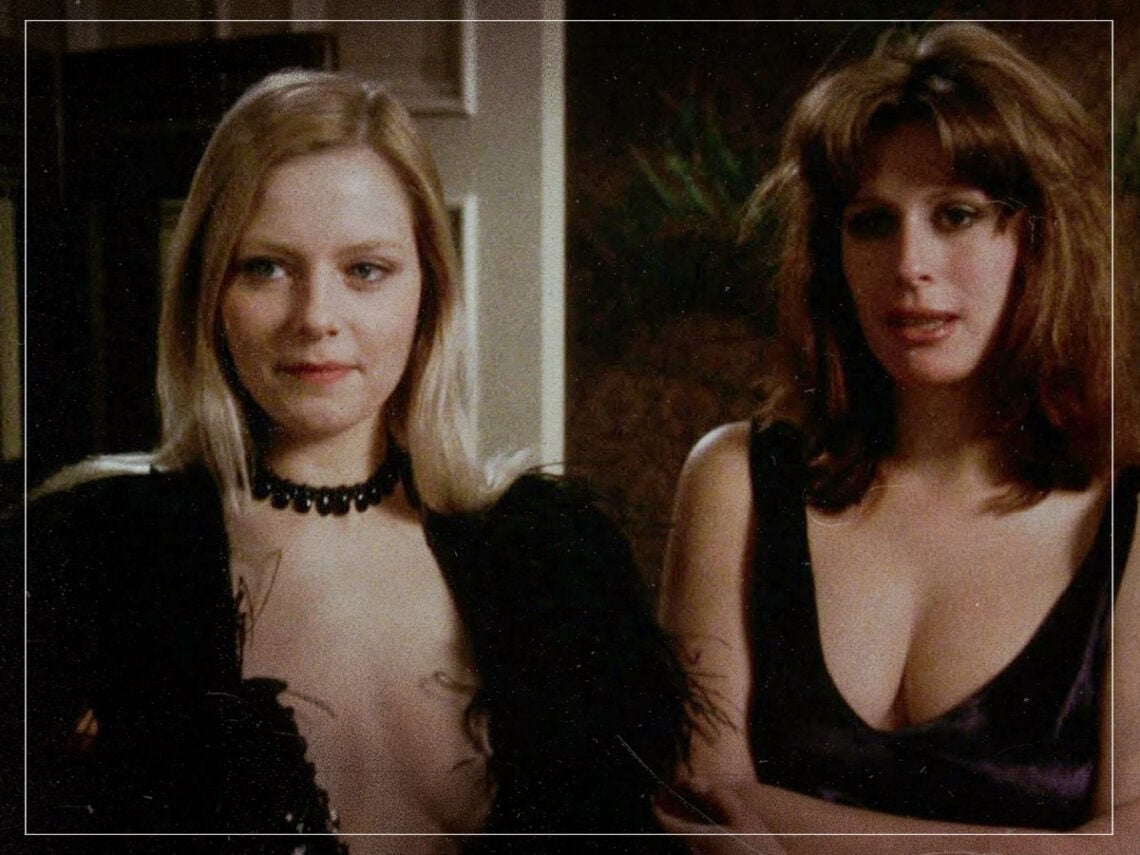
‘Vampyres’: the seductive British horror that beat Hammer at its own game

British horror occupies its own niche, and while most scary movies that have emerged from the island haven’t garnered the same mainstream popularity as various American titles, many have dedicated cult followings nonetheless.
One of the most quintessentially British sub-genres is arguably folk horror, with films like The Wicker Man, Witchfinder General, and The Blood on Satan’s Claw defining the category. Yet, that’s just one very small facet of British horror. For years, Hammer dominated with spooky stories based on pre-existing monsters, like Dracula and Frankenstein. These were relatively popular, although cinema didn’t feature explicit violence or sexuality until the 1960s, so many of these movies, while scary at the time, look like child’s play compared to what we’re used to today.
Still, they are vital parts of the British horror canon, and as Hammer’s popularity progressed, they began making more daring stories, like erotically charged vampire stories. From Countess Dracula to Lust for a Vampire, The Vampire Lovers, and Twins of Evil, many of these films also explored the lesbian vampire trope, something that enticed many viewers.
Yet, it wasn’t just Hammer who began making erotic vampire films featuring plenty of alluring female villains for viewers to feast their eyes upon. From Vampyros Lesbos by Jesús Franco and The Daughters of Darkness by Harry Kumel to the many vampire flicks by Jean Rollin, these films were predominantly made by men. While many of them were clearly designed to titillate viewers, many were genuinely stylish and inventive tales that drew upon the classic novella Carmilla by Sheridan Le Fanu.
Another lesbian vampire horror that emerged during this time was Vampyres, directed by the Spanish filmmaker José Ramón Larraz, who specialised in exploitation cinema. It was released in 1974, with the Playboy model Anulka Dziubinska starring as one of the vampires, Miriam. Alongside Marianne Morris’ Fran, the pair play vampire lovers who had previously been shot dead while in bed together. The pair lure men to their haunted mansion, where they have sex with them before killing them and feasting upon their blood in typical vampire fashion. Between these moments of pure horror, there is plenty of eroticism sandwiched in, whether that be in the form of the vampires having sex with their victims or with each other.
Meanwhile, a couple, John and Harriet, unknowingly involve themselves in this vampiric world after parking their caravan near the mansion. They pass the vampires on the road, who pretend to be hitchhikers, and soon come face-to-face with them. These ‘70s lesbian vampire films beg interesting analysis. On the one hand, while it is clear that the male gaze is utilised by the male director (who literally cast a PlayBoy model instead of an actor), many contemporary viewers have since analysed the genre through a more complex lens.
It can be argued that the female vampires in the story are given autonomy and wield much more assertiveness and dominance than the male characters. However, much of this is seen through an eroticised, overly sexualised lens, leaving many viewers conflicted as to whether these films could be considered positive or negative representations of lesbianism. Still, Vampyres, alongside many other similar movies from the period, have dedicated cult followings for reasons beyond this; they’re entertaining, stylish, and perfectly gothic, enticing us into a world of depravity and lust.
So, while Hammer began to tone down its explicit content, Vampyres didn’t hold back, giving audiences exactly what they wanted.
