


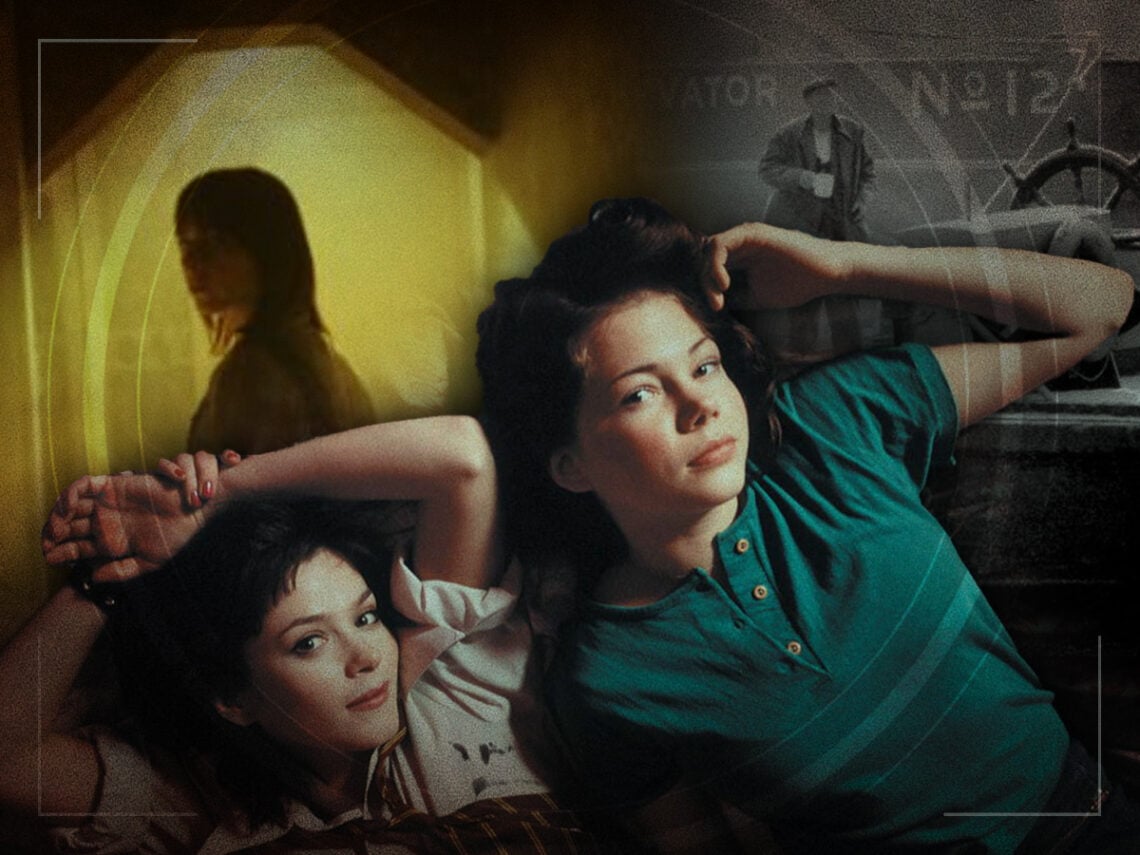
The five best 2000s British movies that you’ve never heard of

Britain has given us some great movies, whether it’s a moving social realist drama, a charming romantic comedy, an unforgettable period drama, or a gritty crime thriller, and they’ve always done so.
The 2000s were a time of great cinematic innovation in Britain, with many of the country’s most beloved movies emerging at the turn of the millennium. 28 Days Later, This is England, Hot Fuzz, Shaun of the Dead, Bridget Jones’s Diary, Pride and Prejudice, Sexy Beast, the list is seemingly endless, as every genre appeared to thrive, thanks to the increased funding for local productions following the success of titles like Trainspotting and Notting Hill, from the previous decade.
Often, though, certain titles just slip under the radar, especially those made on a smaller budget, and they fail to endure among the likes of better-known British classics released around the same time. But it’s never too late to catch up on some movies you might’ve missed the first time around, so for this list, we’re focusing on hidden British gems from the 2000s that you might not have heard of before.
From a lesser-known Ken Loach number to complicated tales of female friendship and nailbiting prison escape dramas, here are five great British movies of the noughties certainly worth your time.
The five best under-the-radar British movies from the 2000s
‘Me Without You’ (Sandra Goldbacher, 2001)
As a woman, there is nothing quite like forming a close friendship with another woman, someone who just understands you like no one else, and is always there for you, no matter the state of your love life.
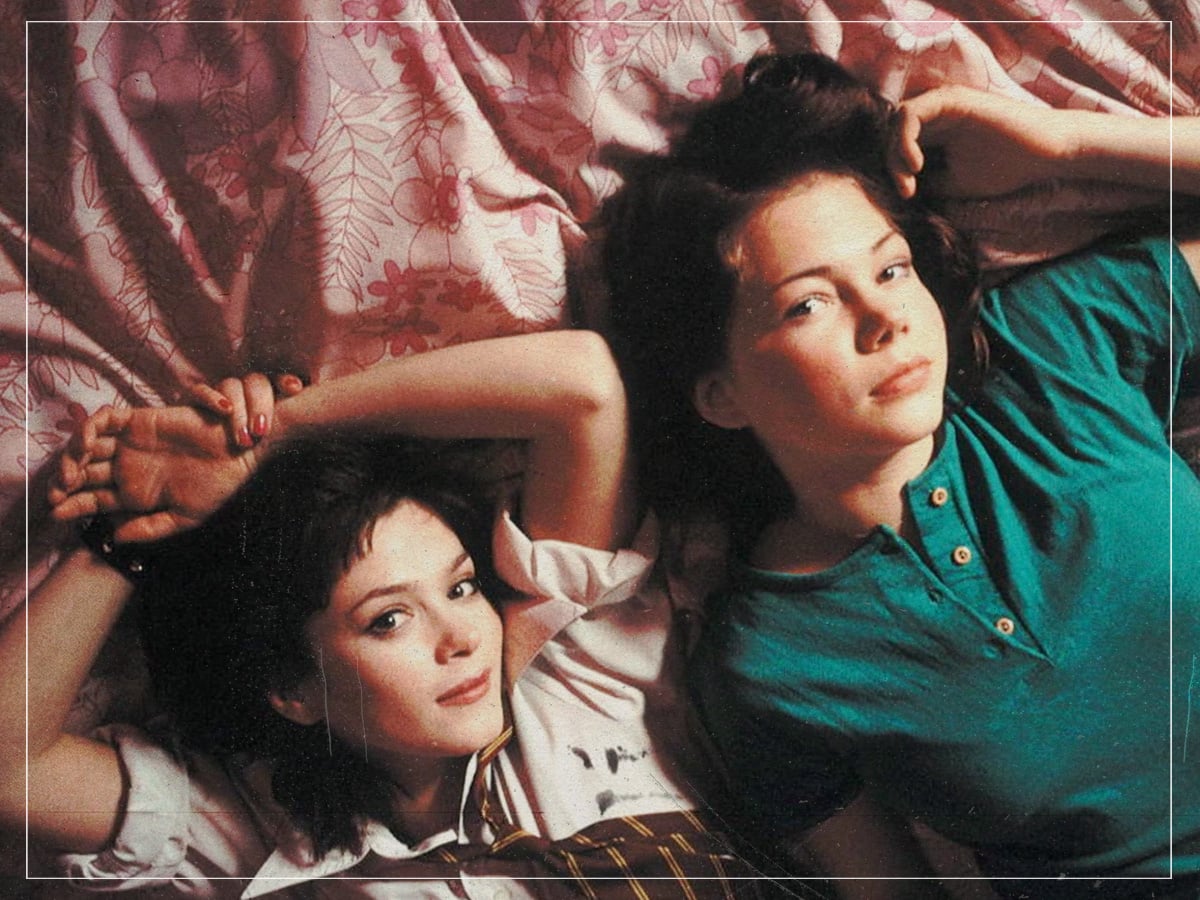
But friendships can be messy, and that’s what Me Without You explores so eloquently, with Michelle Williams and Anna Friel starring as childhood best friends whose relationship becomes increasingly strained as they move to university, explore their sexualities, and learn just how tricky the intricacies of adult life can be.
It’s a film that’s equally as fun as it is heartwrenching, with both characters engaging in the kinds of behaviour that you can’t help sighing over, before realising that you’d probably do the same. Directed by Sandra Goldbacher, the film emerged in 2001, but it certainly hasn’t endured with the popularity it deserves. It takes a refreshing look at female friendships in all of their complexities, and it’s this honesty that makes Me Without You so underrated.
‘Sweet Sixteen’ (Ken Loach, 2002)
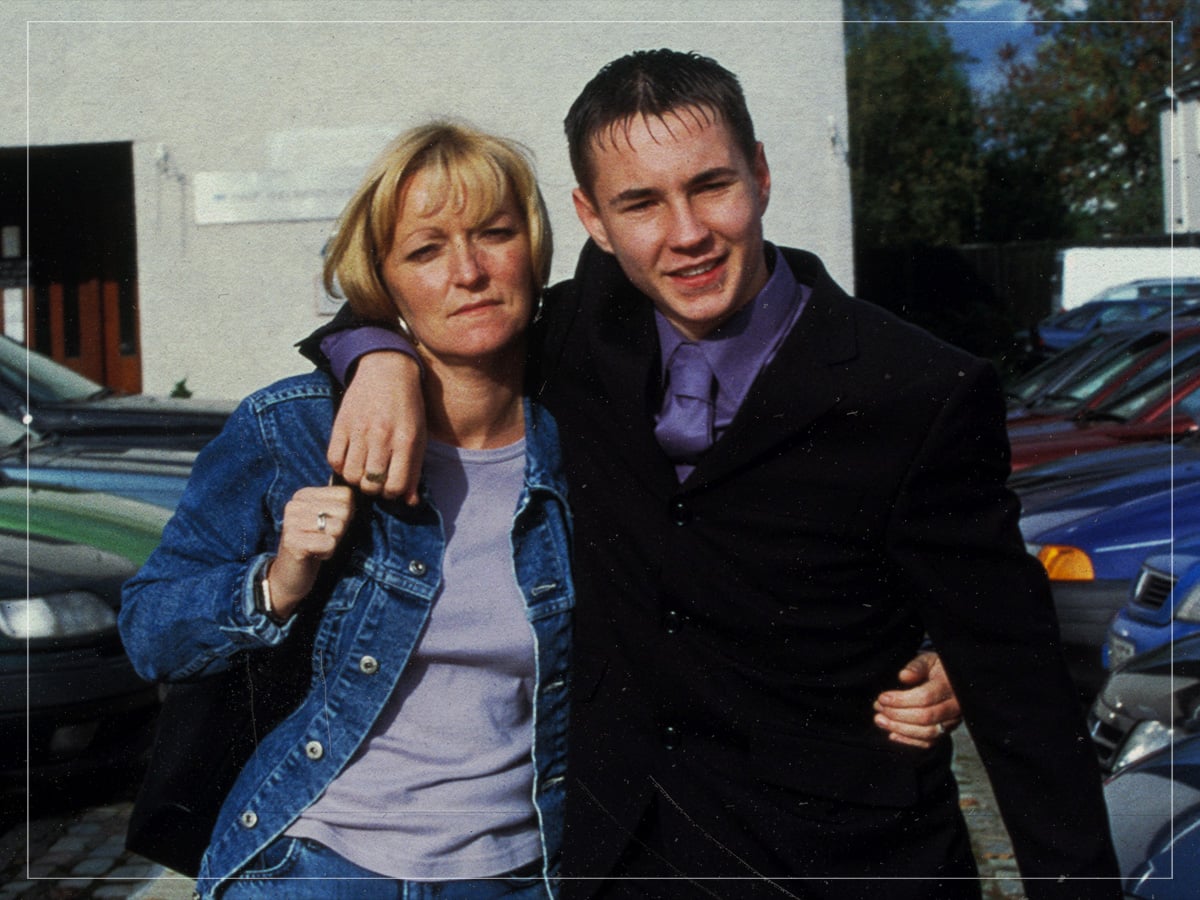
Ken Loach has made a lot of movies, some of them much more well-known than others. Back in the ‘60s, his gritty television plays like Cathy Come Home and movies like Kes cemented his status in the industry, and into the 2000s, he found acclaim with the likes of the Palme d’Or-winning The Wind that Shakes the Barley. Less known from that period, however, is Sweet Sixteen, which emerged in 2002 to controversy, predominantly related to its expletive-filled script, which contained 313 uses of the word “fuck”.
Sweet Sixteen might’ve thus struggled against censors, failing to get as widespread a theatrical release because of its run-ins with the BBFC, but it’s worth seeing because Loach tells a poignant tale of a young Scottish teenager who tries his best to start again following his mother’s release from prison. He doesn’t go to school, and his mother’s drug-dealing boyfriend tries to get him into the trade, but he is encouraged by his sister to do better and aim for something that won’t lead him down a dead-end life of crime.
‘The Escapist’ (Rupert Wyatt, 2008)
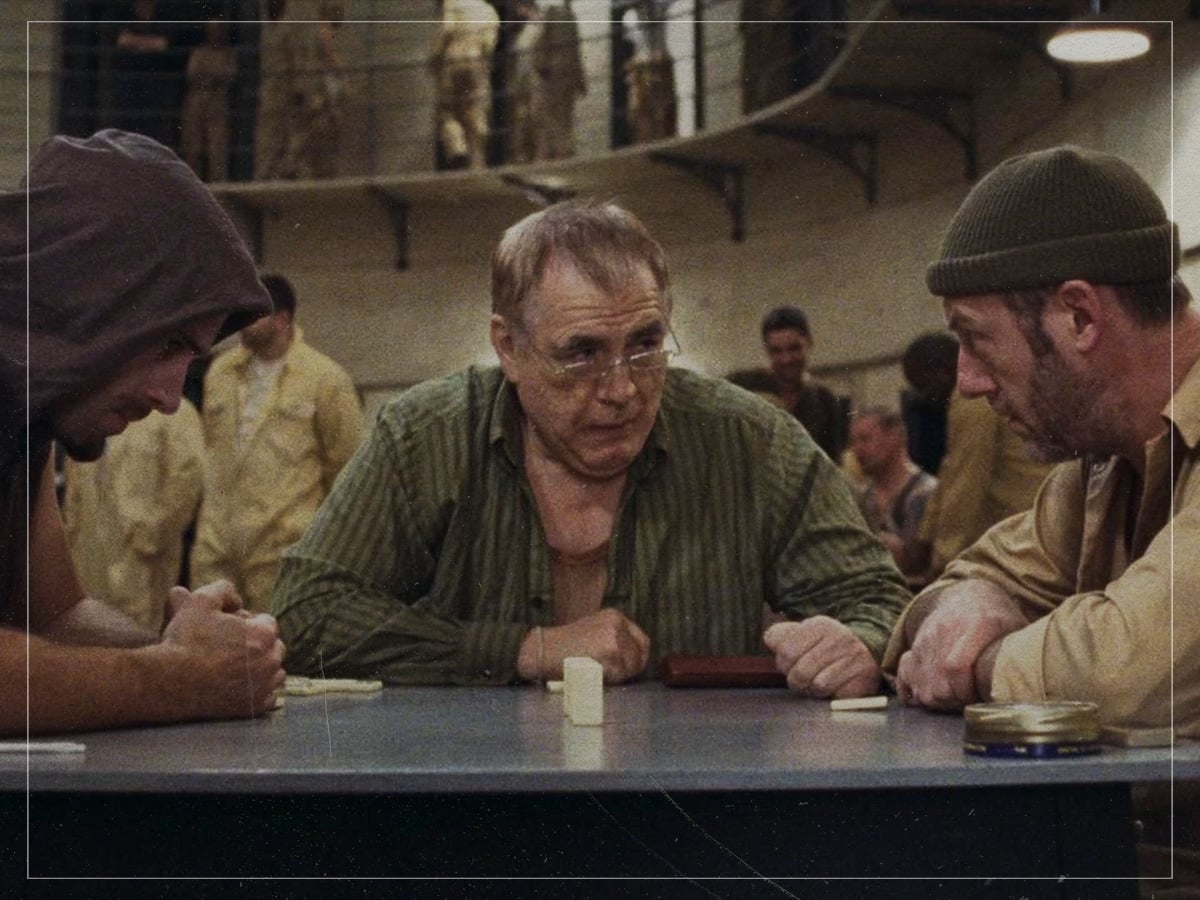
There are some big names in The Escapist, like Brian Cox, Damian Lewis, Dominic Cooper, Joseph Fiennes, but the indie movie never made much of an impact when it was released in 2008, even if Cox did win a Scottish Bafta for his performance. Directed by Rupert Wyatt, who would later find success with his second feature, Rise of the Planet of the Apes, the film explores Cox’s character Frank as he plots his escape from prison when he discovers that his daughter has overdosed.
It’s a clever movie, with a rather shocking plot twist near the end, and, as always, Cox is fantastic, but with such a small budget, it had a limited theatrical run, grossing just over $300,000 upon its release. It’s a solid prison break movie, though, and the grittiness of its low-budget British setting gives it the perfect anti-Hollywood tone.
‘Of Time and the City’ (Terence Davies, 2008)
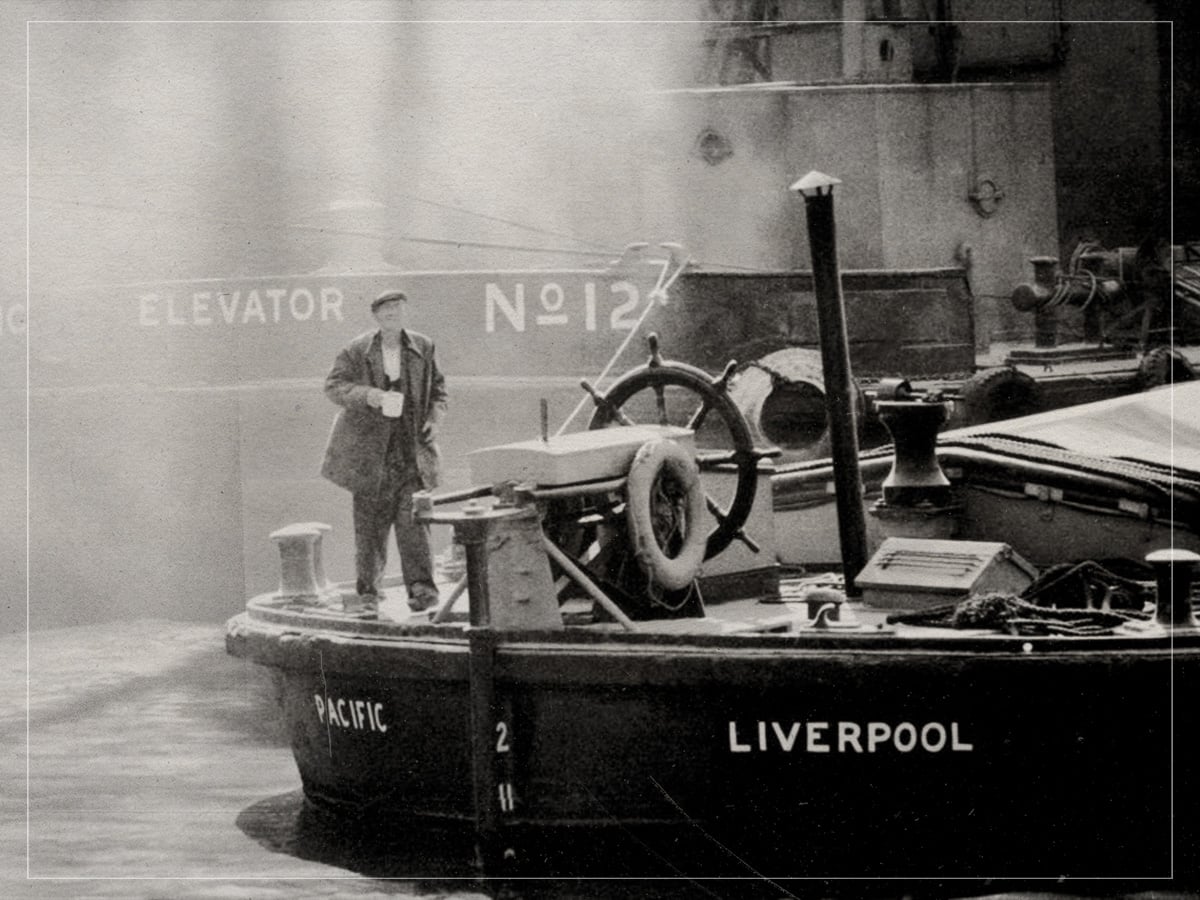
Terence Davies made much of his most popular work in the 1980s and early 1990s, with movies like The Long Day Closes and Distance Voices, Still Lives, but in the 2000s, he brought his meditations on family and childhood to the documentary genre, releasing Of Time and the City in 2008. Reflecting on his early years in Liverpool, Davies narrated his feelings over recordings and references to various locations, movies, writers, intellectuals, and historical figures, forming a portrait through pre-existing imagery.
Deeply personal yet relatable in its inviting approach to familiarity and memory, Of Time and the City received acclaim from critics, and it even spawned a website, People’s Stories: Liverpool Lives, as a result, where people could share their own memories of Liverpool, but despite this, it still remains a rather underrated film, overshadowed by Davies’ narrative features.
‘Red Road’ (Andrea Arnold, 2006)
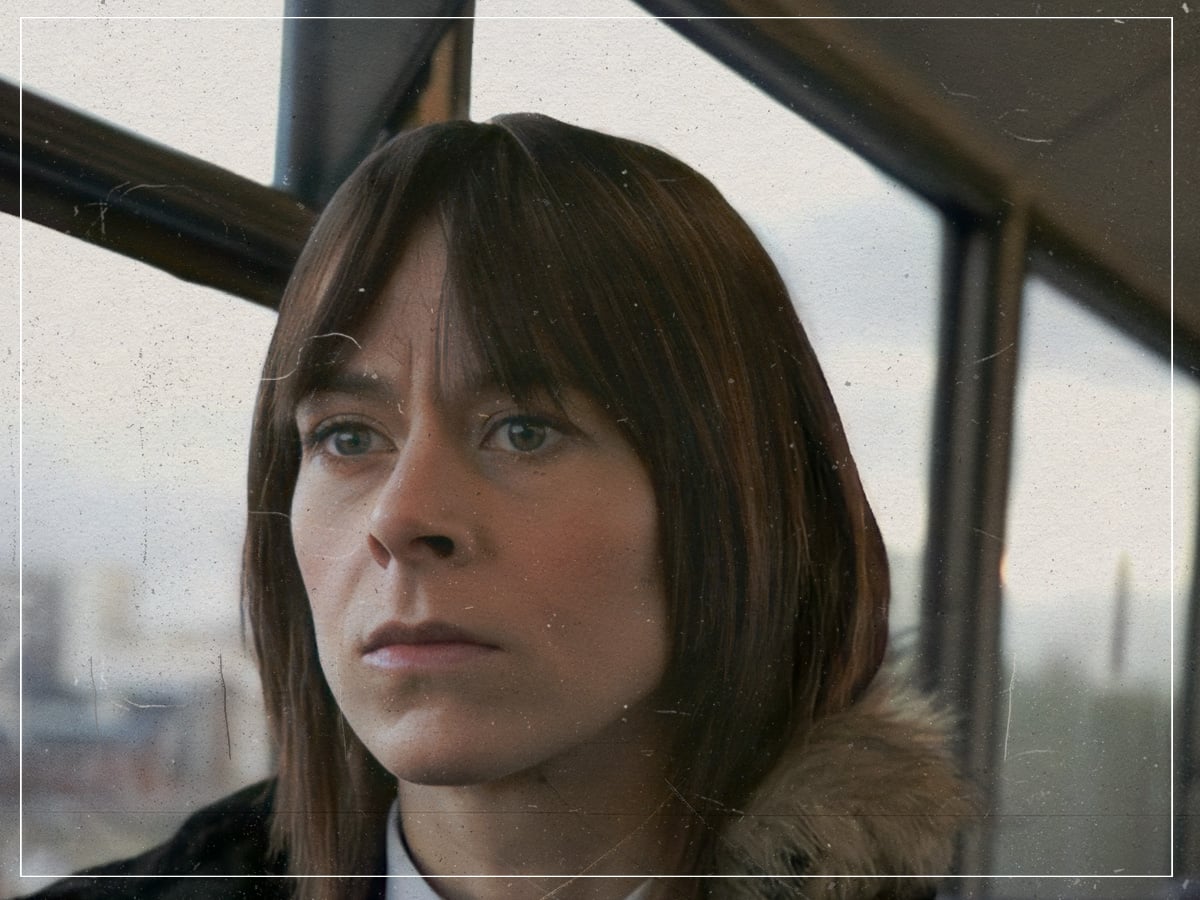
Before Andrea Arnold made her magnum opus, Fish Tank, she released her debut feature, Red Road, in 2006, which came three years after her Oscar-winning short film Wasp, maintaining her gritty realist style but with an inherent poetry. Its thoughtfully composed shots, courtesy of cinematographer Robbie Ryan, gave Arnold the chance to flesh out an idea that revels in slowness, wherein she allows the film to unfold through extended shots of the main character, Jackie, watching CCTV footage, becoming obsessed with a man whose connection to her is initially kept a mystery to us.
Red Road is intense, and Arnold wraps us up in a world of pure pain, grief, and violence. It’s terrific, despite its bleakness, although it’s perhaps for its grimness that she didn’t exactly find commercial success with it. Inspired by Dogme 95 style, Red Road was never going to be a hit, but it’s so much more real and revealing than your average British flick of the era, it’s essential viewing.
