


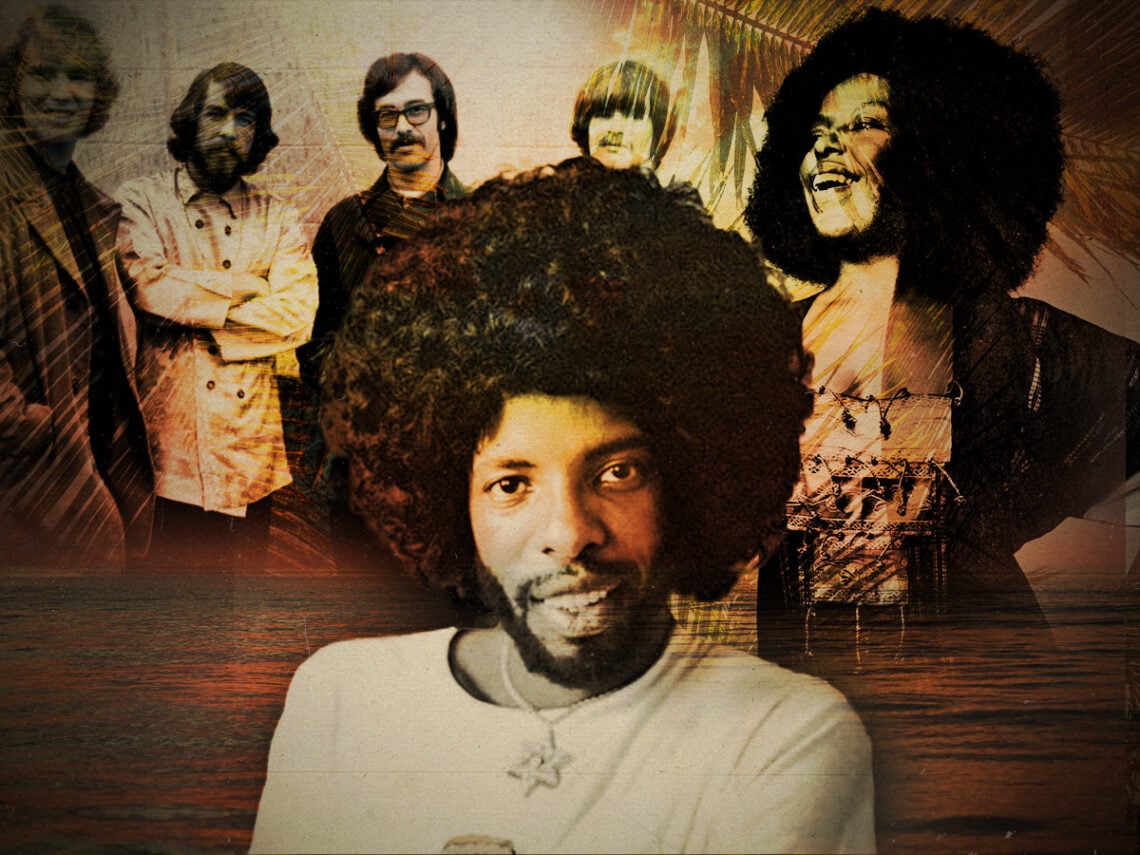
Five albums that defined life in the summer of 1969

Bryan Adams may well have got his first real six-string in the summer of 1969, but let’s be honest, much more important things were happening at the time, both in the world of music and in the grand scheme of things.
America had inserted itself into the diplomatic struggles of another nation, leading to its involvement in the bloody and brutal Vietnam War that began with the offensive strikes of Operation Rolling Thunder in 1965. Large amounts of the population in the US actively campaigned against this escalation, and the relationship between the public and the government soured significantly, with those not in favour of the war demonstrating their frustration at the military action taking place.
This was, by extension, tied in with the Cold War that the Allied Forces had been battling against the Soviet Union, with the US fear of communist powers gaining strength in Vietnam, their main argument for intervention. On top of this, as part of an initiative to show technological prowess, the US and USSR also entered the Space Race, which culminated in Neil Armstrong and Buzz Aldrin becoming the first men to set foot on the moon in July 1969, planting their star-spangled banner on the surface of our celestial body.
Back on terra firma, there was plenty more unrest across America, with people protesting against not just the conflict, but in favour of an end to racial segregation and persecution of minority groups. The actions of civil rights activists such as Martin Luther King, Malcolm X and Rosa Parks gained recognition for their dedication to the former cause, while the Stonewall riots of June 1969 that protested against certain establishments in New York City prohibiting gay people from entering led to the formation of the modern-day Pride movement.
Understandably, the music produced during this period was of great historical significance, especially when it directly tackled many of the societal issues of the period, and while many classic albums came out during this three-month period, these are arguably the five that sum up exactly what it meant to experience the summer of 1969.
Five classic albums that defined the summer of 1969:
Creedence Clearwater Revival – ‘Green River’
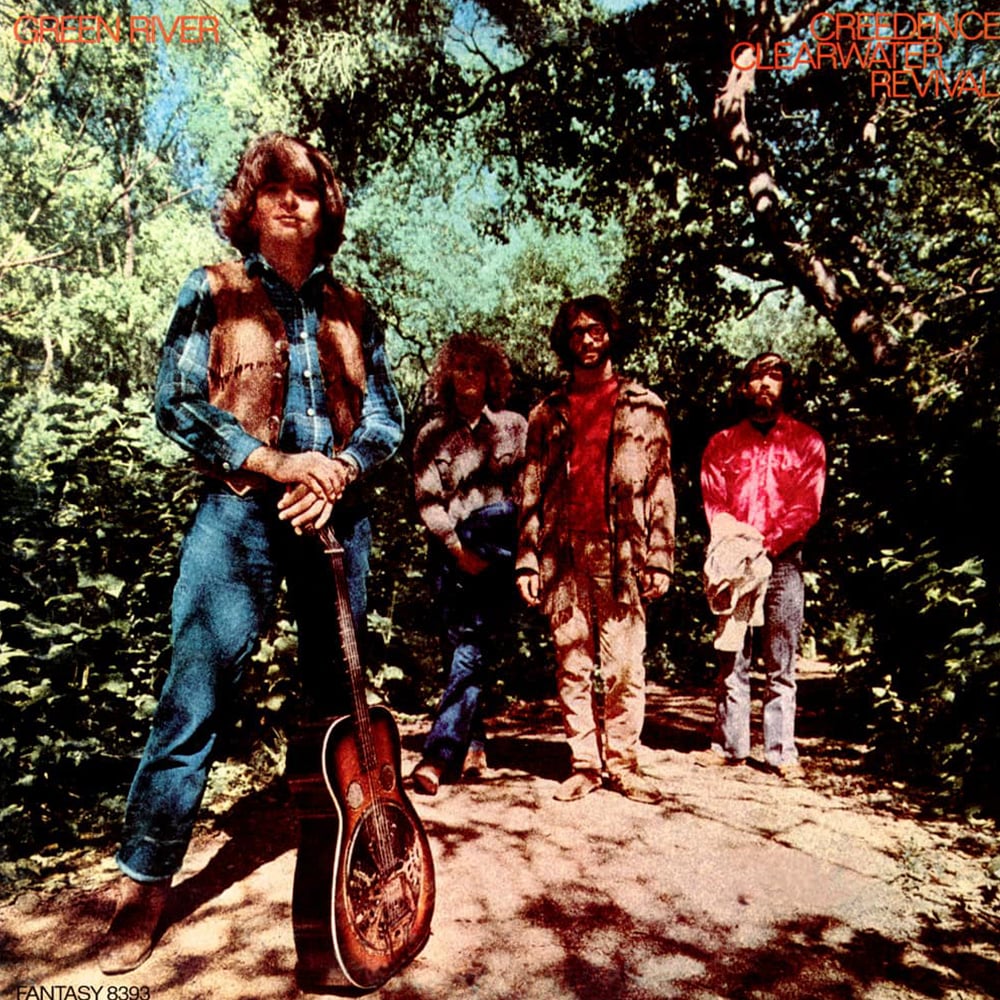
With the Vietnam War raging on, the music industry became a hotbed for music that was fuelled by a desire to protest against the bloodshed in Southeast Asia, and no act seemed to do that with quite as much fervour as Creedence Clearwater Revival. A massively prolific band who notably performed at Woodstock that summer, they released their seminal third LP, Green River, to widespread acclaim from those who felt disenchanted by the actions of the US government and military, and it only went on to further stoke the fires of protest among young American anti-war campaigners.
While its successor, Willie and the Poor Boys, released later in 1969, was the most politically-charged record of their three released that year, Green River still chooses to warn the people of the US about the dangers of getting involved in a conflict halfway across the world. Songs like ‘Bad Moon Rising’ tell tales of there being trouble up ahead through tempestuous metaphors, and even though the album still stands up today as a masterpiece in country rock, it is arguably just as potent now in its messaging.
Sly and the Family Stone – ‘Stand!’
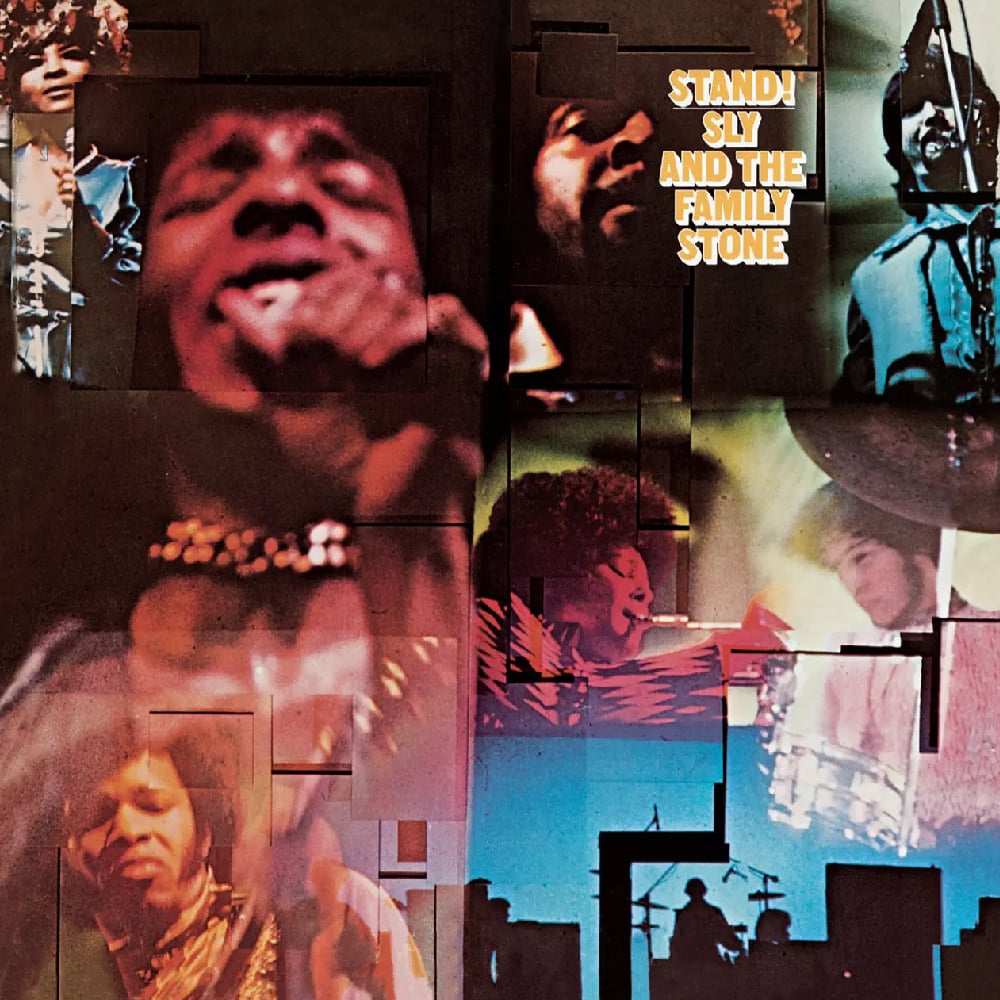
Another stunning protest album, Sly and the Family Stone’s Stand! not only zooms in on the conflict in Vietnam and all of its treacherous acts of violence, but it also provides a poignant social commentary on race relations in the US at the height of the civil rights movement. There may be positive messages scattered throughout, as well as a tone that is suggestive that things are going to be alright soon, but then when you’re met with such emotionally-charged material like ‘Don’t Call Me N*****, Whitey’, you realise that the world is just as far away from the utopian ideal as it always has been.
This is a defiant work of rock, funk and psychedelic soul that has also stood the test of time, and is perhaps one of the most important slices of cultural history from this period. Stone’s songwriting is timeless, but it sums up exactly what it was like to be living in America in the summer of ‘69, and as hopeful as that may have seemed in places, that certainly wasn’t the reality.
Zebedy Colt – ‘I’ll Sing For You’
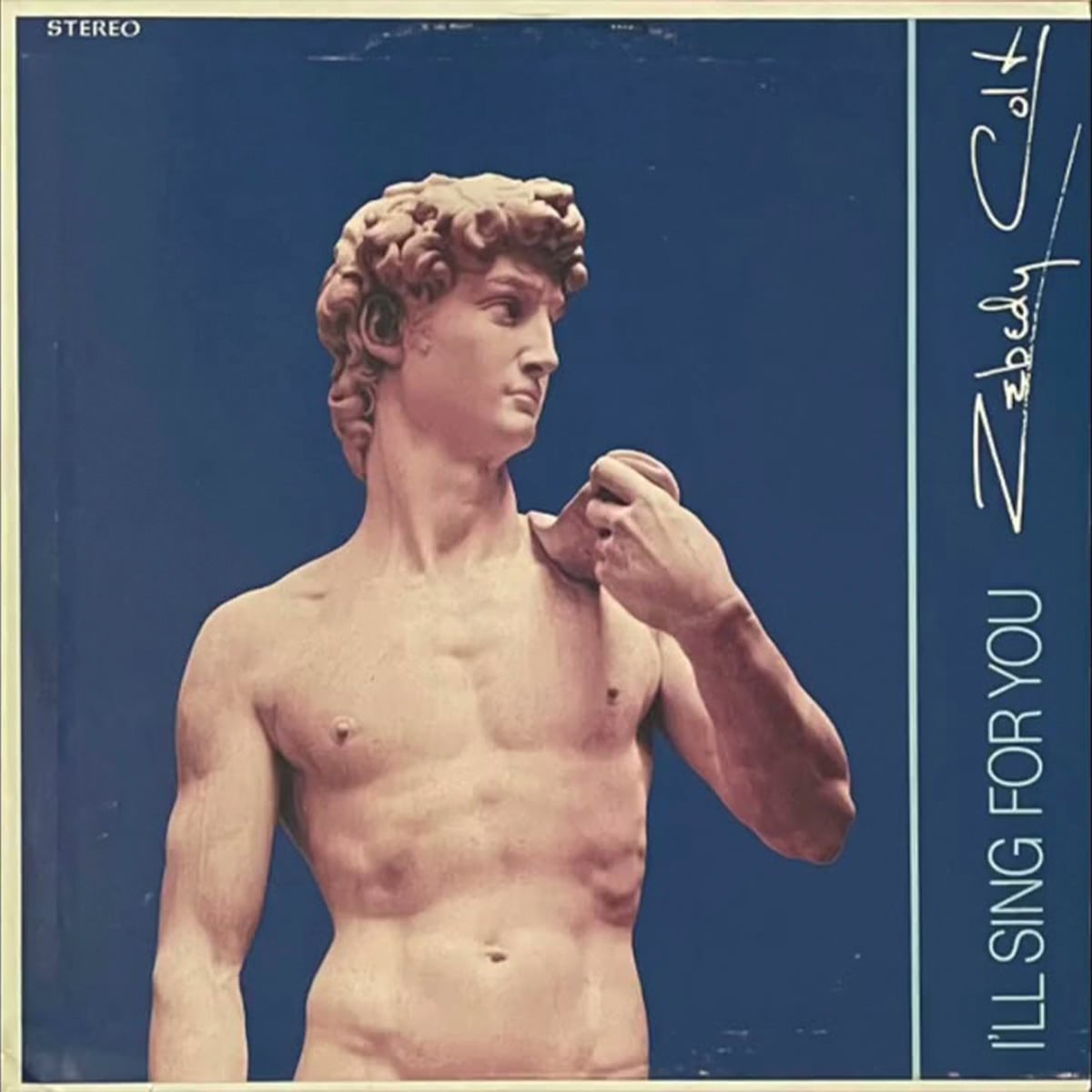
Buried at the time due to what was then seen as controversial subject matter, ‘I’ll Sing For You’ is a landmark release in queer music history, written and performed by adult film producer and gay rights activist Zebedy Colt. Having been released only a month prior to the Stonewall riots that aimed to bring about rights for homosexuals and enforce the decriminalisation of homosexuality, what could have been seen as a valiant protest record was unfortunately relegated to being a footnote as a result of the time when it was released.
It’s a fun and flamboyant cabaret record that borrows heavily from big band jazz and crooners like Dean Martin and Frank Sinatra, but at the same time, it’s also a tender album about male love sung by a man who means every word that comes out of his mouth. Colt was undoubtedly a pioneering voice who deserves a place in history, and his artistic contributions to the community should never be forgotten.
The Stooges – ‘The Stooges’
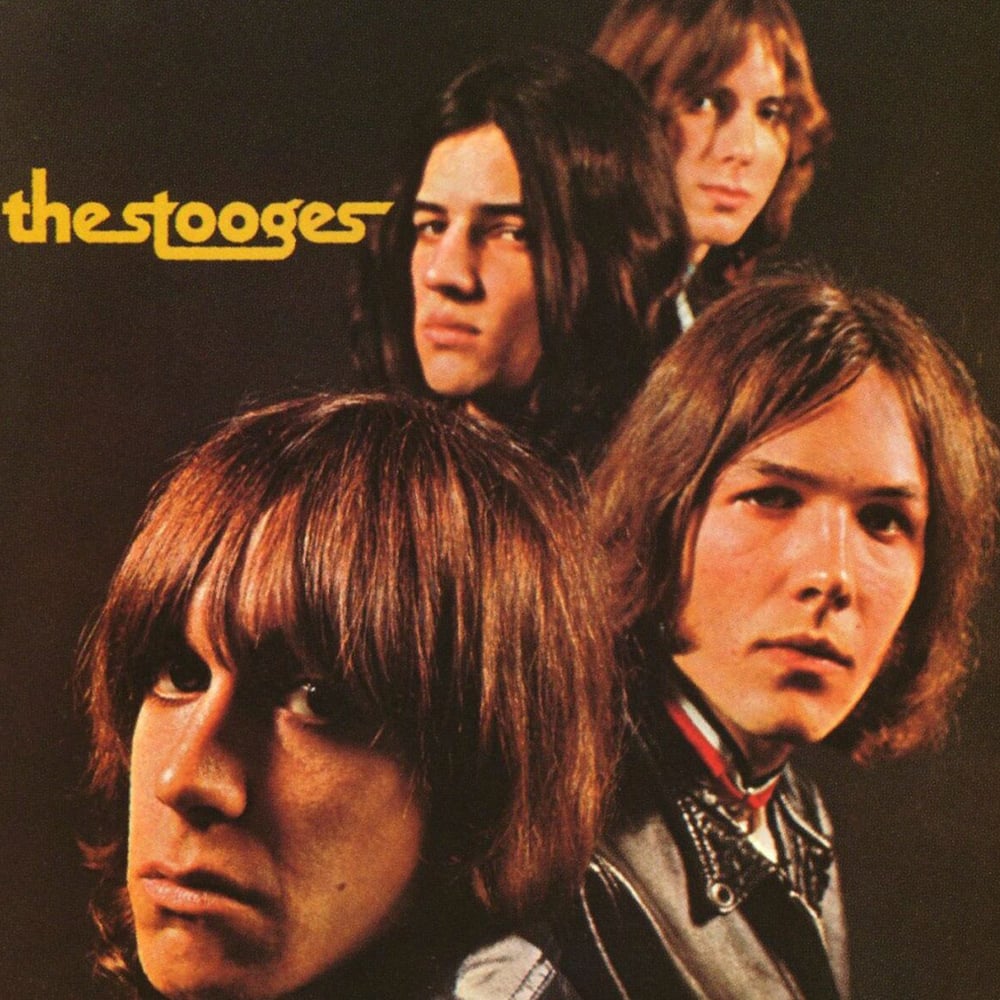
Punk didn’t technically exist in 1969, but The Stooges certainly weren’t far off from creating their own idealised version of what it could be, and they essentially laid down the blueprint for what it ought to be when others were wise and bold enough to catch on during the following decade. Only The Velvet Underground before them had managed to make something quite as transgressive and brutal in its approach, and even their efforts pale in comparison when compared to the carnage that The Stooges has.
No record has sounded as instantaneously filled with rebellious spirit, and nobody has captured the same sneering attitude that Iggy Pop demonstrates on this totemic debut album. The rage is palpable throughout, and considering everything that was going on around its release in August 1969, this was arguably the perfect album to stick on and expel all of your frustrations to.
Roberta Flack – ‘First Take’
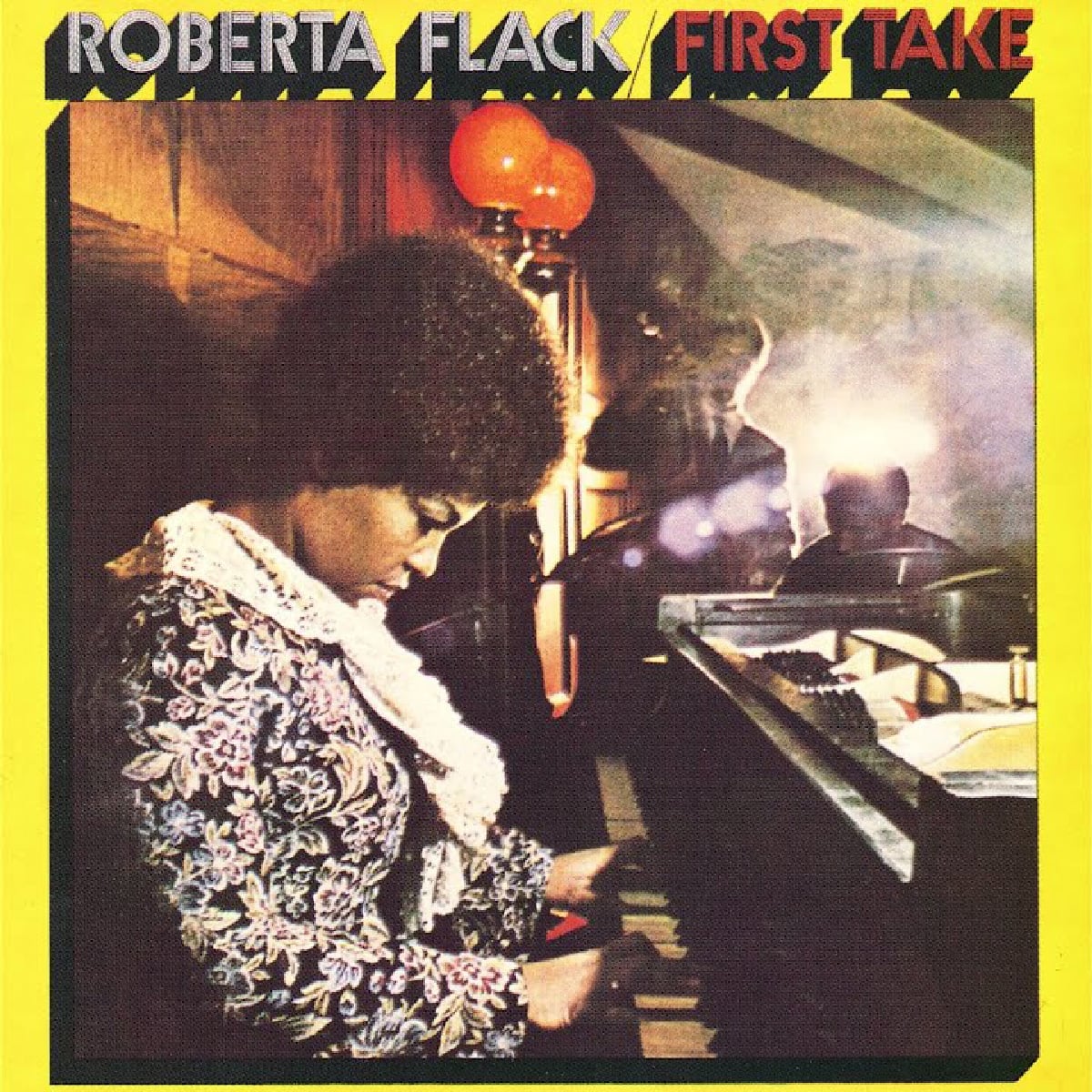
Amongst all of the chaos happening in the world, the people were undoubtedly going to need something that simply felt pure and gave good reason to feel positive about being alive, and this is exactly what Roberta Flack’s debut album, First Take, manages to offer and more. Comprised entirely of her own gorgeous arrangements of pop music’s staples, what Flack did to them was inject plenty of soul and pure emotion into the eight selected tracks.
‘The First Time Ever I Saw Your Face’ is perhaps the album’s definitive track, and perhaps the definitive rendition of it over Ewan MacColl’s original, and her interpretations of ‘Compared to What’ and ‘Hey, That’s No Way to Say Goodbye’ go directly to the heart. It’s a masterpiece that instantly turned Flack into a generational talent and demonstrated to the world that it wasn’t just anger and despair that were able to reign supreme.

Never Miss A Beat
The Far Out Punk Newsletter
All the latest Punk content from the independent voice of culture.
Straight to your inbox.