


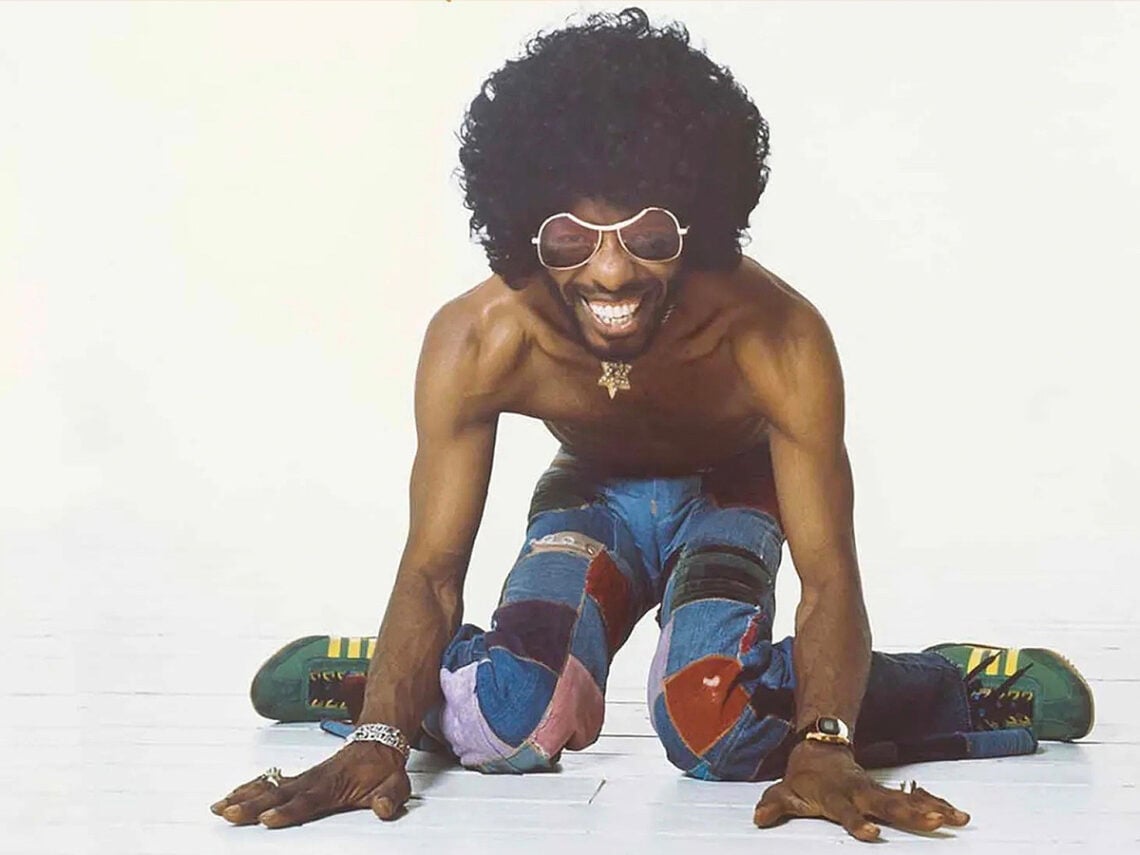
How Sly and the Family Stone wove biblical imagery into their music

When Sly and the Family Stone first rose to prominence, they completely redefined music.
Not only was their sound unique, but the band was a mix of black people and white people, men and women, a real testament towards what could be achieved with diversity. The pressure was on from the beginning as a result, but it was a pressure the band seemed more than happy to revel in, given every single record they put out was laced with exceptional tunes from start to finish.
“I wanted people to look onstage and see the world and how the world can get along,” said Sly when talking about how diverse his band was. “If they could see us, see we were having fun, it might make it easier for them to catch on.”
The music in the early days was incredibly well received, but unity is very important in a band like this. Each member contributes in their own unique way, but all of those contributions lead to the development of a sound that connected audiences around the world. As such, when relationships within the band started to break down, the music that Sly started to put out began to lose favour with the public a fair bit.
Their 1974 album Small Talk is a good example of this. The album was disjointed and not the kind of music that fans of the band had originally fallen in love with. All in all, it was the worst-reviewed album that the band had put out. The only saving grace was the track ‘Loose Booty’, which people hailed as the standout on the album and one of the only tracks from the LP worth revisiting.
If you were to ask Sly Stone, he would say this changing sound is just his artistic development, and that he refuses to adhere to the wishes of the music industry, which means he is happy to alter his sound, even if it doesn’t prove very popular. The hit from the album ‘Loose Booty’ may well have been a reference to this, as it was the only song that represented the band’s old sound, which seemed to allude to the fact that they don’t want to bend to the industry’s will.
Some fans theorise that they do this by referencing the Bible. Sly chants in the song “Shadrach, Meshach, Abednego,” all of which are the names of biblical figures. They appear in the book of Daniel, chapter one, and are the names of the three figures who are brought to King Nebuchadnezzar II and told that they need to worship him. They refuse, claiming he’s a false idol, and they will only ever serve God.
There is a theory that Sly sees himself as someone who refuses to worship the music industry, and that this song reflects that, hence the use of the names. Of course, there is another theory, which is that the names sound cool and it would be good to chant them in a funk song. The real reason for this biblical reference is something locked in the mind of Sly Stone and unavailable for public consumption.
In lieu of the rationale behind the track, leave meaning behind, and just enjoy one of the last good songs that the original Sly and the Family Stone ever put out.
