


A band called Isis: The unfortunately-named jazz-funk giants who ruled New York City

Choosing a band name has never been an easy task; coming up with a succinct, original, and memorable title to encapsulate the entirety of your musical ambitions. Some band names are doomed from the very start, while others tend to age poorly as the decades march on. It is fair to say, though, that few bands have been unlucky enough to pick the same name as a future terrorist organisation.
Flicking through the crates of any local record store, you are bound to find a few oddities and more than a few relics from the 1970s that haven’t aged particularly well but, upon a recent visit to Sounds of the Universe in London, I was particularly surprised to find the name ‘Isis’ staring back at me from the confines of the funk section.
Nevertheless, as any self-respecting vinyl junkie would, I promptly purchased the album and took it back up north to my trusty turntable, where I was greeted not with militant jihadist teachings but with some of the greatest ‘70s jazz-funk I have ever encountered.
Delving further into the tale of this mysterious and unfortunately-named outfit, it turns out that the group were among the brightest sparks of New York’s horn-rock and funk scene back in its 1970s golden age, although their infectious rhythms never really struck big outside of their native Big Apple.
Isis – the band – was born in 1972, from the ashes of the 1960s rock outfit Goldie and The Gingerbreads, with Carol MacDonald and Ginger Bianco forming the core of the group during those early years, and taking their name from the Egyptian goddess.
Initially, the group chose to continue down the road of their rock beginnings, drawing upon the emerging hard rock and prog outfits of the era, amassing a collection of influences which spanned from Black Sabbath to Yes. Eventually, though, their sonic surroundings in New York became an inescapable influence on their sound.
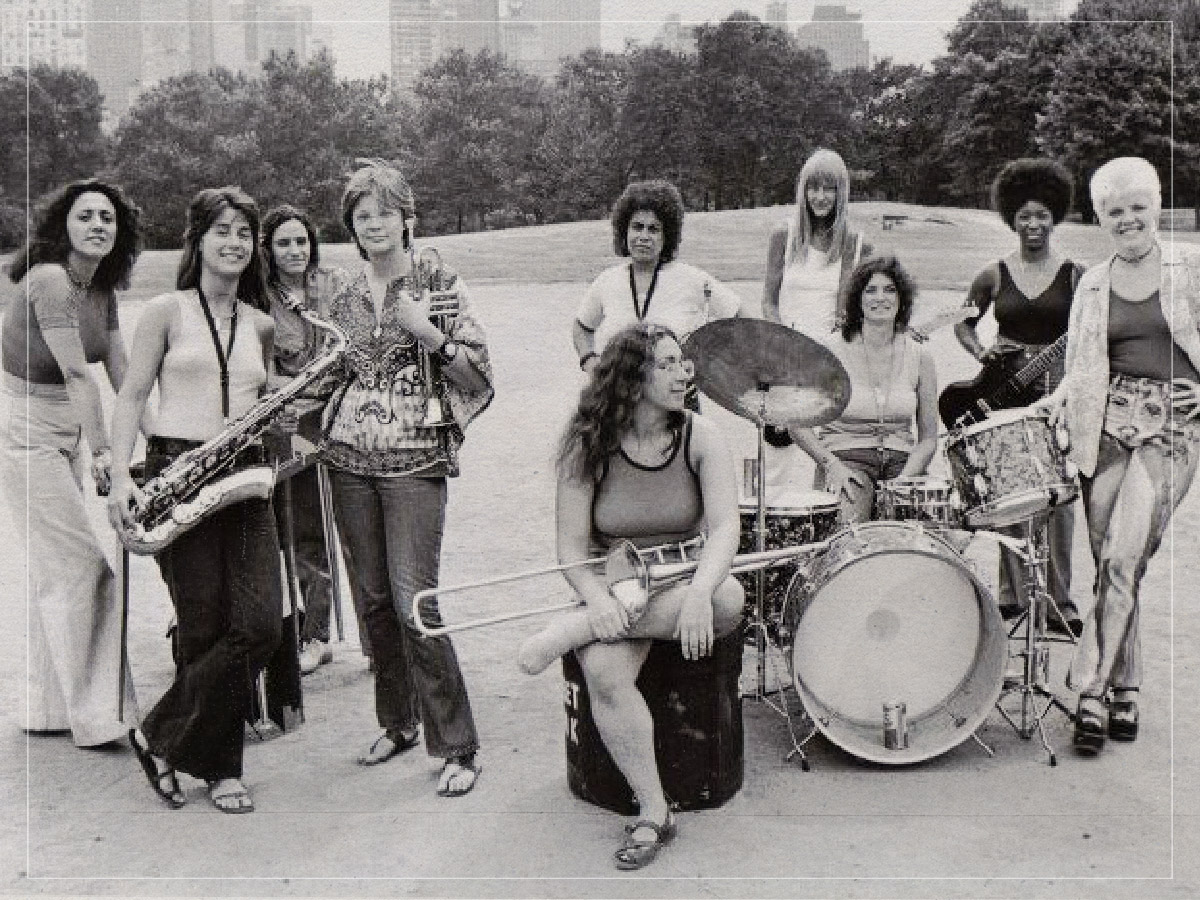
From the jazz-fueled days of the roaring twenties to the indie heroism of the early 2000s, New York has always fostered a particularly expansive music scene, but the 1970s was a particular golden age for artistic expression in the city. Not only did you have the subversive sounds of punk emerging from the East Village, but disco was beginning to establish itself on the underground dancefloors, and funk was reaching its definitive golden age.
Isis’ early material might have reflected their rock beginnings, but by the time they arrived at 1975’s Ain’t No Backin’ Up Now – the very same LP that I encountered in Sounds of the Universe – the band were firmly indebted to the funk and soul sounds that surrounded them. With the production stylings of Allen Toussaint, that album features a wealth of infectious deep grooves and a sense of jazz-funk spontaneity that is difficult to truly recapture.
Being an all-female, brass-driven jazz-funk-come-hard-rock outfit, Isis were truly a one-of-a-kind outfit, and that is reflected beautifully in Ain’t No Backin’ Up Now, which looks and sounds unlike anything else released at that time – even down to its bizarre album cover, featuring half-human, half-animal or extraterrestrial cyborg versions of the band members. However, it was perhaps a little too far-out for audiences of the time, with the album failing to make much of a commercial impact.
That original incarnation of Isis released one final album in the form of 1977’s Breaking Through, which aimed to add a more accessible slant to their jazz-funk-rock fusion sound to no commercial avail, and by the close of the decade, Isis were no more.
Although Isis might be gone, their music remains one of New York’s best-kept musical secrets. In the many decades since their inception, their unique jazz-funk and hard rock leanings certainly haven’t lost their lustre, ageing noticeably better than their band name.
