


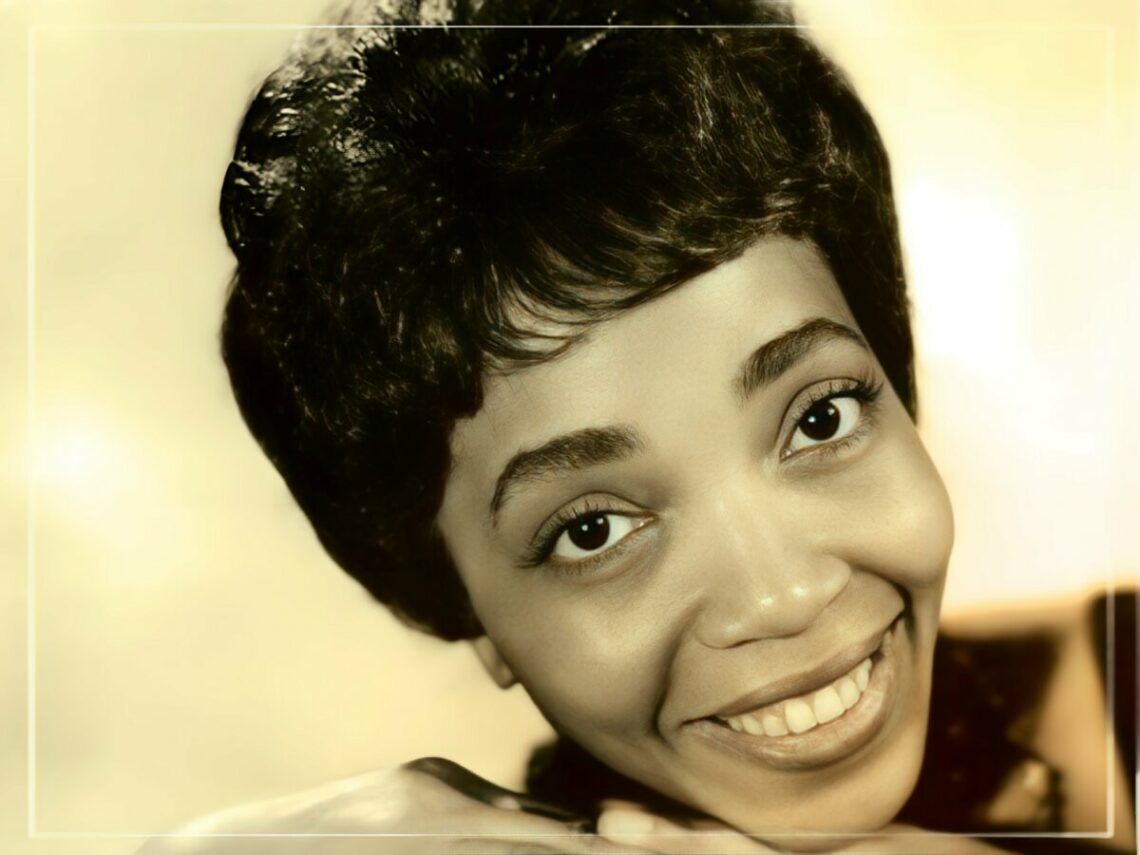
‘Afro-Harping’: how Dorothy Ashby combined harp music with jazz-funk

From its very early beginnings, jazz has always been an endearingly experimental genre, never afraid to push back against boundaries and musical conventions. Nevertheless, certain themes and ideas became pretty commonplace in the genre as jazz developed during the early 20th century, causing a need for pioneering young musicians to shake things up every once in a while. Throughout the 1950s and 1960s, few jazz artists were as adept in breaking down these boundaries as the Detroit-born composer Dorothy Ashby.
Born into a musical family in Detroit, Ashby had jazz running through her veins, with her father being a noted jazz guitarist and a prominent figure within the local scene during the 1930s. As a young girl, Ashby was said to have provided piano accompaniment to her father’s guitar playing. Over the course of Ashby’s adolescence, she attempted to learn a variety of instruments, including the saxophone and string bass, before eventually coming upon the harp. Harps, at that time, were almost exclusively used in classical music, but Ashby had the idea to change that reputation.
Although she continued for some years as a jazz pianist, the harp had become Ashby’s weapon of choice by the early 1950s, and it was with that instrument that she would begin her recording career. 1957 saw the release of her first full-length album, The Jazz Harpist, which featured original compositions by the harpist, in addition to a few jazz standards. Despite jazz having an apparent love for inventiveness, the record largely flew under the radar, as there simply wasn’t a market for jazz played on a harp.
Those who wanted to hear harp music during the 1950s tended to favour classical harp music, and those who favoured classical music tended to look down upon jazz as an inferior form of musical expression. It must also be remembered that the United States was hardly a welcoming place for a Black woman during the mid-20th century, and Ashby was forced to deal with a horrific level of prejudice and discrimination within the music industry.
“It’s been maybe a triple burden in that not a lot of women are becoming known as jazz players,” Ashby said in a 1983 interview, “There is also the connection with black women. The audiences I was trying to reach were not interested in the harp, period—classical or otherwise—and they were certainly not interested in seeing a black woman playing the harp.” Nevertheless, Ashby continued on her musical quest, creating some of the greatest jazz records of the 20th century in the process.
Her magnum opus, the album Afro-Harping, came out in 1968, a period of American music during which virtually everybody was subverting normality and experimenting with their sound. This was the record that best exemplifies the daring, inventive, and often improvisational sounds of the composer, as well as her far too often overlooked quality as a songwriter. Touching upon jazz, funk, soul, and even psychedelia, the album saw Ashby fully embrace her broad range of influences.
Afro-Harping also allowed the musician to explore some of her heritage, with a percussion style reminiscent of traditional African folk music, which acted as a rallying cry against the discrimination faced both by Ashby and the wider Black population of the United States. Its electronic elements were also important, both in upsetting jazz purists and driving the genre forward into new avenues of artistic expression. Jazz, as a movement, had never seen an album like Afro-Harping before – in truth, it hasn’t seen one since.
While today, the harp is still not an instrument that people might automatically associate with jazz, Dorothy Ashby burst open the doors for countless future artists to incorporate the ethereal instrument into their sound. Moreover, she proved that there is always room for innovation and rebellion, even within a genre that presents itself as being defiant and original in its sound.
