


Did the Madchester movement really start in Cornwall?

In the early 1980s, Manchester was a city in crisis, when the factories had ground to a halt, and jobs dissipated into the air, leaving its community of honest, hardworking people on their knees, and it looked like nothing was going to lift them up from that state, not for a long time.
Thus, they were forced to soldier on through an industrial wasteland, but then came a new musical chapter, Madchester, which changed everything. The spiky air of punk that had preceded the decade in this great musical city began to soften, and in its place came an innovative era of genre fusion, blending the indie and rock sensibilities of yesteryear with the vibrant new sounds of acid house.
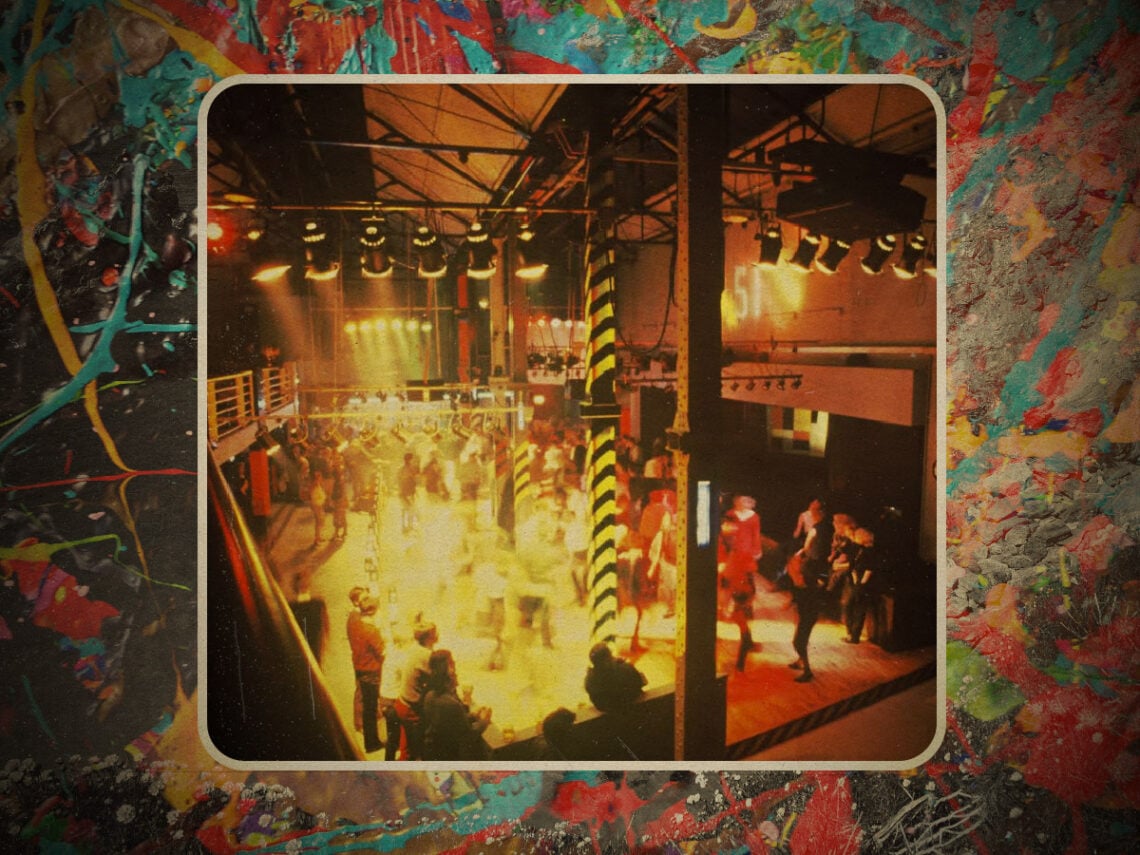
Of course, it all centred around the Haçienda nightclub, the musical mecca nestled away in the city’s urban ruins, relatively unassuming on the outside but bursting with life on the inside, burgeoning this new psychedelic ‘baggy’ sound, pioneered by Happy Mondays and The Stone Roses.
“Suddenly, so many more people were interested in house music, and they all crowded into the Hacienda,” Joy Division and New Order member Peter Hook recalled of the time, “And all of a sudden, it was steamy. And it was dark. And everyone was off their nut; it was the perfect place for acid house.”
The Stone Roses’ ‘Fools Gold’ captured this sweaty, dense atmosphere of the Haçienda and kick-started the commercialism of the Madchester movement, but while its endless groove and hypnotic guitar licks feel as though they’ve been lifted straight off the Haçienda dancefloor, the reality of its recording couldn’t be further removed if it tried. The Stone Roses camped out in Cornwall’s most remote recording studio, Sawmills, to complete the track and, in doing so, began a longstanding relationship between Manchester’s bands and the sleepy south west county in the process.
On the banks of the River Fowey in Cornwall, this residential studio is wildly removed from any urban nightlife, and requires the bands in question to follow a strict time schedule based on the tidal movements, meaning that the sort of times these musicians would be rolling in from the Haçienda, is the time they would get up to make a start on their music.
“If they tell you to be there at four o’clock to get the gear in and you turn up at five and the tide’s gone, you have to wait 12 hours before your next chance,” ‘Fools Gold’ producer John Leckie explained, “Everything fits on the little boat, and off you go. Then, once you’re there, you can’t get out unless the tide’s in or you want to take a half-hour walk through the woods. It’s a fantastic place.”

Maybe the hypnosis of remote country travel was akin to the transcendence of Manchester’s nightlife, because whatever happened that day in Sawmills clearly worked for The Stone Roses, as they laid down one of the most iconic tracks in history, sparking the Madchester movement in the process.
In the decade that followed, a catalogue of Manchester bands followed suit and began reading the tide times in conjunction with their lyrics, with both The Verve and Oasis descending on Sawmills to lay down parts for their albums A Storm In Heaven and Definitely Maybe, respectively, defining the north west’s influence on British music, in the process.
