


The 1979 song Robert Plant couldn’t stand returning to: “I rue it so much now”

The journey that Robert Plant has had ever since leaving Led Zeppelin has been nothing short of miraculous.
Anyone else would have been chasing after the same high that Zeppelin gave them the rest of their lives, but Plant was much more interested in following his muse and leaving the ‘Golden God’ presence in the past whenever he made a new record. He didn’t need to be defined by one sound for all of his days, and when listening to some of Zeppelin’s discography, not being known as their frontman was probably a good thing on half of those records.
Then again, if you even dare to tell a classic rock fan that Zeppelin had a bad album, you’re liable to get your ass kicked. The legendary run that they went on all the way up to John Bonham’s death is a miracle, and even though they had peaks and valleys, no one was going to be the jackass that said that Houses of the Holy is a little bit less brilliant than their untitled fourth record or anything. But with Plant, it’s easy for him to be a little bit more objective.
He was the one in the studio whenever they were making those songs, so he knew what they were supposed to sound like every time they were played. And when some of them fell through the cracks, it was easier for him to notice when that ‘Percy’ persona wasn’t working like it was supposed to. And if we’re talking about the band’s ‘lesser’ albums, it usually comes all the way back to the final two records in their catalogue.
At the same time, Presence and In Through the Out Door are far from bad records for most of their runtime. Some songs don’t hold a candle to the likes of ‘Kashmir’ or anything, but any album that has a song like ‘All My Love’ on it can’t be objectively terrible. Then again, Plant did have more than a few hangups with the way the band’s final proper album was mixed when he could barely hear his voice.
Jimmy Page’s production style was always one-of-a-kind, but even if songs like ‘Carouselambra’ were great, Plant felt that he should have never let his voice get buried, saying, “I thought parts of ‘Carouselambra’ were good, especially the darker dirges that Pagey developed. I rue it so much now, because the lyrics on ‘Carouselambra’ were actually about that environment and that situation. The whole story of Led Zeppelin in its latter years is in that song, and I can’t hear the words.”
But the fact that Page buried some of the vocals may have been his way of putting more of himself into the mix. Presence had been his moment to make a guitar-heavy record on every single track, and even if the rest of the band didn’t feel like they were contributing, their swan song really is a collaboration between John Paul Jones and Plant half the time, especially now that Jonesy had a new toy in the ‘Dream Machine’ synthesiser.
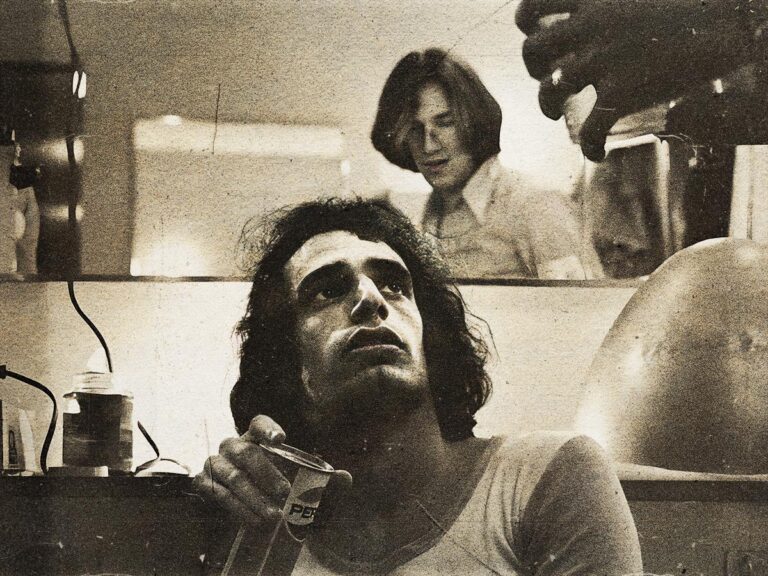

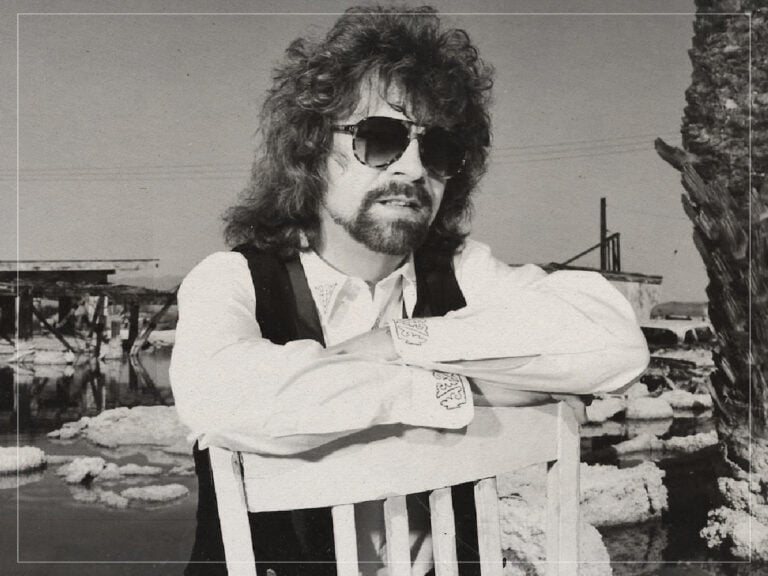
What makes it all the more unfortunate is the fact that the band seemed to be building to something on a record like this. No one would have imagined that everything would be cut so short when Bonham died, and even if they were going in a less guitar-heavy direction, it would have been interesting to see what Plant would have done had he been able to hear himself a little better on the final product.
In Through the Out Door still isn’t a terrible record by any stretch, but the one thing worse than being terrible is disappointing, and a lot of the issues that Plant had were in knowing what the record could have been. He had the chance to make something unprecedented, but he was going to have to settle for a record that made you turn up the volume a little bit to hear his voice properly.

Never Miss A Beat
The Far Out Led Zeppelin Newsletter
All the latest stories about Led Zeppelin from the independent voice of culture.
Straight to your inbox.