


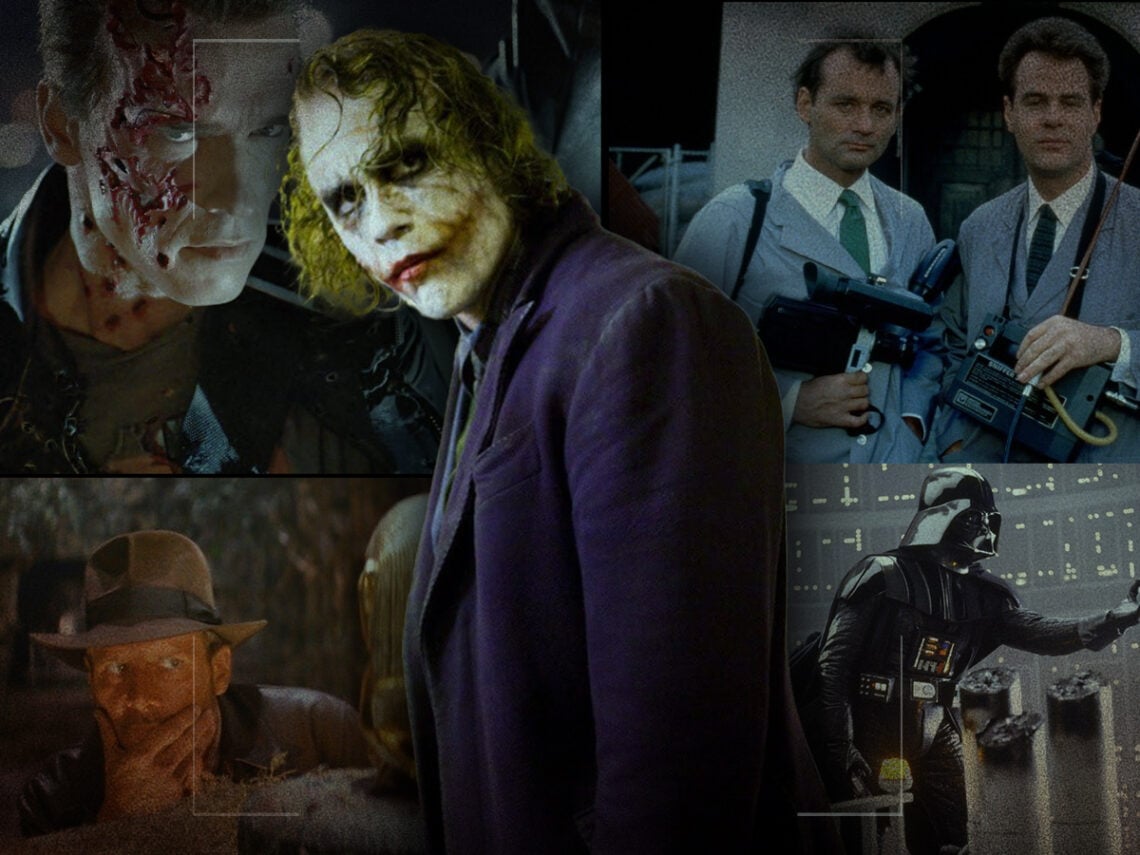
Cinema’s 10 definitive summer movies

Summer is when Hollywood mounts its campaign to curry audience favour.
The summer movie season is perhaps the most important time of the year for the industry, as it is when films must perform well enough to justify studio expenses. Ever since 1975, Hollywood has taken advantage of the fact that those on school break and vacation will come out in droves to see the newest exciting releases, with a lot of attention paid to action, adventure, comedy, animated, and superhero films. This period seems to grow bigger each year, with greater expectations placed on the box office; although there used to be only a few major tentpoles out over the four months, there’s now a significant, high-profile title nearly every weekend.
This summer alone boasts a lot of interesting questions about what will perform well. Spider-Man: Brand New Day is tipped to do well based on just how much Spider-Man: No Way Home overperformed, but the recent success of animated sequels could indicate that Toy Story 5 might be the one to beat. Of course, what ends up making money isn’t always what is the best; The Odyssey will likely have critics on its side, but that can’t be said about the live-action remake of Moana.
Summer movies don’t necessarily have to be about the summer, as it’s usually a term that describes the sort of populist, escapist entertainment that is released from the beginning of May to the end of August. Although there have been a few ‘Best Picture’ winners in recent years that were released during the summer, including Coda and Oppenheimer, it’s generally a period that is designated for franchise films and releases from major studios.
The 10 definitive summer movies:
‘Terminator 2: Judgment Day’ (James Cameron, 1991)
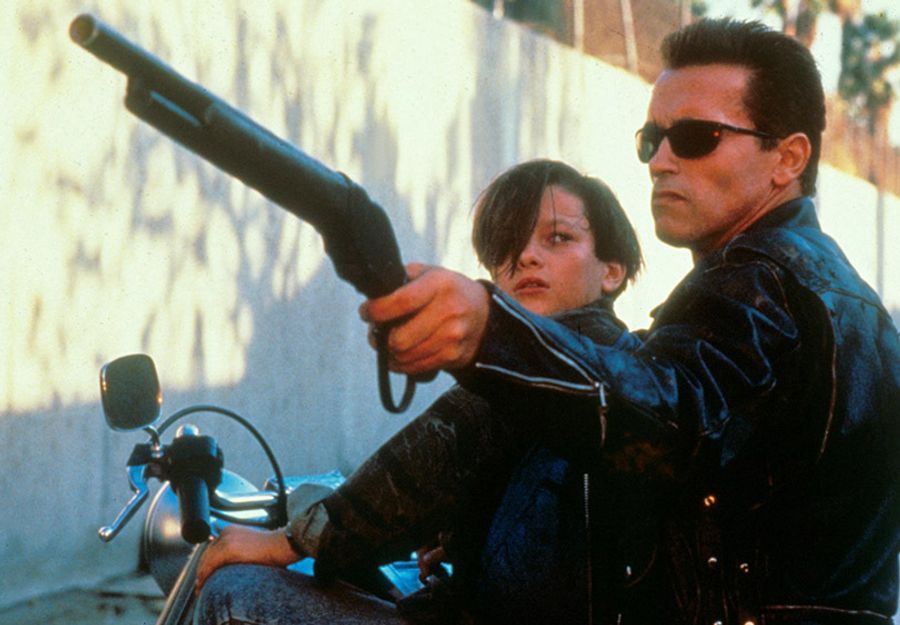
James Cameron has under his belt four of the biggest films ever made, but the director solidified himself as a titan of summer movies because of what he did to improve The Terminator franchise with one of the greatest sequels of all time, Terminator 2: Judgment Day, which took the grounded, neo-noir thrills of its predecessor and remodelled it into an epic, sprawling action-adventure that brilliantly transformed Sarah Connor, played by Linda Hamilton, into a vengeful hero and made Arnold Schwarzenegger’s T-800 one of the good guys.
Few would have expected a sci-fi action film about time travel and robots to be so emotional, but Judgment Day featured groundbreaking use of computer-generated imagery in the creation of Robert Patrick’s T-1000, which predated the visual effects in Jurassic Park by two years.
‘Mad Max: Fury Road’ (George Miller, 2015)
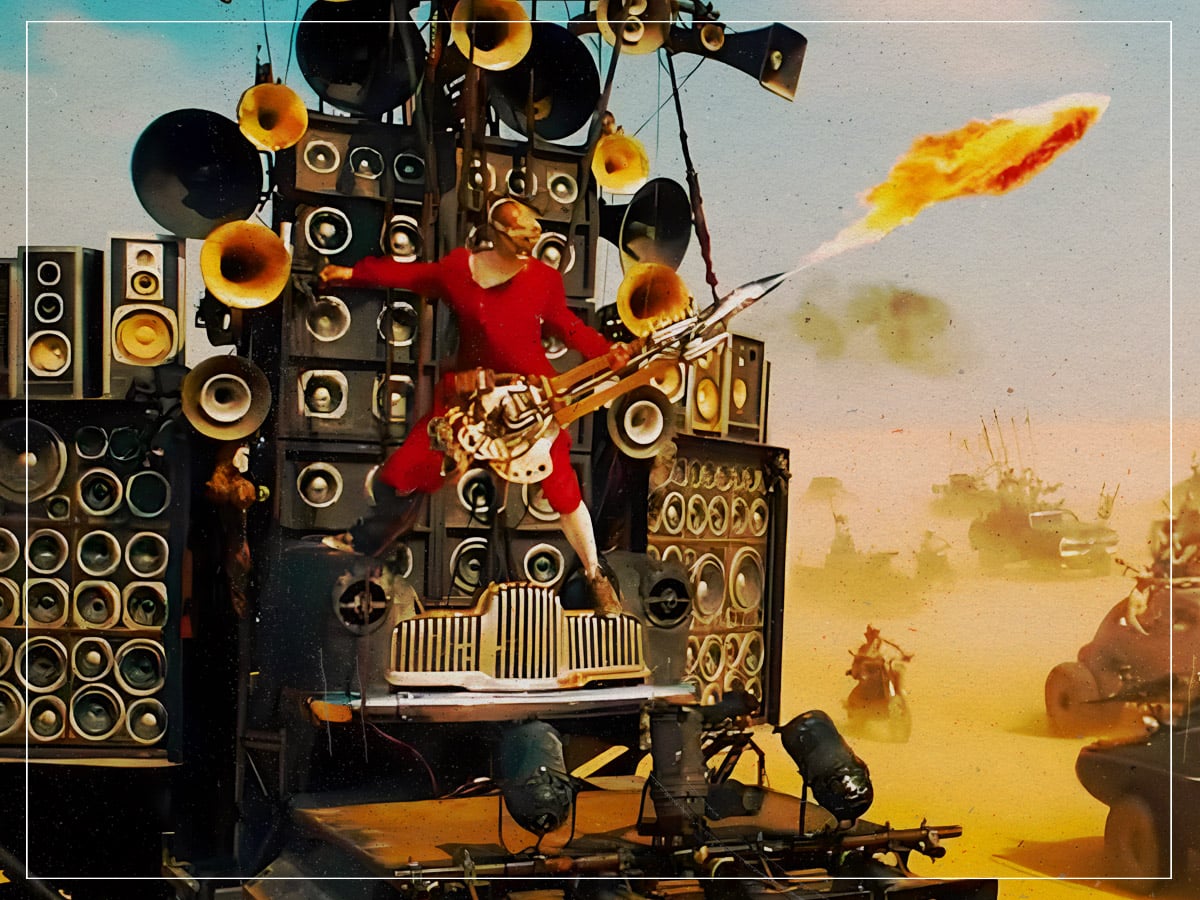
It was presumed that George Miller had put the Mad Max franchise in the rearview after the release of Mad Max Beyond Thunderdome in 1985, making it surprising when Fury Road went into production, and even then, all the stories about the on-set conflicts seemed to indicate that it would end up being a massive disaster. However, Miller silenced his doubters by creating a propulsive, two-hour chase that was instantly heralded as one of the greatest action films ever made.
Miller ditched CGI to use practical stunts and effects to create a gritty, nonstop thrill ride, and many of his fellow directors couldn’t believe that he pulled it off. While Tom Hardy proved to be more than a suitable replacement for Mel Gibson in the titular role, it was Charlize Theron as Imperator Furiosa who ended up stealing the film.
‘Back to the Future’ (Robert Zemeckis, 1985)
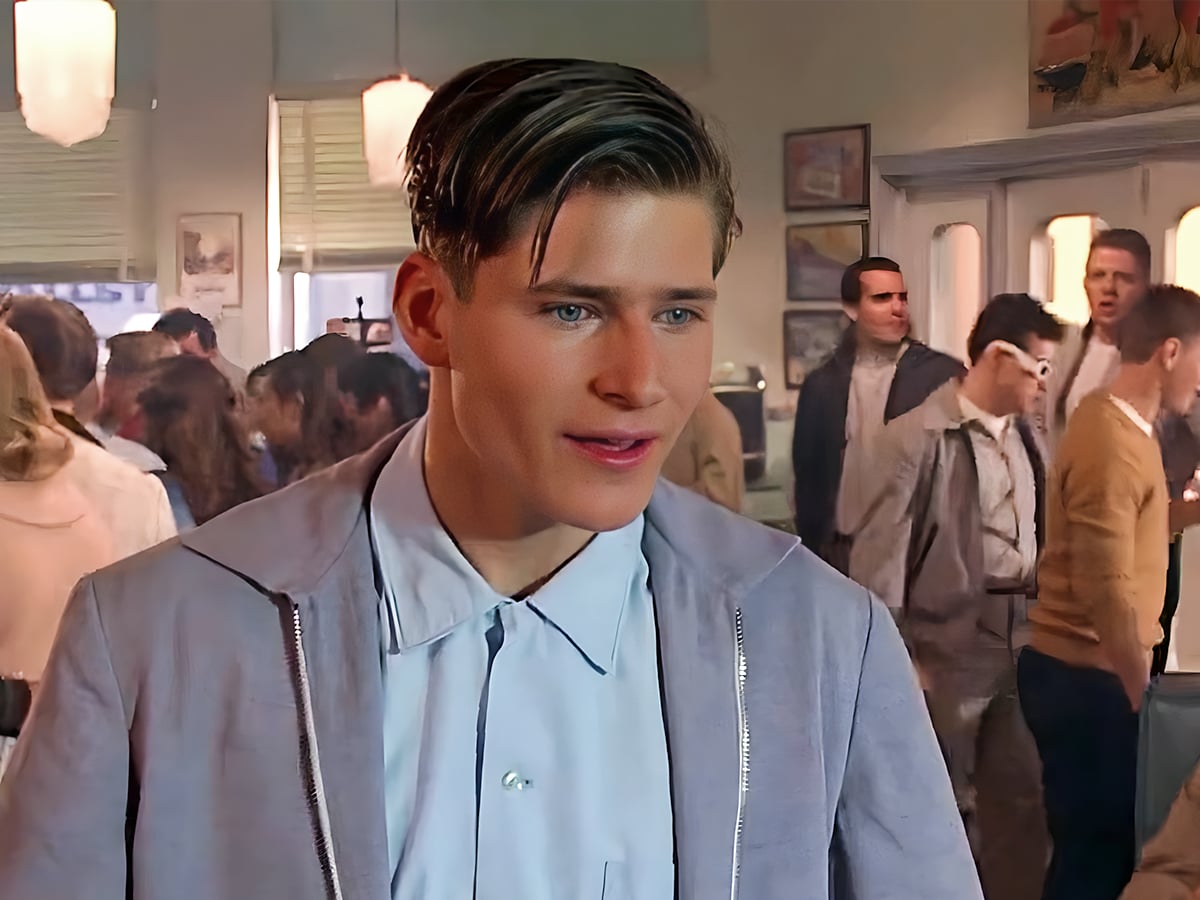
Back to the Future took some time to come to fruition, as early drafts didn’t quite crack the right tone, and for a brief instance, Michael J Fox wasn’t able to star as Marty McFly, but ultimately, because it was a film nostalgic for the ‘50s that was representative of the ‘80s, Robert Zemeckis figured out how to make the high-concept comedy work using special effects to add just the right amount of adventure, spectacle, and rock ’n’ roll.
Fox’s Marty became one of the defining characters in the ‘80s, as he was paired with Christopher Lloyd’s Doc Brown for a perfect duo, and although Zemeckis and most of the cast returned to complete one of the most perfect trilogies of all time with the two sequels, the original Back to the Future is still the single best instalment overall.
‘Ghostbusters’ (Ivan Reitman, 1984)
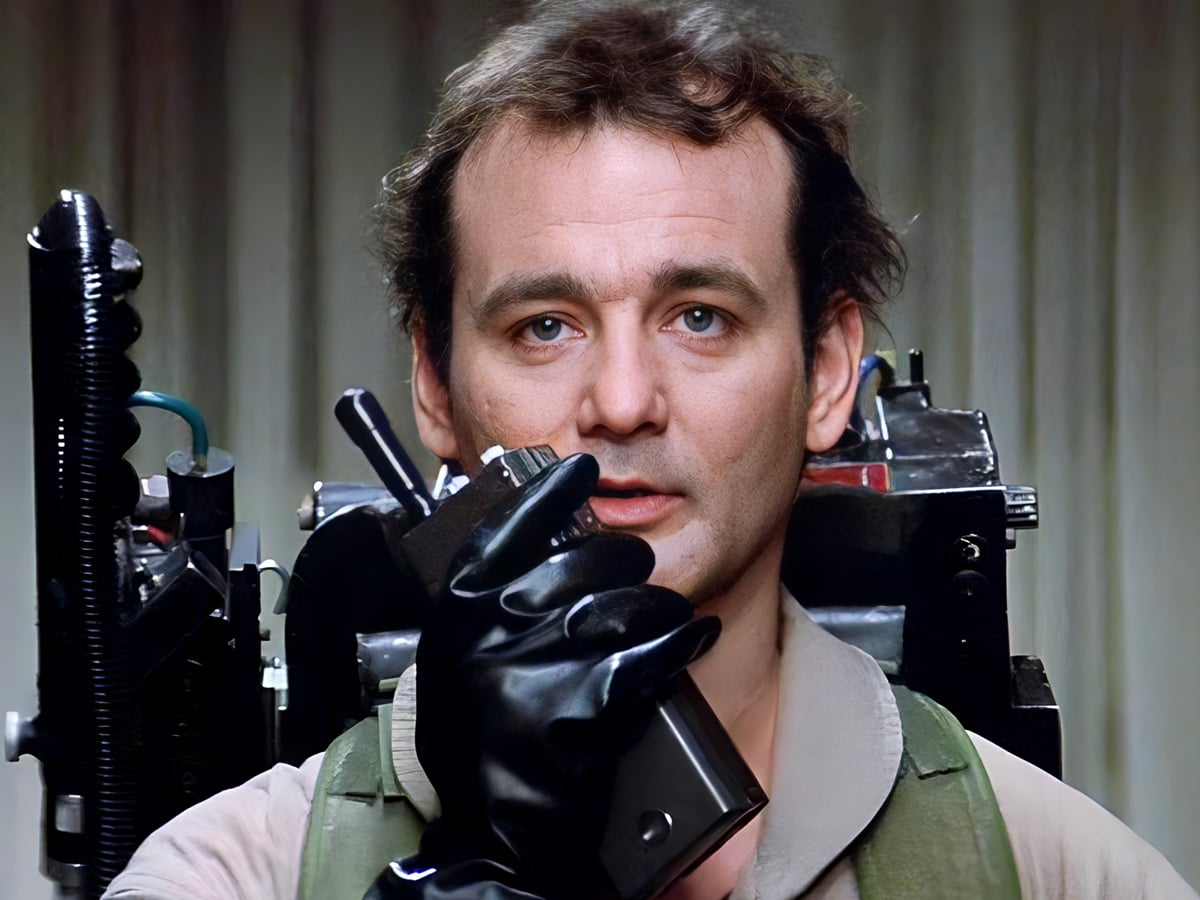
Ghostbusters is one of the greatest concepts for a high-concept comedy ever, which saw Ivan Reitman able to make a supernatural adventure ostensibly about running a business. The success of Saturday Night Live had turned Dan Aykroyd and Bill Murray into megastars, and their perfect comic timing is what made Ghostbusters a generational hit, which was just scary enough to have an edge, silly enough for kids to enjoy it, and surprisingly satirical in ways that have become more rewarding for audiences as they have grown up.
Murray’s sarcastic persona was the ideal way to make Ghostbusters feel cool, despite its ridiculous premise, and his romantic chemistry with Sigourney Weaver is well-handled. It’s remarkable how little the film has aged, and how the reveal of the Marshmallow Man still makes for a perfect third act; although, the less said about the rest of the franchise, the better.
‘Saving Private Ryan’ (Steven Spielberg, 1998)
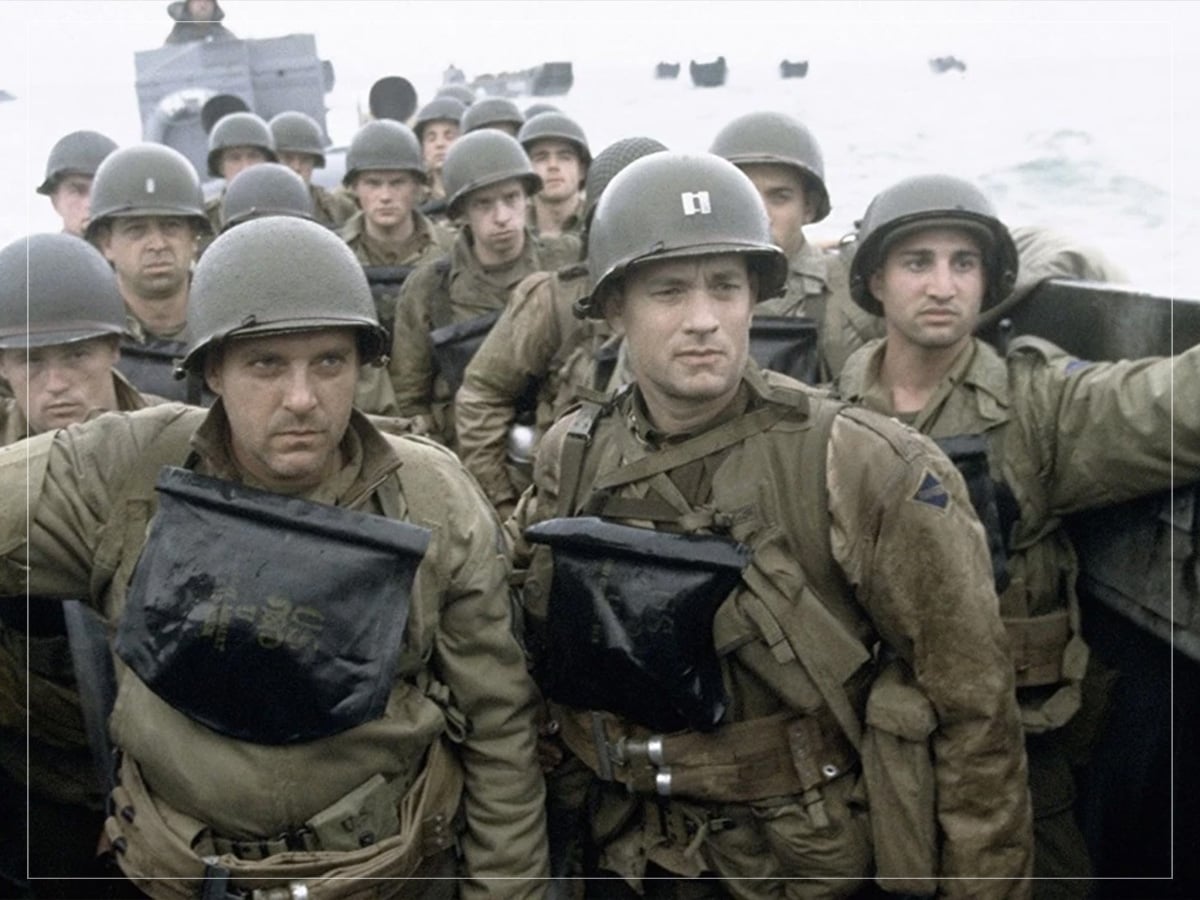
Steven Spielberg had already proven himself to be the undisputed champion of making summer movies, but getting audiences to back Saving Private Ryan was a much more impressive achievement than attracting them to more crowd-pleasing fare like ET the Extra-Terrestrial or Jurassic Park (both of which briefly held the record of being the highest-grossing films of all time).
One of the most immersive and violent World War II films ever made, Saving Private Ryan earned praise from veterans for its realism, riding a wave of acclaim and patriotism to be one of Spielberg’s biggest hits. Although the opening D-Day sequence ranks among the most ambitious action scenes ever put on film, the film also poses deeper questions about patriotism, sacrifice, and honour by exploring the complex relationship between Tom Hanks’ Captain Hiller and the titular Private James Ryan, played by Matt Damon.
‘The Dark Knight’ (Christopher Nolan, 2008)
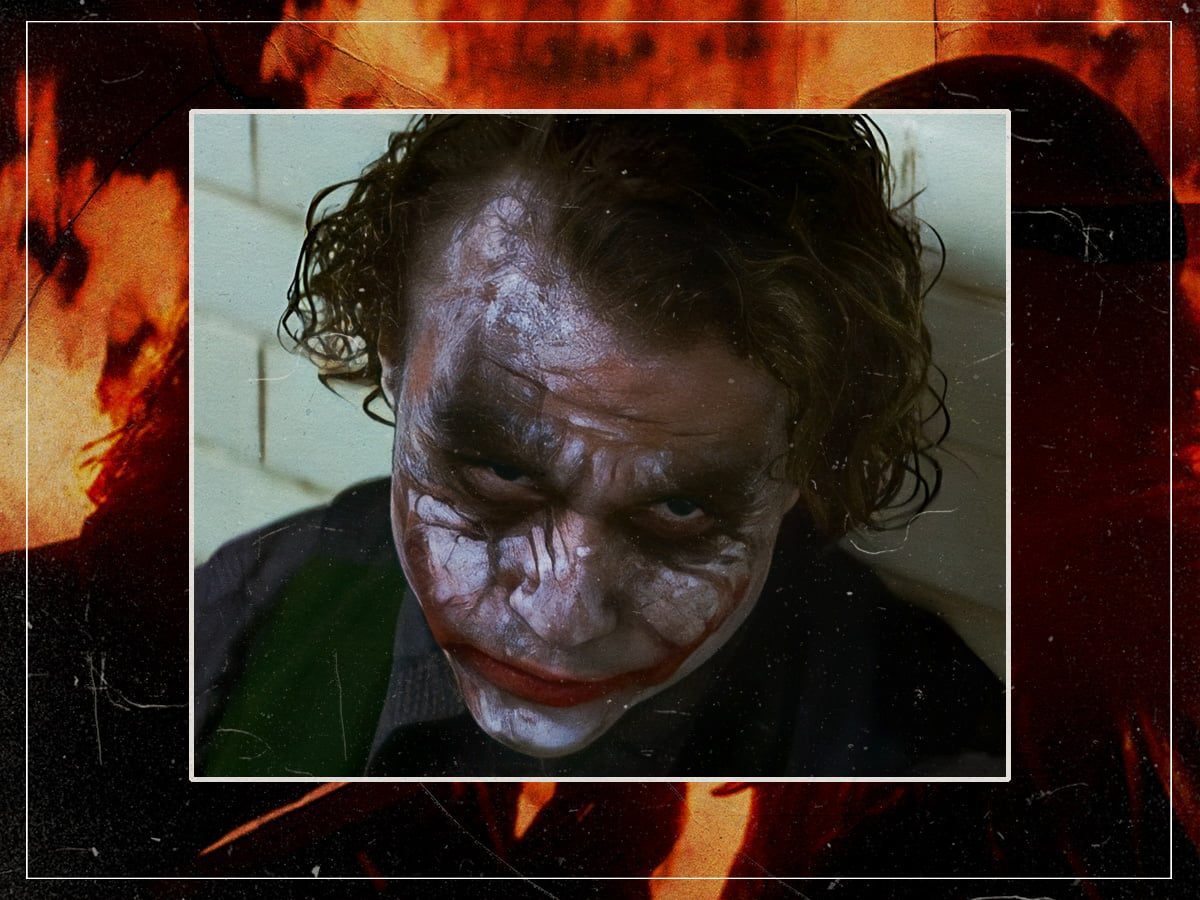
Christopher Nolan had already helped to relaunch the DC comics character with the acclaimed reboot Batman Begins, but he had set his ambitions higher because of his obsession with summer movies, so he transformed the Batman franchise into a mob epic in the style of Michael Mann and Francis Ford Coppola, offering us The Dark Knight which explored how the triumvirate of Bruce Wayne, District Attorney Harvey Dent, and Police Commissioner Jim Gordon attempt to shut down crime in Gotham City, only to have their world rocked by the inexplicable mayhem caused by Heath Ledger’s Joker.
Ledger sadly died six months before The Dark Knight hit theatres, but his performance became a cultural landmark that was distinguished as one of the best villains of all time, and later earned him a posthumous Academy Award for ‘Best Supporting Actor’.
‘Jaws’ (Steven Spielberg, 1975)
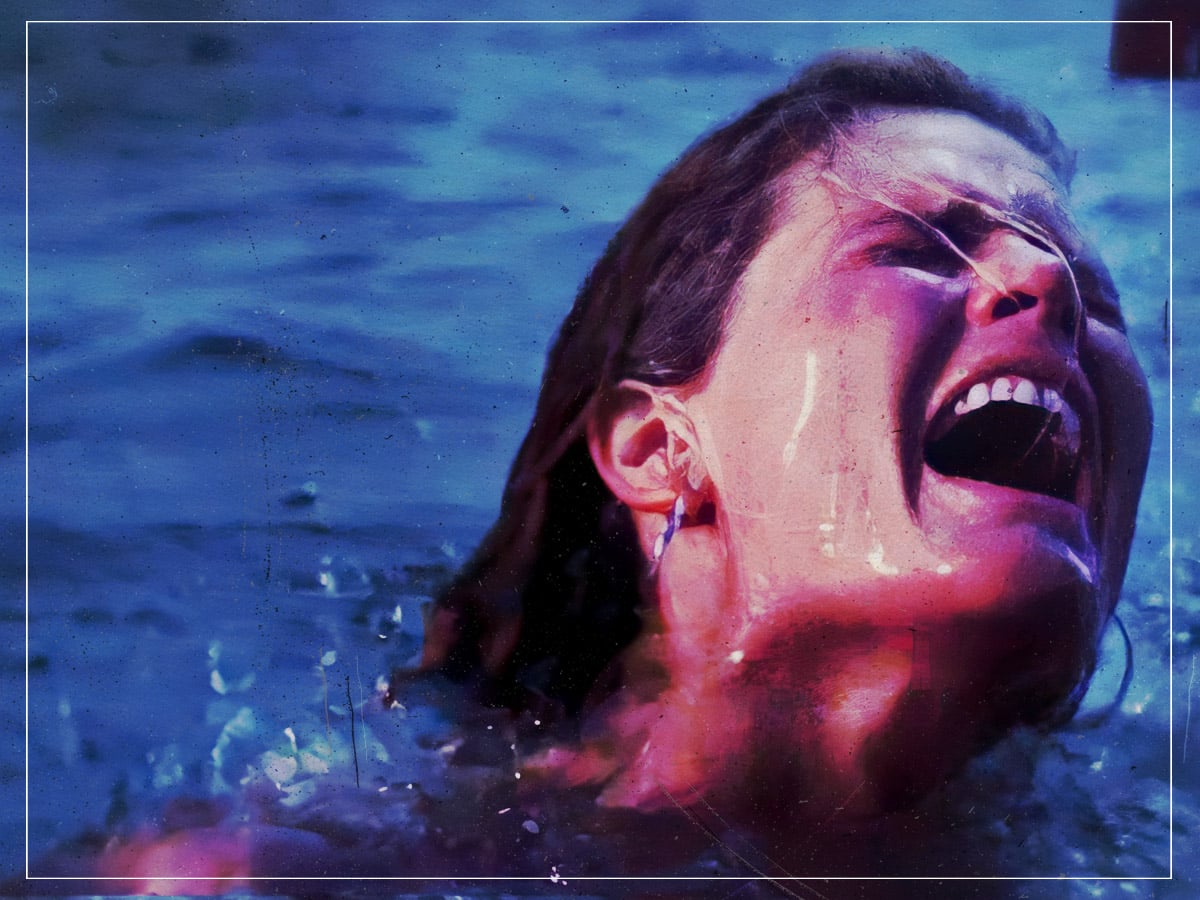
Jaws created the summer movie season phenomenon, as it was June 1975 when lines circled around theatres during the release of Spielberg’s masterpiece, and thus the term ‘blockbuster’ was coined. Spielberg had faced innumerable problems on set due to technological fails and the production being behind schedule, leading him to believe that his career would be over before it got the chance to begin, but as it turned out, Jaws worked because audiences developed a genuine fear of the ocean, thanks to the brilliant ways in which the shark was hidden, and for how John Williams’ score created an atmosphere of suspense.
It may not have been the first ‘animal attack’ movie, but Jaws was a genuinely engaging film on an emotional level because of the memorable performances by Roy Scheider, Robert Shaw, and Richard Dreyfuss (even if the latter two famously didn’t get along).
‘The Empire Strikes Back’ (Irvin Kershner, 1980)
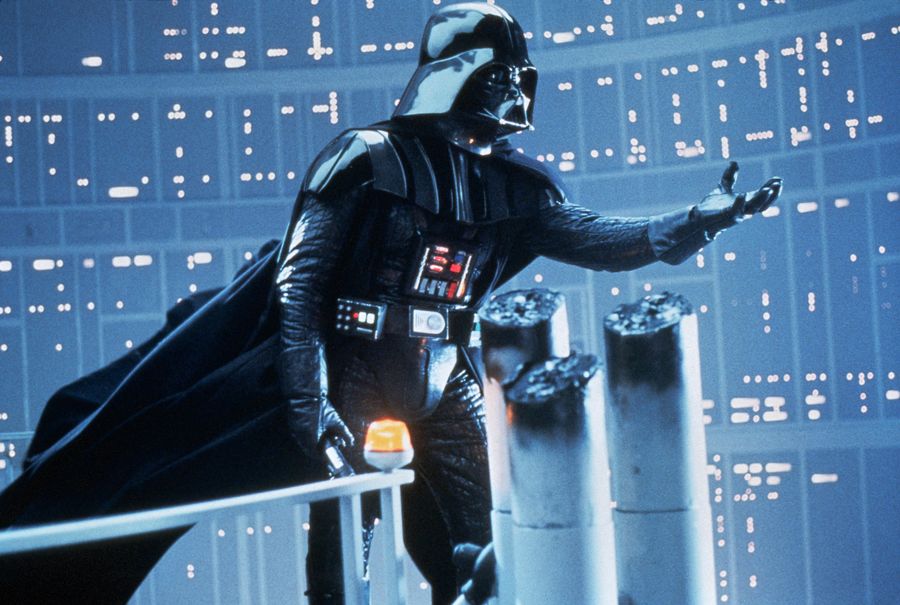
Star Wars had been such a taxing production for George Lucas that he handed over directing duties for the sequel to his mentor, Irvin Kershner, who took the franchise in a darker direction, opting for a shocking ending when the heroes lose.
The Empire Strikes Back features two of the most memorable dialogue exchanges in film history, the first being Harrison Ford‘s Han Solo saying, “I know”, when Carrie Fisher’s Princess Leia decalres her love for him as he’s lowered into the carbonite freezing chamber, and the second is Darth Vader’s revelation that he is Luke Skywalker’s father, which might also be one of the most shocking plot twists in film history. Standing as a blockbuster entertainer with surprising depth, between the icy winter of Hoth and the creepy swamps of Dagobah, the instalment added texture to the Star Wars universe with the mature and existential direction that it opted for.
‘Raiders of the Lost Ark’ (Steven Spielberg, 1981)
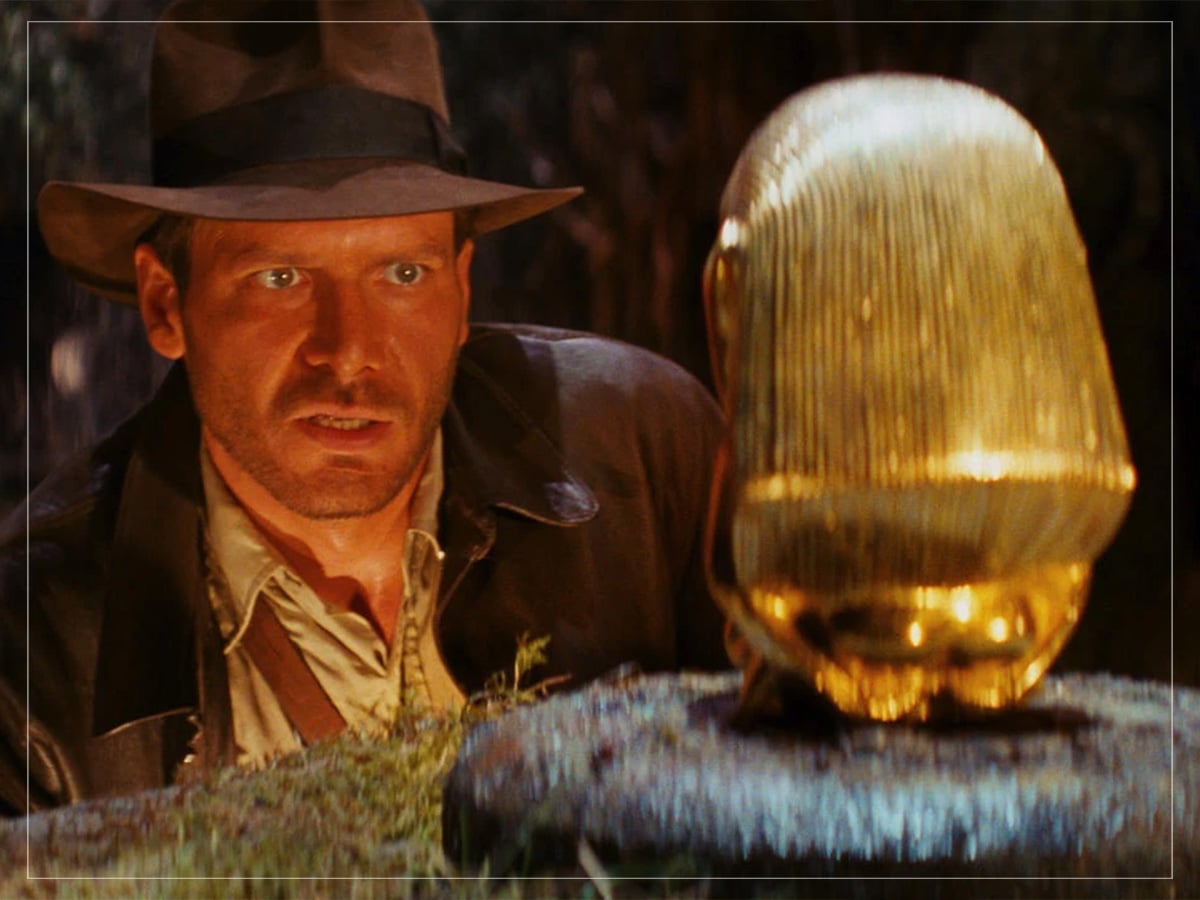
George Lucas created Indiana Jones when Spielberg admitted that he was disappointed that he could not direct a James Bond film, promising him an adventure epic that was even better. Raiders of the Lost Ark drew from the tomb-raiding adventure serials of the ‘30s with the context of a pulpy World War II action film, telling an exciting story about the search for treasure and the ultimate reluctant hero.
Ford has never been better suited for a role than he was for Indiana Jones, a character who is somehow still vulnerable, despite being a globe-trotting archaeologist, a slick professor, and a great romantic interest to Marion Ravenwood, played by Karen Allen. Most movies would be lucky enough to have one all-time great action scene, but it’s hard to choose a standout moment in Raiders of the Lost Ark.
‘Star Wars’ (George Lucas, 1977)
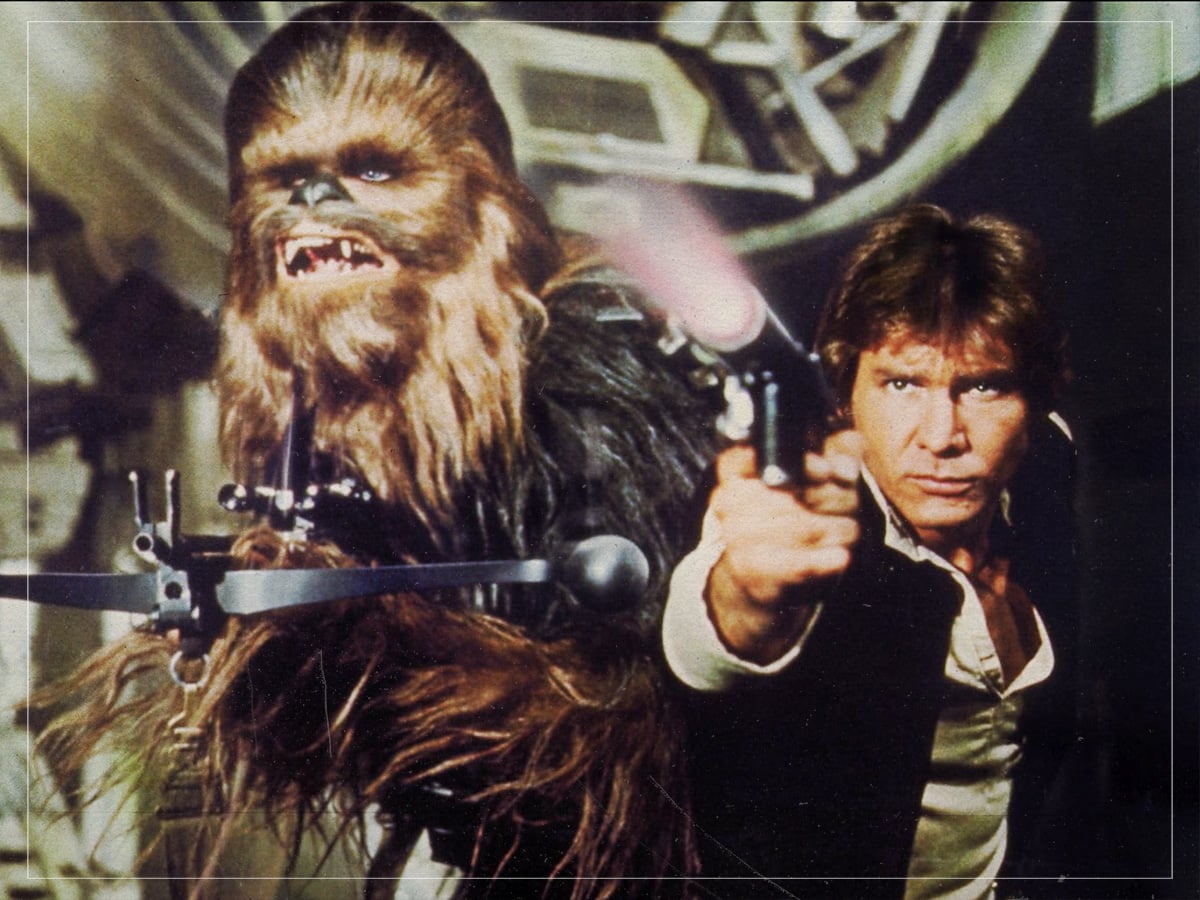
Star Wars solidified the blockbuster movement that began with Jaws, but Lucas drew from an even wider circle of influences with his space opera, and while it was widely compared to science fiction serials like Flash Gordon and Buck Rogers, the franchise was influenced by the samurai films of Akira Kurosawa, the grand western adventures of John Ford, the philosophy of Joseph Campbell, the mythology of Arthurian legend, and the anti-establishment sentiments that had risen among America’s youth within the Vietnam War.
Star Wars featured perhaps the greatest score of all time, created dozens of iconic characters, revamped the way that specific effects were used in film, proved that sci-fi could be funny and relatable, and developed a deep, complex mythology about an entirely original universe that has been expanded to encapsulate many more stories in the nearly 50 years since its debut.
