


Chicago the band vs Chicago the city: How a lawsuit turned into an ambassadorship

If you’re a big fan of Chicago, the band, and you want to see the stretch of road that’d been dedicated to them in their hometown of Chicago, you might be frustrated to learn that the ‘honorary’ Chicago Avenue is also a section of the regular, pre-existing one, a street that runs from Lakeshore Drive all the way out to the city’s western suburbs.
Maybe it sounds ridiculous to ceremoniously change the name of a road from Chicago Avenue to ‘Chicago’ Avenue, but then again, fans of this particular rock and roll band have been navigating these waters for nearly 60 years, from the group’s early refusal to nail down a clear identity up through the arrival of internet search engines, when trying to look up ‘Chicago tour dates’ inevitably meant getting hundreds of unrelated results for other gigs going on in the ‘Windy City’.
As band names go, Chicago might not be the all-time worst in terms of Googlability (that honour likely goes to The The), but it certainly belongs in the pantheon of generic geographical missteps, alongside fellow 1970s staples like Kansas, Boston, Alabama, and of course, America. Even if you keyword search “Chicago” on Far Out, you’re gonna find results for articles about the place and the band all bunched together. We apologise.
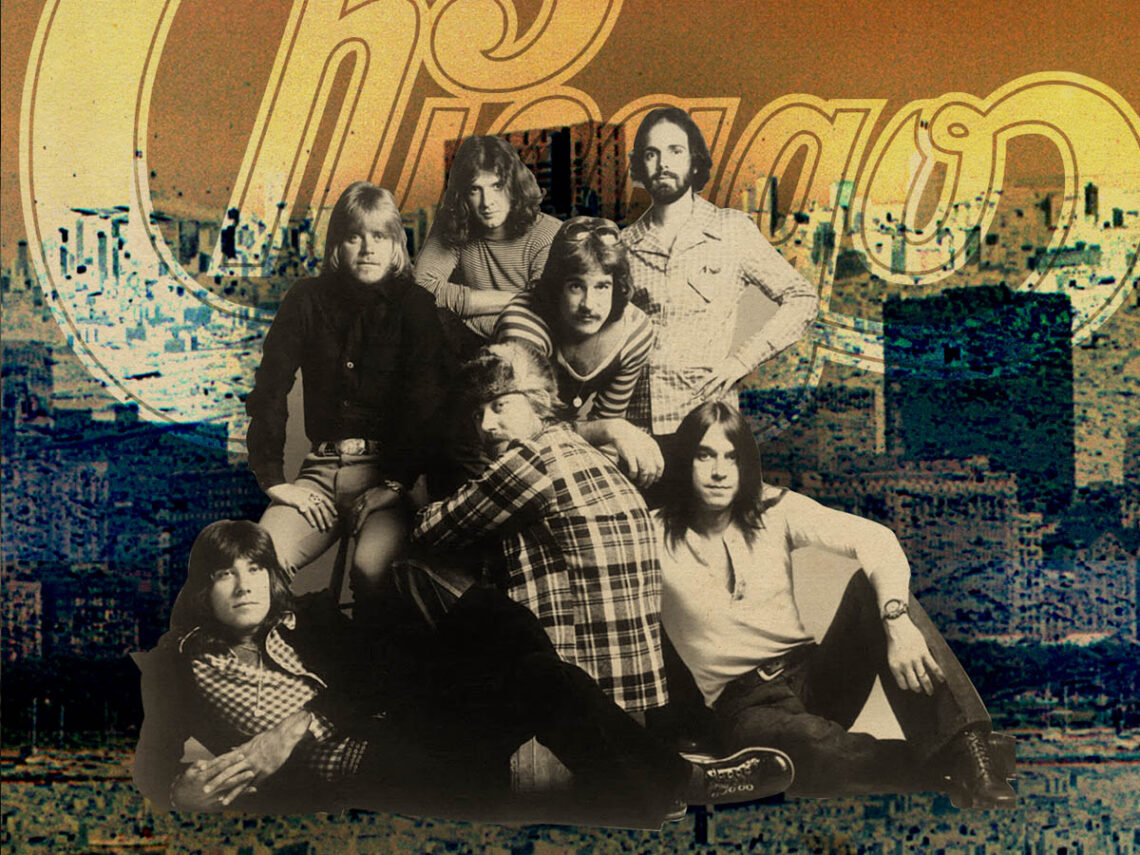
It didn’t have to come to this; back in 1968, when the earliest incarnation of Chicago were playing cover songs in local clubs, they were doing so under funky band names like The Missing Links and The Big Thing. Aiming for a retro 1950s style, they also looked and sounded fully out of step with the trends of the day, coming out on stage wearing sharkskin suits and pompadour haircuts. Eventually, a switch to long hair, beards, and blue jeans got them taken more seriously, and a record deal became a viable goal.
The band’s producer and manager, James Guercio, felt that a focus on original jazz-rock material also required a rebranding, and the decision was eventually reached to pay homage to their hometown, with the idea that the band’s unique blend of different styles and influences was a direct reflection of the ethnically and culturally diverse city of Chicago itself. Guercio was far too clever, however, to merely suggest calling the group Chicago.
Instead, he and the band, which already included key members Terry Kath, Peter Cetera, Danny Seraphine, Lee Loughane, Walter Parazaider, and Robert Lamm, settled on ‘The Chicago Transit Authority’, a nod to the city’s public transport system and its famous elevated train, known to locals as ‘the L’.
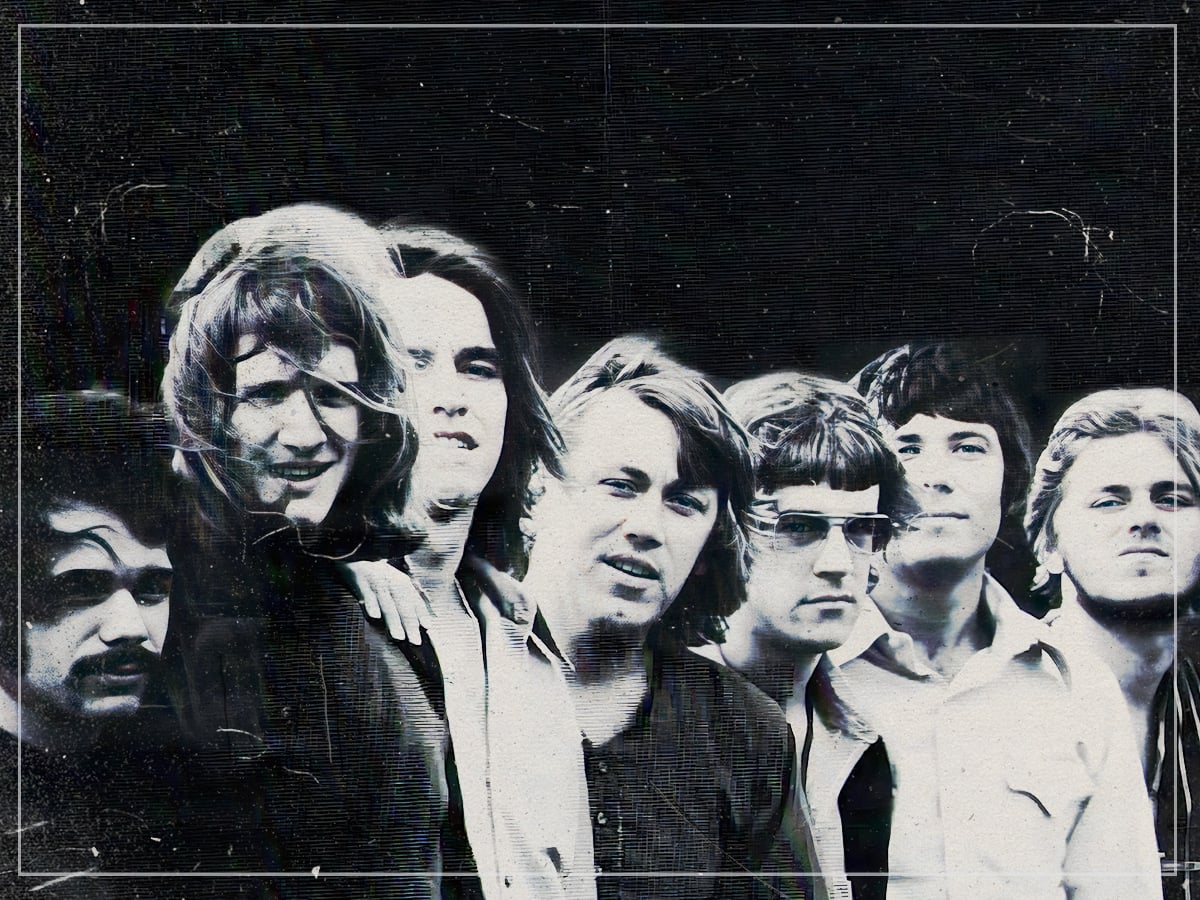
This was the dawn of the golden age of three-word band names, including the similarly-minded Blood, Sweat & Tears, as well as Three Dog Night, Electric Light Orchestra, and Blue Oyster Cult, so the concept looked like a winner. It sounded cool, it had gravitas, and the abbreviation of CTA, already quite familiar to the commuters of Chicago, would undoubtedly look great on a bass drum head.


Oddly enough, though, the other important part of the band’s new development strategy involved leaving Chicago behind and moving to Los Angeles to develop their sound and get closer to the industry, a move that did ultimately get them signed to CBS Records, but sort of made them a paradoxically West Coast band in the process.
Of course, as Chicago’s own Joe Kerry put it in his recent hit single ‘End of Beginning’, “You take the man out of the city, not the city out the man”, and so, the LA version of the CTA remained proud representatives of their hometown, right up until the point that their hometown tried to shake them down. In 1969, the debut, self-titled double album from the Chicago Transit Authority became something of a cult sensation, and the band’s ensuing tour put them on the national radar.
“Your life dream is to have a hit record,” woodwind maestro Walter Parazaider said of this period, as quoted on the official Chicago (the band) website, “It was amazing because we were close friends, we had gone through all of this upheaval of leaving Chicago, moving to LA at a young age, leaving our families, just rolling the dice. We stuck real close together, kept everybody’s ego in check. I think for some guys in the group it was harder to cope with the success than others… The one good thing that seemed to help us is, we were the faceless band behind that logo.”
That logo, unfortunately, had also caught the attention of somebody in the stodgy offices of the actual Chicago Transit Authority, the government agency that had been in operation for 20 years, running all the trains and buses in the greater Chicago area. Had the executives of the CTA and their boss, the iron-fisted Chicago Mayor Richard Daley, had a bit more foresight, they might have appreciated the potential marketing opportunities of a hip new rock and roll band carrying their agency’s name far and wide, bringing positive attention to an old, less-than-glistening subway system. Instead, officials from the government reached out to Guercio and CBS, threatening immediate legal action for the unlicensed use of the CTA name.

If this conflict had sprouted up two years later, when Chicago had emerged as one of the biggest bands in the country, some sort of financial negotiation might have been peacefully reached. But with their debut album proving to be more of a slow burner in terms of sales, the decision was made to avoid any litigation or pay-outs entirely, and to simply change the name of the band from the Chicago Transit Authority to the simplified and un-trademarked Chicago.
Not wanting to look like they’d been backed into a corner or surrendered to pressure from white-collar squares, the members of Chicago had a wide variety of explanations for the name change in 1970. Trombone player Jim Pankow told reporters that the whole thing was really about trying to reduce confusion among its fans, some of whom thought the Chicago Transit Authority and their nickname, CTA, were two different bands. Walt Parazaider, meanwhile, claimed that “we shortened it to Chicago because [the old name] was too big for marquees”.
Almost as if they were determined to never face any sort of name-related controversies again, Chicago, the band, famously began a tradition of self-titling almost all of their subsequent albums, with the addition of some roman numerals for organisational purposes. By the mid 1970s, the band was far too commercially successful and ubiquitous on the airwaves to worry about any further confusion from their listeners. Albums V, VI, VII, and VIII all went straight to number one in America, and songs like ‘Saturday in the Park’ and ‘Just You ‘n’ Me’ were inescapable.
Suddenly, rather than threatening to sue the band, politicians from Chicago were lining up to praise them. At one of the band’s gigs in 1979, shortly after the tragic death of guitarist Terry Kath, the US Ambassador to Norway, a Chicagoan named Louis A Lerner, told reporters why Chicago, the band, meant so much to Chicago, the city.
“There is a special reason for my being here,” Lerner said, “Apart from liking the group’s music, I’m also from Chicago. The group has changed the image of the city of Chicago. No longer is it known only as the city of Al Capone, but as a vital place with music coming out of it. This is largely because of the worldwide success of these eight musicians, who named themselves after the city.”
It’s more than a small exaggeration to suggest that nobody knew about the music of Chicago before the rise of Chicago the band. There was, you know, a wee bit of a tradition of jazz and electric blues around those parts for many years prior. Nobody has forgotten about Al Capone, either. But the sentiment was still understandable, and helps explain why City Hall has routinely honoured Chicago, the band, with various plaques and holidays and street dedications in more recent years, celebrating the legacy of the group and its connection to its birthplace. That whole CTA lawsuit thing from 1970? Just an amusing footnote now, the first factoid any new fan of the band tends to learn about.
