


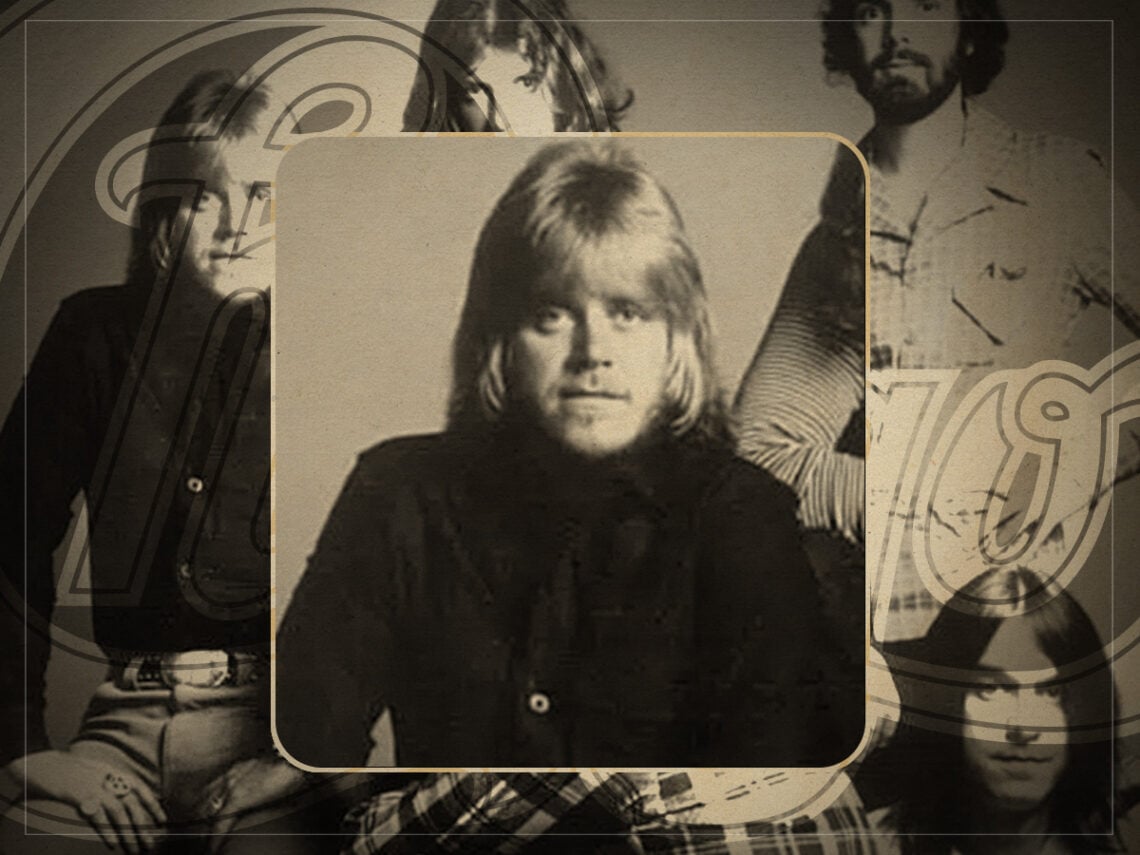
Why Peter Cetera always hated the music of Chicago: “Never my cup of tea”

For a decent amount of time at the start of their career as a band, it seemed as though Chicago were an untouchable force who weren’t able to be moved from their peak, but as with all good things, the highs were not guaranteed to last forever.
Having initially formed in the late 1960s as The Big Thing, and later rebranding as Chicago Transit Authority before finally settling on Chicago by the end of the decade, the group were built on the idea that they could play rock songs with a horn section, and incorporate jazz and blues elements into their sound without ever being fully lumped into either scene. Among the seven original members was a wealth of talent, and with that came an uncanny ability to bring this concept to fruition with ease.
However, the unravelling of the band came towards the end of the 1970s, when founding guitarist and principal songwriter Terry Kath tragically lost his life in 1978. The band were seemingly at a loss of where to go without this guiding light in the band, and saw themselves enter a decline whereby the public were no longer enthralled with what they had to offer.
Members of the group would later question whether they made the right decision in carrying on without Kath, and although their eventual perseverance and change of approach meant that they experienced a resurgence with the release of Chicago 16 in 1982, this would also mark the beginning of the end for frontman and bassist Peter Cetera. However, despite an evident growing frustration from Cetera culminating in his departure from the group in 1985, it would eventually materialise that he had long outstayed the amount of time he’d wished to spend as a member in the first place.
Many things caused the band to spiral out of control at various points, from drug addiction to supposed ties with organised crime groups, but as Cetera would later reveal in a 2023 interview with Classic Rock, his position within the group was never that secure, and the direction of the band was far from the mainstream ambitions he had always held for himself. “Musically, the jazz and blues that the rest of the guys loved was never my cup of tea,” he claimed. “In a way I never really felt part of the group anyhow.”
So, why did he persist and remain with the band for so long if he was never a fan of the material he was performing with them? “I was afraid of being out of work,” he went on to explain, justifying his choice to remain within the group. “It was like a job to me. I had to put up with some stuff I didn’t like in order to do some stuff I did like.”
To stay with a band you’re not a massive fan of for 17 albums spanning as many years is certainly a commitment, and while he may have feared that he wouldn’t be able to re-enter this environment again if he’d pursued his own creative ambitions, you have to admire the patience with which Cetera approached his tenure with the band, and how much he gave to the role in the time he was there.
