


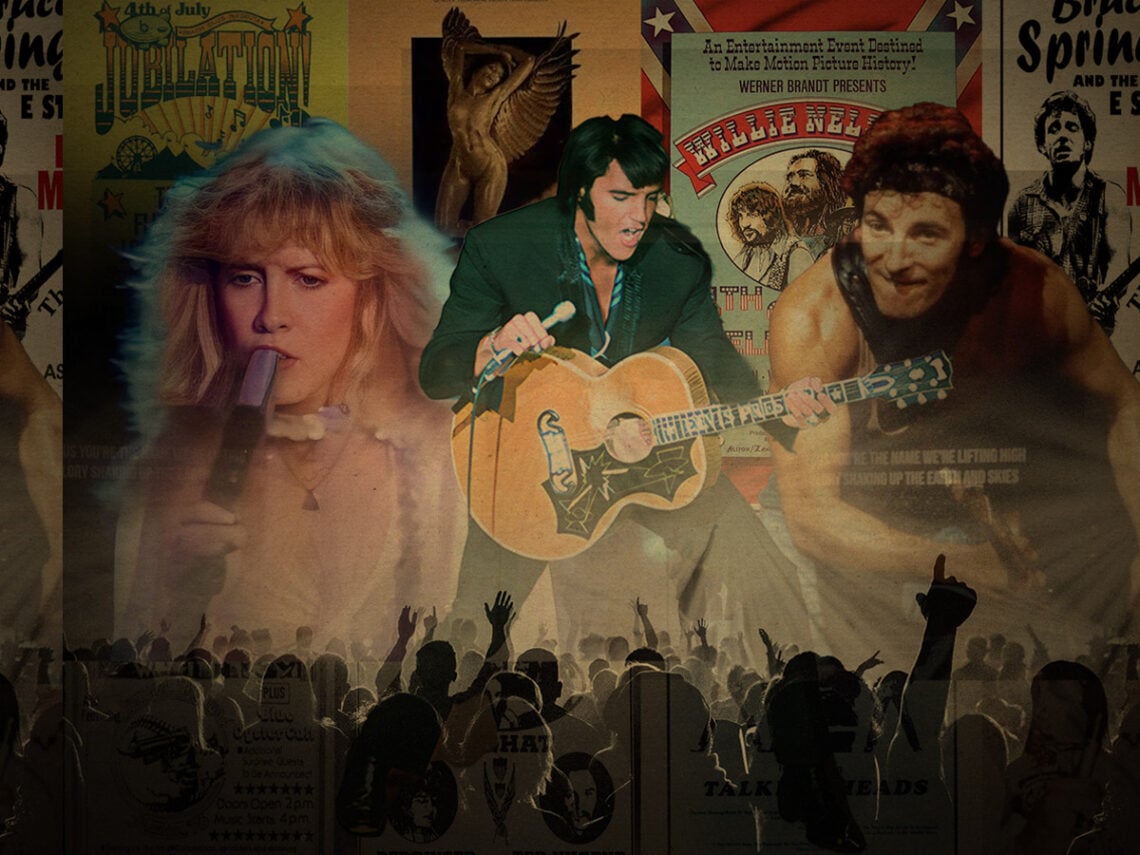
Bicentennial 1976: 10 big gigs from America’s previous milestone birthday party

Most Americans, from either end of the political spectrum, are likely to tell you that the July 4th holiday just ain’t what it used to be.
In the lead-up to this year’s ‘America 250′ celebrations, marking two-and-a-half centuries of eagle-screeching independence, the goodwill is suddenly in short supply, and a load of algae is threatening our collective pool party.
For the average grey-haired Yank, with fuzzy memories of their bell-bottomed, bowl-cutted childhoods, there is an understandable longing for the simpler times of the country’s last big mega-birthday: that glorious Bicentennial summer of 1976.
Back then, the much-maligned, uniquely unelected one-term US president, Gerald Ford, boasted a national approval rating of 45%, several notches above the current guy. As the overseer of the Bicentennial festivities, Ford was also wise enough to delegate the party planning to every state, city, and small town, replacing the challenge of one gigantic festival with the relative ease of several thousand regionally specific forms of patriotic fare. This included, according to the Associated Press, “greased pig chasing, bell ringing, pow-wows, a 1,776-yard foot race, a 400,000-slice birthday cake, and 200 people flinging Frisbees off a hill”.
Ford himself spent America’s 200th birthday doing what you’d expect one of the boring, sane presidents of the past to do: giving a speech at the National Archives; attending an ‘Honor America’ show at the Kennedy Center, making no suggestion that his own name should be above Kennedy’s on the sign outside, observing a ‘Bicentennial Wagon Train Pilgrimage’ in Valley Forge, Pennsylvania, and taking part in a reading of the Declaration of Independence in Philadelphia.
Of course, Americans weren’t holding hands and singing ‘Kumbaya’ together in the ‘70s any more than they are now, and during the 1976 Festival of America on the National Mall in Washington DC, a group of protestors from the left-wing Peoples Bicentennial Commission showed up to offer a counterpoint to the white-washed patriotic fireworks.
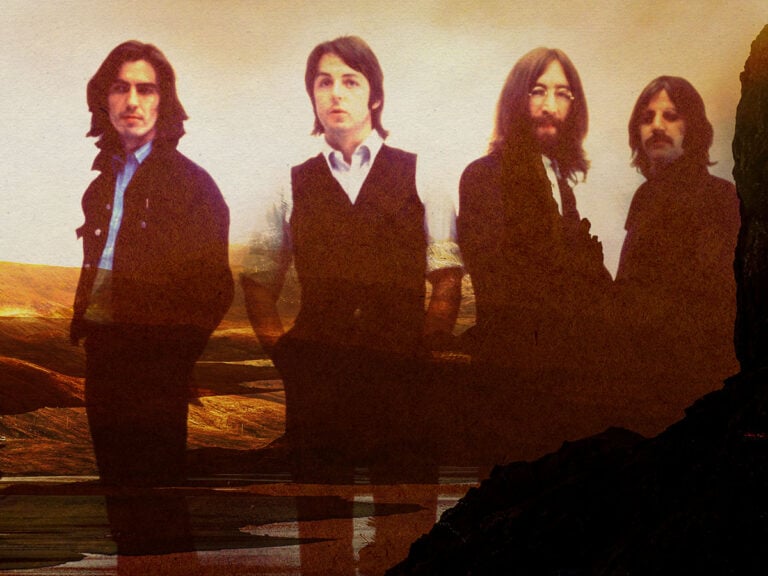
Unfortunately, they could only manage to organise a motley crew of actress Jane Fonda, baby book writer Dr Spock, and an outdated folk music contingent of Don McLean and a few members of the Kingston Trio and Peter, Paul & Mary. The real rock and roll influencers of the era were all booked elsewhere, it seemed.


As Donald Trump taught us last month, when his personally curated America 250 concert fell apart, due to the entire line-up of Z-list performers realising it was a bad career move (save for Vanilla Ice), putting together a July 4th concert is no easy feat. America is a big country with a lot of big venues, and Independence Day is in the middle of summer, when bands are out on the road and the festival circuit’s in full swing.
Fortunately, if you were a music lover living in the States in that Bicentennial summer of ‘76, you had a plethora of major gigs to choose from, including an impressive line-up of options on the holiday itself: July 4th, 1976.
The concert rundown below includes ten of the tickets available on that single date 50 years ago. As a result, you won’t find some of the other Bicentennial-related gigs that took place before or after the Fourth of July itself, including the semi-famous Bicentennial Concert at Anaheim Stadium outside Los Angeles on July 3rd, when Brian Wilson rejoined The Beach Boys on stage for the first time in a decade, with Santana and America (the band) as their support acts.
10 noteworthy concerts from the US bicentennial:
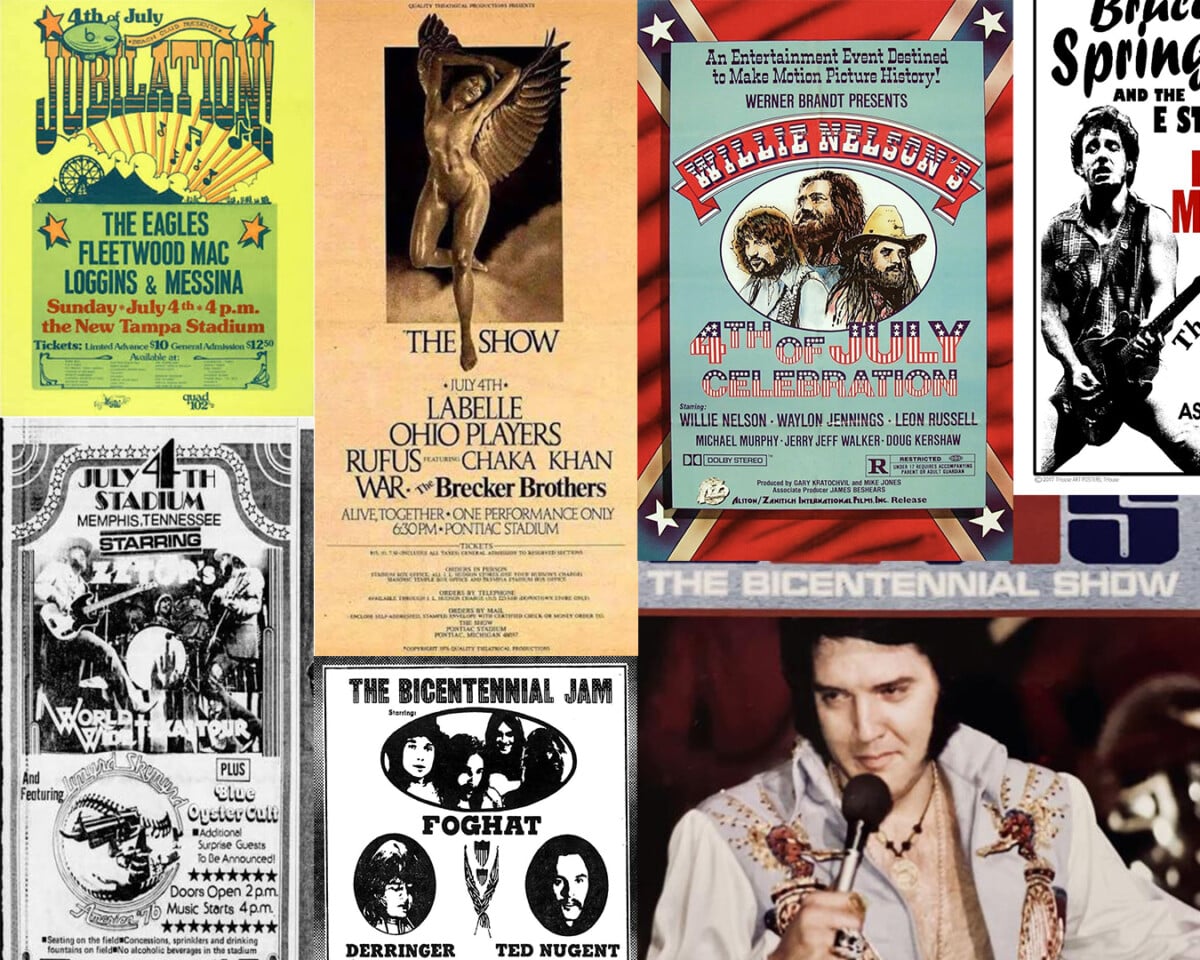
Eagles / Fleetwood Mac / Loggins And Messina at Tampa Stadium, Tampa, Florida
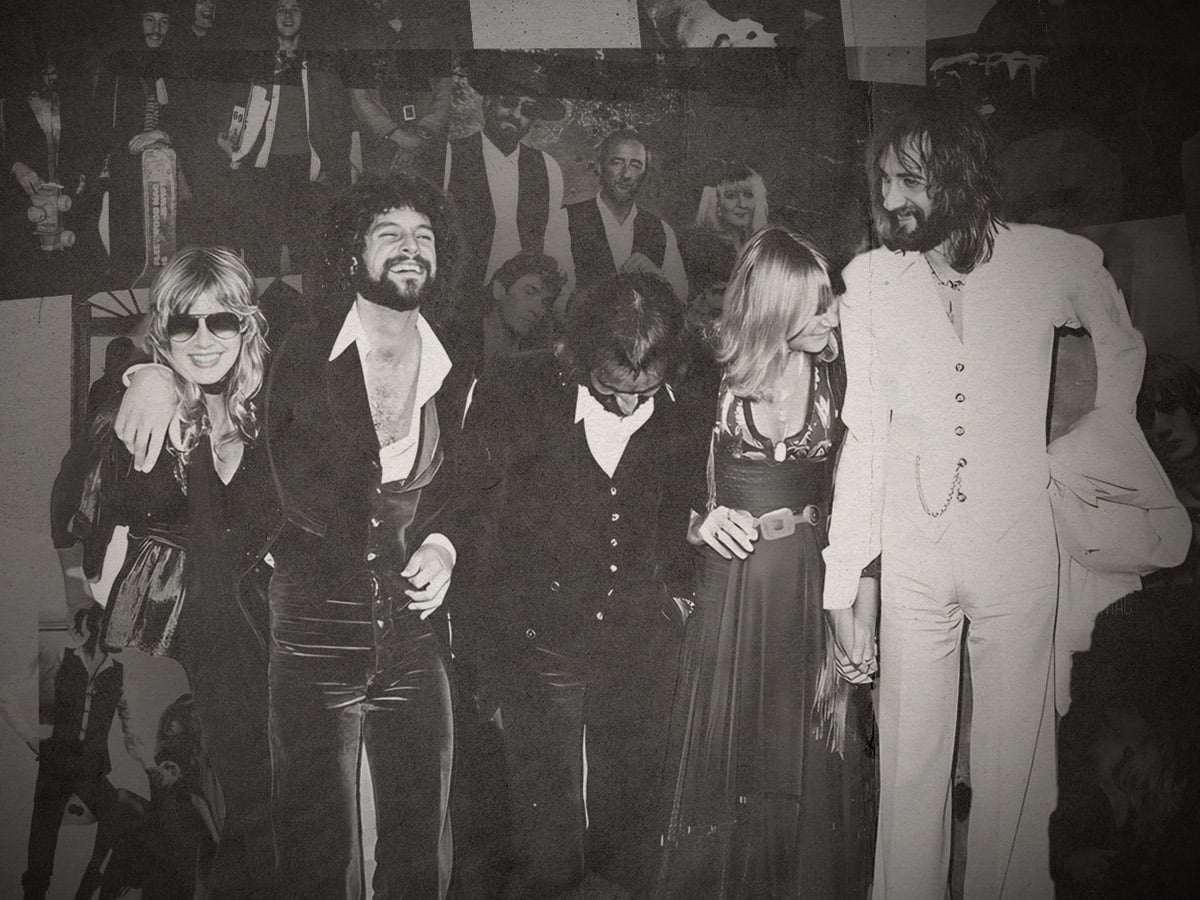
If there was a definitive soft-rock summit of the ‘70s, this was probably it. The Eagles were in the middle of an extraordinary run, with Their Greatest Hits (1971–1975) already becoming one of the biggest-selling albums in American history, while Hotel California was only months away from cementing their legend.
Fleetwood Mac, meanwhile, were touring behind their self-titled 1975 breakthrough, with Lindsey Buckingham and Stevie Nicks freshly integrated into the band and Rumours still waiting in the wings. Add in the polished harmonies of Loggins & Messina, in one of their final performances together as a duo, and you can see why they managed to pull this show off in the 70,000-seater NFL stadium of the newly created Tampa Bay Buccaneers.
ZZ Top / Blue Öyster Cult / Lynyrd Skynyrd / The Outlaws at Liberty Bowl Memorial Stadium, Memphis, Tennessee
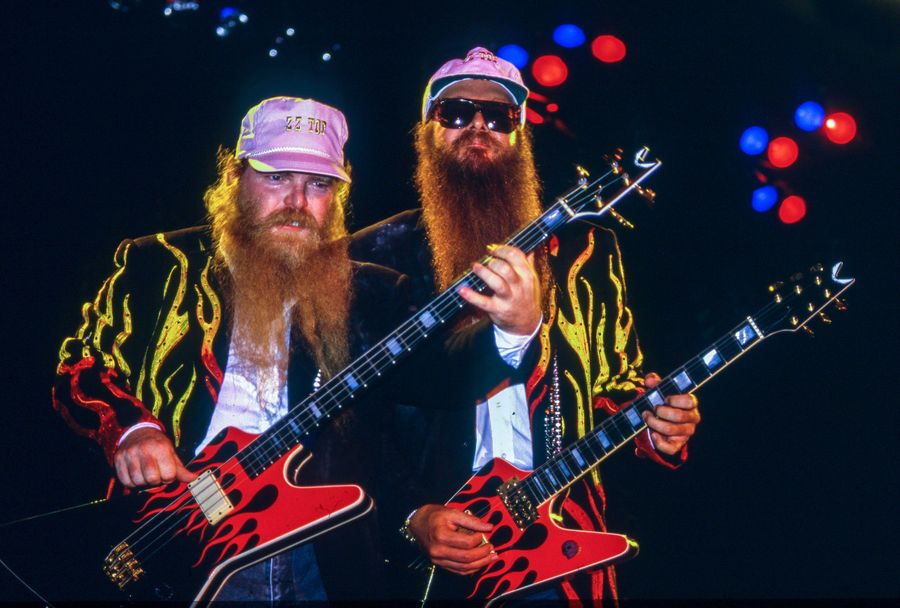
ZZ Top’s World Wide Texas Tour landed in Memphis on Independence Day, and while Maga was just a glint in its mama’s eye at this point, the Confederate flags were certainly waving for this Southern rock fireworks show, led by the long-bearded boys and featuring a pair of Florida bands at their apex in the Outlaws and Lynyrd Skynyrd, the latter of whom was just a year away from the tragic plane crash that would end their original run.
Blue Öyster Cult was a New York outfit that didn’t necessarily fit the aesthetic, but they did happen to have one of the biggest rock hits of the year at their disposal in ‘(Don’t Fear) The Reaper’. With the four bands’ powers combined, the evening was loud, humid, and almost certainly fuelled by enough beer to keep the Liberty Bowl concessions in business for the rest of the summer.
Chaka Khan and Rufus / Labelle / The Ohio Players / WAR at Pontiac Silverdome, Pontiac, Michigan<br>
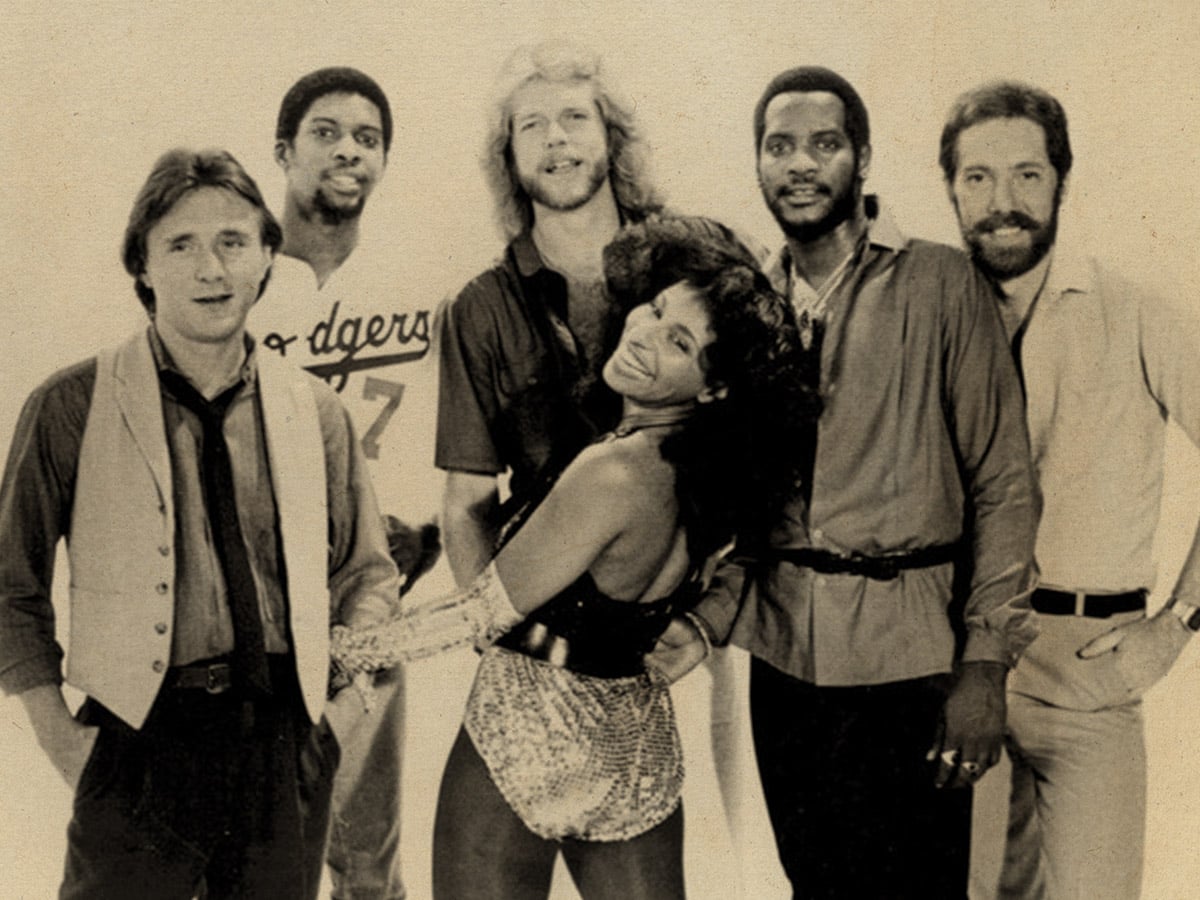
When Chaka Khan was announced as a guest performer for Los Angeles’s America 250 show (on July 4th, 2026), alongside the weird pairing of Chris Stapleton and Smashing Pumpkins, she was carrying on a tradition she started 50 years ago, when she and her backing band Rufus led a line-up of funk and soul stars into the massive Pontiac Silverdome outside Detroit, then the brand new home of the NFL’s Lions.
Promoted as ‘The Show’, the line-up on the night included Labelle, still a formidable live attraction after the crossover smash ‘Lady Marmalade’, The Ohio Players, who were enjoying a solid run of platinum records, and WAR, the distinctive master-blenders of funk, Latin rhythms, jazz, and social commentary.
Elton John / Dave Mason / John Miles at Schaefer Stadium, Foxborough, Massachusetts
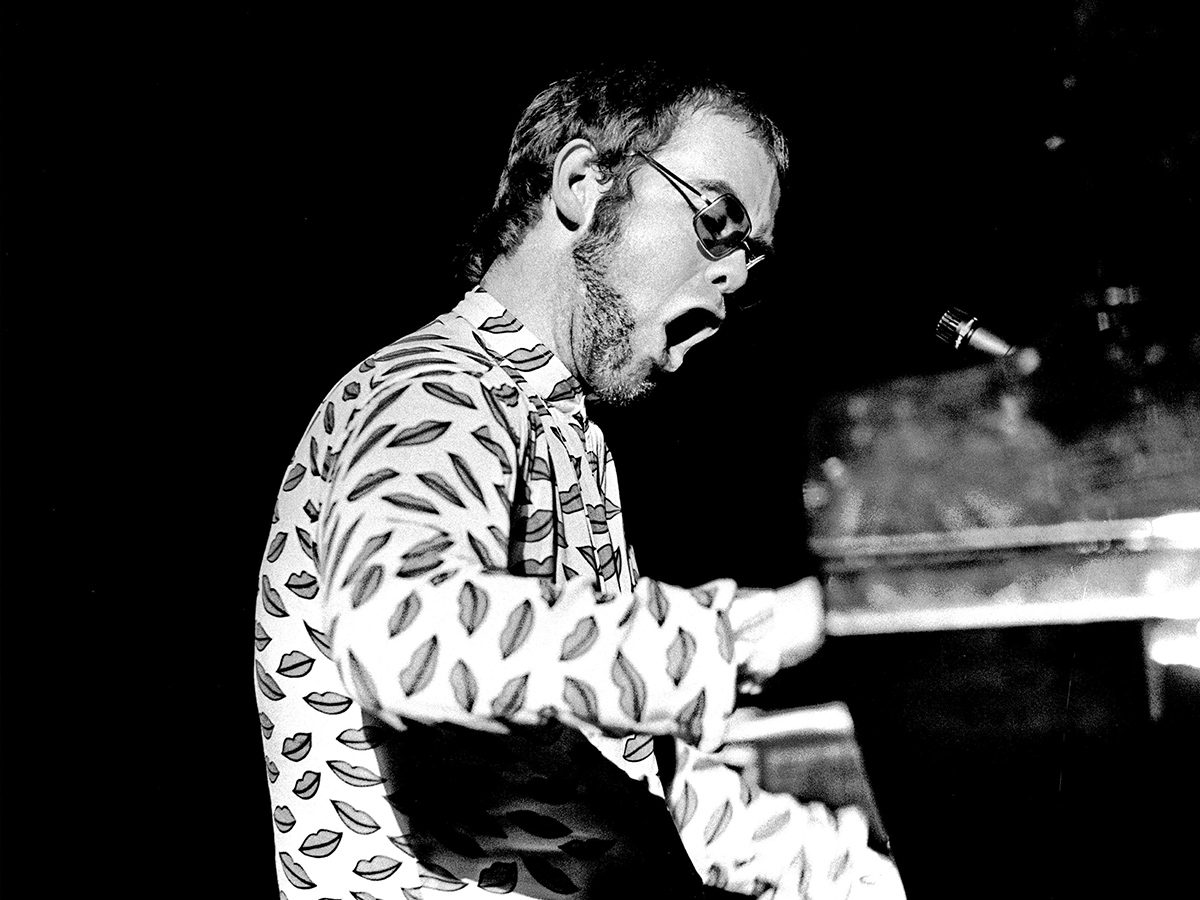
Elton John entered the Bicentennial year of ‘76 as arguably the biggest solo pop star on the planet. And though he was quite well known to be a Redcoat from the old country, he was nonetheless always given a hero’s welcome in the New World, capable of turning any holiday concert into a national event.
Dressed in various stars and stripes outfits, including a full-on Statue of Liberty costume, Elton invaded yet another football stadium on the 4th, playing plenty of the hits (‘Goodbye Yellow Brick Road’, ‘Bennie and the Jets’, ‘Your Song’), but skipping ‘Rocket Man’ and saving ‘Philadelphia Freedom’ as a mid-set number, since it hadn’t come out on a record yet.
Former Traffic guitarist Dave Mason, who opened the show, wrote about it on social media in 2021: “How fondly I remember the nation’s Bicentennial, July 4th, 1976. I spent that magnificent landmark in front of 60,000, performing with Elton John in concert… Thank you, America. I celebrate you today in many ways.”
Foghat / Ted Nugent / Derringer / Head East / Frank Marino & Mahogany Rush at Rockford Speedway, Rockford, Illinois
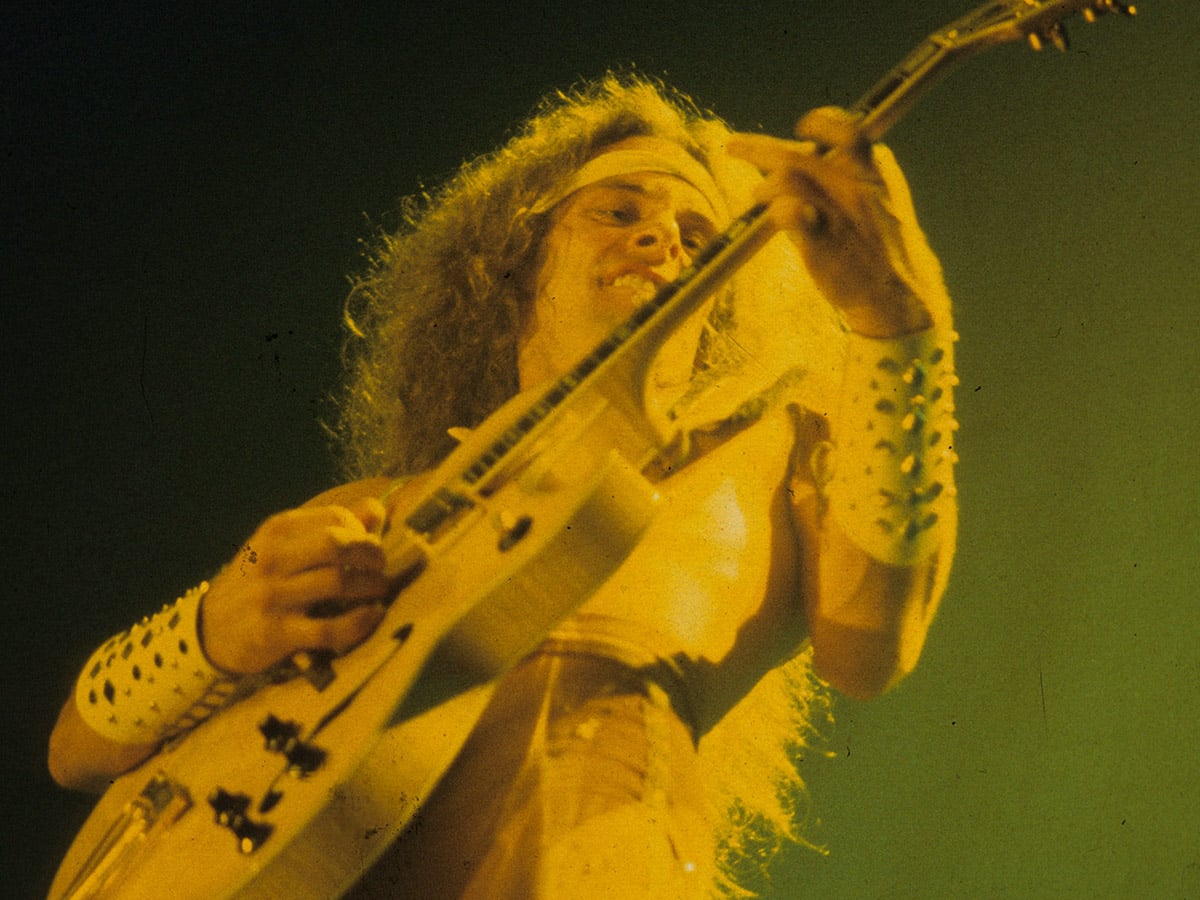
If subtlety was your thing, Rockford Speedway was probably not the place to spend your 4th. This marathon bill, advertised as the Bicentennial Jam, assembled five of hard rock’s loudest live attractions, led by another Redcoat contingent, in the form of the surprising headliners Foghat and the increasingly outrageous and extremely American Ted Nugent, whose reputation as an electrifying performer often eclipsed his record sales.
For some reason, Jeff Beck was sporadically advertised as being a part of this mini-festival, as well, but evidence suggests he spent July 4th down in North Carolina on perhaps a slightly more formidable bill with Aerosmith.
This left additional guitar theatrics in Rockford up to Frank Marino, who supposedly played a hell of a version of the ‘Star Spangled Banner’, and Rick Derringer, who was a couple of years removed from ‘Rock and Roll, Hoochie Koo’, and was now performing as simply “Derringer”, for added awesomeness. Earplugs may not have been fashionable in 1976, but they would have been sensible.
James Taylor / The Band / Emmylou Harris at The Summit, Houston, Texas
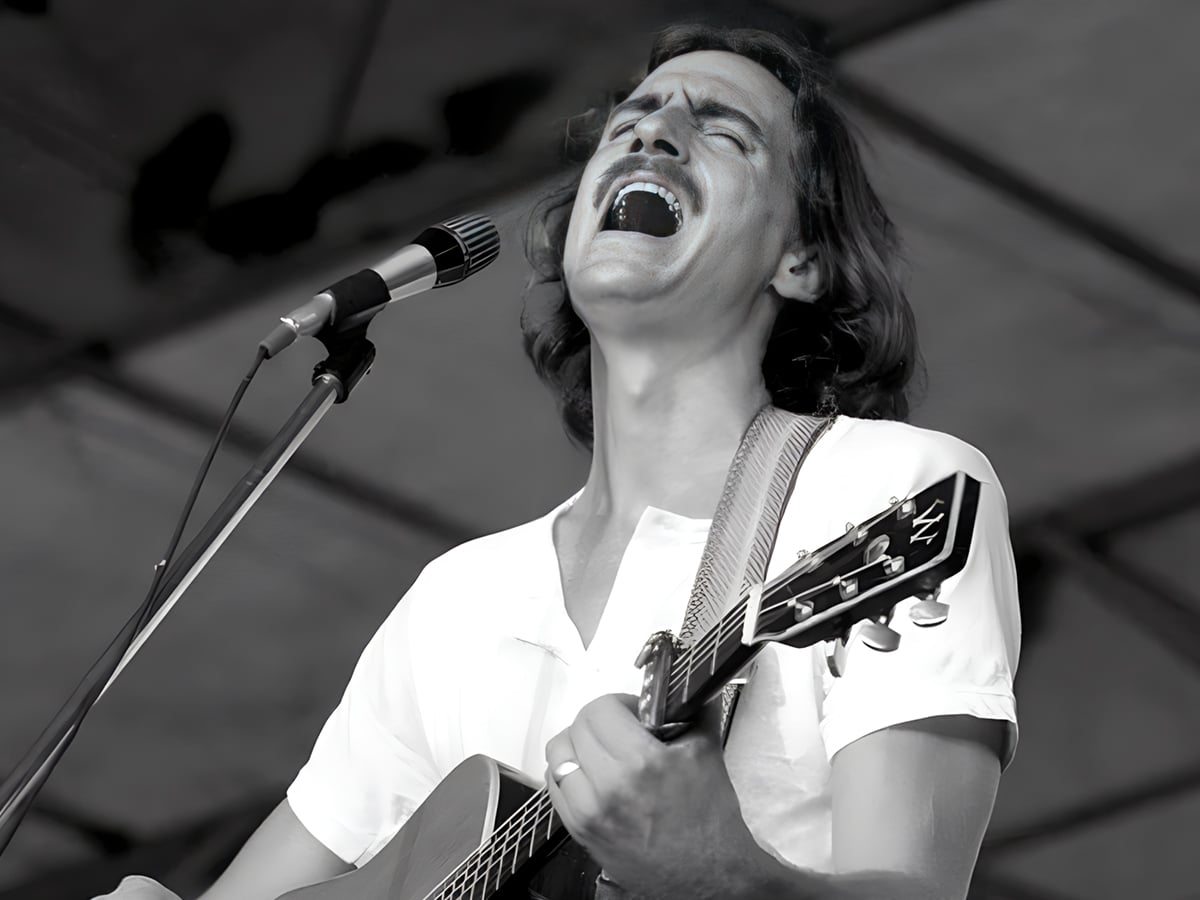
For those preferring clever, nuanced songwriting to pyrotechnics, Houston was the unlikely Independence Day destination, as the nation’s favourite, heart-on-the-sleeve singer/songwriter of the moment, 28-year-old James Taylor, rolled into town to play yet another brand new sports arena; in this case, the 20,000-seater home of the NBA’s Houston Rockets.
Taylor was joined by the rapidly ascending country star Emmylou Harris and a little Canadian folk-rock outfit known as The Band, who played a career-spanning set of their timeless Americana classics, just a few months before they called it quits with the famous Last Waltz concert.
Willie Nelson / Waylon Jennings / Kris Kristofferson / Ernest Tubb / Leon Russell and more: 4th of July Picnic at Gonzales, Texas
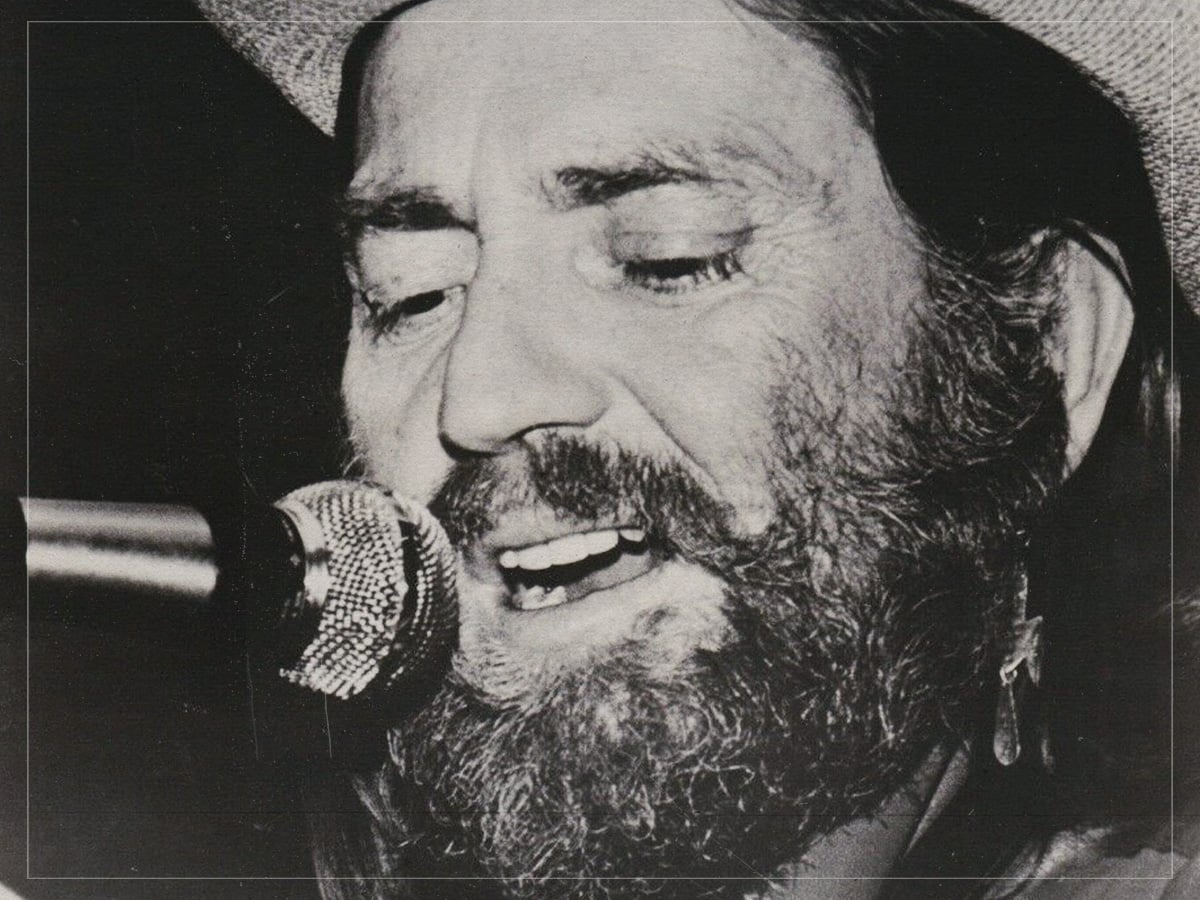
Willie Nelson’s annual Fourth of July Picnic had already become a Texas tradition over the past few years, and since the show would eventually be carried off with little issue about 40 more times in total, it’s strange to see just what an absolute mess the 1976 edition was.
Originally developed to embody the popular ‘outlaw country’ movement that Nelson and Waylon Jennings had helped pioneer, rejecting Nashville polish in favour of independence and authenticity, the Bicentennial Picnic took itself a little too seriously, perhaps, as a lot of actual criminal behaviour forced cancellations of some performances and led to over 100 arrests, one drowning death, and several stabbings. There were also reports of kidnapping attempts and sexual assaults among the crowd of 80,000. While Willie regrouped and kept the Picnic going in various cities over the next few decades, it never returned to the small town of Gonzales, Texas.
Talking Heads at CBGB, New York City

Not every Bicentennial gig was held in a giant sports stadium or festival ground, of course. While America toasted its past, Talking Heads were hard at work on the future, plugging away with another gig in the cramped confines of New York’s CBGB. It was not a flag-waving affair, but you still would have felt a swelling of pride, watching a band destined to be the country’s finest.
Still unsigned and months away from releasing their first recordings, David Byrne, Tina Weymouth, Chris Frantz and Jerry Harrison were developing the nervy, minimalist sound that would soon make them leaders of New York’s burgeoning new-wave movement. Compared with the day’s blockbuster, hard rock arena shows, this club gig barely registered as a peep nationally. In retrospect, though, it was one of the most historically significant performances taking place anywhere in the country on July 4th, 1976.
Bruce Springsteen & the E Street Band / Southside Johnny & The Asbury Jukes at The Stone Pony, Asbury Park, New Jersey
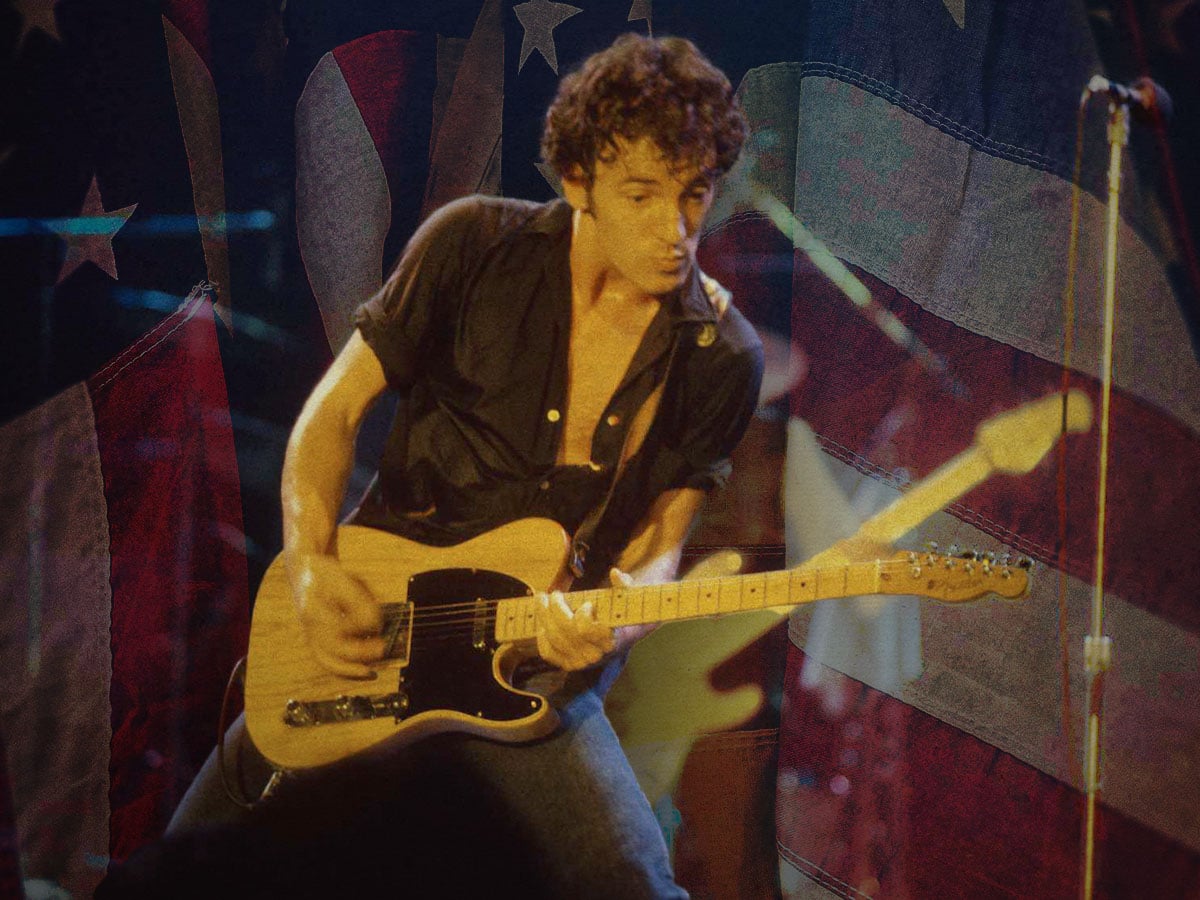
Bruce Springsteen may already have graced the covers of Time and Newsweek, but he remained deeply connected to the Jersey Shore clubs where his reputation had been built. A hometown Fourth of July appearance at the Stone Pony, alongside friends Southside Johnny & The Asbury Jukes, was thrown together as a family reunion of sorts, presumably eschewing plenty of invites from the stadium promoters.
Springsteen and the E Street Band were touring behind Born to Run, delivering the marathon, sweat-soaked performances that would become legendary, and for the lucky fans packed into this tiny venue, it was an increasingly rare chance to see their local hero the way they used to, in an intimate setting, celebrating America’s birthday on home turf.
Elvis Presley at the Mabee Centre, Tulsa, Oklahoma

‘The King’ spent America’s 200th birthday doing what he had done for much of the decade, which was touring relentlessly, and although Elvis’s health was visibly deteriorating by 1976, his concerts remained major cultural events, drawing audiences eager to witness one of the defining figures of 20th-century popular music.
His July 4th set mixed Chuck Berry and Ray Charles covers with some of his own classics, some gospel favourites, and an amusing rendition of ‘An American Trilogy’ as his nod to the occasion. With hindsight, the Tulsa performance carries some added poignancy as Elvis would be dead just a year later, making this Bicentennial concert one of the final big-ticket moments in an extraordinary career.
