


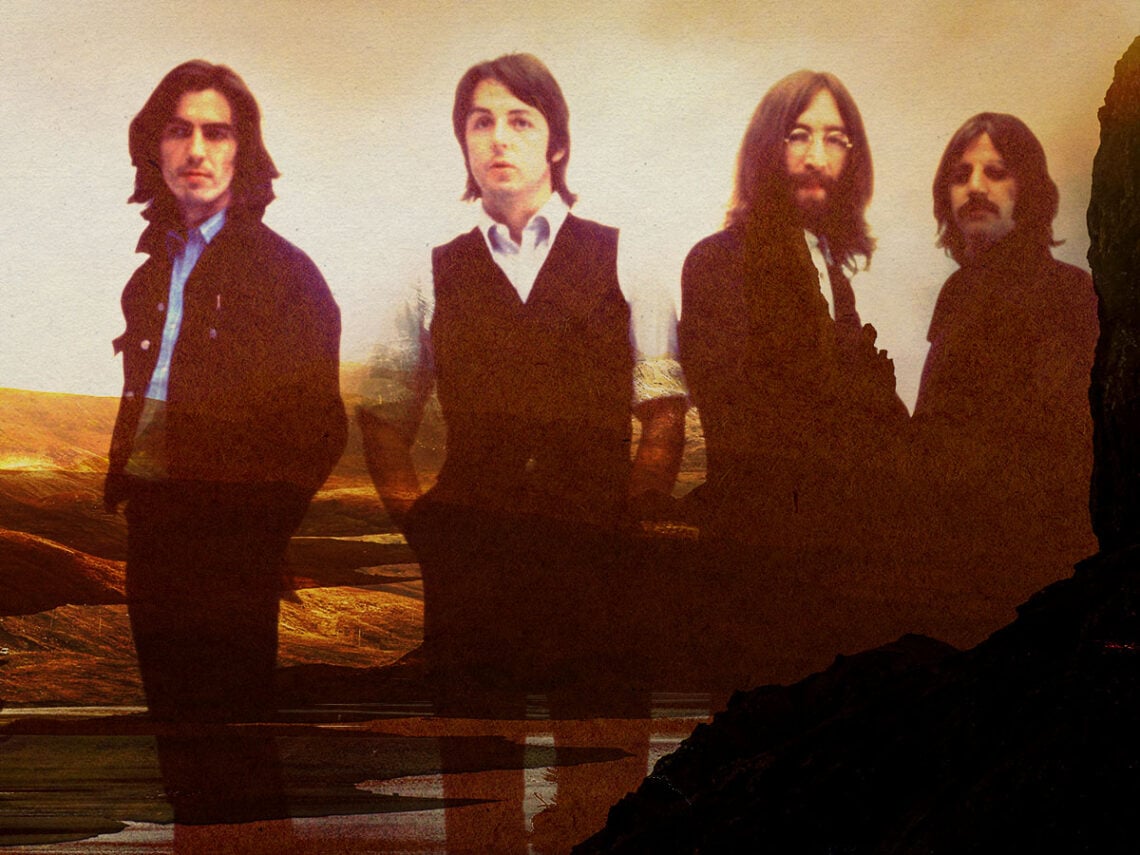
The eight most important Beatles songs, according to the Rock and Roll Hall of Fame

It isn’t news to anyone that The Beatles were a phenomenon quite out of the ordinary. But there is food for thought to be garnered from the fact that they may well be a phenomenon never to be repeated.
The size and scope of their success are still barely comprehensible. We might view Taylor Swift as a giant of the modern age, thanks to the 114 million albums she has sold, but the Fab Four have flogged in excess of 600m. That’s seismic. And it just keeps on bloody growing.
When you dig a little deeper, the scope of the success proves even more monumental. The young Liverpudlians burst on the scene when the world’s population was only 3.1 billion, remarkably about 38.75% of what it is today. That places The Beatles at their pomp at around 14 times more popular than Swift is presently.
What’s perhaps even more incredible is the swiftness with which they operated. The Fab Four played their first concert on a warm August evening at Liverpool’s Jacaranda Club in 1960. They officially broke up just under ten years later when, on April 10th, 1970, Paul McCartney announced the split in a press release.
Within that time, they produced 12 official albums, 22 singles, and five films. They rode the unprecedented high of Beatlemania, embraced a slew of ‘bigger than Jesus’ controversies, grieved the death of their manager, took a notable trip to India, changed the world irrevocably, and when they formally called it a day, Ringo Starr, their oldest member, was only 29.
So, it is little wonder that endless polemics still unfurl probing at the unthinkable band. Thankfully, the Rock and Roll Hall of Fame, the great arbiter of taste and engine of reverence in the rock ‘n’ roll sphere (that everyone seems to hate and disregard), boldly attempted to make sense of the impact of their back catalogue.
The organisation created a list of 660 songs ‘That Shaped Rock and Roll’, compiled in 2004 by chief curator James Henke with input from music writers and critics. In that list, they saw fit to include eight Beatles songs (just eight!). No band has more than that, signifying their supremacy. But what about the choices? Well, we’re diving into them below.
The eight most important Beatles songs:
‘I Want to Hold Your Hand’ (1963)
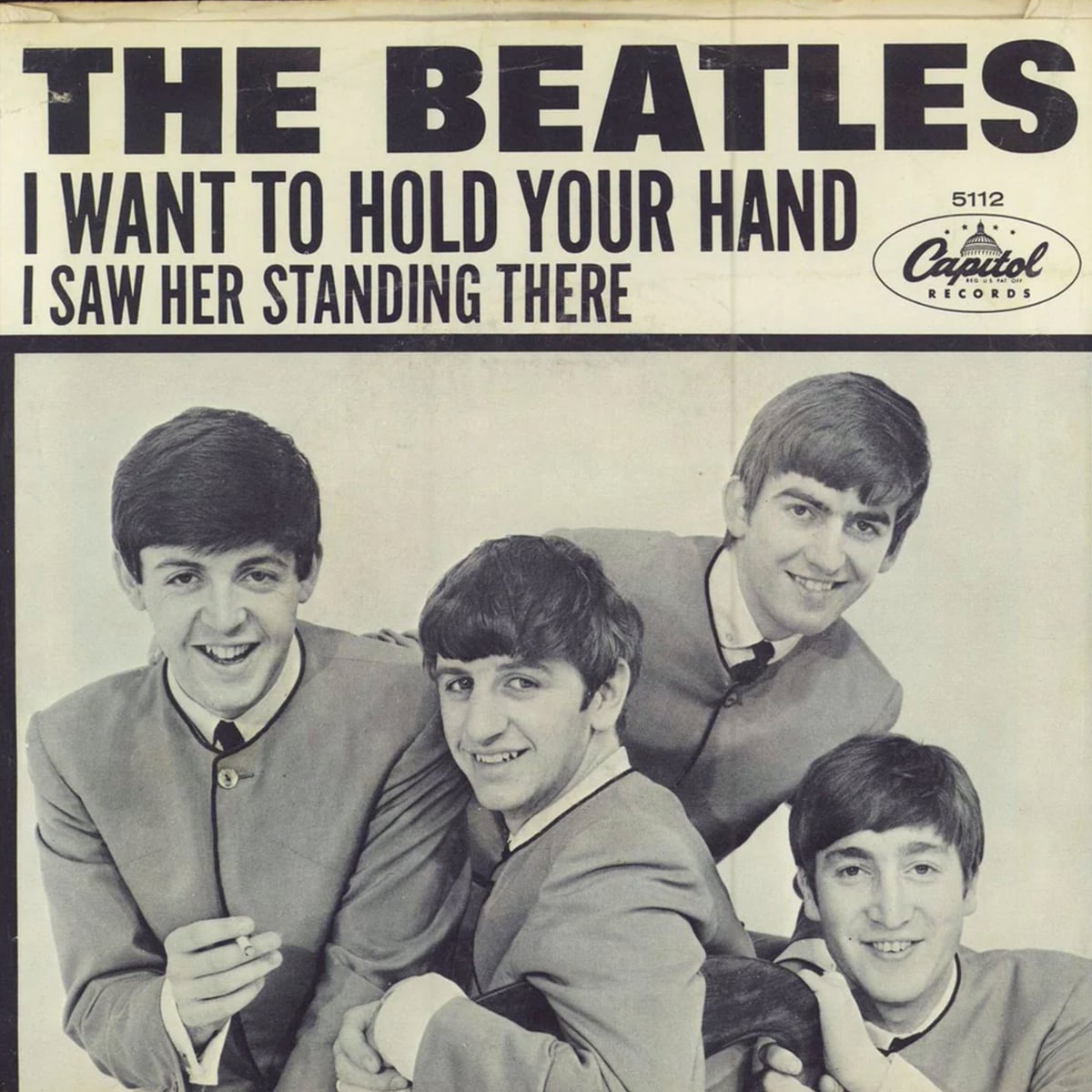
In 1963, Bob Dylan just about reinvented the musical wheel. The Freewheelin’ Bob Dylan is undoubtedly in the running for the greatest album of all time, but part of that brilliance goes way beyond the music itself. It paired poetry and introspection with music in such a way that no other record ever had. With it, he influenced everyone. Its impact on The Beatles was so profound that their back catalogue can often be split into two: the period before they were influenced by Dylan and his freewheelin’ ways, and what happened after.
The latter is often imbued as the more meaningful, but that undersells the impact and vitality of tracks like ‘I Want to Hold Your Hand’ and how they influenced Dylan, in turn. When he was asked by NME to pick his favourite Beatles song, he hailed the anthem.
“They were doing things nobody was doing,” he told NME of the song. “Their chords were outrageous, just outrageous, and their harmonies made it all valid… I knew they were pointing the direction of where music had to go.”
‘Yesterday’ (1965)
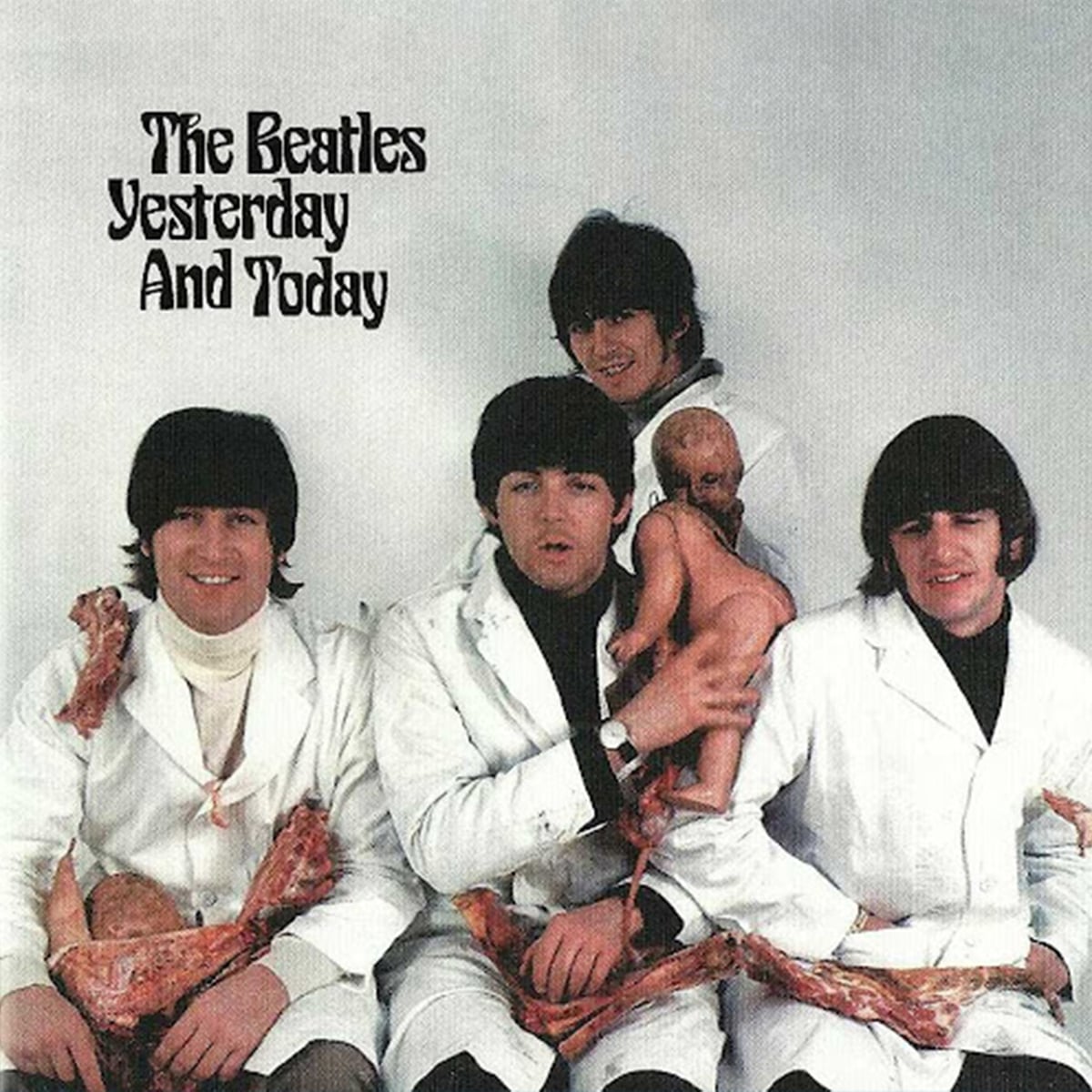
‘Yesterday’ has a simple message and a simple melody, but it didn’t half connect with the masses. Using US radio plays as the main metric, ‘Yesterday’ was not just the most-played Beatles song of the 20th century but the third most-played of any artist, according to BMI data. It’s also the most covered pop song of all time, so it evidently connects with musicians, too. However, maybe that ubiquity has eroded some of its beauty.
The trick to reconciling that and regaining an appreciation for Paul McCartney’s humble ditty is to imagine hearing it for the first time again. The song is so ingrained in society that its heavenliness has almost become commonplace, but beneath that is an anthem that explains why it caught on so monumentally. The track taps into the human comedy with soulful solemnity and makes sense of tragedy.
‘Norwegian Wood’ (1965)
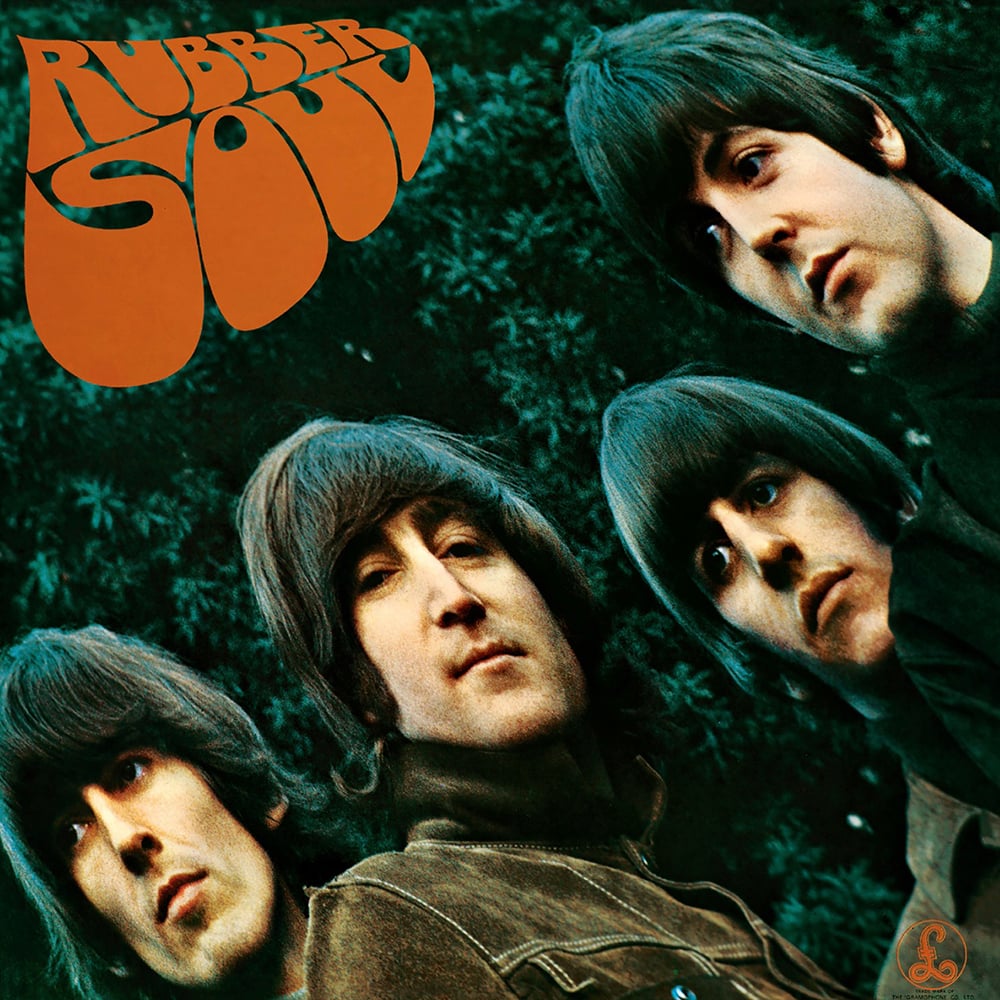
There were only 664 days between the Liverpudlians landing in America and the release of Rubber Soul. When they touched down at JFK airport, they were worried that they would simply “fizzle out” after the initial pandemonium, “as many groups do”. When they released their seminal 1965 album, their concern was now clearly with changing the world. That was signposted by the fittingly otherworldly ‘Norwegian Wood’.
“‘Norwegian Wood’ is my favourite,” Brian Wilson told TLS, reflecting how much it changed him. “The lyrics are so good and so creative, right from the first line: ‘I once had a girl/ Or should I say, she once had me.’ It’s so mysterious. Is he into her, or she into him? It just blew my mind. And in the end, when he wakes up, and she’s gone, so he lights a fire. ‘Isn’t it good? Norwegian wood.’ Is he setting her house on fire? I didn’t know. I still don’t know. I thought that was fantastic.”
‘Strawberry Fields Forever’ (1967)
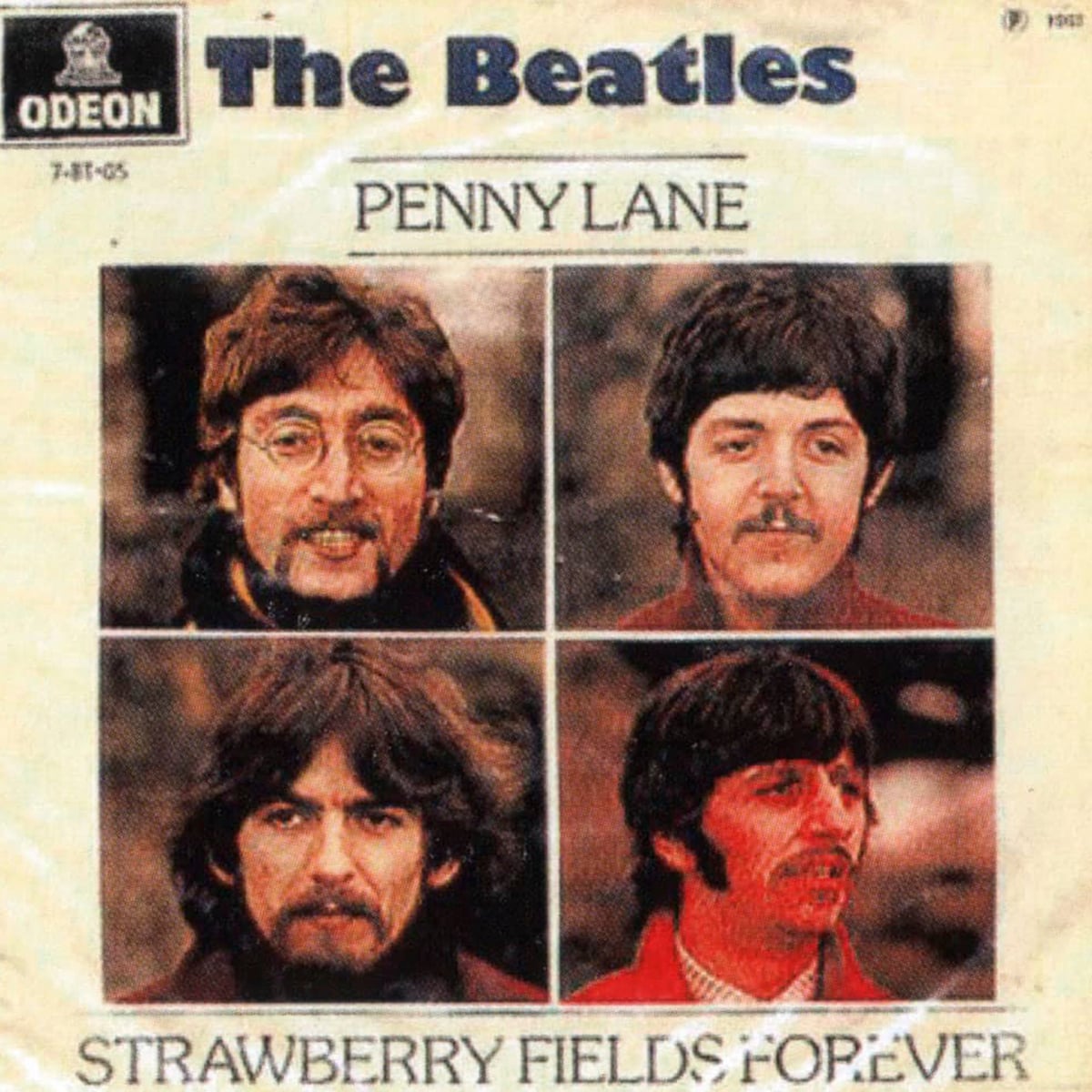
By 1967, the breadth of The Beatles’ catalogue was impossible to ignore even if you were a one-time naysayer. Frank Zappa had every reason to undermine the seemingly insurmountable group, but even he praised their advancement. He explained, “The best Beatles songs were ’Paperback Writer’, ‘Strawberry Fields Forever’ and ‘I Am the Walrus’. I don’t like the rest too much.”
The fruity entry in that triumvirate typified how far they had come. Backwards cymbals, Indian harps, bongos, timpanis, and trumpets all about in John Lennon’s journey into his own psyche. It was so new that it bewildered people upon release.
“The reaction when you played ‘Strawberry Fields’ to people was weird,” Beatles associate Tony Bramwell recalled. So, despite being part of perhaps the best double single of all time (b/w ‘Penny Lane’), it is maybe the most telling testimony that it actually failed to reach number one.
‘A Day in the Life’ (1967)
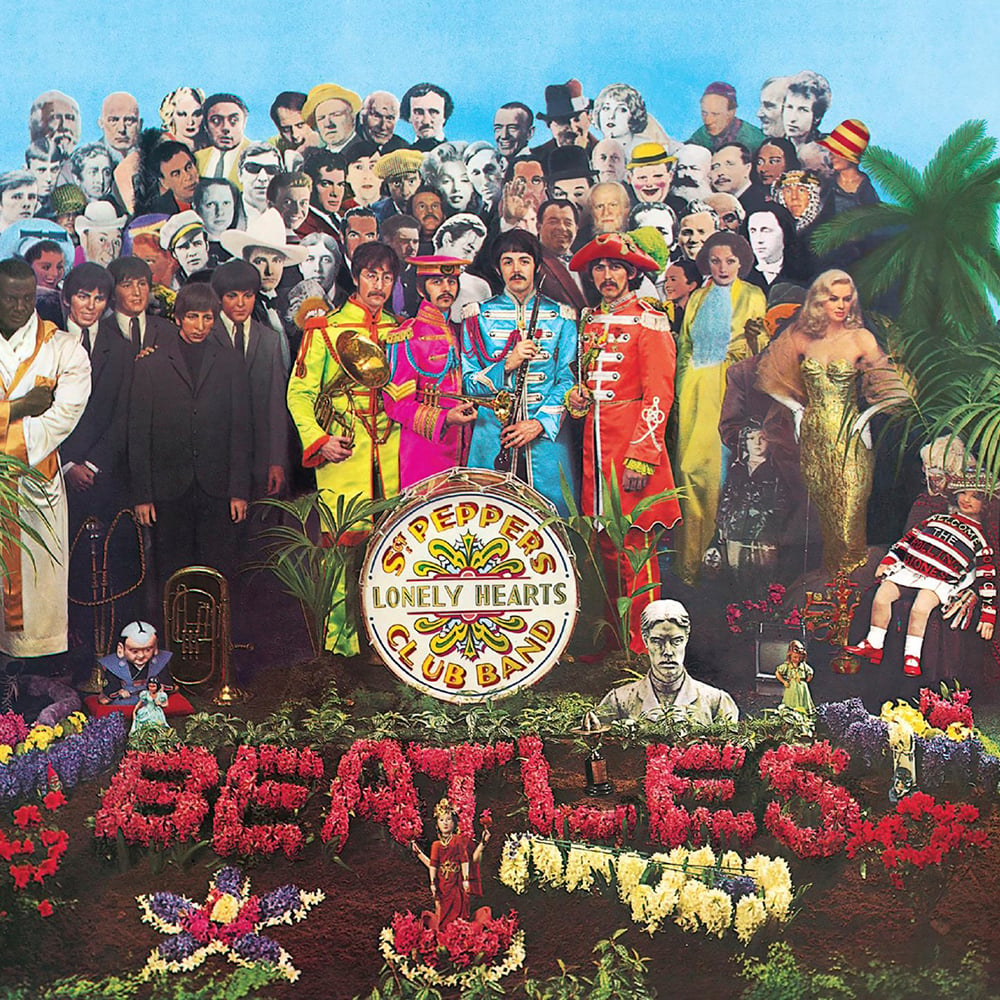
For many fans, ‘A Day in the Life’ is the pinnacle of The Beatles. It is the moment when the fevered experimentation of Sgt Pepper culminated in a meandering masterpiece that tied the whole band together. The epic track is a menagerie of interwoven news articles, capturing the truth of life right down to the mundanities that blight it like potholes on memory lane.
Suicides, drugs, and road surfaces all swirl in a manic whirl of melody and movement. All of it, in some way, makes sense of the manic ’60s. The song is even more prescient in this sense today, as news is a mishmash of petty nothings, masked tragedies, and catastrophes that are squeezed down a few words to make way for bickering, and the same sordid stream of wildness fizzing towards an unrelenting crescendo of noise.
‘Hey Jude’ (1968)
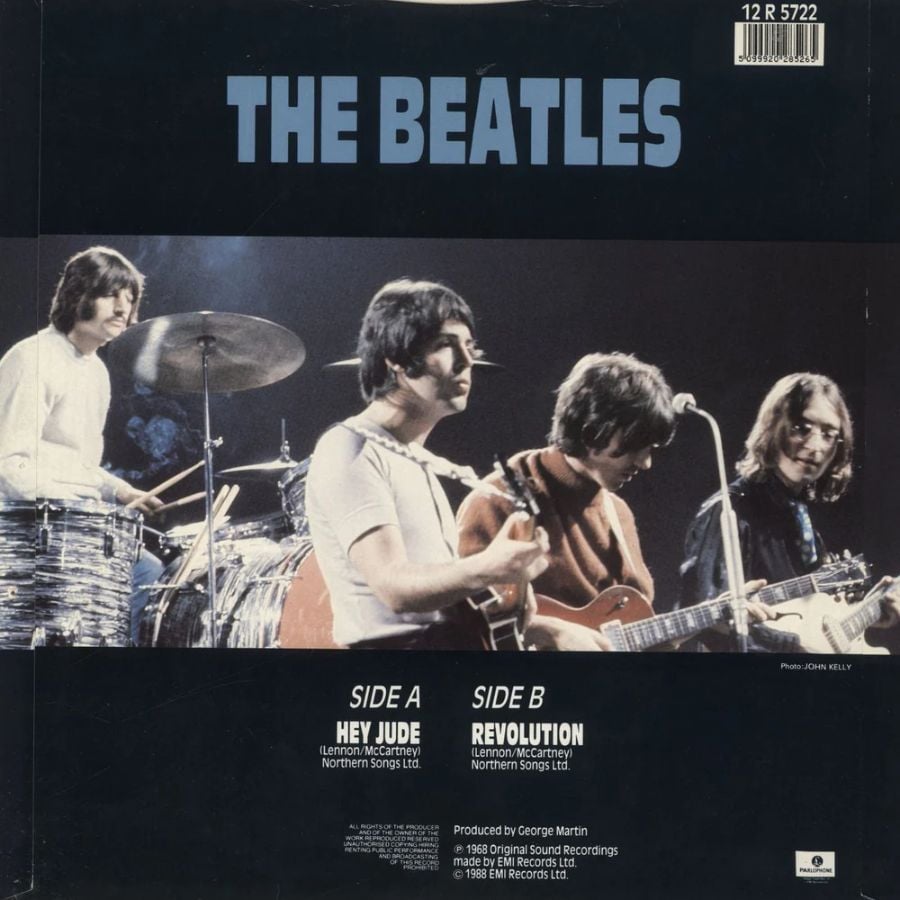
From sporting events to brass bands at Christmas, ‘Hey Jude’ is still so freshly cemented in the modern canon that it might never fade. The song originated in May 1968, during a time when John Lennon was settling his separation from his first wife, Cynthia. “I started with the idea ‘Hey Jules’, which was Julian [Lennon’s first son], don’t make it bad, take a sad song and make it better,” Paul McCartney said in an interview with Barry Miles in 1997.
“Hey, try and deal with this terrible thing. I knew it was not going to be easy for him. I always feel sorry for kids in divorces,” he continued.
As the inspiration behind the song suggests, ‘Hey Jude’ began as a message of reassurance to Julian Lennon during the time of his parents’ divorce, but thereafter, the song taps into a more universal message of staying strong during times of hardship and trying to transfigure the situation through defiance. It is just as heartening half a century later.
‘Come Together’ (1969)
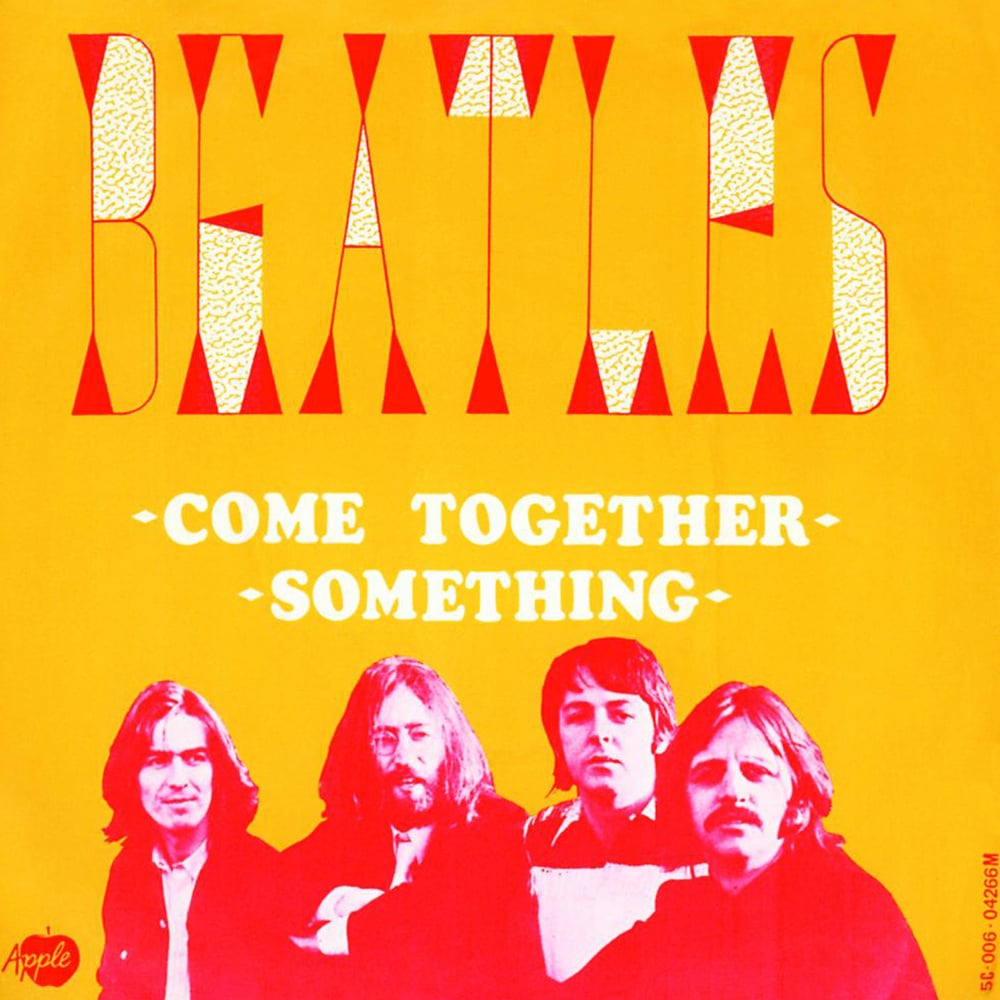
If you were to play only the first two notes of ‘Come Together’, most music fans would know what follows. That sort of skill takes extreme knowledge of the craft and profound individualism, so that both can be distilled down to a level of accessibility and an easily recognisable sound. As Leonardo da Vinci once said, “Simplicity is the ultimate sophistication.”
‘Come Together’ is a track so perfectly sophisticated that it barely even feels pretentious to quote da Vinci to say as much. The absurdist lyrics that follow those opening notes are a high point of many in the back catalogue of John Lennon. And the song not only sets up the album that follows but helped The Beatles shape the sound of the future once more.
‘Something’ (1969)
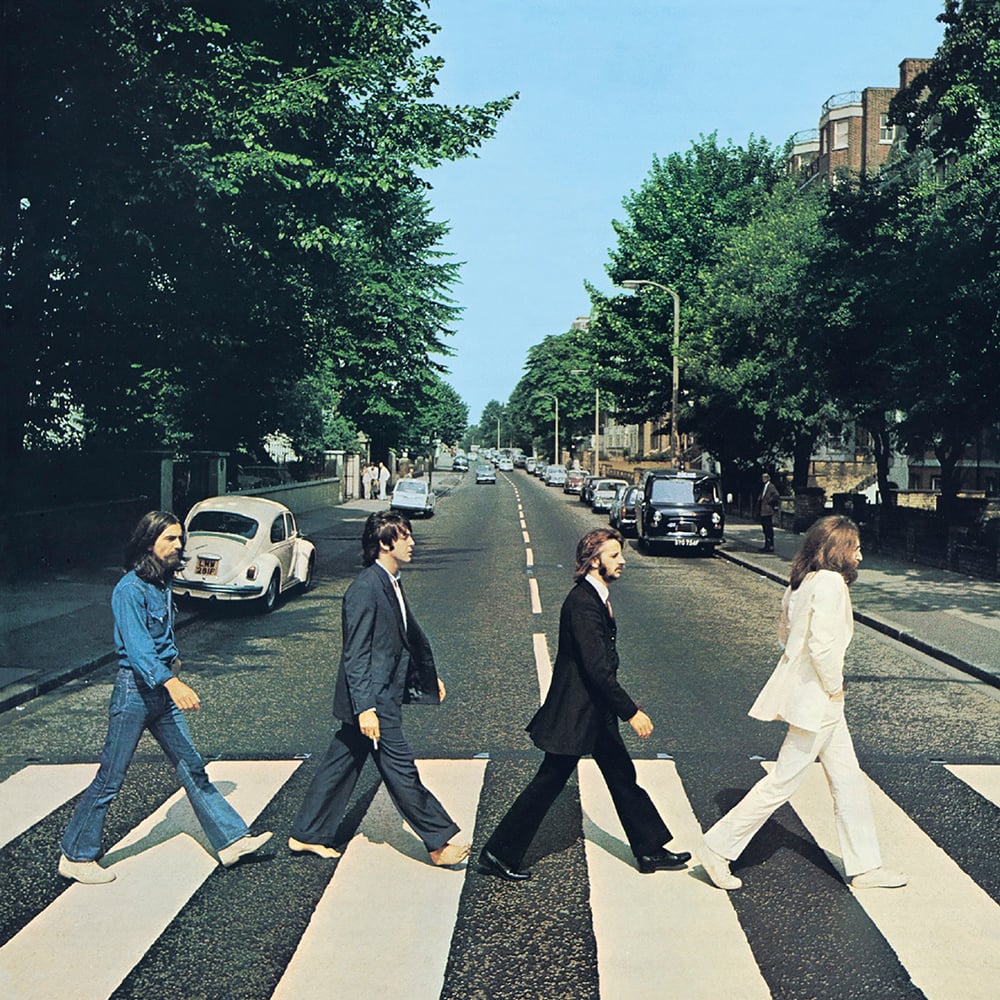
The waltzing love song of ‘Something’ proved that the band had mastered their craft to such an extent that they could even reinvent more classical forms of songwriting. This was proven by the praise that the track received from the likes of Frank Sinatra and Elvis Presley. Sinatra would assert, “It’s one of the best love songs I believe to be written in 50 or 100 years, and it never says ‘I love you’ in the song, but it really is one of the finest.”
And even though Elvis would apparently “fly into a rage” at the mere mention of The Beatles’ name, according to his publicist, he also knew that ‘Something’ suited his pipes like a glass slipper. Of all five Beatles tracks he covered, ‘Something‘ was by far and away the one he favoured the most. Featuring Harrison’s trademark skewed chords, the beauteous anthem was utterly unique yet entirely familiar.

Never Miss A Beat
The Far Out Beatles Newsletter
All the latest stories about The Beatles from the independent voice of culture.
Straight to your inbox.