


The first Beatles song Paul McCartney recorded without his bandmates

It was no secret that Paul McCartney took on a greater autonomy during the sessions for The Beatles.
That’s the nice way of saying that McCartney would often sequester himself in a separate studio and simply overdub everything a song needed, ignoring his bandmates and undermining their collaborative spirit. Even though he was doing the most to keep the band together, McCartney was also doing the most to split them apart.
McCartney had set a few precedents for himself before the recording of The White Album started. He was the first Beatle to appear on a song without any of his bandmates, recording the guitar and vocals to ‘Yesterday’ solo as George Martin cooked up an accompanying string part.
McCartney also began to step into the roles of his bandmates, playing lead guitar on ‘Drive My Car’, ‘Another Girl’, and ‘Taxman’ in place of George Harrison, while providing the riffs for songs like ‘Paperback Writer’ and ‘Sgt. Pepper’s Lonely Hearts Club Band’.
Nobody could pull McCartney away from recording tracks. Over the 213 songs released by the band during their recording career, McCartney is absent on only four occasions: ‘She Said She Said’, where a fight caused McCartney to leave the studio; ‘Julia’, which was just John Lennon and his guitar; ‘Good Night’, which was simply Ringo Starr and a full orchestra; and ‘Revolution 9’, in which McCartney failed to contribute to the avant-garde piece largely assembled by Lennon and Yoko Ono.
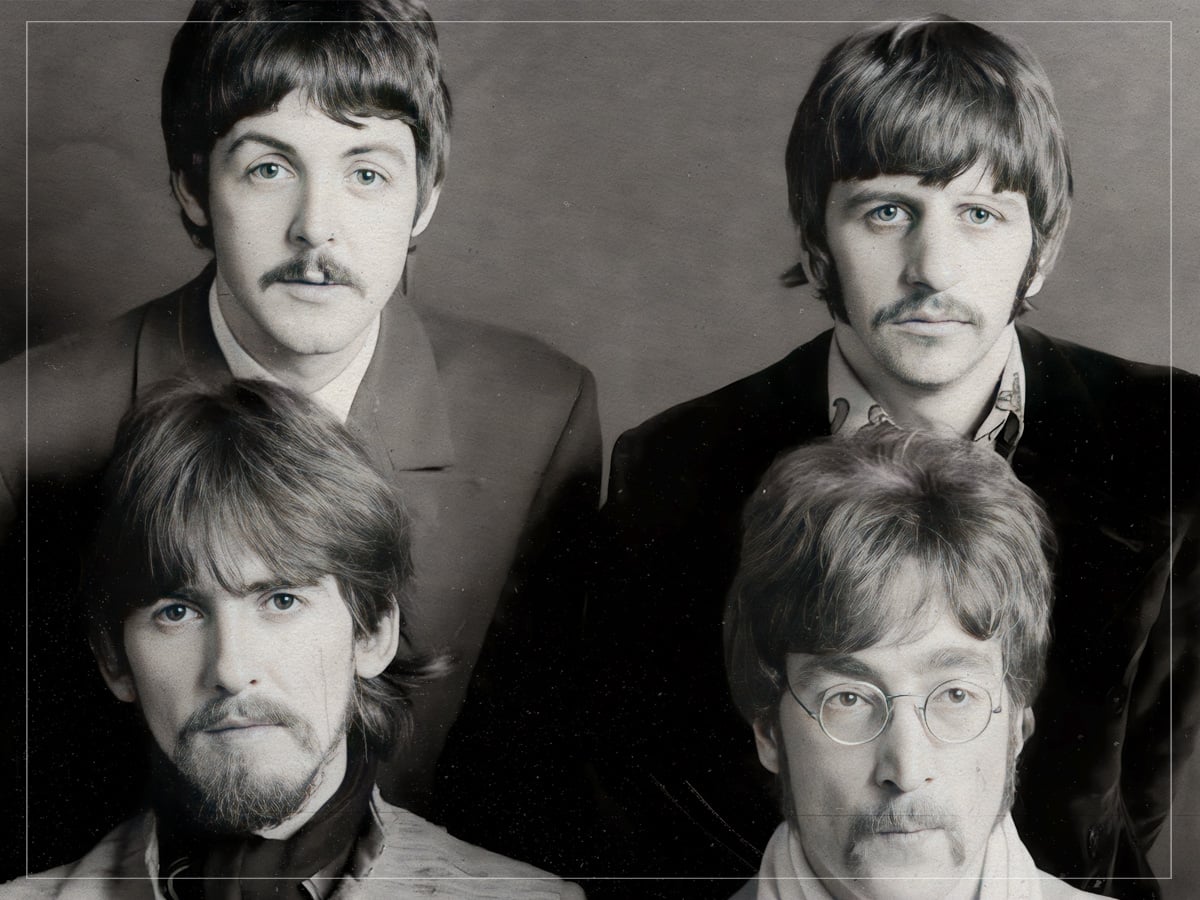
But the first track where McCartney completely replaced all of his bandmates was ‘Martha My Dear’, the jaunty piano-led music hall track that McCartney wrote using the name of his sheepdog, Martha. A few of the tracks from The White Album were recorded at Trident Studios instead of the band’s usual home at EMI Studios on Abbey Road, and McCartney entered the studio alone to record the song while Harrison and Starr were focusing on overdubs for ‘Savoy Truffle’. Lennon, meanwhile, was absent during these sessions.
McCartney opened up to Barry Miles about the track’s conception, “When I taught myself piano I liked to see how far I could go, and this started life almost as a piece you’d learn as a piano lesson. It’s quite hard for me to play, it’s a two-handed thing, like a little set piece. In fact, I remember one or two people being surprised that I’d played it because it’s slightly above my level or competence really, but I wrote it as that, something a bit more complex for me to play. Then while I was blocking out words – you just mouth out sounds and some things come – I found the words ‘Martha my dear’.”
The root of McCartney going solo for ‘Martha My Dear’ came during the final session for ‘Honey Pie’. On October 4th, Martin and McCartney entered Trident to record the woodwinds for ‘Honey Pie’, with McCartney asking to take a final pass at the lead vocal.
When that was done relatively quickly, McCartney started assembling ‘Martha My Dear’ with the spare time in the session. Since they had already rented the session players, Martin quickly wrote an accompanying score to add on to the piano and drums that McCartney had recorded that day. While Martin assisted McCartney on the final overdubs for ‘Martha My Dear’ on the 5th, assistant Chris Thomas aided Harrison in his own overdubs for ‘Savoy Truffle’.
It wasn’t even the only song on the album where McCartney appeared alone. ‘Blackbird’ and ‘Mother Nature’s Son’ were both solo acoustic pieces from McCartney, while ‘Wild Honey Pie’ was the deranged improv piece that somehow wound up as the album’s fifth track. In all cases, McCartney was the sole Beatle to appear.
Although ‘Martha My Dear’ is often remembered for its charming melody and playful lyrics, it also represents a significant moment in The Beatles’ history. The recording showcased McCartney’s extraordinary musical abilities, but it also reflected the growing fragmentation within the band, a trend that would become increasingly apparent as their final years unfolded.

Never Miss A Beat
The Far Out Beatles Newsletter
All the latest stories about The Beatles from the independent voice of culture.
Straight to your inbox.