


Beyond Woodstock: The five other most important festivals of the 1960s

As with every decade, music defines the events that transpire with a soundtrack that echoes the sentiments of the age.
This is perhaps seen most poignantly when looking back at the 1960s, a decade so steeped in turmoil across politics, social justice and multiple forms of violence that it desperately tried to soothe its pain through art and, indeed, music.
For all of the strife that existed, there was a near-tangible sense of hope that, to this day, we look back on through rose-coloured lenses as a time where peace prevailed (or, at least, attempted to), and
with this, the 1960s also held many key moments at its festivals, remembered in both legend, like when Bob Dylan went electric at the 1965 iteration of the Newport Folk Festival, and in tragedy, such as the 1969 Altamont Free Concert.
However, while the Woodstock Music and Art Fair reigns as the most well-remembered festival of the decade, a crucial moment when the counterculture reached one of its heights, there were many other festivals that held equal weight of their own, some even taking place before Woodstock, changing not only the ways that live music was absorbed and shared, but also the ways that festivals operated, forever.
The five other most important festivals of the 1960s:
Monterey International Pop Festival
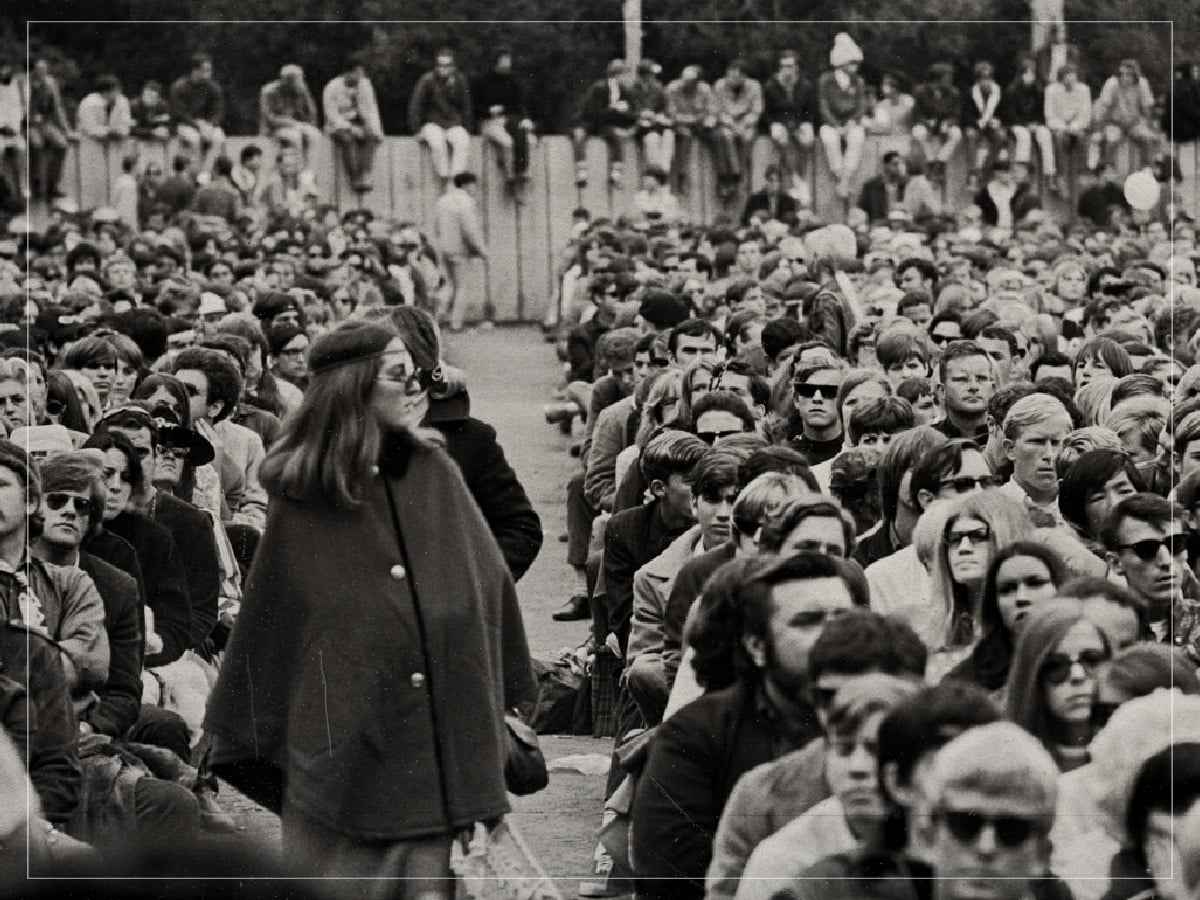
Two years before Woodstock would dominate cultural consciousness, the Monterey International Pop Festival (otherwise known as Monterey Pop) curated three days of music in mid-June at the Monterey County Fairgrounds in California.
The concept of the festival sprang from a number of ‘happenings’ in and around San Francisco, the centre of the counterculture, and came directly from the first Human Be-In at Golden Gate Park earlier that year. With just seven weeks to plan, Monterey Pop came together under hasty and humble circumstances: all of the artists (with the exception of Ravi Shankar, who was paid $3,000) performed for free, with all revenue donated to charity.
The lineup boasted Jefferson Airplane, Moby Grape, The Mamas & the Papas, The Who and many more rock heavyweights, as well as “numerous of the tomorrow groups now flourishing on the psychedelic San Francisco scene”, as the festival’s publicist, Derek Taylor, stated, following with: “What does psychedelic mean?”
Monterey Pop would be defined by The Jimi Hendrix Experience’s performance, their first major American appearance that saw Hendrix deconstruct the guitar with a musicianship unlike anything that the audience had heard before, finishing his set by dousing his guitar with lighter fluid and setting it on fire. The weekend also saw the breakthrough of Janis Joplin, performing with Big Brother and the Holding Company on both Saturday and Sunday, the power of Joplin’s presence compelling the audience to stand on their feet for the first time that weekend, on Saturday afternoon. Where Woodstock may have marked the end of the counterculture, Monterey Pop marked its beginnings.
Miami Pop and Underground Festival
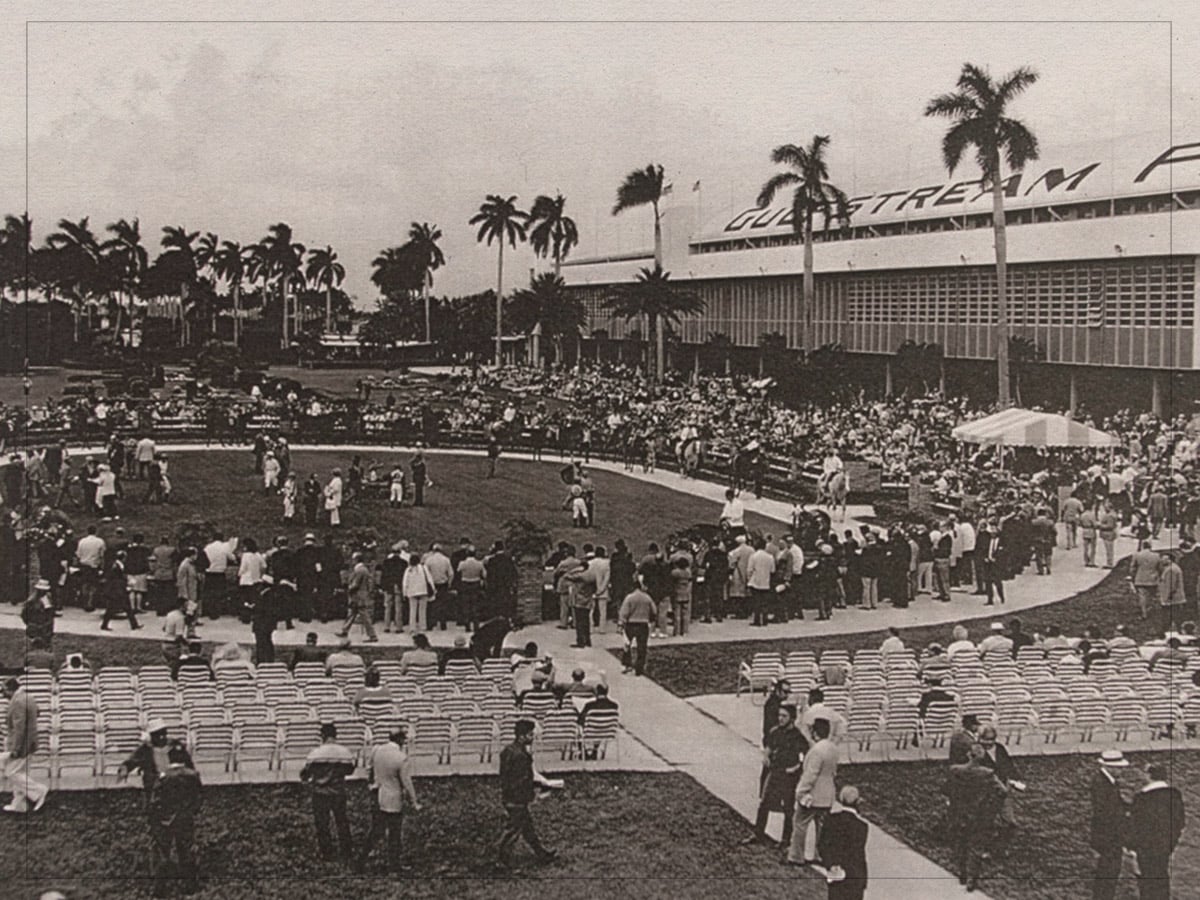
Not to be confused with December 1968’s Miami Pop Festival, the Miami Pop and Underground Festival was established within a horse racing track north of Miami, Florida, and followed in the success of the city’s psychedelic rock venue Thee Image Club, which had hosted the Grateful Dead for a famous show on Easter Sunday that year.
The festival, in turn, presented two days in mid-May for Miami’s counterculture to come together, especially important considering the usually conservative social environment of the city. One of its promoters, Michael Lang, would go on to co-create Woodstock the following year, and he later described Miami Pop and Underground as being “where the seeds of Woodstock were sown”.
Miami Pop and Underground saw Frank Zappa with his Mothers of Invention take the stage, as did John Lee Hooker, Chuck Berry and more. Once again, The Jimi Hendrix Experience took over the stage, arriving via helicopter to gift the audience with one of the greatest performances of their career, and reportedly, Hendrix lit his guitar on fire then, too. What was supposed to be a two-day event turned into one, with the second day being rained out, but what was lost in performances was gained in Hendrix’s inspired writing of ‘Rainy Day, Dream Away’.
The National Jazz & Blues Festival
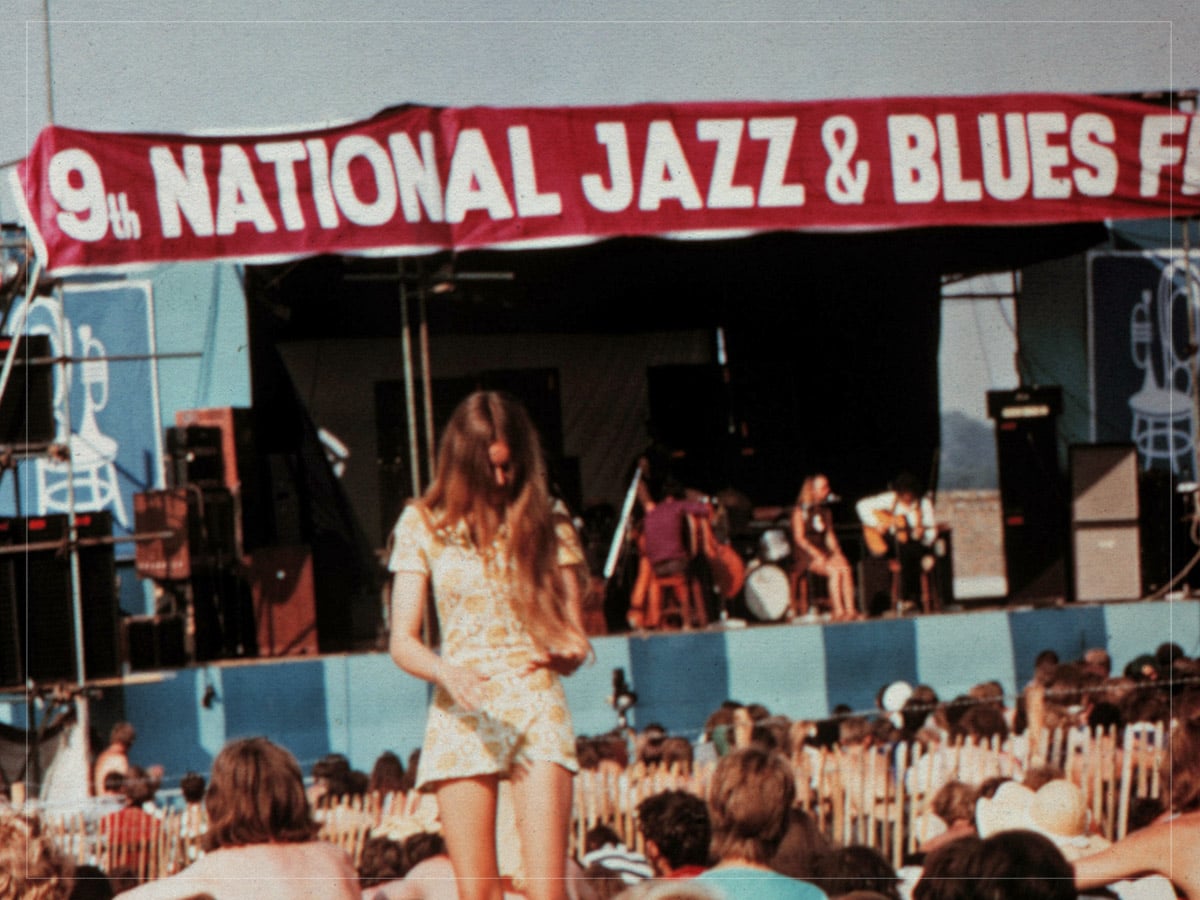
Taking inspiration from the Newport Jazz Festival, the first iteration of what became The National Jazz & Blues Festival (without “& Blues” in its name, initially) took place at the end of August 1961, assembling both British and American jazz musicians at Richmond Athletic Ground. Its first year saw English composer and saxophonist Johnny Dankworth and English jazz musician Chris Barber as headliners, and three years later, adding “& Blues” to its name, the festival expanded to curate the popular music that Britain enjoyed later in the decade.
By the late 1960s, jazz groups would open the festival during afternoon sessions, while leaving the nights for bands within blues, folk and progressive rock to take the stage. In turn, Jeff Beck, Cream, Pink Floyd, The Who and more featured on various lineups over the years, while numerous smaller bands would get their breaks at the festival, earning a coveted residency spot at London’s Marquee Club and, in some cases, earning a record deal. Fleetwood Mac was one of them: their first-ever gig was at the festival in 1967, which was held in Windsor that year. After their 20-minute set, their debut album’s sales spiked up to number four on the UK charts, and while the jazz element dwindled, the crowds drew to nearly 30,000 music fans across the decade.
By 1976, the festival had grown massively, having made its move to Reading and leaning further into the niches of rock that were popular: progressive, hard rock, punk, new wave and heavy metal. The formerly known as National Jazz & Blues Festival paved the way for Reading and Leeds, officially renaming itself in 1976 as Reading Rock.
The Isle of Wight Festival
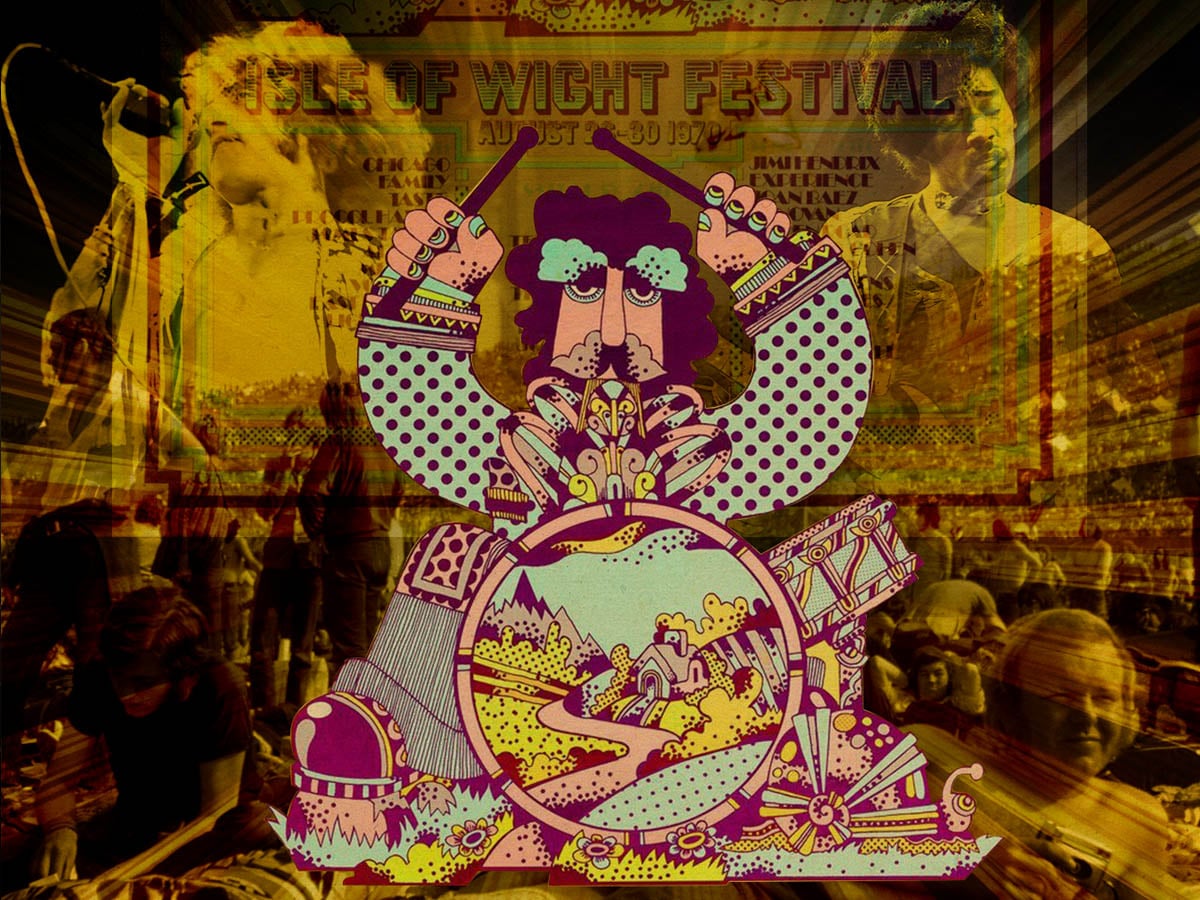
Before it descended into wildly unprecedented chaos, the Isle of Wight Festival burned brightly for two years, in 1968 and ’69. Jefferson Airplane headlined the inaugural one-day event, while the next year saw Bob Dylan’s return to live music, in his first paid performance since his motorcycle accident about three years before, which left fans wondering whether they would ever get to see him onstage again.
This event, taking place just 11 days after Woodstock in 1969, saw Dylan quite infamously favour a performance at Isle of Wight, leaving the day that Woodstock began despite people expecting him to attend the festival taking place in his hometown.
Later, to People magazine in 1975, Dylan surmised of the Woodstock Festival, “I didn’t want to be part of that thing.”
Alongside him, 1969’s Isle of Wight saw The Band, The Who, Joe Cocker, The Moody Blues and more perform over three days. While the festival became known for the events that took place in its 1970 iteration, with unruly crowds, rampant drugs and concerns over finances marking its premature end until its revival in 2002, it was still a pivotal precursor and rival, of sorts, to Woodstock.
Big Sur Folk Festival

Big Sur Folk Festival is perhaps the least known on this list, and in a way, this was intentional on the part of its co-founders, Nancy Carlen and Joan Baez.
What began as a weekend seminar delivered by Baez at the Esalen Institute (a non-profit in Big Sur, California) at Carlen’s invitation became a festival for eight years, from 1964 to 1971. For its first year, they invited friends, including Baez’s sister, Mimi, and her husband, Richard Fariña, and folk singers Malvina Reynolds and Janet Smith, with the intention to curate as casual a festival as possible. At Big Sur Folk, musicians could escape from the fast-paced chaos of summer’s festival season, and the audience numbers would be kept small for a peaceful atmosphere.
There was an anti-commercial sentiment to the festival, too, where artists were paid on a scale, never more than $50 each, and the tickets ranged between $3.50 to $5,50, at its highest. Becoming an antidote to Woodstock, Newport Folk and the like, Big Sur Folk once saw Joni Mitchell grant a surprise performance, alongside The Beach Boys, Dorothy Combs Morrison, Linda Ronstadt, and Crosby, Stills, Nash & Young, among many other musicians within folk and rock over its eight years, composed of both established artists and newcomers.
It was later immortalised in the 1971 documentary Celebration at Big Sur, a capsule of its singular influence.
