


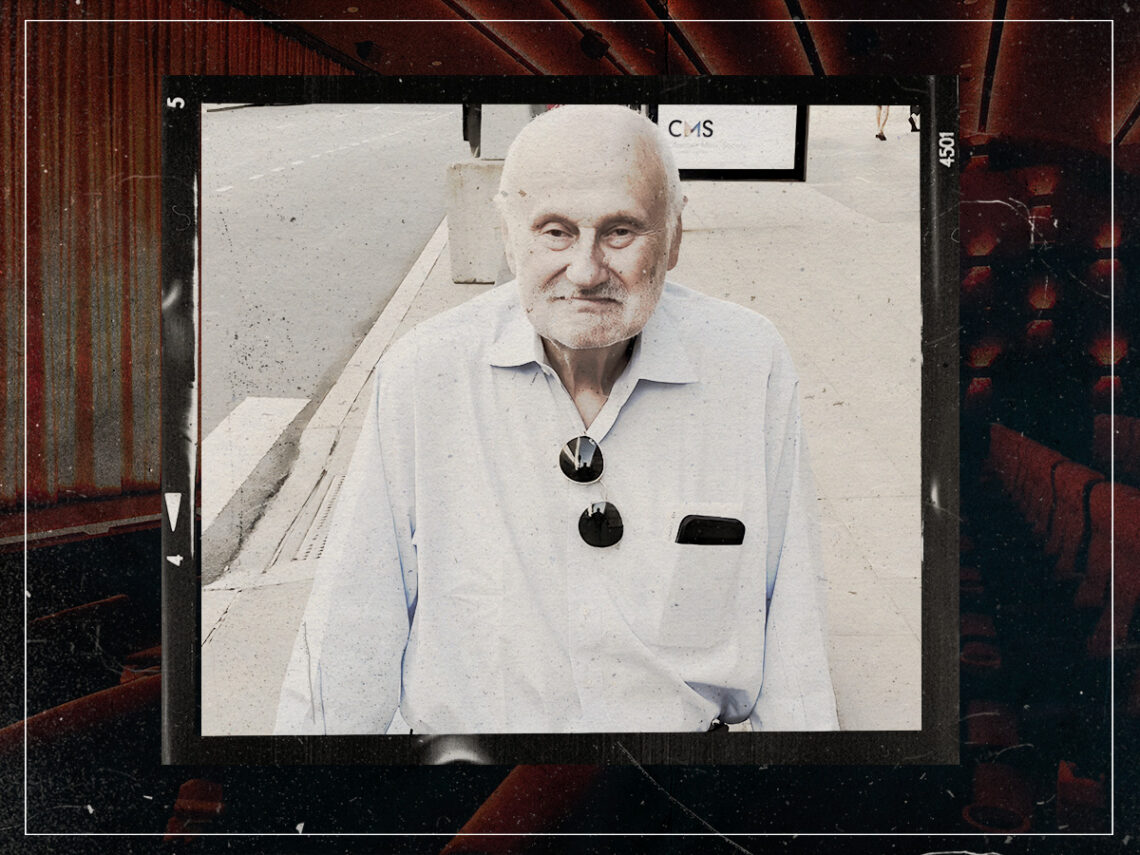
Ben Barenholtz: The “grandfather of midnight films”

We so often laud the work of directors and writers while ignoring important figures such as producers and distributors. Yet, these roles are intrinsic to getting movies off the ground and onto cinema screens. Ben Barenholtz was a vital cog in the wheel of independent filmmaking that became increasingly popular in the 1960s and ‘70s, and he can be thanked for helping boost the careers of filmmakers from David Lynch to the Coen brothers.
Born in Poland, Barenholtz had an uneasy start to his life as he spent his childhood hiding from the Nazis before moving to the United States. By the 1960s, Barenholtz had immersed himself in the rich counterculture that was blossoming in New York, managing the Village Theater. Here, musicians and poets from all walks of life were welcomed to perform and socialise, providing a vital creative and social hub.
Yet, Barenholtz’s influence over counterculture took hold in the following decade when he became involved in film distribution and production and opened the Elgin Cinema in Chelsea. It was here that he invented the concept of the midnight movie, something that remains popular to this day. His midnight movie screenings, which began with a showing of Alejandro Jodorowsky’s El Topo, suggested that watching experimental movies could be a fun activity, perhaps the natural successor of the popular ‘50s drive-in movie phenomenon.
Midnight movie screenings allowed audiences to experience the kind of films that they couldn’t see anywhere else, and the Elgin typically showed subversive, shocking and unconventional pictures that amassed countless attendees out of curiosity. One of the most notorious movies to find success in the midnight movie circuit was John Waters’ Pink Flamingos.
Starring drag queen Divine and the director’s host of Dreamlanders, the movie contains some outrageous scenes, ranging from unsimulated sex to the consumption of dog faeces. That’s just the tip of the iceberg – Pink Flamingos is a film that really needs to be seen to be believed. Thanks to Barenholtz, the film enjoyed substantial underground success, helping to establish Waters as one of the most controversial directors of all time.
Similarly, David Lynch owes much of his popularity to Barenholtz, who distributed his debut feature, Eraserhead, with his company Libra Films, which he founded in 1972. He had total faith in Lynch and promised him that his movie would be a success. While critics were divided on his surrealist tale of fatherhood and urban depression, the picture found popularity after Barenholtz secured a midnight movie stint for it at the Cinema Village.
Lynch claims that he is forever indebted to Barenholtz, posting a touching video statement about the cinema giant when he died in 2019. He said: “Ben Barenholtz. He is a great man. He is [the] grandfather of midnight films. He put Eraserhead in theatres. Many people came at midnight. Ben saved my life in films. To oversee getting a good print, Ben gave me a room in his house. He gave me money to get food. He said I only ate McDonalds and only drank coffee. Thank you, Ben.”
The Elgin also showed older films, some of which Barenholtz’s Libra Films distributed, such as Jean Cocteau’s Les Enfants Terribles. Barenholtz continued to bring innovative and unconventional movies to audiences, whether that be through Libra or the Elgin, before eventually moving on to the distribution company Circle Films.
Alongside Circle Films, Barenholtz was also part of Circle Releasing, which produced films by several directors who have since become iconic names in the industry, from George A. Romero to Darren Aronofsky. However, he is best known for his frequent collaborations with the Coen brothers. Circle Films distributed the sibling director duo’s first feature, Blood Simple, before Barenholtz decided to produce a handful of their other movies, including Barton Fink.
Before Barenholtz passed away, he tried his hand at filmmaking, too, releasing several documentaries, such as Music Inn, and his only fictional film, Alina, in 2017. Barenholtz played a hugely significant part in exposing audiences to the joys of independent, often transgressive, cinema. It is hard to imagine what the state of cinema would look like without his influence – he even screened some of Martin Scorsese’s early work at the Elgin – who is now one of the most significant filmmakers of all time.
