


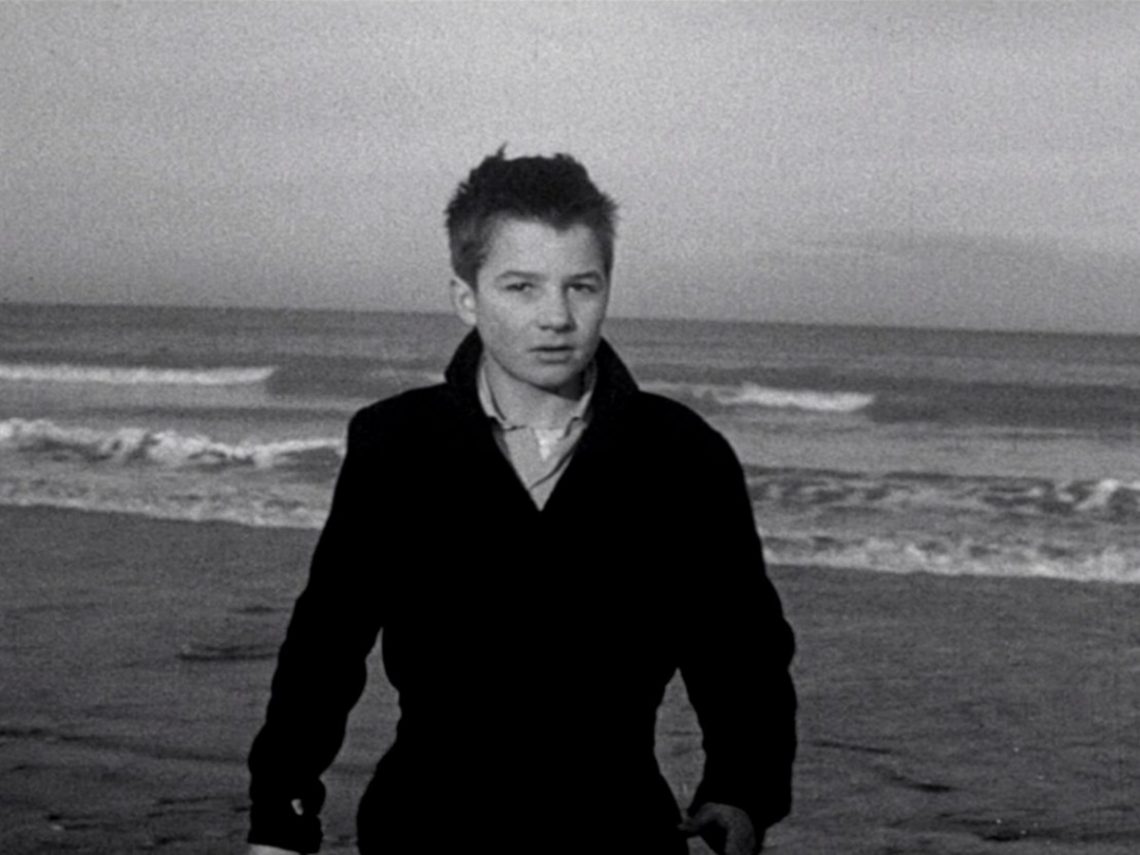
The beach that gave us cinema’s most indelible closing sequence

What makes a good closing sequence in a film? The last thing a filmmaker wants is for the audience to be met with an ending that leaves them exclaiming, ‘Is that it?’, because, really, there’s nothing worse than watching a movie with an unsatisfying ending.
Sometimes, being left in the lurch can be good, where, instead of asking ‘Is that it?’, we’re left wondering, ‘Well, what next?’, which is a much better situation to be in. There are so many terrific movie endings out there, ones that leave you desperate to rewatch the whole movie then and there, ones that make you cry, even ones that leave you puzzled.
Just think of the ending of Blow-Up, where the murder is left unresolved and Thomas is playing a game of imaginary tennis with a group of mimes, or the end of The Graduate, where Benjamin and Elaine sit next to each other on the bus, passive looks clouding their faces, which are both indelible sequences, but I’d argue, that the most indelible sequence is the one that ends The 400 Blows, which was monumental and has served as an inspiration for filmmakers since.
François Truffaut’s debut feature saw Jean-Pierre Leaud play the young Antoine Doinel, a mischievous but well-meaning teenage boy who just can’t stay out of trouble, yearning to be loved above anything, a character significantly inspired by Truffaut’s own childhood, and the film has remained the most personal he’d ever make, full of empathy and tenderness.
The 400 Blows marked a turning point for the burgeoning French New Wave, winning Truffaut ‘Best Director’ at the Cannes Film Festival, and from that moment, French cinema really took on new resonance in the industry, with the Nouvelle Vague movement founded on change, progress and experimentation, and by breaking away from traditional French cinema.
Of its many techniques that made The 400 Blows stand out as something innovative and new were the freeze frame and breaking of the fourth wall at the end of the film, which easily are its most iconic elements.
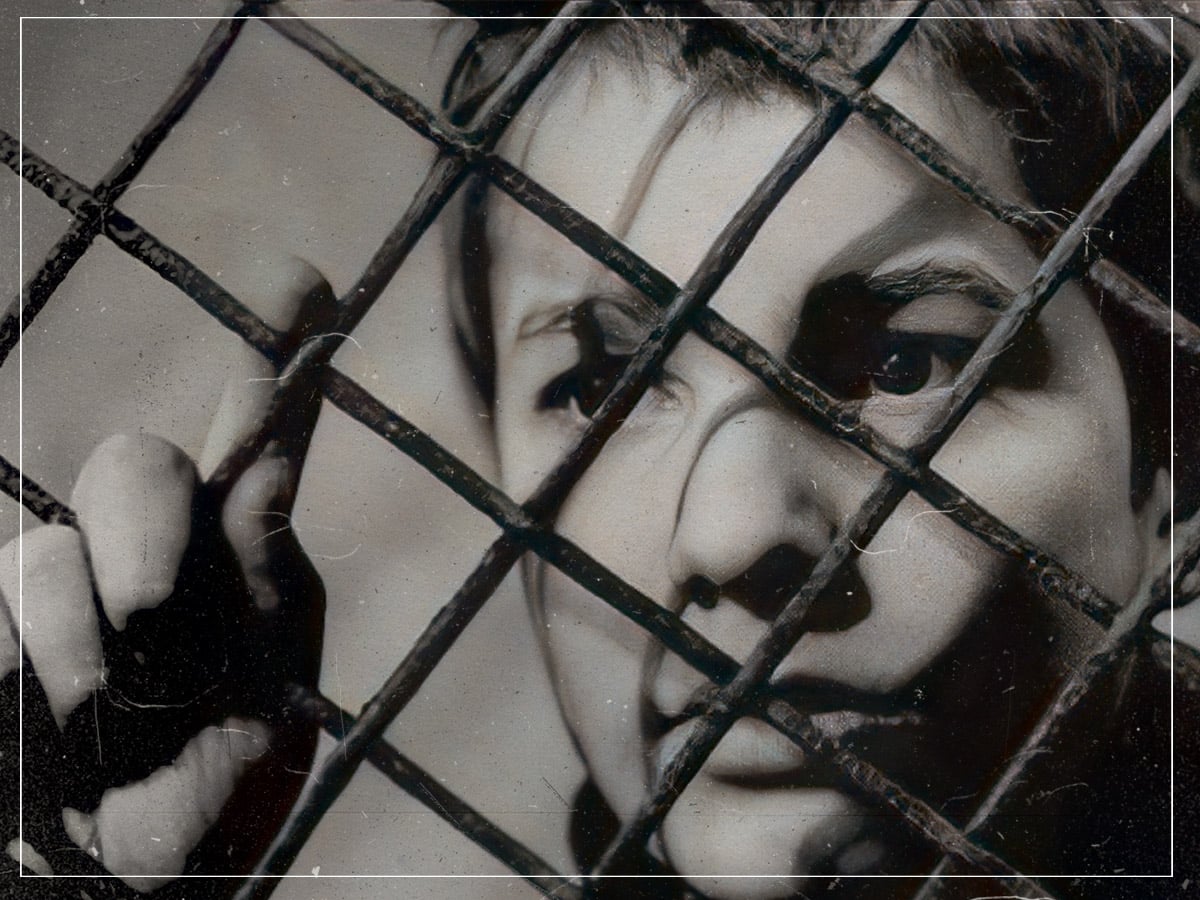
When Antoine is sent to a juvenile detention centre after stealing a typewriter, he escapes while playing football, causing one of the staff members to chase after him, and he heads towards the sea, which, as a child of Paris, he’s never seen before, yet always dreamed of, and as Jean Constantin’s perfect score plays, he runs towards the vast watery expanse, even though he knows he won’t have anywhere to go, and in the film’s final moment, he turns round, and a freeze-frame immortalises his gaze at the camera. With the sea behind him, his childish innocence is emphasised as he looks for a sense of freedom, showing that Antoine is not a bad kid, he’s just lacking in love and guidance.


French New Wave filmmakers like Truffaut prioritised realistic on-location shooting, often with handheld cameras, making a stark change from studio set-ups, and Paris became a central character in Antoine’s world, where the Eiffel Tower is seen in the opening sequence, as the camera gives us the perspective of a child looking out of a car window, their surroundings towering over them.
Paris is a playground for Antoine, but that is taken from him when he relocates to this detention centre in Normandy, so his loneliness is emphasised by his journey towards the sea, which was filmed at Villers-sur-Mer, where the Les Vaches Noires cliff faces still stand, although the steps that Antoine descends are no longer there.
Leaud’s performance as Antoine is simply charming, and he went on to reprise his role in various sequels, which saw the character become a husband, a father, and a cheat, but The 400 Blows remains exciting in its heartfelt handling of childhood restlessness and loneliness, with the techniques that define this scene frequently replicated or paid homage to in the years since, standing testament to its enduring influence.
Truffaut’s once-close collaborator Jean-Luc Godard used fourth wall breaks regularly, especially in Pierrot Le Fou, while Richard Ayoade ended his heavily French New Wave-influenced 2010 debut Submarine on the beach in clear tribute to the ultimate coming-of-age movie. Who knew that the image of a boy running across a sandy coast could have such a long-lasting impact?
