


Arena shows are the worst live music, and you’re paying for it

With a £9 beer in hand, moving from the bustling concourse to begin the ascent to row Z, it feels like maybe this isn’t even music anymore. This is a matter of logistics. Extremely expensive logistics.
Billed by so many as the pinnacle of performance, getting the chance to put on an arena tour doesn’t necessarily mean you should. The apparent top of the mountain when it comes to being in a band might profess to be bigger, louder and shinier, but it is also emptier. So what on earth are we paying for?
In plain terms, you are paying for the setting up and running of the venue, for the lights, the sound (poor as it might be), the hundreds of staff on hand, the electricity and the many, many reams of unaffordable refreshment vendors. Everything but the music.
Now, before we dive too quickly headfirst into the quagmire of the music industry’s current issues, for a certain selection of performers, arena shows make sense. Big pop acts who decorate their stages with moving theatrics, who arrive at arenas with an entourage of dancers and more costume changes than flights of stairs to your seat (just) are perfectly built for such a scenario. They fill the cavernous space with enough shimmering spectacle that it all makes sense. But if you’re in a band, especially a band like The Strokes, then a stadium show becomes truly baffling.
The Strokes have been a favourite band of mine for some time. Like so many other youngsters of the time, I was left bewildered by how dazzingly cool they were when they appeared on our airwaves at the turn of the millennium in bedraggled jeans and leather jackets. But even I can confess that they are not exactly the “spectacle” type. The Strokes are pioneers of indie sleaze, and they should stay that way.
Most of the time, they move through their set without much of a murmur to their fans, sometimes missing notes and rarely ad-libbing beyond the setlist of indie bangers. It’s a good night out if you’re a fan and, for the most part, it has always made sense. But their decision to move into the arena space with gusto in 2026 is a bit of a head-scratcher. The answer is Julian Casablancas’ blunt assessment, “The Strokes is a business”.

Business is a dirty world for the purity of art to thrive in, and with every passing year, growth is expected by The Strokes’ shareholders, so while a new record might be a significant way to increase their marketing, most industry insiders know that it is in ticket sales that they can really make some serious money. And so, they push them towards bigger stages to fill the coffers.

This decision, fuelled by economics, ends up only costing fans. Even before you consider the high price for tickets, The Strokes’ London show had a nosebleed seat at £171 and a standing ticket at £100 all in, making an evening out with Casablancas and Co a large chunk of a month’s rent, the true cost is in the experience.
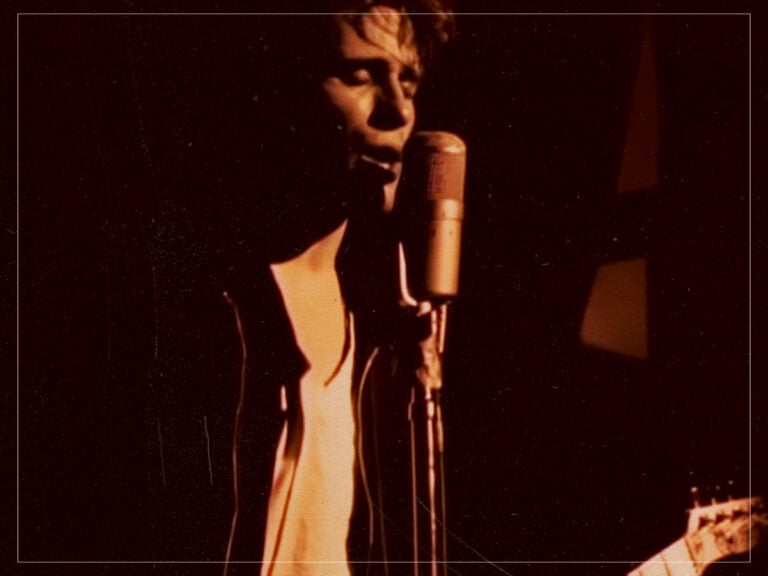
When those Strokes fans pay out to see their favourite band, they aren’t dreaming of sitting in the clouds, peering down at a minuscule group powering through their set, they are imagining seeing Casablancas’ glinting eye across a New York nightclub, hearing Albert Hammond Jr’s piercing angular guitars with the clarity of a bell being rung in your eardrum, with the band so close you can smell the Marlboro lights in their clothes. What many will experience in an arena will be that same band caught across a sea of phone screens, a delayed and washed-out sound and a performance that is watched rather than felt. And that just isn’t what music is about.
It’s hard to remove ourselves from the cultural expectation that bigger is always better. When purchasing a ticket for an arena performance, that is certainly what you’re buying into. That this show will be louder than ever, that it will bring together thousands of like-minded fans, and that it will hum into the ether as a permanent fixture in the band’s own history. All true, to some extent, but the reality is tougher than that.
The show will definitely be louder, but the acoustics of an arena will never come close to matching the soft cushion of a smaller stage. Thousands of fans will congregate, and there is some joy to be had in singing one’s favourite songs in unison, but the space so many fans require legally means a removal of any kind of intimacy you might have hoped to glean from the band. The concert you attend might become an important moment in your life, but there’s a good chance that in a few years’ time, the band will only have a vague idea of what happened and how.
This isn’t just about The Strokes, of course. In general, it is understandable that a band needs to scale their live product to make sure they can continue to deliver it. This is the world we live in, and we have to deal with it. But we must accept that an arena tour is a pretend pinnacle and a very real ebb.
A band’s live history isn’t about logistics; it is about truth, and there is nothing about an arena that isn’t one big show. And while the show must go on, it’s hard to shake the feeling that music’s most expensive night out is also its worst.
