


15 years after Amy Winehouse, has artist wellbeing actually improved?

For me, the death of Amy Winehouse will always be one of the greatest tragedies that the modern music scene has ever endured.
You could speak at length, in this regard, about the perils of the 27 Club and the unspeakable sadness that comes with such a seismic artist being gone far too soon. But that also does a disservice to Winehouse in a lot of ways. She was a woman to be marvelled at – strong, powerful, never one to mince her words, and more than capable of standing her ground.
This was not someone who, at least on the face of it, would go down quietly or without much of a fight, but nevertheless, on July 23rd, 2011, she was found dead at her home in Camden Square, London, having accidentally succumbed to alcohol poisoning… That exposed the ugly truth: Winehouse did not fail within herself, but the industry that promised her the world most definitely did.
There was no denying that as soon as the world caught wind of the reinvented 1960s soul icon here in the 21st century, they only clamoured for more, and more, and more. She was loved by the young, hailed and respected by the old, and therefore was the custodian of a unique pressure that she had to appease countless fronts.
Of course, it was the mark of her that she carried it off with an affable charm and an iconic thick winged eyeliner, but there was a reason that this was a mask that hid so much – eventually, in the moments where it slipped, the pile-on was incessant, sinister, and relentless… In an age of tabloid perniciousness and a lack of understanding about mental health, it was the perfect storm in which a vulnerable person found herself at the very heart.
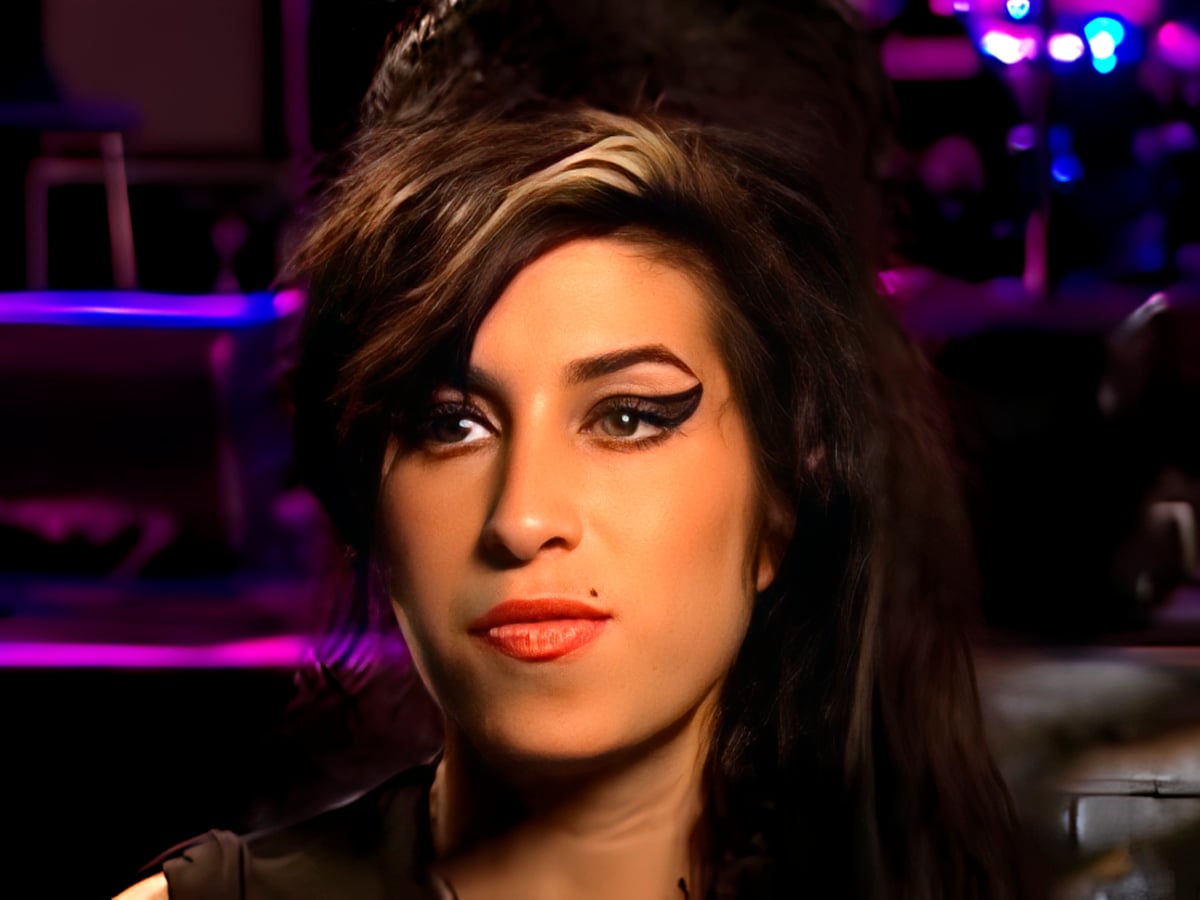
To be clear, this will not be the place for dissecting Winehouse’s relationships and private life, which undoubtedly played a role in how the end of her life panned out. But at the same time, these are people and families who have continuously been put through hell in the aftermath of the last 15 years, attempting to tell their truths but not often being taken at their word.
Yet you could see from the very moment that the singer won her sweep of Grammys for Back to Black, and was captured looking like a rabbit in the headlights in the process, that she knew as well as the industry bigwigs that things were never going to slow down for her again. Instead, she would be pushed until she reached the breaking point – and that didn’t take long.
On one hand, 2011 was hardly in the dark ages, and it doesn’t feel like that long ago. In other ways, in terms of society and the recognition of mental health issues, addiction, and all that comes with that, it simultaneously feels like a lifetime. Winehouse served as a tragic lesson, but are those effects still really being felt?
The reality is that it’s difficult to say. The essential difference between now and life 15 years ago isn’t just health literacy and understanding, it’s the beast of social media that seems to be undoing any sense of societal progression for any step forward it ever tries to take. It’s hard to see how anyone in any form of limelight manages to maintain their sanity.
And yet, for how much Winehouse was pilloried by the media, both in life and in death, for how much she struggled, you could only imagine this being tenfold with the unforgiving and scrutinous weapon that everyone hides in their pocket, in the form of mobile phones. That’s why we all have to pretend that artist wellbeing has improved, because one slip of the veneer would have the algorithms running riot.
You only have to point to the upsetting footage of Lola Young collapsing on stage, or Lewis Capaldi unable to finish his performances because of his Tourette’s, to exhibit how this is manifested. Thankfully, both of these artists have taken steps to improve their health in the time since, but there’s still an unspoken gulf that exists.
The reality is that, as much as there seems to be a greater musical discourse on mental health now, it’s equally used as a buzzword. Behind the scenes, how many artists are pressured into revealing their personal thoughts, feelings, and problems in the name of being relatable and authentic? Somehow, in the process, those two things lose their very meaning.
Ultimately, as much as the industry likes to delusionally congratulate itself into thinking they’ve made strides since the days of Winehouse and the hysteria that unfolded then. More musicians than ever have been through the hell of addiction, and yet are increasingly forced to either take on that battle behind closed doors or expose themselves in an all too public way.
In the end, the real question is, where is the physical support? Where is the nurture, the care, and the human connection, rather than buzzwords and the perception of the algorithm that is always looming? For Winehouse, that network failed. But now, they’re still doing it for so many others – just in a way that only Instagram and TikTok can comprehend.
